
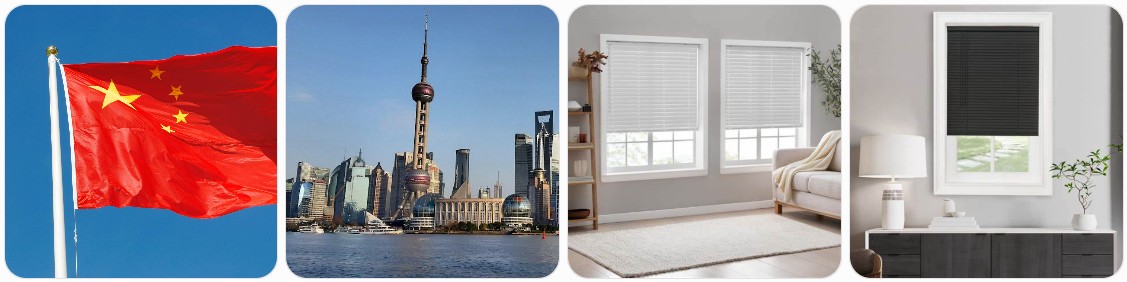
Window blinds are widely available throughout China from large e-commerce platforms, home-furnishing retailers, curtain markets, specialist window-covering companies, and local installers. Prices can start below ¥50 for simple ready-made blinds and reach several thousand yuan for large custom motorized systems. This guide explains the main blind types, typical costs, where to shop, how installation and repairs work, and how to find places to buy window blinds in China.
Types of Window Blinds Available in China & Average Cost
China has one of the largest window-covering manufacturing and retail markets in the world. Buyers can find inexpensive ready-made blinds on domestic marketplaces, made-to-measure products from local curtain shops, and advanced motorized systems from smart-home and commercial shading companies.
Prices are commonly listed in Chinese yuan and may be calculated per blind, per square meter, or according to width and height. Custom sellers may also add separate charges for measurement, installation, motors, remote controls, smart-home hubs, tracks, cassettes, side channels, and delivery outside the seller’s home city.
- Roller blinds: Roller blinds are widely used in Chinese apartments, offices, schools, clinics, shops, and commercial buildings. Basic ready-made polyester models can cost approximately ¥40–¥180, while custom sunscreen or blackout roller blinds commonly cost around ¥100–¥500 per window. Large commercial or motorized models may cost ¥600–¥2,500 or more.
- Venetian Blind: Aluminum, PVC, faux-wood, and real-wood Venetian blinds are available from Chinese online sellers and local curtain stores. Basic aluminum blinds may cost about ¥50–¥250, faux-wood versions around ¥150–¥700, and premium basswood or custom wood blinds approximately ¥400–¥1,500 or more per window.
- Vertical blinds: Vertical blinds remain common in offices, meeting rooms, schools, hospitals, and large apartments with balcony glazing. Standard fabric or PVC models generally cost around ¥100–¥500 per window, while wider custom installations can cost ¥600–¥1,800 or more.
- Zebra blinds: Zebra blinds, often sold in China as day-and-night blinds or 调光帘, are extremely common on Taobao, Tmall, JD.com, 1688, and local curtain-shop catalogs. Small ready-made products can start around ¥60–¥200, while custom zebra blinds commonly cost ¥150–¥700 per window.
- Blackout blinds: Blackout roller, cellular, Roman, and cassette blinds are popular for bedrooms, nurseries, hotel rooms, media rooms, and west-facing apartments. Basic blackout blinds typically cost around ¥80–¥400, while fitted cassette or side-channel systems may cost ¥400–¥1,500 or more.
- Roman blinds: Roman blinds are often ordered through fabric curtain stores and custom soft-furnishing studios in China. Depending on the fabric, lining, pattern, and operating system, prices generally range from about ¥200–¥1,200 per window. Designer fabrics and motorization increase the cost.
- Cellular or honeycomb blinds: Cellular shades are increasingly available for apartments, villas, offices, skylights, and energy-conscious renovations. Standard manual products may cost around ¥200–¥900, while top-down/bottom-up, skylight, day-and-night, or motorized systems can cost ¥800–¥3,000 or more.
- Bamboo and woven blinds: Bamboo blinds are widely produced in China and are available for balconies, tea rooms, restaurants, traditional interiors, patios, and covered outdoor areas. Simple roll-up bamboo blinds may cost around ¥40–¥250, while lined or custom woven-wood products can cost ¥300–¥1,000 or more.
- Motorized and smart blinds: Motorized blinds are widely available from Chinese smart-home brands, curtain-motor manufacturers, shading companies, and marketplace sellers. A basic motorized roller blind may cost approximately ¥500–¥1,500, while larger systems with premium motors, rechargeable batteries, Wi-Fi, Zigbee, voice control, or building automation can cost ¥1,500–¥6,000 or more per opening.
- Outdoor roller and zip-screen blinds: Exterior shading products are available for villas, balconies, restaurants, hotels, commercial buildings, and sun-exposed glass walls. Prices commonly start around ¥800–¥2,500 per opening and can exceed ¥5,000 for large wind-resistant motorized zip screens.
- Skylight and roof blinds: Custom skylight blinds are available for villas, lofts, atriums, sunrooms, and commercial buildings. Manual systems may cost around ¥400–¥1,500, while motorized tensioned or track-guided systems can cost ¥1,500–¥6,000 or more.
- Office sunscreen blinds: Flame-retardant, anti-glare, and solar-control roller blinds are common in Chinese office projects. Depending on fabric openness, fire rating, size, and motorization, costs can range from approximately ¥120–¥800 per window for manual products and ¥700–¥3,000 or more for powered systems.
These figures are broad consumer estimates rather than fixed national prices. Rates vary substantially between cities, materials, sellers, order quantities, and installation conditions. When comparing international products, you can also browse window blinds on Amazon, custom roller blinds, motorized window blinds, and window blind repair parts.

Window Blinds Cordless No Drill Cut to Size Clip On Stick On Self Adhesive Temporary Blinds Pleated Paper Blinds for Windows Doors Shades for Home Nursery Bedroom Kitchen Bathroom

ARLO BLINDS 2" Faux Wood Blinds with Crown Valance 34" W x 60" H, White

Calyx Interiors 1“ Mini Blinds, 33.5“W x 60“H, White, Light Filtering
Where to Buy Window Blinds in China (Online Stores and Local Shops)
Window blinds in China can be purchased through national e-commerce marketplaces, manufacturer-direct platforms, home-furnishing chains, specialist shading companies, and neighborhood curtain stores. Marketplace listings usually offer the lowest prices, while local stores are more useful when you need on-site measurement, fabric samples, installation, or repair support.
- Taobao
- Shop for ready-made and custom window blinds on Taobao
- Contact: Use the seller chat function inside Taobao or the Taobao mobile app.
- Hours: Online marketplace available 24 hours; individual seller support hours vary.
- Tmall
- Browse branded window blind stores on Tmall
- Contact: Contact individual brand stores through Tmall’s customer-service chat.
- Hours: Online ordering is available 24 hours; seller support hours vary.
- JD.com
- Search JD.com for blinds, shades, motors, and accessories
- Contact: Use JD customer service or the contact option shown on the individual product page.
- Hours: Online marketplace available 24 hours; installation and seller-service times vary.
- 1688
- Buy window blinds and components from Chinese manufacturers on 1688
- Contact: Contact suppliers through the 1688 messaging system.
- Hours: Online platform available 24 hours; factory sales hours vary.
- Alibaba.com
- Compare Chinese window blind manufacturers on Alibaba
- Contact: Use “Contact Supplier” or the marketplace chat system.
- Hours: Platform available 24 hours; supplier response times vary.
- IKEA China
- Check IKEA China for blinds and window-covering products
- Contact: Use the store locator and customer-support information on the IKEA China website.
- Hours: Store hours vary by city and location; check the selected store before visiting.
- Shanghai Mingcheng Enterprise
- No. 33 South Laiting Road, Jiuting Industrial Zone, Songjiang District, Shanghai 201615, China
- Contact: Contact Shanghai Mingcheng Enterprise online
- Hours: Public showroom hours are not consistently listed; contact the company before visiting.
- Shanghai Wellsource Industrial Co., Ltd.
- Room 703, Building B, No. 142 Chunchang Road, Minhang District, Shanghai, China
- Contact: Contact Shanghai Wellsource online
- Hours: Contact the company to confirm sales-office or showroom availability.
- Guangzhou Yuexiu Window Blinds Development Co., Ltd.
- No. 3 Haichong Road, Shiji Town, Panyu District, Guangzhou, Guangdong, China
- Contact: Contact Guangzhou Yuexiu Window Blinds online
- Hours: Factory or showroom visits should be arranged in advance.
- Guangzhou Qianye Intelligent Sunshade Co., Ltd.
- No. 6 Fei’e Road, Zhongyi Industrial Zone, Zhongcun Street, Guangzhou, Guangdong, China
- Contact: +86 167 8220 0596 /
- Hours: Contact the company before visiting or requesting an in-person consultation.
- ZSHINE Smart Home
- Building 6, Lingshan East Road, Tianhe District, Guangzhou, Guangdong, China
- Contact: +86 137 6162 1904 /
- Hours: Contact the company to arrange a sales or project consultation.
- UNITECTEX / UNITEC Blinds
- Room 888, No. 139 Fute West First Road, Waigaoqiao Free Trade Zone, Pudong New Area, Shanghai, China
- Contact: +86 21 5010 2812 / / WhatsApp: +86 158 2109 7810
- Hours: Contact the sales office before visiting.
Window Blinds Installation & Repair Services in China
Many blind retailers in China arrange measurement and installation through their own technicians or local service partners. Installation may be included with qualifying custom orders in major cities, offered for an additional fee, or arranged separately through a curtain installer listed on Taobao, JD, Meituan, Dianping, Baidu Maps, or Amap.
For repairs, local technicians commonly replace cords, chains, brackets, tracks, slats, fabric tubes, motors, remote controls, batteries, receivers, and limit settings. Always send photos, dimensions, brand information, and a short video of the fault before requesting a quote.
- Guangzhou Qianye Intelligent Sunshade Co., Ltd.
- No. 6 Fei’e Road, Zhongyi Industrial Zone, Zhongcun Street, Guangzhou, Guangdong, China
- Contact: +86 167 8220 0596 /
- Hours: Project consultations and installation arrangements should be confirmed directly.
- ZSHINE Smart Home
- Building 6, Lingshan East Road, Tianhe District, Guangzhou, Guangdong, China
- Contact: +86 137 6162 1904 /
- Hours: Contact in advance for installation or after-sales service availability.
- UNITECTEX / UNITEC Blinds
- Room 888, No. 139 Fute West First Road, Waigaoqiao Free Trade Zone, Pudong New Area, Shanghai, China
- Contact: +86 21 5010 2812 / / WhatsApp: +86 158 2109 7810
- Hours: Contact the company to discuss project support, replacement products, and technical assistance.
- Guangzhou Yuexiu Window Blinds Development Co., Ltd.
- No. 3 Haichong Road, Shiji Town, Panyu District, Guangzhou, Guangdong, China
- Contact: Send a service or product inquiry online
- Hours: Appointment required for factory, project, or service inquiries.
- Local Curtain and Blind Installers on Meituan
- Service availability varies across Beijing, Shanghai, Guangzhou, Shenzhen, Chengdu, Hangzhou, Chongqing, Tianjin, Nanjing, Wuhan, Xi’an, and other Chinese cities.
- Contact: Search Meituan for curtain and blind installation services
- Hours: Individual technician hours and same-day availability vary.
- Local Curtain Shops Listed on Dianping
- Search by your current city, district, or nearby shopping area.
- Contact: Find local curtain and blind businesses on Dianping
- Hours: Store hours are shown on individual listings when available.
- Taobao Home-Installation Sellers
- Remote ordering with local installation may be available in supported Chinese cities.
- Contact: Ask Taobao blind sellers about measurement and installation
- Hours: Online ordering is available 24 hours; technician appointments vary.
Window Blinds in China Near Me Finder
China is too large for one store list to cover every location, so the fastest method is to search using a Chinese mapping or local-services app. Baidu Maps and Amap usually provide more complete mainland-China business listings than international map services. Dianping and Meituan are also useful for reviews, contact information, photos, quotations, and home-service appointments.
Try searching the following Chinese terms together with your city or district:
- 窗帘店 – curtain store
- 百叶窗 – Venetian blinds or louver blinds
- 卷帘 – roller blinds
- 遮阳帘 – sunshade blinds
- 电动窗帘 – motorized curtains or blinds
- 窗帘安装 – curtain/blind installation
- 窗帘维修 – curtain/blind repair
- 办公卷帘 – office roller blinds
- 蜂巢帘 – cellular or honeycomb blinds
- 柔纱帘 or 斑马帘 – zebra blinds
For example, search “上海 百叶窗 安装” for Venetian-blind installation in Shanghai, “北京 电动窗帘 维修” for motorized-blind repair in Beijing, or “深圳 办公卷帘” for office roller blinds in Shenzhen. Before visiting, call or message the store because some map listings may represent factories, wholesalers, or appointment-only workshops rather than walk-in retail showrooms.
China Buying Guide & Installation/Repair Tips
- Use Chinese search terms for better results: Searching only in English may return exporters and factories rather than nearby consumer stores. Use terms such as 百叶窗, 卷帘, 蜂巢帘, 窗帘安装, and 窗帘维修 on Taobao, JD, Baidu Maps, Amap, Dianping, and Meituan.
- Confirm whether the price is per item or per square meter: Many custom blinds in China are quoted by area. A listing may show a low starting price that applies only to one square meter, a minimum order size, or the least expensive fabric.
- Ask for the complete installed price: Request a written quote covering fabric, headrail, bottom rail, brackets, chains, motors, remotes, measurement, delivery, installation, removal of old blinds, and any charges for difficult walls or high windows.
- Measure in millimeters: Chinese custom-blind suppliers commonly work in centimeters or millimeters. Send the exact width and height and clearly state whether each measurement is for an inside recess, wall opening, glass panel, or outside mount.
- Request seller measurement instructions: Different factories use different deductions for inside-mounted blinds. Do not subtract width yourself unless the seller specifically instructs you to do so.
- Ask whether installation is available in your city: Some Taobao, Tmall, and JD sellers offer installation only in selected urban areas. Others ship nationally but require the buyer to find a local installer.
- Use platform payment protection: For online orders, keep measurements, fabric selections, motor specifications, installation promises, and delivery dates inside the marketplace chat whenever possible.
- Order samples before a large project: Computer and phone screens may not show fabric colors accurately. Ask the seller to mail fabric, slat, frame, or wood-finish samples before ordering blinds for an entire apartment, villa, hotel, or office.
- Check blackout claims carefully: In Chinese listings, “遮光” may describe anything from light reduction to near-total blackout. Ask for the stated shading percentage and whether the system includes a cassette or side channels.
- Choose moisture-resistant materials for southern China: In humid areas such as Guangzhou, Shenzhen, Xiamen, Haikou, and parts of the Yangtze River region, aluminum, PVC, coated polyester, or moisture-resistant faux wood may perform better than untreated natural wood.
- Consider strong western sunlight: Apartments with west-facing windows can become very hot during summer. Solar-screen roller fabric, reflective backing, cellular shades, exterior shading, or layered blackout systems may improve comfort.
- Check fire ratings for offices and commercial projects: Hotels, schools, hospitals, offices, restaurants, and public buildings may require flame-retardant fabrics or specific documentation. Ask the supplier for current test reports and project-appropriate specifications.
- Check smart-home compatibility before buying: Chinese motorized blind systems may use RF remotes, Wi-Fi, Bluetooth, Zigbee, Tuya, Xiaomi ecosystems, proprietary hubs, or dry-contact building controls. Confirm the protocol, voltage, plug, hub requirement, app language, and voice-assistant compatibility.
- Confirm voltage and motor access: China generally uses 220-volt mains electricity. For hardwired motorized blinds, have a qualified electrician prepare the power point and make sure the motor can still be accessed for future repair or replacement.
- Consider rechargeable motors for completed interiors: Battery or rechargeable motors may avoid opening walls for electrical wiring, although batteries require periodic charging and may not be ideal for very large or frequently operated blinds.
- Check the wall material before installation: Chinese apartments may have concrete, brick, lightweight block, gypsum board, tile, aluminum window frames, or suspended ceilings. The installer must use suitable anchors and avoid concealed electrical cables, water pipes, and under-floor heating controls.
- Do not drill into uPVC or aluminum frames without approval: Drilling can affect drainage channels, seals, insulated glazing, window warranties, or rental agreements. Ask the property owner, developer, or window manufacturer first.
- Inspect the product before the installer leaves: Raise and lower every blind, check that it is level, test all tilt controls, verify motor limits, listen for grinding noises, and confirm that doors and windows can open without interference.
- Keep spare parts and order information: Save the seller’s store name, order number, fabric code, motor model, remote model, width, drop, and photos of the installed brackets. This makes future repairs much easier.
- Send a video when requesting repair: For jammed, noisy, uneven, or motorized blinds, a short video helps technicians identify whether the problem involves the chain, clutch, tube, cord, track, motor, receiver, remote, or limit settings.
- Compare repair cost with replacement cost: Replacing a chain, cord, bracket, or clutch is often inexpensive. Replacing faded fabric, a damaged tube, multiple slats, or an obsolete motor may cost nearly as much as a new blind.
- Clarify warranty responsibility: Ask whether the marketplace seller, manufacturer, local installer, or motor brand handles warranty claims. A product warranty may not cover removal, shipping, reinstallation, or on-site labor.
- Confirm holiday lead times: Production and delivery can slow before and during major Chinese holidays, especially Spring Festival and National Day. Order custom blinds early if they are needed for a move, renovation, hotel opening, or office handover.
FAQ About Window Blinds in China
Are window blinds widely available in China?
Yes. Window blinds are widely available through Taobao, Tmall, JD.com, 1688, Alibaba, home-furnishing stores, curtain markets, local curtain shops, blind manufacturers, and commercial shading companies.
How much do basic window blinds cost in China?
Small ready-made blinds can start below ¥50, while many standard consumer products cost around ¥80–¥500 per window. Custom, premium, large, or motorized products can cost several hundred to several thousand yuan.
Where is the best place to buy cheap blinds in China?
Taobao, 1688, JD.com, and local curtain markets often have inexpensive options. However, check the material, size, seller reviews, shipping cost, installation availability, and return rules before choosing only by price.
Can I order custom-size blinds online in China?
Yes. Many Taobao, Tmall, JD, 1688, and specialist sellers make blinds to the buyer’s measurements. Because custom products may not be returnable, follow the seller’s measuring instructions and confirm every dimension in writing.
Does the listed price include installation?
Not always. Some sellers include installation in supported cities, while others charge separately or provide only the blind. Ask for the complete delivered and installed price before paying.
How do I find a nearby blind store in China?
Search Baidu Maps, Amap, Dianping, or Meituan for 窗帘店, 百叶窗, 卷帘, 遮阳帘, or 电动窗帘 together with your city or district name.
Can foreigners buy blinds through Taobao or JD.com?
Yes, although the platforms and seller communication are mainly in Chinese. Buyers may need a Chinese delivery address, supported payment method, and help translating custom measurement or installation instructions.
What are zebra blinds called in China?
Zebra blinds are commonly listed as 斑马帘, 柔纱帘, or 调光帘. Searching these terms usually returns more choices than searching only for “zebra blinds” in English.
What are roller blinds called in Chinese?
Roller blinds are commonly called 卷帘. Office roller blinds may be listed as 办公卷帘, while blackout roller blinds may appear as 遮光卷帘.
Are motorized blinds easy to buy in China?
Yes. China has a large motorized-blind and smart-home market. Products are available with remote controls, rechargeable batteries, Wi-Fi, Zigbee, Tuya integration, and other control systems.
How much do motorized blinds cost in China?
A basic motorized roller blind may cost around ¥500–¥1,500. Larger blinds, premium motors, smart controls, hardwired installation, side channels, and custom fabrics can increase the price to ¥1,500–¥6,000 or more.
Can Chinese blind installers visit my apartment?
Yes. Many local curtain shops and online sellers offer home measurement and installation in supported areas. Availability and fees depend on the city, district, order size, and seller.
Can window blinds be repaired in China?
Yes. Local technicians can often replace chains, cords, clutches, brackets, tracks, slats, fabric, motors, receivers, batteries, and remote controls. Search for 窗帘维修 or 电动窗帘维修 in your city.
How much does blind repair cost in China?
Minor repairs may cost approximately ¥50–¥200 plus parts and travel. Motor, track, fabric, or large commercial repairs may cost several hundred yuan or more. Ask for a quote after sending photos and a video.
Which blinds are best for humid parts of China?
Aluminum Venetian blinds, PVC blinds, coated roller fabrics, moisture-resistant faux wood, and synthetic cellular or vertical blinds are usually safer choices than untreated natural wood in very humid areas.
Which blinds are best for hot west-facing windows?
Solar-screen roller blinds, reflective blackout blinds, cellular shades, exterior zip screens, and layered window treatments can help manage strong afternoon sunlight and heat.
Are Chinese blinds sold by the square meter?
Many custom blinds are priced per square meter, although minimum charges may apply. Motors, cassettes, tracks, installation, and delivery may be priced separately.
Should I measure my window in centimeters or millimeters?
Many Chinese sellers accept centimeters, but millimeters provide greater accuracy. Clearly label width and height and state whether the blind will be mounted inside or outside the opening.
Can I return custom blinds in China?
Custom-made blinds are often non-returnable unless they are defective or differ from the confirmed order. Check the seller’s policy and verify all measurements, colors, controls, and mounting details before production.
What should I check after installation?
Check that each blind is level, moves smoothly, stops evenly, clears handles and doors, and has secure brackets. For motorized blinds, test the remote, app, limits, charging, wall controls, and manual override before the installer leaves.
Summary
Window blinds are easy to find throughout China, with options ranging from inexpensive Taobao and JD products to custom smart-home and commercial shading systems. Basic ready-made blinds may cost less than ¥100, while custom wood, cellular, outdoor, or motorized blinds can cost several thousand yuan per window.
For straightforward purchases, compare Taobao, Tmall, JD.com, IKEA China, and nearby curtain stores. For bulk orders or manufacturer-direct buying, consider 1688, Alibaba, or established blind manufacturers in Shanghai, Guangzhou, Ningbo, Shaoxing, and other production centers. Local curtain shops and technicians are usually the best option when accurate measuring, installation, repairs, or after-sales support are important.
Before ordering, confirm whether the quote is per blind or per square meter, follow the seller’s measuring instructions, request samples, check installation coverage, and keep all specifications in writing. For repairs, search local Chinese service platforms using 窗帘维修 or 电动窗帘维修 and send the technician clear photos and a video of the problem.

60 PCS Vertical Blind Repair Tabs Kit Clear Fixer Verticle Blinds Snap in Replacement Slats Parts Panels
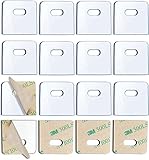
SOGEWO (16 Set/32 Pieces) Clear Vertical Blind Repair Tabs, Vertical Blinds tabs/Blind Fixers for Vertical Blinds Replacement Slats & Parts
