
Compare popular blind styles in one place, from Venetian and roller blinds to Roman, vertical, blackout, and smart blinds. This page helps you identify different types of blinds, understand how they work, and find matching parts, repair options, and practical guides for each window blind style.
| Type | Parts / Repair | Description |
|---|---|---|
Venetian Blinds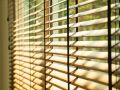 | parts / repairs | Classic horizontal slat blinds with tilt control, available in wood, faux wood, and aluminium for flexible light and privacy management. |
Mini Blinds | parts / repairs | Slim horizontal blinds with narrow slats, ideal for kitchens, offices, and compact windows needing simple light control. |
Micro Blinds | parts / repairs | Ultra-slim slat blinds designed for a sleek look and precise light adjustment in smaller or modern window spaces. |
Horizontal Blinds | parts / repairs | Versatile slatted blinds that raise, lower, and tilt easily to manage sunlight, glare, and everyday privacy. |
Vertical Blinds | parts / repairs | Long hanging vanes suited to patio doors and large windows, offering smooth operation and adjustable privacy. |
Panel Blinds | parts / repairs | Wide fabric panels that slide neatly across tracks, great for expansive windows and contemporary interiors. |
Panel Track Blinds | parts / repairs | Sliding fabric panel blinds built for large glazed areas and doors, combining coverage with a modern finish. |
Roller Blinds | parts / repairs | Simple fabric blinds that roll onto a tube, popular for clean styling, easy use, and broad fabric choices. |
Double Roller Blinds | parts / repairs | Dual-layer roller setup combining blackout and sunscreen fabrics for flexible day and night light control. |
Zebra Blinds | parts / repairs | Striped sheer and opaque fabric blinds that align for privacy or light filtering with a stylish contemporary look. |
Dual Sheer Blinds | parts / repairs | Alternating sheer and solid fabric bands deliver adjustable light control while keeping a soft, elegant appearance. |
Day and Night Blinds | parts / repairs | Layered fabric blinds that switch between filtered daylight and increased privacy with smooth, modern operation. |
Vision Blinds | parts / repairs | Contemporary striped fabric blinds that glide between open and closed positions for balanced light and privacy. |
Roman Blinds | parts / repairs | Fabric blinds that fold into neat pleats when raised, offering a soft furnished look with practical coverage. |
Pleated Blinds | parts / repairs | Crisp folded fabric blinds that stack compactly, perfect for neat styling and gentle filtered light. |
Cellular Blinds | parts / repairs | Honeycomb-style blinds with insulating pockets that help improve energy efficiency and indoor comfort. |
Honeycomb Blinds | parts / repairs | Energy-saving cellular blinds with structured air pockets, designed for insulation, softness, and a tidy finish. |
Balloon Blinds | parts / repairs | Decorative fabric blinds that gather into soft rounded poufs, creating a traditional and elegant window treatment. |
Austrian Blinds | parts / repairs | Luxurious fabric blinds with gathered scalloped folds, ideal for formal rooms and decorative interiors. |
London Blinds | parts / repairs | Tailored fabric blinds combining Roman styling with softer folds, suited to classic and refined room designs. |
Relaxed Roman Blinds | parts / repairs | Roman blinds with a gentle curved lower edge, giving windows a casual and elegant soft-fabric finish. |
Hobbled Roman Blinds | parts / repairs | Full Roman blinds with cascading loops even when lowered, adding depth, texture, and a traditional appearance. |
Flat Roman Blinds | parts / repairs | Smooth-front Roman blinds that showcase patterned fabrics clearly while folding neatly when raised. |
Cascading Roman Blinds | parts / repairs | Roman blinds with layered folds that create added fullness and a more decorative raised profile. |
Tie-up Blinds | parts / repairs | Fabric blinds raised by visible ties, offering charming informal styling and adjustable decorative folds. |
Outdoor Blinds | parts / repairs | Weather-resistant blinds for patios, pergolas, and outdoor areas, helping manage sunlight, wind, and privacy. |
Bistro Blinds | parts / repairs | Clear or tinted outdoor blinds often used on patios and café spaces to block wind and rain. |
Cafe Blinds | parts / repairs | Practical outdoor blinds commonly installed on verandas and café areas for shelter, visibility, and comfort. |
Conservatory Blinds | parts / repairs | Specially shaped blinds designed for conservatory windows and roofs, helping reduce glare and heat build-up. |
Skylight Blinds | parts / repairs | Blinds made for overhead windows, providing control over sunlight, glare, and temperature in bright spaces. |
Roof Blinds | parts / repairs | Purpose-built blinds for roof windows, helping manage light, privacy, and insulation in lofts and extensions. |
Blackout Blinds | parts / repairs | Light-blocking blinds designed for bedrooms, media rooms, and spaces where darkness and privacy matter most. |
Sheer Blinds | parts / repairs | Lightweight blinds that soften daylight while maintaining an airy feel and some daytime privacy. |
Solar Blinds | parts / repairs | Performance blinds designed to reduce glare and UV exposure while preserving outward views during the day. |
Screen Blinds | parts / repairs | Mesh-style blinds that filter harsh sunlight, cut glare, and retain external visibility in bright rooms. |
Privacy Blinds | parts / repairs | Blinds chosen for improved screening from neighbours and passers-by while still allowing practical light control. |
Top-down Blinds | parts / repairs | Blinds that lower from the top to admit daylight while keeping the lower window area covered. |
Bottom-up Blinds | parts / repairs | Standard rising blind style that lifts from the bottom, offering adjustable coverage and straightforward operation. |
Cordless Blinds | parts / repairs | Safer modern blinds operated without exposed cords, creating a cleaner appearance and easier child-safe use. |
Motorized Blinds | parts / repairs | Powered blinds controlled by remote, wall switch, or automation system for added convenience and accessibility. |
Smart Blinds | parts / repairs | Connected blinds that integrate with apps, voice assistants, and smart home routines for automated control. |
Daylight Blinds | parts / repairs | Blinds designed to soften incoming daylight while keeping rooms bright, comfortable, and visually balanced. |
Temporary Blinds | parts / repairs | Short-term window coverings often used during moves, renovations, or quick privacy needs without permanent fittings. |
Stick-on Blinds | parts / repairs | Adhesive-mounted blinds that install quickly without drilling, useful for rentals and temporary setups. |
Magnetic Blinds | parts / repairs | Blinds that attach using magnets for quick fitting on metal frames, doors, or specialist glazing systems. |
Tension Blinds | parts / repairs | No-drill blinds held in place with tension rods or wire systems, ideal for recesses and lightweight fabrics. |
No-drill Blinds | parts / repairs | Easy-fit blinds installed without screws, suitable for renters and anyone wanting damage-free fitting options. |
Perfect-fit Blinds | parts / repairs | Frame-mounted blinds that clip neatly onto uPVC windows and doors for a clean integrated appearance. |
Intu Blinds | parts / repairs | Neat no-drill blinds fitted directly into window beadings, popular for tilt-and-turn and glazed doors. |
Clip-fit Blinds | parts / repairs | Convenient blinds that clip into place without drilling, offering simple installation and a tidy window finish. |
If you are comparing different types of blinds, this guide is designed to make that process easier. Window blinds come in many styles, and each one works a little differently depending on the material, control system, light filtering level, and the type of window it suits best. Some blinds are better for privacy, some are better for insulation, and others are chosen mostly for style.
That is why it helps to see the main blind categories in one place. Instead of guessing which blind type fits your room, you can use this page to compare popular styles, understand how they work, and decide which options make the most sense for your home. Whether you are choosing blinds for a bedroom, kitchen, conservatory, office, or patio door, knowing the differences between blind types can save time and prevent expensive mistakes.
Why It Helps to Compare Blind Types First
Many people start shopping for blinds before they fully understand the differences between the main styles. That often leads to confusion, especially when names overlap or when two blind types look similar but function differently.
This page helps you compare blind types in a more practical way so you can narrow your options faster.
- Style so you can see how the blind looks.
- Function so you can understand how it operates.
- Use case so you know which rooms it suits.
- Parts and repairs so you can maintain it properly.
That comparison is useful because the best blind is not always the most popular one. A blind that works well in a living room may be a poor fit for a bathroom, skylight, or sliding door.
Main Categories of Window Blinds
Most blind styles fall into a few broad categories. Once you understand these groups, the rest of the page becomes much easier to use.
Slatted blinds include styles like Venetian blinds, mini blinds, micro blinds, horizontal blinds, and vertical blinds. These use individual slats or vanes that tilt to control light and privacy.
Fabric blinds include roller blinds, Roman blinds, pleated blinds, and many day and night styles. These are often chosen for softer appearance, decorative appeal, or more specific light filtering.
Cellular and honeycomb blinds are designed with insulating pockets that can help with energy efficiency and indoor comfort.
Specialist blinds include options like skylight blinds, roof blinds, conservatory blinds, outdoor blinds, motorized blinds, and no-drill systems. These are usually chosen for specific window shapes, rooms, or installation needs.
Understanding those categories makes it easier to compare blind styles based on what matters most to you rather than focusing only on appearance.
How to Choose the Right Blind Type
The easiest way to choose the right blind type is to start with the room and the job the blind needs to do. Different spaces usually need different features.
If you want easy light adjustment and a classic look, slatted blinds are often a strong choice. If you want a softer appearance or decorative fabric finish, Roman and roller blinds are usually more suitable. If insulation matters, cellular and honeycomb blinds are worth a closer look. If your window is in a specialist area like a conservatory, patio, or roof space, purpose-built blinds usually make more sense than standard styles.
It helps to think about the following before choosing any blind type:
- Privacy for bedrooms, bathrooms, and street-facing rooms.
- Light control for glare reduction or blackout needs.
- Moisture resistance for kitchens, bathrooms, and utility rooms.
- Insulation for hot rooms, cold rooms, and energy savings.
- Ease of fitting for renters or no-drill installations.
Once you know your priorities, it becomes much easier to compare the blind types listed in the table above.
Popular Blind Types and What They Are Best For
Some blind styles appear again and again because they solve common window-covering needs well.
Venetian blinds are popular because they offer flexible light control and a familiar classic look.
Roller blinds are often chosen for their simple design, easy operation, and wide range of fabrics.
Roman blinds work well when you want a softer, more decorative fabric finish.
Vertical blinds are commonly used for patio doors and wide windows because they cover larger openings well.
Blackout blinds are especially useful in bedrooms, nurseries, and media rooms where blocking light matters.
Cellular and honeycomb blinds are often chosen for comfort and insulation.
Motorized and smart blinds are useful when convenience, remote access, or home automation is a priority.
That does not mean those are always the best options. It just means they are some of the most common starting points for homeowners comparing blinds.
Why Some Blind Types Have Different Names
One reason blinds can feel confusing is that some styles are closely related or marketed under different names. For example, cellular blinds and honeycomb blinds are often treated as the same basic style. Day and night blinds, zebra blinds, and vision blinds can also overlap depending on brand and region.
That is why this page is useful as a reference point. Instead of treating every blind name as completely separate, you can use the list to understand which styles are true categories and which ones are variations, related systems, or brand-led terms.
This matters when buying parts too, because similar-looking blinds may use different fittings, controls, and mounting systems depending on the design.
Think About Parts, Repairs, and Long-Term Use
Choosing a blind is not only about how it looks on day one. It also helps to think about the parts it uses and how easy it will be to maintain later.
Some blinds rely on cords, chains, brackets, clips, tilt mechanisms, or motor systems that may eventually need replacement. Others are simpler and easier to keep working over time. If you already know you may need replacement parts or repair kits later, that can influence which blind type feels more practical.
That is one reason we connect blind types with supporting parts and repair content across the site. A blind that looks good but is hard to identify or maintain can become frustrating later if something breaks or wears out.
Use This Page to Narrow Your Options
The table above is designed to help you compare different blind styles more quickly. You do not need to study every blind type in detail at the start. A better approach is to narrow the list down to the few styles that match your room, light needs, and preferred look.
For example, you might narrow your options like this:
- For classic adjustable light control: Venetian, mini, or vertical blinds.
- For simple modern styling: Roller, blackout, or screen blinds.
- For soft fabric appearance: Roman, relaxed Roman, or pleated blinds.
- For insulation and comfort: Cellular or honeycomb blinds.
- For specialist fitting: Skylight, roof, conservatory, no-drill, or perfect-fit blinds.
Once you get down to a short list, it becomes much easier to decide what works best for your window and your budget.
Explore Related Parts, Repairs, and How-To Guides
Once you identify the blind style you have or the type you want to buy, the next step is often learning how to maintain it properly. We cover more than just blind types, which makes it easier to move from identification to action.
That way, if you recognize your blind from the list above, you can continue to the parts, repair, removal, or buying information that matches it.