

Finding window blinds in Norway is relatively easy, with affordable ready-made options available from national retailers and custom-made solutions offered by specialist solskjerming companies. Norwegian buyers can choose roller blinds, Venetian blinds, pleated blinds, cellular blinds, vertical blinds, blackout blinds, and motorized systems. This guide covers typical Norwegian prices, reliable places to shop, professional installation and repair options, and practical ways to find places to buy window blinds locally or online.
Types of Window Blinds Available in Norway & Average Cost
Window blinds are widely available throughout Norway from furniture chains, home-interior retailers, building-supply stores, online shops, and specialist solskjerming companies. Ready-made blinds are normally priced lower and work best for standard window dimensions. Made-to-measure blinds cost more but provide a better fit for large windows, older Norwegian homes, narrow recesses, roof windows, glazed balcony doors, and unusually shaped openings.
Prices are normally listed in Norwegian kroner. The approximate dollar equivalents below are included only as a general comparison and can change with exchange rates. Final prices depend on width, drop, fabric, operating system, motorization, installation, and whether the product is made to measure.
- Roller blinds: Roller blinds, commonly called rullegardiner in Norway, are widely sold by IKEA, JYSK, Kid Interiør, Princess, and specialist blind companies. Basic ready-made models generally cost about NOK 150–900, or roughly $15–$85, while custom blackout or motorized versions may cost NOK 1,500–6,000+, or approximately $140–$560+ per window.
- Venetian Blind: Venetian blinds are known as persienner and are available in aluminum, wood, faux wood, and exterior-grade systems. Basic indoor aluminum blinds may cost about NOK 250–1,200, or $25–$115. Custom wood, exterior, or motorized Venetian blinds can cost NOK 2,000–10,000+, or approximately $185–$930+ per window.
- Pleated blinds: Pleated blinds, or plisségardiner, are especially popular in Norway because they work well with modern windows, conservatories, balcony doors, and top-down/bottom-up privacy requirements. Ready-made versions may cost NOK 300–1,500, or around $30–$140. Custom models commonly cost NOK 1,500–5,000+, or approximately $140–$465+ per window.
- Cellular or honeycomb blinds: Cellular blinds, often sold as Duette or insulating pleated blinds, contain air pockets that can improve comfort around cold windows. This makes them attractive for Norway’s long heating season. Prices commonly range from NOK 1,000–5,500+, or approximately $95–$510+ per window, depending on size and fabric.
- Blackout blinds: Blackout blinds are popular in bedrooms, nurseries, home cinemas, and northern areas affected by very long summer daylight hours. Standard blackout roller blinds may cost NOK 250–1,200, or about $25–$115. Cassette, side-channel, made-to-measure, or roof-window blackout systems can cost NOK 1,500–5,500+, or approximately $140–$510+.
- Vertical blinds: Vertical blinds, called lamellgardiner, are frequently used on large windows, sliding doors, office glazing, and modern open-plan homes. Standard systems may cost NOK 800–2,500, or roughly $75–$235. Large custom installations can cost NOK 3,000–9,000+, or approximately $280–$840+.
- Roman blinds: Roman blinds provide a softer fabric appearance and are commonly ordered through interior shops or custom curtain specialists. Typical prices range from NOK 1,000–4,500+, or approximately $95–$420+, depending on fabric, lining, size, and whether installation is included.
- Roof-window blinds: Roof-window blinds are commonly purchased for VELUX and similar windows used in Norwegian lofts, cabins, and converted attic rooms. Depending on the window model and blind type, prices may range from NOK 700–3,500+, or approximately $65–$325.
- Motorized and smart blinds: Electric blinds are increasingly available for high windows, large glazing, smart homes, and energy-management systems. A motorized blind may cost NOK 2,500–10,000+, or approximately $235–$930+, before electrical work, hubs, remote controls, or professional installation.
- Exterior screens and blinds: Exterior zip screens and external Venetian blinds are used to reduce solar heat before it reaches the glass. They are more expensive than interior blinds but can be useful on strongly sun-exposed Norwegian homes. Installed systems may cost approximately NOK 8,000–25,000+, or about $745–$2,325+ per opening.
Buyers comparing ready-made products can browse window blinds on Amazon, blackout roller blinds, cellular window shades, and motorized window blinds. Check whether the seller ships to Norway and calculate VAT, delivery charges, import handling, plug compatibility, and warranty support before ordering.
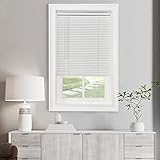
Cordless Light Filtering Mini Blinds for Indoor, 34 x 64 in, Pearl White | Cordless Lift and Light-Filtering Control: Slat-Based Blind Construction with Adjustable Light Control.

LOTUS & WINDOWARE Cordless Faux Wood Blinds, 35" Wide x 60" Long, Smooth, Snow White, 2 Inch Horizontal Blinds – for Living Room, Bedroom, Interior Door Windows
Where to Buy Window Blinds in Norway (Online Stores and Local Shops)
Norwegian buyers can choose between national retailers selling affordable standard sizes and specialist blind companies offering measuring, customization, home consultations, and installation. For basic bedroom, kitchen, rental, or cabin blinds, large retail chains may be sufficient. For large windows, exterior shading, motorization, or exact color matching, a specialist is usually the better choice.
- IKEA Norway
- Shop IKEA Norway window treatments
- Contact: Telephone 64 00 12 73; online chat and customer-service options are available through the IKEA Norway website.
- Hours: Customer service is generally open Monday–Friday 08:00–18:00 and Saturday 09:00–17:00; closed Sunday. Physical store hours vary by location.
- JYSK Norway
- Shop blinds and curtains from JYSK Norway
- Contact: Telephone 21 49 36 00; online chat is available through the customer-service page.
- Hours: Telephone service is generally Monday–Friday 10:00–17:00. Saturday support is normally provided through chat, and Sunday is closed. Store hours vary by branch.
- Kid Interiør
- Visit Kid Interiør online
- Contact: Telephone 31 00 20 00; email .
- Hours: Customer service is generally open Monday–Friday 09:00–15:00. Individual store hours vary by shopping center and municipality.
- Princess
- Shop Princess window coverings and home textiles
- Contact: Telephone 64 85 44 88; email .
- Hours: Customer service is generally open weekdays 10:00–19:00. Local store hours vary.
- Kjells Markiser
- View custom blinds from Kjells Markiser
- Contact: Telephone 95 300 800; email . The company has locations and service coverage in several regions of Norway.
- Hours: Offices and warehouses may be unstaffed for walk-in visits. Arrange consultations, collections, or showroom visits in advance.
- Fasadeprodukter
- View Fasadeprodukter blinds and solar-shading products
- Contact: Telephone 911 50 200; email .
- Hours: Consultation and local-adviser availability varies by region. Use the company’s contact form to arrange a free survey or appointment.
- Markisemannen
- Shop custom blinds through Markisemannen
- Contact: Telephone 48 300 500; email .
- Hours: Consultations and local appointments are arranged through the company. Confirm showroom or regional office hours before visiting.
- Skiens Persiennefabrikk
- Visit Skiens Persiennefabrikk online
- Contact: Hother Bøttgers gate 20, 3725 Skien; telephone 35 53 71 50; email .
- Hours: Generally 08:00–16:00. Confirm the day’s opening time before making a special trip.
- ALFA Solskjerming
- View ALFA Solskjerming products
- Contact: Rosenkrantzgata 61, 3018 Drammen; telephone 32 83 22 65; email .
- Hours: Monday–Friday 07:00–16:00; visits outside these hours may be arranged by appointment.
Window Blinds Installation & Repair Services in Norway
Professional fitting is useful when blinds are made to measure, installed high above the floor, mounted into concrete, brick, tile, or metal, or connected to motors and smart controls. Norwegian blind specialists may also repair broken cords, tilt mechanisms, brackets, motors, screens, awnings, and exterior shading.
Before booking a repair, send the company photographs of the blind, headrail, broken component, control mechanism, and any model labels. Ask whether the technician services products from other manufacturers and whether travel, inspection, parts, and labor are charged separately.
- ALFA Solskjerming
- Rosenkrantzgata 61, 3018 Drammen
- Contact: Telephone 32 83 22 65; email . The company operates a store and workshop and may complete repairs in the workshop or at the customer’s property.
- Hours: Monday–Friday 07:00–16:00; otherwise by appointment.
- Skiens Persiennefabrikk AS
- Hother Bøttgers gate 20, 3725 Skien
- Contact: Telephone 35 53 71 50; email .
- Hours: Generally 08:00–16:00. Contact the company before bringing in a blind or arranging a site visit.
- Kjells Markiser
- Regional offices include Studieveien 2, 2815 Gjøvik; Bølerveien 38, 2016 Frogner; Godesetdalen 24, 4034 Stavanger; Østre Rosten 16B, 7075 Tiller; and C.J. Hambros vei 101, 5148 Fyllingsdalen.
- Contact: Telephone 95 300 800; email . Service, warranty, complaints, and parts requests are handled through the company’s dedicated forms.
- Hours: Offices and warehouses are generally not intended for unannounced visits. Call to arrange an appointment or collection.
- Markisemannen
- Multiple local service areas and regional locations across Norway; confirm the nearest department through the company’s location page.
- Contact: Telephone 48 300 500; email . Service, replacement parts, warranty matters, and complaints can be submitted online.
- Hours: Local availability varies. Home surveys and service appointments should be booked in advance.
- Fasadeprodukter
- Regional advisers and installers operate in multiple parts of Norway.
- Contact: Telephone 911 50 200; email . The company provides surveys, measuring, delivery, fitting, product guidance, and service-request options.
- Hours: By regional appointment. Use the online contact form to arrange a survey or service visit.
- Scandic Markiser
- Damvegen 11, 2827 Hunndalen, Norway
- Contact: Telephone 900 90 100; email . Regional showrooms and advisers are available in several areas.
- Hours: Showroom hours vary. Some regional locations operate by appointment, so contact the company before visiting.
Window Blinds in Norway Near Me Finder
To find a window blinds store near you in Norway, search using both English and Norwegian terms. Useful searches include “window blinds near me,” “persienner nær meg,” “solskjerming,” “rullegardiner,” “plisségardiner,” “markiser,” “gardiner på mål,” and “reparasjon av persienner.” Adding your municipality, postal code, or county will make the results more local.
In Oslo and Akershus, search for local solskjerming showrooms and installers rather than limiting the search to central Oslo. Many providers serve a wide regional area and send consultants to homes. In Bergen, Stavanger, Trondheim, Kristiansand, Tromsø, Drammen, Skien, and other cities, compare local blind specialists with national companies that have regional advisers.
For rural areas and cabins, ask whether the company charges a travel fee or requires several customers in the area before scheduling a visit. A retailer may advertise nationwide service but still have different appointment availability in Finnmark, Troms, Nordland, western fjord areas, and remote mountain municipalities.
Before driving to a showroom, verify that it is open to the public. Some Norwegian solskjerming businesses list offices, warehouses, or production facilities that are unstaffed or accessible only by appointment. Call first and ask whether samples, replacement parts, repair intake, and measuring consultations are available at that location.
Norway Buying Guide & Installation/Repair Tips
- Use Norwegian product terms when shopping: Search for rullegardiner for roller blinds, persienner for Venetian blinds, plisségardiner for pleated blinds, lamellgardiner for vertical blinds, and solskjerming for the broader shading category.
- Plan for long summer daylight: In northern Norway and other areas with very bright summer nights, ordinary light-filtering fabric may not be enough for a bedroom. Look for lystett or blackout fabric and consider side channels or an outside-mounted blind to reduce edge light.
- Prioritize insulation around older windows: Cellular or honeycomb blinds can improve comfort near cold glazing, but blinds should not prevent warm indoor air from reaching the window completely. Excess condensation can form if moisture becomes trapped against cold glass.
- Check ventilation and condensation: During winter, inspect the glass and window frame for moisture. Raise the blind periodically, ventilate the room, and avoid keeping a tightly fitted blind permanently closed against a cold window.
- Choose moisture-resistant blinds for bathrooms: Norwegian bathrooms and utility rooms can have high humidity. Aluminum, PVC, treated polyester, or moisture-resistant roller blinds are generally safer than untreated wood or absorbent decorative fabrics.
- Use blackout products carefully around radiators: Many Norwegian homes have heaters beneath windows. Make sure the blind does not rest directly against a hot radiator, block airflow, or trap heat around the control mechanism.
- Measure in millimeters: Norwegian made-to-measure retailers commonly expect measurements in millimeters. Measure the width at the top, middle, and bottom, and the height at the left, center, and right.
- Identify recess or face fitting: A blind fitted inside the recess looks neat but needs sufficient depth and may leave side gaps. An outside-mounted blind provides more coverage and may perform better for blackout.
- Check inward-opening windows: Many Norwegian windows tilt or open inward. Confirm that the blind, headrail, brackets, and operating handle will not prevent the window from opening or reaching its ventilation position.
- Consider child-safe controls: Choose cordless blinds, tensioned chains, secured loops, or motorized controls in homes with children. Loose operating cords should be kept inaccessible and installed according to the supplied safety instructions.
- Confirm drilling restrictions: Renters should obtain permission before drilling into walls, tiles, window frames, or ceilings. No-drill tension blinds and clip-fit systems may be suitable for some windows, but compatibility must be checked.
- Use suitable fasteners for Norwegian walls: Plasterboard, timber, concrete, masonry, and tiled surfaces need different anchors and drill bits. Do not rely only on the small universal screws included with a low-cost blind.
- Locate concealed wiring and pipes: Check for electrical cables, underfloor-heating controls, plumbing, and other hidden services before drilling. This is especially important near renovated window surrounds.
- Ask about exterior wind ratings: Exterior screens and blinds must handle local wind exposure. Coastal and elevated properties may need stronger guide rails, wind sensors, or automatic retraction.
- Inspect snow and ice conditions: Do not operate an exterior blind, screen, or awning while it is frozen, covered with snow, or obstructed by ice. Forcing the motor can damage the fabric, guides, or drive system.
- Compare installed prices: A low product price may not include surveying, delivery, travel, disposal of old blinds, electrical work, programming, or installation. Request a written quote showing each charge.
- Ask about Norwegian warranty support: Imported smart blinds may be cheaper online but harder to repair locally. Check whether motors, remotes, batteries, brackets, and replacement fabric are supported in Norway.
- Check smart-home compatibility: For motorized blinds, confirm compatibility with the control system you actually use. Ask whether an additional hub, electrician, bridge, transformer, or subscription is required.
- Photograph broken parts before requesting repair: Include the full blind, the headrail, control side, damaged component, mounting brackets, and any label or serial number. This helps the repair company identify parts before visiting.
- Do not cut loaded cords casually: Pleated, cellular, and Venetian blinds may contain tensioned lift cords. Cutting the wrong cord can release the mechanism or make restringing substantially more difficult.
- Compare repair cost with replacement: Repair is often worthwhile for custom blinds, quality motors, exterior systems, and unusual sizes. Replacing an inexpensive ready-made roller blind may cost less than a technician’s travel and labor.
- Order samples before buying custom blinds: Norway’s daylight changes substantially by season. A fabric that looks warm in store lighting may look cooler or more transparent against a bright window.
- Check online import costs: When ordering outside Norway, include shipping, Norwegian VAT, carrier handling, possible customs processing, and the cost of returning an incorrectly sized product.
- Use proper installation equipment: Useful items may include a blind installation kit, compact laser level, wall scanner, and window blind repair kit.
FAQ About Window Blinds in Norway
Where can I buy window blinds in Norway?
Ready-made blinds are available from retailers such as IKEA Norway, JYSK, Kid Interiør, and Princess. Custom blinds, exterior screens, motorized systems, measuring, and installation are available from specialist companies such as Kjells Markiser, Fasadeprodukter, Markisemannen, ALFA Solskjerming, Scandic Markiser, and Skiens Persiennefabrikk.
What are window blinds called in Norwegian?
Common terms include rullegardiner for roller blinds, persienner for Venetian blinds, plisségardiner for pleated blinds, lamellgardiner for vertical blinds, and solskjerming for sun-shading products generally.
How much do window blinds cost in Norway?
Basic ready-made blinds may cost about NOK 150–1,200 per window. Custom interior blinds often cost NOK 1,500–6,000+, while motorized blinds, exterior screens, and external Venetian systems can cost several thousand to more than NOK 20,000 per opening.
Are blackout blinds necessary in Norway?
They are not necessary in every room, but they are helpful in bedrooms during Norway’s bright spring and summer evenings. They are especially useful in northern areas where daylight may continue through much or all of the night.
What type of blind is best for Norwegian winters?
Cellular or honeycomb blinds can improve comfort near cold windows because their pockets trap air. Heavy lined curtains may also help. However, maintain ventilation around the glass and check for condensation during cold weather.
Can blinds cause condensation on windows in Norway?
Yes. A tightly closed blind can reduce warm-air circulation against cold glass, allowing condensation to form. Ventilate the room, control indoor humidity, raise the blind periodically, and wipe away moisture before it damages the frame.
What blinds are best for tilt-and-turn or inward-opening windows?
Close-fitting pleated blinds, clip-fit systems, and blinds designed for the opening sash may work well. Measure handle clearance and confirm that the window can still tilt and open fully after installation.
Can I install window blinds myself in Norway?
Yes. Standard roller, Venetian, and pleated blinds can often be installed by a careful DIY buyer. Professional fitting is recommended for high windows, custom systems, motorization, exterior screens, concrete mounting, and expensive made-to-measure products.
How much does professional blind installation cost in Norway?
Installation prices vary by company, region, blind type, travel distance, and wall material. A simple interior blind may add several hundred to more than NOK 1,500 per window, while motorized or exterior systems can cost considerably more to install.
Do Norwegian blind companies offer free measuring?
Some custom solskjerming companies advertise free surveys, measuring, or consultations. Confirm whether the visit is free in your postal area and whether travel charges apply if you do not place an order.
Can window blinds be repaired in Norway?
Yes. Specialist companies may repair cords, chains, brackets, tilt mechanisms, motors, fabric, guide rails, exterior blinds, screens, and awnings. Availability depends on the brand, age, and whether replacement parts are still produced.
Where can I get blinds repaired in Oslo?
Several national and regional solskjerming companies serve Oslo and Akershus, including Kjells Markiser, Markisemannen, Fasadeprodukter, and Scandic Markiser. Ask whether they repair products from other manufacturers before booking.
Where can I get blinds repaired near Drammen?
ALFA Solskjerming operates a store and workshop at Rosenkrantzgata 61 in Drammen and offers repair and service assistance. Contact the company before bringing in a blind so it can confirm whether the product is repairable.
Is it cheaper to repair or replace a blind?
Replacing a low-cost ready-made roller blind may be cheaper than paying for travel, labor, and parts. Repair is more attractive for custom blinds, large systems, motorized products, exterior shading, or blinds made for unusual windows.
Are motorized blinds popular in Norway?
Motorized blinds are increasingly used for large windows, high glazing, smart homes, exterior screens, and energy-control systems. Before buying, confirm power requirements, hub compatibility, warranty service, and replacement-part availability in Norway.
Do exterior blinds work in Norwegian weather?
Yes, when the product is correctly specified for local wind, rain, snow, frost, and coastal exposure. Do not operate exterior blinds while frozen or obstructed, and consider wind or sun sensors for motorized systems.
Can renters install window blinds in Norway?
Renters should review the lease and ask the landlord before drilling. Tension blinds, removable brackets, and compatible no-drill systems may reduce permanent alterations, but they still need to be fitted safely.
Are standard-size blinds suitable for Norwegian windows?
They can be suitable for common modern window sizes, but many Norwegian homes have wide glazing, inward-opening windows, roof windows, or nonstandard recesses. Measure carefully before assuming a standard blind will fit.
Can I order blinds from Amazon and ship them to Norway?
Some sellers ship to Norway, but availability varies. Check shipping eligibility, VAT, carrier handling fees, product dimensions, return costs, electrical compatibility, and whether spare parts or warranty support are available locally.
What should I send a blind repair company before booking?
Send photographs of the full blind, the damaged area, headrail, controls, brackets, and any product label. Include the blind’s width, height, approximate age, brand, and a clear description of what happens when you try to operate it.
Summary
Window blinds are readily available throughout Norway, ranging from inexpensive ready-made roller blinds to custom pleated blinds, insulating cellular shades, exterior screens, and fully motorized systems. IKEA, JYSK, Kid Interiør, and Princess are convenient for standard products, while specialist companies such as Kjells Markiser, Fasadeprodukter, Markisemannen, ALFA Solskjerming, Scandic Markiser, and Skiens Persiennefabrikk provide customization, surveys, installation, and repair services.
Norwegian buyers should consider more than color and price. Long summer daylight makes effective blackout important in bedrooms, while cold winter windows make insulation, ventilation, and condensation management important. Exterior products must also be suitable for wind, snow, frost, and coastal exposure.
Measure every window carefully in millimeters, check how the window opens, confirm handle and radiator clearance, and ask for a detailed installed quote. For repairs, photograph the product and identify the brand before contacting a technician. With the correct blind type and fitting method, window blinds can improve privacy, sleep, glare control, thermal comfort, and everyday usability in Norwegian homes.

60 PCS Vertical Blind Repair Tabs Kit Clear Fixer Verticle Blinds Snap in Replacement Slats Parts Panels

Vertical Blinds Replacement Stem and Gear Used for Headrail, Carrier Stem Vertical Blinds Curtain Accessories(12 Sets)
