
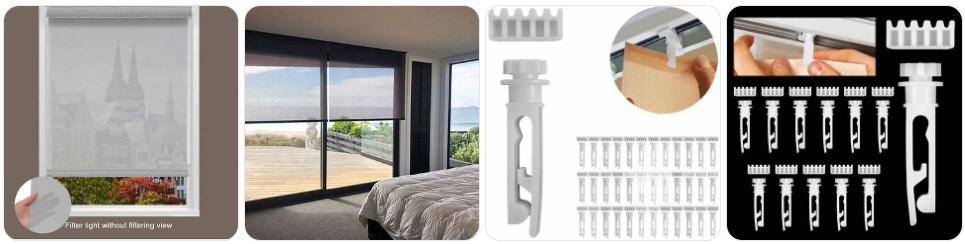
Screen Blinds are designed to filter glare, reduce heat, and preserve outward visibility, so repairs usually focus on the roller mechanism, clutch, chain, guide rails, tension system, hem bar, and screen fabric attachment rather than slats or decorative fold systems. The quick answer is that a broken screen blind can often be repaired without replacing the whole blind if the screen fabric is still in good condition and the problem is limited to one hardware section. In many cases, the best fix is replacing a worn clutch, restringing the guide system, swapping a damaged chain, correcting a loose hem bar, or fitting fresh brackets before the blind starts tracking badly. If you want to compare likely parts while troubleshooting, it helps to browse screen blind repair kit options, roller shade clutch replacements, and window shade chain replacements.
Fix Common Screen Blind Problems & Repair Cost
Screen blind will not roll up or down smoothly: This is one of the most common screen blind problems and usually points to a worn clutch, damaged chain loop, misaligned side guide, or a tube that is no longer turning cleanly inside the brackets. Start by checking whether the blind moves unevenly, slips, or catches at one point in the roll. If the screen fabric itself is still flat and presentable, replacing the clutch or chain is often enough to restore normal operation. Smaller hardware repairs are often relatively affordable, while more involved track or spring-related work can cost more if several parts are worn together. Comparing roller shade clutch replacements and window shade chain replacements can help you match the most likely fix. Do not keep forcing the chain once the blind starts binding, because that often damages the clutch and bracket together.
The screen fabric tracks crooked or rubs one side: Screen blinds need the fabric to stay square on the roller tube, so crooked tracking usually means a bracket has shifted, the hem bar is out of line, or one side guide is worn or obstructed. If caught early, this is often a manageable repair. In many cases, straightening the installation, replacing a guide component, or securing the lower bar is enough to stop the blind from telescoping across the tube.
The chain hangs loose, skips, or disconnects: A worn bead chain or chain connector is a simple but very common issue on screen blinds. Once the chain starts skipping over the clutch sprocket, the blind can become jerky or stop responding properly. Replacing the chain is usually inexpensive and is often much easier than replacing the whole blind. If the clutch teeth are worn too, both parts may need to be changed together.
The blind no longer stays where you leave it: If the blind creeps downward or rolls back unexpectedly, the issue is often a worn clutch or internal tension problem. Screen blinds are meant to hold position cleanly at different heights, so slipping is a strong sign that the operating mechanism needs attention rather than the fabric.
The bottom bar is loose, uneven, or detached: The bottom or hem bar helps keep a screen blind straight and properly weighted. If it comes loose or tilts, the blind can start rolling unevenly and may develop side friction or poor edge alignment. If the screen material is still intact, reattaching or replacing the lower bar is often a sensible repair.
Screen Blind Repair Kit
A screen blind repair kit is most useful when the problem is in the operating hardware rather than the woven screen fabric itself. Because screen blinds often use roller-style components, the most helpful kits usually include items such as a clutch, bracket set, chain loop, chain connector, end plug, tension parts, or lower-bar fittings. For screen blinds specifically, the best repair kits are the ones that restore smooth rolling and straight fabric tracking, because that is where most day-to-day problems begin.
It is worth checking the kit contents carefully before ordering because some products are sold as general roller-shade kits and may not include the exact guide or tension parts your screen blind uses. If the fault is limited to one obvious chain or clutch problem, buying a single part may be enough. But if the blind slips, the chain is worn, and the brackets have also shifted, a broader screen blind repair kit or roller shade repair kit can save time and make the fix more consistent. For screen blinds, correct alignment matters just as much as replacing the broken part itself.

Secopad 14 Sheets Screen Patch Tape, Window Screen Repair Kit, Black | 3 Sizes, Quick Repair, Strong Adhesive, Easy to Use, For Mesh Window & Door, Cuttable Fiberglass, No Tools Needed

Secopad 2" x 360" (30FT) Screen Repair Tape, Screen Repair Kit, Black

Windows Screen and Screen Door Repair Kit, 48"x118" Charcoal Fiberglass Mesh with Rolling Tool/Hook/Ruler/Cutter/Spline - Window Screen & Sliding Screen Door Replacement for Windows, TOOLTRIZ
Signs Your Screen Blind Need Repair
- The blind rolls unevenly from one side to the other: This often means the clutch, bracket alignment, or bottom bar is no longer keeping the screen fabric square as it moves. Looking at roller shade clutch replacements can help if the control side feels rough or weak.
- The chain skips or feels jerky: On a screen blind, this usually points to a worn chain loop, damaged connector, or clutch sprocket that is starting to slip under load.
- The blind drifts downward after you stop it: A screen blind should hold its position cleanly. If it slides down slowly, the clutch or tension mechanism is usually the part that needs repair.
- One side rubs inside the guide or frame: This is a strong sign of crooked tracking, bracket movement, or a lower bar that is no longer level. Screen blinds should roll straight, not scrape.
- The bottom bar hangs unevenly: Once the hem bar tilts or loosens, the screen fabric often starts wrapping badly and can wear faster along one edge.
- The blind still looks good, but the mechanism feels weak: This is often the best time to compare screen blind repair kits instead of replacing the full blind.
- The brackets or side fittings rattle: Because screen blinds rely on steady, even tension, loose fittings can quickly turn into tracking problems even if the fabric itself is still in good shape.
- The screen material starts curling or shifting at the edges while the hardware also feels rough: That combination often means the blind is no longer being supported evenly and needs repair before the fabric becomes permanently misaligned.
Tools You May Need to Repair Screen Blind
- Screwdriver set: A basic screwdriver set is useful for removing the brackets, opening the control side, and replacing a clutch or guide fitting on a screen blind.
- Needle-nose pliers: A pair of needle-nose pliers helps when handling chain connectors, small end fittings, or tight bracket clips.
- Replacement chain loop: If the blind skips or no longer responds smoothly, matching window shade chain replacement parts can be one of the easiest fixes.
- Clutch mechanism: A worn clutch is one of the most common reasons a screen blind slips or stops holding position. Comparing roller shade clutch replacements is often a smart first step.
- Bracket set or end fittings: If the blind tracks crooked or the tube sits unevenly, new roller shade mounting brackets may solve the problem.
- Replacement hem bar or bottom bar clips: A loose or tilted lower edge can make the blind wrap badly. Searching roller shade bottom bar parts can help if the fabric is still usable.
- Measuring tape: A measuring tape helps you confirm tube size, bracket spacing, chain length, and bottom-bar width before ordering parts.
- Soft cloth and light cleaning supplies: Screen blinds often collect fine dust that can affect smooth movement. Cleaning the guides and lower bar before replacing parts helps you see whether the real issue is dirt, misalignment, or worn hardware.
Should You Repair or Replace Your Broken Screen Blind?
Repairing a broken screen blind usually makes sense when the screen fabric still looks neat and the main issue is clearly in the clutch, chain, brackets, side fittings, or bottom bar. Because screen blinds are often chosen for glare control, privacy, and a modern minimal look, keeping the existing fabric in place can be much better value than replacing the whole blind just because one operating part has worn out. In many cases, a screen blind repair kit or a small set of replacement hardware is enough to restore smooth rolling and proper alignment.
Replacement becomes the better option when the screen fabric is torn, badly stretched, heavily curled at the edges, or permanently tracking off-line even after the hardware is corrected. It can also make sense to replace the whole blind if the tube, brackets, and control parts are all worn at once and the blind was inexpensive to begin with. A quick comparison between screen blind options and the parts you need can help you decide. In many cases, though, screen blinds are very repairable when the problem is mechanical rather than fabric-related.

100% Blackout Blind Magnetic Window Cover,Cuttable Black Out Curtain 118x57 | No Drill,Portable Window Shade with Strong Magnet and Hook&Loop Tape,DIY Black Out Curtains For Bedroom,RV,Nursery,Media Room

Black Out Window Cover Portable Blacout Curtains for Bedroom Guard Blinds | Window Shades Blackout Blinds No Drill Blackout Shade Adhesive Thermal Temporary Darkening Kitchen Travel Skylight RV 40x57in

AOSKY Blackout Cordless Roller Shade for Indoor Windows, 23"W x 72"H, Black | Black Out Window Shade with Spring System, Thermal Insulated UV-blocking Fabric, Room Darkening Pull Down Blind for Home Door
Tips to Make Your Screen Blind Last Longer
- Operate the blind smoothly instead of pulling hard: Screen blinds rely on even rolling and clean fabric tracking, so rough chain use can wear out the clutch and brackets more quickly.
- Keep the chain and clutch clean: Fine dust and grit can increase friction around the control side. Replacing a worn chain with replacement chain parts early is cheaper than damaging the clutch.
- Watch for early crooked tracking: If the fabric starts drifting to one side, correct it early before the edges rub and the lower bar begins pulling unevenly.
- Do not force a blind that is sticking: If the screen blind binds, inspect the brackets, chain, and lower bar first. Pulling harder can turn a small alignment issue into a broken mechanism.
- Keep the lower bar level: A steady hem bar helps the screen fabric roll straight and reduces edge wear during daily use.
- Retighten loose brackets before they shift more: Small bracket movement often causes bigger tracking problems later, especially on wider screen blinds.
- Clean guides and side fittings lightly: Removing dust from the blind edges and fittings helps reduce friction and keeps the blind moving more predictably.
- Replace small worn parts early: A loose connector, worn clutch, or weak bracket is much easier to fix than a blind that has already started rolling badly and damaging its own edges.
Screen Blind Repairs FAQ
What usually breaks on a screen blind?
The parts that fail most often are the clutch, chain loop, chain connector, brackets, lower bar fittings, and side guide components. On screen blinds, the operating hardware usually wears out before the screen fabric itself.
Can I repair a screen blind without replacing the whole blind?
Yes, in many cases. If the screen fabric still looks good and the problem is limited to the mechanism or mounting hardware, repair is often much more practical than replacing the full blind.
Why does my screen blind roll crooked?
This usually means the blind is no longer being supported evenly. Common causes include a shifted bracket, tilted bottom bar, worn clutch, or one side rubbing more than the other.
Is a screen blind repair kit worth buying?
It can be, especially when the blind has more than one small mechanical problem. A screen blind repair kit is often easier than sourcing a clutch, chain, and fittings one at a time.
Can I fix a screen blind that will not stay in position?
Often, yes. The usual cause is a worn clutch or internal holding mechanism rather than the screen material. Replacing that part is a common repair when the rest of the blind is still in good condition.
How much does it usually cost to repair a screen blind?
Minor repairs such as a chain, clutch, or bracket are often relatively affordable compared with replacing the whole blind. Costs rise when several connected parts are worn or when the blind also has alignment-related damage.
Should I repair or replace a screen blind with damaged fabric edges?
If the edge damage is slight and the main issue is still mechanical, repair can make sense. If the fabric is badly curled, torn, or permanently distorted, replacement is usually the better long-term choice.
Can screen blind parts be hard to match?
Sometimes, yes. Many useful parts are sold under roller-shade hardware terms rather than screen-blind terms, so it helps to remove the damaged part, compare it carefully, and measure before ordering replacements.

60 PCS Vertical Blind Repair Tabs Kit Clear Fixer Verticle Blinds Snap in Replacement Slats Parts Panels

Vertical Blinds Replacement Stem and Gear Used for Headrail, Carrier Stem Vertical Blinds Curtain Accessories(12 Sets)
