
If you are not sure which blinds suit a particular room, a Room Blind Selector Quiz can make the decision much easier. Instead of guessing, you can compare the things that matter most such as privacy, light control, moisture, cleaning, budget, window type, and the overall look you want in the space.
Room Blind Selector Quiz
Answer a few quick questions to find the blind type that best matches your room, style, privacy, light control, and maintenance needs.
Best Blind Match
Top Scores
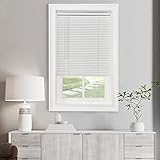
Cordless Light Filtering Mini Blinds for Indoor, 34 x 64 in, Pearl White
Cordless Light Filtering Mini Blind, 28 x 48 in, Pearl White

Window Blinds Cordless No Drill Cut to Size Clip On Stick On Self Adhesive Temporary Blinds Pleated Paper Blinds for Windows Doors Shades for Home Nursery Bedroom Kitchen Bathroom
This guide explains how the Room Blind Selector Quiz works, how to choose blinds by room, which blind styles are usually best for bedrooms, bathrooms, kitchens, living rooms, offices, nurseries, and patio doors, and when certain blind types make more sense than others. If you want to start browsing options right away, you can explore window blinds on Amazon.
How the Room Blind Selector Quiz Works
Our Room Blind Selector Quiz is designed to help you narrow down the best blind type for a specific room. It asks simple questions about your space and priorities, then compares popular blind styles based on how they usually perform.
The quiz looks at room type, light control needs, privacy level, style preference, moisture exposure, cleaning importance, budget, and window type. Based on your answers, it recommends a blind style that best matches your practical and design needs.
- Bedrooms often favour blackout blinds or softer decorative styles.
- Bathrooms and kitchens often favour moisture-friendly and easy-clean blinds.
- Living rooms may lean toward stylish blinds or layered setups.
- Offices often benefit from blinds with good glare control.
- Sliding doors and wider openings often work best with vertical blinds.
Why a Room-Based Blind Quiz Is Useful
Not every blind works equally well in every room. A blind that is perfect in a bathroom may not be the best choice for a living room, and a blind that looks great in a bedroom may be inconvenient in a kitchen.
A room-based blind quiz helps you avoid one of the most common mistakes people make: choosing the same blind style for every room without thinking about how each space is actually used.
- It helps match the blind to the room’s real function.
- It makes it easier to balance style with practicality.
- It helps narrow down options before you start shopping.
- It can save time and money by reducing poor blind choices.
How to Choose the Best Blinds for a Bedroom
Bedrooms usually need a mix of privacy, light control, and comfort. For many people, blackout blinds are one of the best choices because they help reduce light when sleeping. If you also want a softer or more decorative look, Roman blinds can be a strong option as well.
- Blackout blinds are ideal when sleep-friendly darkness matters.
- Roller blinds are simple and practical for many bedrooms.
- Roman blinds can work well when you want a softer, more decorative finish.
- A layered setup with blinds and curtains can be one of the best overall bedroom solutions.
To compare styles for bedrooms, browse bedroom blinds and blackout blinds for bedrooms.
How to Choose the Best Blinds for a Living Room
Living rooms often need a balance between light control and appearance. This is one of the rooms where style matters a little more, especially if the windows are a big visual feature in the space.
Roman blinds are often a strong living room option when you want a more decorative look. Roller blinds work well if you prefer something cleaner and more minimal. Venetian blinds can also be useful if adjustable daylight control matters.
- Roman blinds suit softer and more decorative living room designs.
- Roller blinds suit modern and minimal living rooms.
- Venetian blinds are useful when you want flexible light control.
- Layering blinds with curtains can create a more premium finished look.
If you are comparing living room options, take a look at living room blinds and Roman shades.
How to Choose the Best Blinds for a Kitchen
Kitchens need blinds that are practical, easy to clean, and able to handle daily use. In many kitchens, blinds perform better than softer window treatments because they are easier to maintain and less likely to hold onto cooking moisture or odours.
- Roller blinds are often a practical kitchen option.
- Faux wood blinds are popular because they feel sturdy and are easy to manage.
- Venetian blinds can also work well when light adjustment matters.
- Easy cleaning is often more important than softness in a kitchen.
For kitchen-friendly options, browse kitchen blinds and faux wood blinds.
How to Choose the Best Blinds for a Bathroom
Bathrooms are one of the easiest rooms to narrow down because moisture matters so much. This usually pushes the choice toward blinds that can handle humidity better.
Faux wood blinds are often one of the best bathroom blind choices because they offer a more substantial look while also coping better with moisture than many softer materials. Moisture-resistant roller blinds can also work well.
- Faux wood blinds are often a top bathroom choice.
- Moisture-resistant roller blinds can also work well.
- Privacy is usually very important in bathrooms.
- Easy cleaning and durability matter more than softness.
To compare bathroom options, browse bathroom blinds and bathroom faux wood blinds.
How to Choose the Best Blinds for a Home Office
Home offices usually need better glare control than most other rooms. If you spend time working on a screen, the ability to adjust daylight is often more important than decorative softness.
Venetian blinds are often a strong office choice because they let you control light direction throughout the day. Roller blinds are another strong option if you prefer a cleaner and simpler look.
- Venetian blinds are strong for glare control.
- Roller blinds suit clean and modern workspaces.
- Adjustable light matters more than softness in many offices.
- Privacy can also matter depending on your room location.
For office-friendly options, compare office blinds and Venetian blinds.
How to Choose the Best Blinds for a Nursery
Nurseries often need strong light control to help with naps and early bedtimes. That is why blackout blinds are commonly one of the strongest choices for this room.
Parents often choose blinds that support darkness, privacy, and a clean uncluttered look. Many people also pair nursery blinds with curtains for an extra layer of softness and insulation.
- Blackout blinds are often the best nursery choice.
- Roller blackout blinds are simple and practical.
- Layering with curtains can add softness and warmth.
- Sleep-friendly darkening is often the top priority.
To compare nursery options, browse nursery blackout blinds.
How to Choose the Best Blinds for Sliding Doors and Patio Doors
Sliding doors and patio doors usually need a different approach from standard windows. Wider openings often work best with blinds designed to move easily across a larger span.
Vertical blinds are one of the most practical options here because they suit wide openings and are easy to operate when the door is used often. Some roller blind setups may still work, but vertical blinds are usually the safer practical choice.
- Vertical blinds are often the best fit for sliding doors.
- They are practical for wide openings and regular use.
- They can offer useful light and privacy control.
- They are often easier to manage on patio doors than many other blind types.
For larger openings, compare vertical blinds for sliding doors.
Popular Blind Types the Quiz Commonly Recommends
Roller Blinds: Roller blinds are one of the most versatile blind types. They often suit modern homes, practical spaces, and rooms where you want a clean simple appearance. They are commonly recommended for bedrooms, kitchens, living rooms, and offices depending on the fabric used. You can compare different roller window blinds to explore common styles and features.
Roman Blinds: Roman blinds are often chosen when you want a softer or more decorative feel. They are particularly strong in bedrooms and living rooms where design matters more. If you want to browse options, take a look at Roman shades.
Venetian Blinds: Venetian blinds are useful when adjustable light control is important. They are often recommended for offices, kitchens, and rooms where you want more control over glare and privacy. You can compare different Venetian blinds to see the styles commonly available.
Vertical Blinds: Vertical blinds are often recommended for wider openings, patio doors, and sliding doors. They are practical and easy to operate on larger expanses of glass. You can browse vertical blinds for common options.
Blackout Blinds: Blackout blinds are especially useful in bedrooms, nurseries, and media-oriented spaces where strong light blocking matters. If blackout performance is a priority, compare blackout blinds.
Faux Wood Blinds: Faux wood blinds are often recommended for bathrooms, kitchens, and family spaces because they can be durable, practical, and better suited to moisture than some softer blind styles. You can browse faux wood blinds to compare popular choices.
If you want to compare categories directly, browse roller blinds, Roman shades, blackout blinds, vertical blinds, and faux wood blinds.
What Factors Matter Most When Choosing Blinds by Room?
The quiz focuses on the things that usually change the recommendation the most. These are the factors that often decide whether one blind type is a much better fit than another.
- Light control: Some rooms need blackout, others only need soft filtering.
- Privacy: Bathrooms and bedrooms usually need more privacy than living spaces.
- Moisture: Bathrooms and kitchens need more moisture-friendly materials.
- Cleaning: Practical rooms often need easier maintenance.
- Style: Some people want minimal and modern, others want softer and more decorative.
- Budget: Some blind types are more affordable, while others feel more premium.
- Window type: Sliding doors and wide windows often need different solutions from small standard windows.
Common Mistakes People Make When Choosing Blinds for Different Rooms
One of the biggest mistakes is assuming the same blind style will work equally well everywhere. In reality, different rooms have different demands.
- Choosing decorative blinds in a bathroom without considering moisture.
- Choosing basic light-filtering blinds in a bedroom that really needs blackout.
- Ignoring glare control in a home office.
- Picking a soft-looking style for a kitchen without thinking about cleaning.
- Using a standard blind type on a sliding door when a vertical blind would be more practical.
- Choosing only by appearance without thinking about how the room is actually used.
How to Use the Room Blind Selector Quiz Properly
To get the best results, answer the questions based on how the room really functions. Think about how much light enters, how much privacy you need, whether the room gets humid, how often the blinds will need cleaning, and what kind of atmosphere you want.
- Choose the actual room type, not just the room style you like.
- Be honest about how important privacy and blackout really are.
- Think about cleaning and moisture, especially in kitchens and bathrooms.
- Use the result as a guide to narrow your options, not as an absolute rule.
Room Blind Selector Quiz FAQ
What is the best blind type for a bedroom?
For many bedrooms, blackout blinds are one of the best options because they support better darkness and privacy. Roman blinds can also work well when you want a softer decorative look.
What blinds are best for bathrooms?
Faux wood blinds are often one of the strongest bathroom choices because they handle moisture better than many softer materials. Moisture-resistant roller blinds can also work well.
What blinds are best for kitchens?
Roller blinds, faux wood blinds, and some Venetian blinds are often good kitchen options because they are practical and easier to clean than softer treatments.
What is the best blind for a sliding door?
Vertical blinds are often one of the best choices for sliding doors and patio openings because they are practical for wider spans and frequent use.
Can one blind style work throughout the whole house?
It can, but it is not always the best choice. Different rooms often have different needs, so a room-based blind recommendation usually gives a better result overall.
Final Thoughts
A Room Blind Selector Quiz is useful because it helps you choose blinds based on how each room is actually used, not just on looks alone. Bedrooms often need blackout performance, bathrooms and kitchens often need practical moisture-friendly options, offices often need glare control, and larger doors often need vertical blinds. By matching the blind type to the room, you can usually get better light control, better durability, and a better overall result.
Cordless Light Filtering Mini Blinds for Indoor, 34 x 64 in, Pearl White
Cordless Light Filtering Mini Blind, 28 x 48 in, Pearl White