
If you are using a blind cost estimator, the goal is simple: get a rough idea of how much your blinds may cost before you start shopping. A good estimator helps you compare blind types, materials, sizes, installation options, and upgrades so you can budget more confidently before you buy.
Blind Cost Estimator
Estimate the cost of your blinds based on size, blind type, quantity, installation, and optional upgrades.
Your Estimated Cost
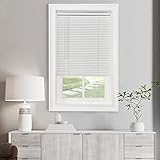
Cordless Light Filtering Mini Blinds for Indoor, 34 x 64 in, Pearl White | Cordless Lift and Light-Filtering Control: Slat-Based Blind Construction with Adjustable Light Control.

LOTUS & WINDOWARE Cordless Faux Wood Blinds, 35" Wide x 60" Long, Smooth, Snow White, 2 Inch Horizontal Blinds – for Living Room, Bedroom, Interior Door Windows
This guide explains how a blind cost estimator works, what affects the cost of blinds, how to estimate blind pricing by size, when custom blinds cost more, how installation changes the total, and what upgrades can raise or lower the final price. If you want to compare common styles while you read, you can browse window blinds on Amazon.
How Our Blind Cost Estimator Works
Our blind cost estimator uses the width and height you enter, along with the blind type, finish level, quantity, and optional extras, to give you an estimated total. It is not meant to replace a final quote from a supplier, but it gives you a helpful pricing range before you start comparing products.
Most blind costs are affected by size first. Larger blinds usually cost more because they use more material and may require stronger hardware. Then the price changes again depending on the type of blind, the material quality, whether you want professional installation, and whether you add upgrades like a fascia, valance, blackout fabric, or motorisation.
- Size affects material usage and base pricing.
- Blind type changes the price because some styles are simpler and some are more premium.
- Material and finish levels affect the cost per blind.
- Installation and extra services can add to the total order value.
- Bulk discounts may reduce the total when ordering several blinds.
What Affects the Cost of Blinds?
The final cost of blinds depends on more than just the width and drop. Some blinds are budget-friendly and simple to install, while others are more expensive because of the fabric, lift system, custom sizing, or finish level.
Blind Type
Roller blinds are often among the more affordable choices, while Roman blinds, blackout systems, and motorised blinds can cost more. If you want to compare styles, check roller blinds, Roman shades, and motorized blinds.
Blind Size
Larger blinds usually cost more because they need more fabric, more slats, or heavier-duty hardware. Wide blinds and tall blinds can also cost more to ship or install.
Material Quality
Standard finishes are usually the most budget-friendly. Premium fabrics, designer textures, blackout linings, and luxury finishes can all increase the cost. If you want to compare material-driven styles, browse faux wood blinds and blackout blinds.
Installation
DIY installation saves money, but professional installation adds labour cost. Some homeowners prefer pro installation for wider blinds, heavier materials, or multi-window jobs.
Optional Extras
- Valances or fascias
- Blackout lining
- Cordless controls
- Motorisation
- Measuring service
- Premium brackets or hardware
Cordless Light Filtering Mini Blinds for Indoor, 34 x 64 in, Pearl White | Cordless Lift and Light-Filtering Control: Slat-Based Blind Construction with Adjustable Light Control.
LOTUS & WINDOWARE Cordless Faux Wood Blinds, 35" Wide x 60" Long, Smooth, Snow White, 2 Inch Horizontal Blinds – for Living Room, Bedroom, Interior Door Windows
How to Estimate Blind Cost by Size
Blind cost estimators usually start with size because square area gives a quick way to estimate how much material each blind needs. While not every supplier prices blinds exactly the same way, bigger blinds almost always cost more than smaller ones.
For example, a small bathroom blind may be much cheaper than a large living room blind or patio door blind. This is especially true when you move into Roman blinds, vertical blinds, or motorised systems.
- Small blinds usually have lower starting prices.
- Medium blinds often sit in the most common retail price range.
- Large or oversized blinds can increase quickly in price.
- Very wide blinds may require upgraded hardware or a different product type.
How Blind Type Changes the Price
Roller Blinds: Roller blinds are usually one of the most affordable and practical options for many rooms. Pricing can rise if you choose blackout fabric, premium textures, or cordless designs. You can compare roller window blinds for a general idea of what is available.
Roman Blinds: Roman blinds often cost more than basic roller blinds because they use more fabric and have a more decorative construction. They are popular in bedrooms, dining rooms, and living rooms where appearance matters more.
Venetian Blinds: Venetian blinds are available in many price levels depending on material. Vinyl or aluminium styles may be more affordable, while wood or faux wood styles can cost more. Compare Venetian blinds and wood blinds to see the pricing difference in style categories.
Vertical Blinds: Vertical blinds are often used for patio doors, wide windows, and large openings. Because they cover more width, the final price can rise based on track size and installation complexity.
Motorized Blinds: Motorized blinds are usually among the most expensive options because they include motors, power systems, and sometimes remote or smart-home controls. If you are considering them, compare smart blinds and remote control blinds.
What Standard Blinds Usually Cost
Ready-made blinds are often less expensive than custom blinds because they are sold in standard sizes and manufactured in higher volume. If your window fits a standard size well, you may be able to save money by choosing a ready-made option instead of ordering a made-to-measure blind.
- Budget blinds are often basic roller, vinyl, or aluminium options.
- Mid-range blinds may include better fabrics, cordless features, or faux wood finishes.
- Premium blinds may include designer materials, blackout construction, or motorisation.
To compare common ready-made products, browse ready-made window blinds.
What Custom Blinds Cost
Custom blinds usually cost more than standard blinds because they are made to your exact size and often offer more fabric, finish, and control options. They are especially useful when your windows are unusually wide, unusually tall, or between standard sizes.
Custom pricing can rise because of manufacturing adjustments, exact sizing, premium materials, and longer lead times. Even so, custom blinds can be worth it when fit and finish matter most.
- Custom blinds are often more precise in fit.
- They usually cost more than ready-made options.
- They may have fewer return options because they are made to order.
- They are often the better choice for unusual window sizes.
How Installation Affects Blind Cost
Installation is one of the easiest costs to overlook. Some people budget only for the blind itself and forget that installation, measuring, and adjustments can add to the final total.
If you are comfortable with basic tools, DIY installation can save money. If not, professional installation may be worth the added cost, especially for larger blinds or whole-home projects. Basic installation tools can include a drill driver, a level tool, and a steel tape measure.
- DIY installation reduces labour cost.
- Professional installation adds convenience and accuracy.
- Measuring services may be charged separately.
- Difficult windows or large orders can raise installation costs.
What Upgrades Increase the Price of Blinds?
Many blind buyers start with a simple product, then increase the final cost by choosing upgrades. These extras can improve function or appearance, but they also increase the budget.
- Blackout lining
- Cordless lift systems
- Premium fabric or textured material
- Wood or faux wood finishes
- Motorisation
- Decorative valances or fascias
- Smart-home integration
If you are comparing upgraded products, look through cordless blinds, room darkening shades, and window blind valance options.
How to Use a Blind Cost Estimator the Right Way
A blind cost estimator is most useful when you already know your approximate window measurements and have a basic idea of which blind style you want. The more accurate your starting information is, the more realistic your estimate will be.
- Measure your windows carefully before entering sizes.
- Choose the correct blind type.
- Be realistic about whether you want standard or premium materials.
- Include installation if you are not doing it yourself.
- Add optional upgrades only if you genuinely want them.
- Use the estimate as a guide, not a final invoice.
Common Mistakes When Estimating Blind Costs
Many people underestimate blind costs because they focus only on the base product and forget the extras. A simple blind quote can grow quickly once additional windows, upgrades, or installation are added.
- Forgetting to include quantity
- Ignoring installation or measuring fees
- Choosing premium materials without adjusting the budget
- Assuming custom blinds will cost the same as ready-made blinds
- Leaving out accessories or upgrade charges
- Not checking whether wider blinds have higher hardware costs
Should You Buy Budget, Mid-Range, or Premium Blinds?
The best price level depends on the room, your style goals, and how long you want the blinds to last. Not every room needs the most expensive option.
Budget Blinds
- Good for rentals, utility rooms, and simple everyday use
- Usually lower-cost materials and simpler finishes
- Best when price matters most
Mid-Range Blinds
- Often the best balance of price and quality
- Good for bedrooms, kitchens, and living rooms
- Usually offer better finishes and more features
Premium Blinds
- Best for design-focused spaces or luxury homes
- Can include premium fabrics, wood finishes, blackout systems, or motorisation
- Usually the highest cost tier
Blind Cost Estimator FAQ
How accurate is a blind cost estimator?
A blind cost estimator is meant to give you a helpful pricing guide, not an exact quote. Final prices may change based on brand, material, hardware, custom sizing, and local installation charges.
Do larger blinds always cost more?
In most cases, yes. Larger blinds usually need more material and sometimes stronger hardware, which increases the price.
Are motorized blinds worth the extra cost?
They can be worth it if convenience, smart-home control, or hard-to-reach windows matter to you. They usually cost more than manual blinds, so they are often chosen for premium spaces or specific needs.
Is it cheaper to install blinds yourself?
Yes, DIY installation can reduce labour cost. However, professional installation may be worthwhile for large blinds, difficult windows, or multi-room projects.
Are custom blinds more expensive than ready-made blinds?
Usually yes. Custom blinds tend to cost more because they are manufactured to your exact measurements and often come with more finish and control options.
Final Thoughts
A blind cost estimator is a practical way to plan your budget before shopping. It helps you see how size, blind type, material, installation, and upgrades all work together to shape the final cost. Whether you are buying one blind or outfitting several rooms, using an estimator first can make the whole process easier, clearer, and less expensive in the long run.
Cordless Light Filtering Mini Blinds for Indoor, 34 x 64 in, Pearl White | Cordless Lift and Light-Filtering Control: Slat-Based Blind Construction with Adjustable Light Control.