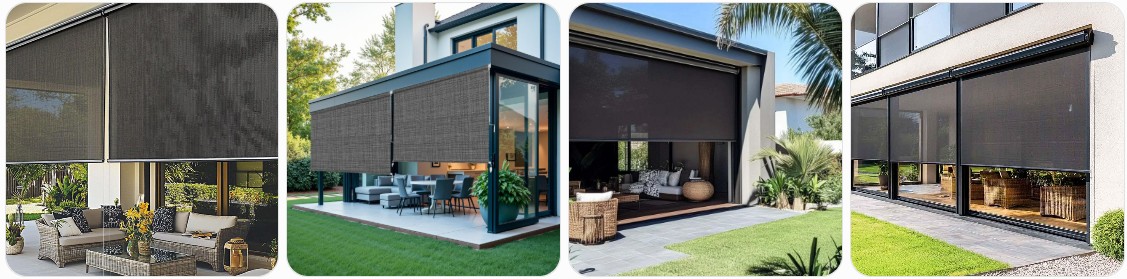
Outdoor blinds are one of the best upgrades for patios, balconies, decks, pergolas, porches, verandas, outdoor kitchens, and café-style spaces. They help block harsh sun, reduce glare, add privacy, and make outdoor areas more comfortable in changing weather. This guide explains what outdoor blinds are, how they work, where to buy them, what they cost, and what to check before ordering.
- Table of Contents:
- Outdoor Blinds At a Glance
- What Are Outdoor Blinds? How Outdoor Blinds Work?
- Outdoor Blinds Pros and Cons
- Outdoor Blinds Cost
- Where to Buy Outdoor Blinds Online
- How to Find Outdoor Blinds Stores Near You
- What to Check Before Buying Outdoor Blinds
- Outdoor Blinds Installation Options
- FAQ About Outdoor Blinds
Outdoor Blinds At a Glance
- Best for: Patios, porches, balconies, pergolas, decks, verandas, gazebos, outdoor kitchens, sunrooms, cafés, restaurants, and exposed seating areas.
- Main purpose: Outdoor blinds help manage sunlight, glare, privacy, wind, rain splash, dust, insects, and outdoor comfort.
- Common materials: PVC, clear vinyl, mesh fabric, sunscreen fabric, HDPE shade cloth, acrylic fabric, polyester, canvas, bamboo, and weather-resistant woven materials.
- Popular styles: Roll-up outdoor blinds, crank-operated outdoor roller blinds, zip-track blinds, café blinds, bamboo outdoor blinds, patio sun shades, motorized outdoor blinds, and retractable patio screens.
- Typical price range: Basic ready-made outdoor blinds may start around $30 to $80 per panel, while larger custom outdoor blinds can cost $200 to $1,500+ each depending on size, fabric, hardware, and installation.
- DIY difficulty: Simple roll-up shades are usually beginner-friendly, but heavy zip-track, motorized, or wide patio blinds are better suited to professional installation.
- Biggest buying mistake: Choosing an indoor blind or light-duty shade for an exposed outdoor area where wind, rain, UV, and mounting strength matter more.
- Best value choice: A weather-resistant outdoor roller shade or mesh patio blind with UV protection, rust-resistant hardware, and strong tie-downs or guide wires.
What Are Outdoor Blinds? How Outdoor Blinds Work?
What Are Outdoor Blinds?
Outdoor blinds are weather-resistant window or patio coverings designed for exterior spaces. Unlike regular indoor blinds, they are made to handle sunlight, moisture, outdoor airflow, dust, and occasional weather exposure. They are commonly installed around patios, pergolas, verandas, porches, balconies, gazebos, outdoor kitchens, restaurants, cafés, and poolside seating areas.
The main job of outdoor blinds is to make an outside area more usable. They can block strong afternoon sun, reduce heat buildup, cut glare from reflective surfaces, improve privacy from neighbors, and shield furniture from UV exposure. Some outdoor blinds are also used as windbreaks or rain shields, especially clear PVC café blinds and zip-track outdoor blinds.
Outdoor blinds are a specialist blind type, and you can compare them with related blind styles on the Outdoor Blinds category page. They overlap with patio shades, exterior roller blinds, outdoor sun shades, bamboo porch blinds, café blinds, and retractable outdoor screens, but the best option depends on how exposed your space is and what you want the blind to do.
For example, if you want shade and airflow, a mesh outdoor blind is usually better than solid PVC. If you want rain and wind protection while still keeping the view, clear PVC café blinds may be more suitable. If you want a premium built-in look for a pergola or restaurant space, zip-track outdoor blinds or motorized outdoor screens may be the better long-term choice.
How Outdoor Blinds Work?
Outdoor blinds work by lowering a weather-resistant panel over an open side of a patio, porch, balcony, or outdoor structure. The panel may roll around a top tube, slide inside side tracks, hang from a rail, fold upward, or tie down at the bottom depending on the style. Once lowered, the blind creates a barrier between the outdoor space and sun, wind, glare, rain splash, or outside views.
Most outdoor blinds use one of these operating systems:
- Manual roll-up system: The blind rolls up by hand and is held with straps, clips, or cords. This is common with bamboo outdoor blinds and simple patio shades.
- Crank-operated system: A hand crank turns the roller tube, raising or lowering the blind smoothly. This is common on heavier outdoor roller blinds.
- Spring-loaded roller system: The blind uses a spring mechanism to help lift and retract the fabric.
- Guide wire system: Side wires help keep the blind steady and reduce movement in light wind.
- Zip-track or side-channel system: The fabric edges run inside vertical tracks, giving better wind control and a cleaner sealed appearance.
- Motorized system: A motor raises and lowers the outdoor blind by remote, wall switch, app, or smart-home control.
The fabric or material also changes how outdoor blinds work. Mesh sunscreen fabric reduces glare and UV exposure while still allowing airflow and some outward visibility. Clear PVC blocks more wind and rain but can trap heat and may need more cleaning. Bamboo and woven shades give a natural look and partial shade, but they are not usually the best choice for heavy rain or strong wind. Heavy-duty acrylic or polyester outdoor fabrics offer stronger shade and privacy but may block more of the view.
For shopping, you can compare related options such as outdoor roller blinds, outdoor patio shades, and clear PVC outdoor blinds before choosing a specific style.

Outdoor Roller Shade,Patio Blind Roll Up Shade Exterior Cordless-10'W x 8'H

Artpuch Outdoor Roller Shade 8' W x 8' H, Mocha Exterior Cordless Patio Shades Roll Up Blinds with Spliced Pole Design, (2 Poles, One-Piece Fabric)
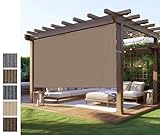
Outdoor Roller Shades,Exterior Cordless Patio Shade Roll Up Blind for Porch
Outdoor Blinds Pros and Cons
Pros of Outdoor Blinds
- Improves outdoor comfort: Helps make patios, balconies, and pergolas more usable in strong sun or breezy conditions.
- Reduces glare: Useful for outdoor dining areas, patio seating, poolside spaces, and outdoor TV areas.
- Adds privacy: Blocks views from neighbors, streets, sidewalks, nearby buildings, and shared outdoor areas.
- Helps protect furniture: Reduces direct UV exposure on outdoor sofas, cushions, rugs, tables, and flooring.
- Can reduce heat: Exterior shade helps stop sunlight before it reaches windows, walls, or patio doors.
- Flexible coverage: You can roll them down when needed and retract them when you want open air and full view.
- Many style choices: Available in mesh, PVC, fabric, bamboo, striped patio shade, clear café blind, and motorized designs.
- Good for entertaining: Makes outdoor dining and sitting areas feel more sheltered and usable.
- Can increase usable living space: A covered patio with blinds can feel like an extra semi-enclosed room.
- Available in budget and premium options: You can buy simple ready-made shades or invest in custom outdoor blind systems.
Cons of Outdoor Blinds
- Wind can be a problem: Light-duty blinds may flap, twist, tear, or pull loose in strong wind.
- Not all are waterproof: Some outdoor blinds are shade products only, not rain-blocking products.
- Custom sizes cost more: Wide patio openings and pergolas often require made-to-measure blinds.
- Installation can be harder: Brick, concrete, steel, uneven posts, and high mounting points may need special tools.
- Requires cleaning: Outdoor blinds collect dust, pollen, water spots, mildew, bird droppings, and debris.
- Clear PVC can scratch or cloud: It may lose clarity over time if folded, cleaned harshly, or exposed to extreme weather.
- Cheap hardware may rust: Outdoor use requires stainless steel, powder-coated, aluminum, or corrosion-resistant fittings.
- May block airflow: Solid fabric or PVC blinds can make the area warmer if ventilation is poor.
- Return policies can be limited: Custom outdoor blinds are often non-returnable once made to size.
- May need seasonal removal: In storm-prone or snowy areas, some blinds should be rolled up, removed, or protected during harsh seasons.
Outdoor Blinds Cost: What Price Should You Expect?
Outdoor blinds can range from inexpensive ready-made patio shades to premium custom-built exterior shading systems. The final price depends on size, material, mounting style, wind rating, operating system, hardware quality, and whether you install them yourself or hire a professional. If you are comparing sizes and installation options, you can use a blind cost estimator to get a rough budget before ordering.
For basic ready-made outdoor blinds, expect prices to start around $30 to $80 for smaller roll-up bamboo, woven, or simple fabric patio shades. Mid-range outdoor roller shades usually cost around $80 to $250 per blind, especially for UV-resistant mesh fabric, cordless controls, crank operation, or larger sizes. Heavy-duty clear PVC café blinds and weatherproof patio blinds often fall around $100 to $400 per panel depending on width, thickness, and hardware.
Custom outdoor blinds are usually more expensive. A made-to-measure outdoor roller blind may cost around $200 to $700 per opening. Zip-track outdoor blinds, side-channel systems, and premium pergola blinds can cost around $500 to $1,500+ per blind, especially for large spans, commercial-grade fabric, wind-resistant tracks, powder-coated frames, or motorized operation.
Professional installation may add around $100 to $500+ per blind depending on the project. Simple patio shade installation is cheaper, while large zip-track or motorized blinds cost more because they require accurate measuring, strong anchoring, alignment, electrical setup, and adjustment. For a full patio or pergola with multiple sides, the total installed cost can range from a few hundred dollars to several thousand dollars.
As a rough guide, budget around:
- $30 to $100: Basic roll-up outdoor shade, bamboo shade, or small ready-made patio blind.
- $100 to $300: Better quality outdoor roller shade, mesh patio blind, or clear PVC café blind.
- $300 to $800: Larger outdoor blind, custom size, crank operation, or heavier-duty fabric.
- $800 to $1,500+: Premium zip-track blind, motorized outdoor blind, commercial patio blind, or large custom opening.
- $1,500 to $5,000+: Multiple custom blinds for a full patio, pergola, restaurant frontage, or outdoor entertainment area.
Where to Buy Outdoor Blinds Online
Amazon is a good place to start if you want ready-made outdoor blinds, patio shades, balcony privacy screens, bamboo porch blinds, sun-blocking roller shades, and basic outdoor shade products. It is especially useful when you need a quick DIY option in a common size. Search carefully by material and use case because “outdoor blinds” can include mesh shades, roll-up blinds, privacy screens, reed shades, clear patio panels, and sun shades.
When buying outdoor blinds from Amazon, pay close attention to the product title and specifications. Look for words like outdoor-rated, UV-resistant, weather-resistant, waterproof, rust-resistant hardware, tie-downs, crank operation, and patio shade. Also check whether the blind is meant for a covered patio only or an exposed outdoor structure. Some products are fine for shade but not built for heavy rain or strong wind.
For budget patio setups, compare outdoor blinds for patio, roll-up outdoor blinds, and outdoor sun shade blinds. For a more natural look, bamboo or reed shades can work well in covered spaces, but they are usually better for shade and privacy than for rain protection.
Find Outdoor Blinds from Amazon »
Outdoor Roller Shade,Patio Blind Roll Up Shade Exterior Cordless-10'W x 8'H
Artpuch Outdoor Roller Shade 8' W x 8' H, Mocha Exterior Cordless Patio Shades Roll Up Blinds with Spliced Pole Design, (2 Poles, One-Piece Fabric)
Outdoor Roller Shades,Exterior Cordless Patio Shade Roll Up Blind for Porch
eBay can be useful if you are looking for discounted outdoor blinds, replacement panels, patio shade parts, used commercial blinds, discontinued sizes, or sellers offering custom outdoor blind options. It may also be a good place to compare prices on clear PVC café blinds, outdoor roller shades, crank handles, brackets, guide wires, tie-down clips, and other parts used in outdoor blind systems.
When buying outdoor blinds from eBay, check seller ratings, shipping costs, item condition, return policy, and whether the listing is for one blind, one panel, a replacement fabric, or a full kit with brackets and hardware. Outdoor blinds can be bulky, so shipping can change the real cost. Also confirm the measurements, drop length, fabric color, openness level, mounting method, and whether installation hardware is included.
Find Outdoor Blinds from eBay »
- The Home Depot – Good for outdoor roller shades, patio sun shades, bamboo shades, and DIY-friendly mounting hardware.
- Lowe’s – Useful for comparing outdoor shades, roll-up patio blinds, porch shades, and seasonal outdoor living products.
- Wayfair – Good for decorative patio shades, outdoor privacy blinds, bamboo-style blinds, and shade products in different colors and sizes.
- Blinds.com – Best for comparing custom blind options, measuring guides, and made-to-order window covering solutions.
How to Find Outdoor Blinds Stores Near You
Finding outdoor blinds locally is a smart idea if you need accurate measuring, custom sizing, wind-resistant hardware, or professional installation. Outdoor blinds are less forgiving than indoor blinds because they must be mounted securely and exposed to real weather conditions. A local supplier can inspect your patio, balcony, pergola, or outdoor frame and recommend the right fabric, brackets, tracks, and control system for your climate.
Start by searching for outdoor blind stores, patio shade installers, awning companies, window treatment shops, and exterior shading specialists in your area. You can also use a local blind shopping guide such as where to buy window blinds near you to compare online and local buying options before deciding where to order.
When searching locally, try terms like:
- Outdoor blinds near me
- Patio blinds near me
- Outdoor roller shades near me
- Zip track blinds near me
- Café blinds near me
- Pergola blinds installer near me
- Exterior blinds installer near me
- Custom outdoor blinds near me
Before visiting a store or requesting a quote, take photos of the area you want to cover. Include the full opening, side posts, ceiling or beam, floor area, nearby walls, and any obstacles such as lights, fans, gutters, railings, doors, steps, or outdoor furniture. Measure the approximate width and height, but let the installer take final measurements if you are ordering custom blinds.
Local stores are especially helpful when the outdoor area is wide, windy, uneven, high off the ground, or exposed to rain. They can recommend whether you need guide wires, bottom locks, zip tracks, heavier fabric, stainless hardware, or a motorized system. They can also tell you whether your structure is strong enough to hold outdoor blinds safely.
What to Check Before Buying Outdoor Blinds
- Outdoor rating: Make sure the blind is specifically made for outdoor use, not just a regular indoor roller blind advertised as a patio shade.
- Material type: Choose mesh for shade and airflow, PVC for weather blocking, bamboo for natural style, or acrylic/polyester fabric for stronger coverage.
- UV protection: Look for UV-resistant materials if the blind will face strong sun for several hours a day.
- Water resistance: Check whether the blind is water-resistant, waterproof, or only suitable for covered outdoor areas.
- Wind performance: Outdoor blinds need tie-downs, guide wires, side channels, or zip tracks if the area gets wind.
- Mounting surface: Confirm whether you are installing into wood, brick, concrete, metal, stucco, vinyl, or an existing pergola frame.
- Hardware quality: Choose rust-resistant brackets, stainless steel screws, powder-coated parts, aluminum components, or outdoor-grade hardware.
- Correct width: Measure the opening carefully and decide whether the blind should fit inside the frame, outside the frame, or overlap the opening.
- Correct drop: The drop length must reach low enough for shade and privacy without dragging on the ground.
- Operation style: Decide between hand roll-up, crank, spring roller, chain, cordless, motorized, or track-guided operation.
- Visibility: Mesh blinds allow more outward visibility, while solid fabric and bamboo provide more privacy but less view.
- Airflow: Solid PVC or heavy fabric may block airflow, which can make the patio warmer in hot climates.
- Cleaning needs: Clear PVC shows water marks and dust more easily; mesh and fabric may need brushing or gentle washing.
- Color choice: Darker colors may reduce glare and improve view-through, while lighter colors can feel brighter and reflect more heat.
- Privacy level: Some mesh blinds give daytime privacy but may not provide the same privacy at night when lights are on behind them.
- Warranty: Check warranty coverage for fabric fading, stitching, hardware, motor, track system, and outdoor exposure.
- Return policy: Ready-made blinds may be returnable, but custom outdoor blinds are often final sale.
- Storm safety: If your area gets storms, high wind, snow, or hurricanes, ask whether the blinds should be rolled up or removed during severe weather.
- Building rules: Apartments, condos, HOAs, and rental properties may restrict exterior blinds, colors, drilling, or balcony attachments.
- Installation skill: Large, heavy, or track-guided outdoor blinds need accurate installation to work smoothly and safely.
Outdoor Blinds Installation Options: DIY vs Professional Fitting

Cutelec 2pcs Box Mounting Bracket for Low Profile Horizontal Blinds with 1-3/4" x 2 1/2" Headrail - White Color

Jetec 6 Pieces Mini Blind Brackets for Window Blinds,1.18x1.18 Inch
Outdoor blinds can be installed as a DIY project or fitted by a professional, depending on the blind type, size, mounting surface, and exposure level. Simple roll-up patio shades are usually manageable for homeowners with basic tools. Large outdoor blinds, zip-track systems, motorized blinds, and café blinds across wide openings are usually better installed by a professional.
DIY installation is best for lightweight outdoor shades, bamboo porch blinds, simple crank patio shades, and standard-size blinds that include clear brackets and instructions. A DIY installation can save money, especially if you are covering a small balcony, shaded porch, or covered patio. You will usually need a tape measure, pencil, drill, level, screws, anchors, ladder, and sometimes masonry bits if you are mounting into brick or concrete.
DIY outdoor blind installation usually involves marking bracket positions, drilling pilot holes, fixing brackets securely, placing the blind or roller tube into the brackets, testing the operation, and attaching bottom hold-downs or tie-down clips. The most important part is making sure the brackets are level and strong enough. If the blind is mounted crooked, it may roll unevenly, pull to one side, or wear out faster.
Professional fitting is the better choice when the blinds are expensive, custom-made, heavy, wide, installed high above the ground, or exposed to wind. A professional installer can check the structure, choose the correct anchors, align tracks, tension guide wires, set bottom locks, and make sure the blind runs smoothly. For motorized outdoor blinds, professional installation may also be needed for wiring, power supply placement, remote setup, or smart-home integration.
Here is a simple comparison:
- Choose DIY if: The blind is lightweight, ready-made, low-cost, mounted on wood, installed at an easy height, and used mainly for shade.
- Choose professional fitting if: The blind is custom, wide, heavy, zip-track, motorized, mounted into masonry, or used in a windy exposed area.
- DIY cost: Usually $0 to $50 extra if you already have tools, or around $20 to $100 for basic drill bits, anchors, screws, and installation supplies.
- Professional installation cost: Often around $100 to $500+ per blind depending on size, complexity, location, and hardware.
- Best middle option: Measure yourself for basic shades, but use professional measuring and installation for expensive custom outdoor blinds.
For the strongest result, always mount outdoor blinds into a secure frame, beam, wall, or post. Avoid attaching heavy blinds only to thin trim, weak fascia, fragile cladding, or unsupported decorative surfaces. Outdoor blinds catch wind, so the mounting points must be much stronger than what you would use for a lightweight indoor blind.
FAQ About Outdoor Blinds
Are outdoor blinds waterproof?
Some outdoor blinds are waterproof, but not all of them. Clear PVC café blinds and some coated fabrics can block rain better, while mesh patio shades are usually designed more for sun, glare, and airflow than full rain protection.
What type of outdoor blinds are best for windy areas?
Zip-track outdoor blinds, side-channel blinds, and blinds with strong guide wires or bottom locking systems are usually better for windy areas. Lightweight roll-up shades can flap or become damaged if used in strong wind.
Can outdoor blinds reduce heat?
Yes, outdoor blinds can reduce heat by blocking sunlight before it reaches the patio, window, door, or wall. Mesh sunscreen fabric and exterior roller shades are especially useful for reducing glare and heat while still allowing airflow.
Are clear PVC outdoor blinds good?
Clear PVC outdoor blinds are good when you want wind and rain protection without completely blocking the view. They work well for cafés, patios, and verandas, but they can show scratches, water marks, and clouding over time if not cleaned carefully.
Can I install outdoor blinds myself?
You can install simple roll-up outdoor blinds yourself if the blind is lightweight and the mounting surface is easy to drill into. For large, heavy, custom, zip-track, or motorized outdoor blinds, professional installation is usually the safer choice.
How much do outdoor blinds cost?
Basic outdoor blinds can cost around $30 to $100 each, while mid-range patio blinds often cost $100 to $300. Custom outdoor blinds, zip-track systems, and motorized blinds can cost $500 to $1,500+ per blind depending on size and installation.
What is the best material for outdoor blinds?
The best material depends on your goal. Mesh fabric is best for shade, airflow, and glare control. Clear PVC is best for visibility with weather protection. Acrylic or coated polyester fabric is good for stronger shade and privacy. Bamboo is best for a natural look in covered areas.
Do outdoor blinds block rain?
Some outdoor blinds can block light rain and rain splash, especially clear PVC and properly fitted café blinds. However, many outdoor shades are not designed as full weatherproof walls, and water may still enter around sides, gaps, tracks, or the bottom edge.
Do outdoor blinds need side tracks?
Side tracks are not always required, but they are helpful for wind control, better sealing, and a neater finish. If your outdoor area is exposed or you want a more premium result, side tracks or zip tracks are usually worth considering.
Can outdoor blinds be motorized?
Yes, many outdoor blinds can be motorized. Motorized outdoor blinds are useful for large patios, pergolas, high openings, restaurants, and smart-home setups. They cost more but are easier to operate, especially when several blinds are installed together.
Are outdoor blinds good for privacy?
Yes, outdoor blinds can improve privacy from neighbors, streets, and nearby buildings. Solid fabric and bamboo provide stronger privacy, while mesh blinds usually provide better daytime privacy than nighttime privacy when lights are on behind them.
How do you clean outdoor blinds?
Most outdoor blinds can be cleaned with a soft brush, mild soap, and water. Avoid harsh chemicals, abrasive pads, and pressure washers unless the manufacturer says they are safe. Clear PVC should be cleaned gently to avoid scratches and clouding.
Can outdoor blinds stay down in storms?
Most outdoor blinds should not stay down during severe storms, high winds, hurricanes, or heavy snow unless they are specifically rated for those conditions. Rolling them up or securing them according to the manufacturer’s instructions can prevent damage.
Are bamboo outdoor blinds weatherproof?
Bamboo outdoor blinds are usually better for shade, privacy, and decoration than heavy weather protection. They can work well in covered patios and porches, but prolonged rain and moisture may cause fading, warping, mildew, or faster wear.
What is the difference between outdoor blinds and outdoor shades?
The terms are often used interchangeably. Outdoor shades usually focus on sun and glare reduction, while outdoor blinds may include heavier systems for privacy, wind control, rain protection, and patio enclosure.
Summary
Outdoor blinds are a practical way to make patios, balconies, decks, pergolas, verandas, and outdoor seating areas more comfortable. They can provide shade, privacy, UV protection, glare reduction, wind control, and light weather protection depending on the material and system you choose. Basic outdoor roll-up shades are affordable and DIY-friendly, while custom zip-track, clear PVC, and motorized outdoor blinds cost more but provide stronger performance and a more finished look.
Before buying, check the material, size, mounting surface, wind exposure, hardware quality, operating system, and warranty. For simple covered patios, ready-made outdoor blinds from Amazon, eBay, Home Depot, Lowe’s, or Wayfair may be enough. For large openings, exposed areas, restaurants, or pergolas, a local outdoor blinds installer can help measure accurately and recommend a stronger custom system.

60 PCS Vertical Blind Repair Tabs Kit Clear Fixer Verticle Blinds Snap in Replacement Slats Parts Panels
SOGEWO (16 Set/32 Pieces) Clear Vertical Blind Repair Tabs, Vertical Blinds tabs/Blind Fixers for Vertical Blinds Replacement Slats & Parts
