
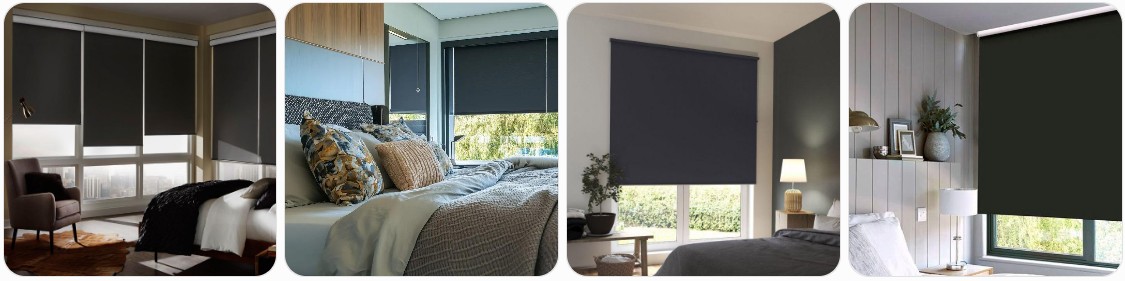
Blackout blinds are one of the best window-covering choices when you want serious light control, privacy, and a darker room for sleeping, working, or watching TV. This guide explains what blackout blinds are, how they work, what they cost, where to buy them online, how to find local stores, and what to check before ordering.
- Table of Contents:
- Blackout Blinds At a Glance
- What Are Blackout Blinds? How Blackout Blinds Work?
- Blackout Blinds Pros and Cons
- Blackout Blinds Cost
- Where to Buy Blackout Blinds Online
- How to Find Blackout Blinds Stores Near You
- What to Check Before Buying Blackout Blinds
- Blackout Blinds Installation Options
- FAQ About Blackout Blinds
Blackout Blinds At a Glance
- Best for: Bedrooms, nurseries, media rooms, night-shift sleepers, rental rooms, offices, and any space where you want to block strong sunlight.
- Main benefit: Blackout blinds reduce incoming light much more effectively than standard light-filtering blinds.
- Common styles: Blackout roller blinds, blackout cellular shades, blackout Roman blinds, blackout vertical blinds, and cassette blackout systems.
- Typical price range: Around $20 to $80 per ready-made blind, $80 to $250+ for custom blackout blinds, and $150 to $500+ per window for premium or professionally fitted systems.
- Installation difficulty: Many standard blackout roller blinds are DIY-friendly, but wide windows, skylights, cassette systems, and motorized blackout blinds may be better fitted by a professional.
- Biggest buying mistake: Choosing blackout fabric but ignoring side gaps, recess depth, measurement accuracy, and mounting style.
- Best mount for darkness: Outside mount or cassette side-channel blackout blinds usually block more edge light than a simple inside-mount blind.
- Good upgrade options: Cordless lift, thermal backing, side tracks, motorization, smart controls, wipe-clean fabric, and no-drill mounting systems.
What Are Blackout Blinds? How Blackout Blinds Work?
What Are Blackout Blinds?
Blackout blinds are window blinds made with light-blocking fabric, lining, coating, or layered construction designed to darken a room. They are commonly used in bedrooms, nurseries, home theaters, offices, and rooms that receive harsh sunlight. Unlike sheer or light-filtering blinds, blackout blinds are designed to stop most light from passing through the blind material itself.
The term Blackout Blind can describe several blind styles, but the most common version is a blackout roller blind. You can also find blackout cellular shades, blackout Roman blinds, blackout skylight blinds, blackout vertical blinds, and blackout blinds with cassette frames. The right choice depends on how dark you want the room, your window size, your budget, and whether you prefer a simple fabric roll, a soft decorative fold, or a more sealed blackout system.
It is important to understand that “blackout” usually refers to the fabric or blind material, not always the entire installed window setup. A basic blackout roller blind may block light through the fabric but still allow light to appear around the sides, top, and bottom. For the darkest result, you may need an outside mount, wider coverage, side channels, a cassette headrail, or layered curtains over the blinds.
How Blackout Blinds Work?
Blackout blinds work by using dense, coated, or specially lined material that stops light from passing through the blind surface. Many blackout fabrics have a foam backing, acrylic coating, rubber-like layer, laminated lining, or tightly woven fabric structure. When the blind is lowered, this material covers the glass and reduces sunlight, glare, UV exposure, and visibility from outside.
However, total darkness depends on both the fabric and the installation. If a blackout blind is installed inside the window recess, small gaps may remain on each side because the blind needs room for brackets, controls, and smooth movement. These gaps can let in thin lines of light. If the blind is installed outside the recess, it can overlap the window frame and reduce edge light better. For maximum darkness, cassette blackout blinds use a top housing and side channels that guide the fabric and help seal the edges.
Blackout blinds can also help with comfort. By reducing direct sunlight, they may make a room feel cooler during hot sunny periods. Some thermal blackout blinds also add a layer of insulation, which can help reduce heat transfer through windows. This makes them useful for bedrooms, baby rooms, media rooms, street-facing windows, and bright spaces where glare is a problem.
If you are comparing options online, look for terms such as blackout roller blinds, blackout cellular shades, no-drill blackout blinds, and blackout blinds for bedrooms. These search terms usually bring up the most relevant styles for home use.

Petaholic 100% Blackout Curtains for Bedroom, Portable DIY Window Blinds, No Drill Window Shades & Blackout Blinds with Stickers & Tabs for Travel, Dorm Room, Media Room (118" x 57")
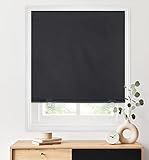
LazBlinds 100% Blackout Roller Shades, 36"x72", Black

Adhesive Blackout Curtains- Self Stick Shades Window Blinds Curtains No Rod Needed Easy to Hang Curtains, Use for Bedroom, Living Room, Dining Room, Kitchen, Home Office, 35"W X 59"L, Black, 1 Panel
Blackout Blinds Pros and Cons
Pros of Blackout Blinds
- Excellent light control: Blackout blinds are ideal when you want a darker room for sleep, naps, gaming, movies, or glare reduction.
- Better privacy: When fully closed, blackout blinds stop people from seeing into the room through the covered glass.
- Good for bedrooms: They are especially useful for late sleepers, night-shift workers, babies, toddlers, and anyone sensitive to early morning light.
- Reduces glare: They can make screens easier to see in offices, media rooms, and living rooms.
- May improve comfort: Thermal blackout fabrics can help reduce heat gain from strong sunlight and add a small insulation layer.
- Many style options: You can buy blackout roller blinds, Roman blinds, cellular shades, skylight blinds, temporary blinds, and motorized blackout blinds.
- Available in budget and premium versions: Ready-made blackout blinds are affordable, while custom systems offer better fit and finish.
- Can protect interiors: Reducing direct sunlight may help protect furniture, rugs, flooring, and artwork from fading.
- Simple designs are easy to clean: Many blackout roller blinds can be wiped with a soft cloth, depending on the fabric finish.
- Good for street-facing rooms: They provide strong privacy at night when indoor lights are on.
Cons of Blackout Blinds
- Side gaps can leak light: Basic blackout blinds may still let light in around the edges if not measured or mounted correctly.
- Not always total blackout: The fabric may be blackout, but the room may not become completely dark without side channels or layered window coverings.
- Can feel plain: Simple blackout roller blinds may look less decorative than Roman blinds, curtains, or layered treatments.
- Custom sizes cost more: Made-to-measure blackout blinds can be much more expensive than ready-made options.
- Some fabrics crease: Low-quality blackout fabric may wrinkle, curl at the edges, or show marks over time.
- Inside mounts need accurate measurement: Even a small measuring mistake can cause poor coverage, rubbing, or unwanted light gaps.
- White backing may be visible outside: Some blackout blinds have a white or pale street-facing side, which may not match every exterior look.
- May block airflow: When fully closed, they can reduce natural ventilation near the window.
- Motorized options are costly: Smart blackout blinds are convenient but can add a large amount to the total price.
- Cleaning depends on material: Some blackout coatings should not be scrubbed, soaked, or cleaned with harsh chemicals.
Blackout Blinds Cost: What Price Should You Expect?
Blackout blinds can be budget-friendly or expensive depending on size, fabric quality, mounting type, control system, and whether they are ready-made or custom. A small ready-made blackout roller blind may cost around $20 to $40, while a larger or better-quality ready-made option may cost around $40 to $100. Custom blackout blinds usually start around $80 to $150 per window and can rise to $250 or more for premium fabrics, wide windows, cordless controls, side channels, or special shapes.
For a bedroom or small office, many homeowners can stay in the $30 to $120 per-window range if they choose a standard manual blackout roller blind. For a better fit, stronger brackets, thicker fabric, or custom sizing, expect to spend more. If you want a cassette blackout system with side tracks, the price may move into the $150 to $400+ range per window. Motorized blackout blinds can cost around $200 to $700+ per window depending on size, motor type, battery system, remote control, and smart-home compatibility.
Installation also affects the total. DIY installation may only require basic tools, screws, wall plugs, a level, and a measuring tape. Professional fitting may add around $50 to $150+ per window, depending on your area, blind type, wall material, and job complexity. Whole-home installations may be priced differently, especially if the installer measures, supplies, and fits everything as one package.
Before ordering, it helps to estimate your budget by size, quantity, blind type, and installation choice. You can use the Blind Cost Estimator to compare rough pricing before you buy.
- Budget ready-made blackout blinds: Around $20 to $50 per blind.
- Mid-range blackout blinds: Around $50 to $150 per blind.
- Custom blackout blinds: Around $80 to $250+ per window.
- Cassette blackout systems: Around $150 to $400+ per window.
- Motorized blackout blinds: Around $200 to $700+ per window.
- Professional installation: Around $50 to $150+ per window, depending on location and complexity.
Where to Buy Blackout Blinds Online
Amazon is one of the easiest places to compare blackout blinds because you can quickly filter by size, style, color, mount type, cordless operation, no-drill design, and customer ratings. It is especially useful for ready-made blackout roller blinds, temporary blackout shades, stick-on blackout blinds, blackout cellular shades, and budget-friendly bedroom blinds. When shopping on Amazon, check the exact width and length, whether the listing size refers to fabric width or total bracket width, and whether the blind is suitable for inside mount, outside mount, or both.
For bedrooms, search for blackout blinds with strong reviews mentioning “blocks light,” “good for bedroom,” “easy to install,” and “no side gaps.” For rental homes, you may want no-drill blackout blinds or temporary blackout blinds. For nurseries or children’s rooms, consider cordless blackout blinds because exposed cords can be a safety concern. For warmer rooms, look at thermal blackout blinds that combine light blocking with heat reduction.
Find Blackout Blinds from Amazon »
Petaholic 100% Blackout Curtains for Bedroom, Portable DIY Window Blinds, No Drill Window Shades & Blackout Blinds with Stickers & Tabs for Travel, Dorm Room, Media Room (118" x 57")
LazBlinds 100% Blackout Roller Shades, 36"x72", Black
Adhesive Blackout Curtains- Self Stick Shades Window Blinds Curtains No Rod Needed Easy to Hang Curtains, Use for Bedroom, Living Room, Dining Room, Kitchen, Home Office, 35"W X 59"L, Black, 1 Panel
eBay can be useful if you are looking for discounted blackout blinds, surplus stock, discontinued colors, replacement blackout blind parts, used blinds, or custom sellers offering made-to-measure options. It may also be a good place to find branded blackout blinds at a lower price, especially if you are flexible on color or size. Always check whether the blind is new, used, open-box, or custom-made, because returns can vary widely by seller.
When buying blackout blinds on eBay, pay close attention to the seller’s measurements, return policy, shipping cost, and mounting hardware included in the package. If the blind is made to measure, confirm whether it can be returned if the size is wrong. If the blind is used, ask whether the fabric has creases, stains, fading, edge curling, missing brackets, broken chains, or damaged spring mechanisms.
Find Blackout Blinds from eBay »
- Blinds.com – Good for custom blackout shades, roller shades, cellular shades, and made-to-measure options.
- SelectBlinds – Useful for custom blackout roller shades, cellular shades, Roman shades, and room-darkening options.
- The Home Depot – Good for ready-made and custom blackout shades, plus in-store pickup in many areas.
- Lowe’s – Useful for blackout shades, cordless options, and home improvement installation services.
How to Find Blackout Blinds Stores Near You
Finding blackout blinds stores near you is usually easiest when you search by the exact type of blind you want. Instead of searching only for “blinds near me,” try more specific searches such as “blackout roller blinds near me,” “custom blackout blinds near me,” “blackout shades installation near me,” or “made to measure blackout blinds near me.” This helps you find stores and installers that actually offer blackout products rather than only general window coverings.
You can also start with a local buying guide such as where to buy window blinds and then compare local blind shops, home improvement stores, department stores, curtain shops, interior design showrooms, and mobile blind fitters in your area. Local stores are especially useful if you want to see fabric samples, compare opacity levels, check colors in person, or get help measuring unusual windows.
When checking local stores, ask whether they sell ready-made blackout blinds, custom blackout blinds, cassette blackout systems, blackout cellular shades, and motorized blackout options. If you need the room as dark as possible, ask if they offer side channels or a full blackout frame system. If you are buying for a rental property, ask about no-drill blackout blinds or tension-fit options.
- Search Google Maps for “blackout blinds near me” and “blackout shades near me.”
- Call local blind shops and ask if they carry blackout roller blinds, blackout cellular shades, and side-channel blackout systems.
- Visit home improvement stores to compare ready-made sizes and colors.
- Ask whether the store offers measuring and installation services.
- Bring your window measurements, photos, and notes about inside mount or outside mount.
- Ask to see the fabric against bright light to check how much light passes through.
- Compare warranty, return policy, and whether custom orders can be changed after production.
What to Check Before Buying Blackout Blinds
- Window measurements: Measure width and height carefully in multiple places. For inside mounts, measure the top, middle, and bottom width, then use the narrowest measurement.
- Mount type: Decide whether you want inside mount or outside mount. Outside mount often blocks edge light better because the blind can overlap the window frame.
- Fabric opacity: Make sure the fabric is true blackout, not just room-darkening. Room-darkening blinds reduce light but may not block it as strongly.
- Side gaps: Check how much light may leak around the sides. If darkness is the main goal, consider wider overlap, side channels, or cassette blackout blinds.
- Control type: Choose between chain control, spring-loaded, cordless, wand control, motorized, or smart controls.
- Child safety: For children’s rooms, nurseries, and homes with pets, cordless blackout blinds are usually a safer choice than loose cords or chains.
- Room use: Bedrooms and nurseries need stronger blackout performance than living rooms or offices where glare control may be enough.
- Color and backing: Darker room-facing colors can look dramatic, but many blackout blinds have a white backing facing outside. Check both sides before buying.
- Cleaning requirements: Some blackout coatings can be damaged by scrubbing or harsh cleaners. Check whether the fabric is wipe-clean or spot-clean only.
- Moisture resistance: For bathrooms and kitchens, choose materials that can handle humidity. Not all blackout fabrics are suitable for damp rooms.
- Thermal performance: If heat or cold is a concern, look for thermal blackout blinds or blackout cellular shades.
- Hardware quality: Check brackets, clutch mechanisms, chains, bottom bars, and screws. Weak hardware can cause sagging, uneven rolling, or early failure.
- Return policy: Ready-made blinds are often returnable, but custom blackout blinds may not be returnable once made.
- Reviews and photos: Read customer reviews that include real installation photos, especially for comments about light leaks, fabric curling, and bracket quality.
- Depth clearance: For inside mount blackout blinds, make sure your window recess has enough depth for the brackets, tube, cassette, or headrail.
Blackout Blinds Installation Options: DIY vs Professional Fitting

Cutelec 2pcs Box Mounting Bracket for Low Profile Horizontal Blinds with 1-3/4" x 2 1/2" Headrail - White Color

Jetec 6 Pieces Mini Blind Brackets for Window Blinds,1.18x1.18 Inch
Blackout blinds can be installed as a DIY project or fitted by a professional. The best option depends on the blind style, your window size, wall material, and how dark you want the room to be. A simple blackout roller blind is usually one of the easiest window blinds to install. A cassette blackout blind, skylight blackout blind, extra-wide blind, or motorized blackout blind may require more care.
DIY installation is usually the cheaper choice. You can often install a basic blackout blind with a tape measure, pencil, drill, screwdriver, screws, wall plugs, and a level. DIY works best for standard-size windows, lightweight roller blinds, no-drill blinds, and situations where small imperfections will not bother you. It is also a good option if you are replacing an old blind with a similar size and bracket style.
Professional fitting is better when accuracy matters or when the blind is large, heavy, expensive, or custom-made. A professional installer can help reduce measuring errors, align multiple blinds evenly, fit brackets into difficult surfaces, and recommend the best mount style for reducing light gaps. Professional fitting is also useful for bay windows, high windows, wide patio doors, commercial rooms, and blackout systems with side channels.
- Choose DIY if: The blind is ready-made, the window is standard size, you are comfortable drilling, and you do not need a perfect blackout seal.
- Choose professional fitting if: The blind is custom, motorized, very wide, installed high up, or needs side channels for maximum darkness.
- DIY cost: Usually the cost of tools and hardware only, unless you need to buy a drill, level, or wall anchors.
- Professional fitting cost: Often around $50 to $150+ per window, depending on the installer, location, blind type, and wall material.
- Best darkness tip: If installing yourself, consider an outside mount with extra overlap on all sides to reduce light leaks.
For the best result, measure twice before drilling, mark bracket positions carefully, and test the blind before fully tightening everything. If the blind rolls unevenly, check bracket alignment and make sure the tube is level. If too much light leaks around the edges, the blind may be too narrow, mounted too close to the glass, or better suited to an outside mount or cassette system.
FAQ About Blackout Blinds
Do blackout blinds block 100% of light?
The fabric may block nearly all light through the material, but a standard blackout blind may still allow light around the sides, top, or bottom. For the darkest result, choose outside mount, wider overlap, side channels, or a cassette blackout system.
Are blackout blinds better than room-darkening blinds?
Yes, if your main goal is darkness. Room-darkening blinds reduce brightness but usually allow more light through than true blackout blinds. Blackout blinds are better for bedrooms, nurseries, night-shift sleepers, and media rooms.
What type of blackout blind is best for bedrooms?
Blackout roller blinds are a popular bedroom choice because they are simple, affordable, and easy to use. For better insulation and fewer light gaps, blackout cellular shades or cassette blackout blinds may be better.
Should blackout blinds be inside mount or outside mount?
Inside mount looks cleaner because the blind sits inside the window recess, but outside mount usually blocks more light because the blind can overlap the window frame. If darkness matters most, outside mount is often the better choice.
Why is light coming through the sides of my blackout blinds?
Side light usually happens because the fabric is narrower than the window opening or because the blind is installed inside the recess. Using a wider outside mount, adding curtains, or choosing side-channel blackout blinds can help reduce this problem.
Are blackout blinds good for nurseries?
Yes, blackout blinds can help make a nursery darker for naps and early bedtimes. For safety, choose cordless blackout blinds or child-safe control systems and follow the manufacturer’s installation instructions carefully.
Do blackout blinds help keep heat out?
They can help reduce direct sunlight and heat gain, especially during bright sunny periods. Thermal blackout blinds or blackout cellular shades usually perform better than basic blackout roller blinds for insulation.
Can blackout blinds reduce outside noise?
Blackout blinds may slightly soften sound, especially thicker cellular or layered fabrics, but they are not soundproof. If noise is a major issue, combine blackout blinds with heavy curtains or other acoustic treatments.
Are blackout blinds easy to clean?
Many blackout roller blinds are easy to dust or wipe gently, but cleaning depends on the fabric and coating. Avoid soaking, scrubbing, or using harsh cleaners unless the manufacturer says it is safe.
Can I cut blackout blinds to size?
Some ready-made blackout roller blinds can be trimmed, but not all blinds are designed for cutting. Always check the product instructions first because cutting the fabric, tube, or bottom bar incorrectly can ruin the blind.
Are no-drill blackout blinds worth it?
No-drill blackout blinds are useful for rentals, temporary rooms, and people who do not want to make holes. However, they may not be as strong or as light-tight as properly screwed brackets or cassette systems.
How much should I spend on blackout blinds?
For a simple bedroom window, many ready-made blackout blinds cost around $20 to $100. Custom, thermal, cassette, or motorized blackout blinds can cost much more, often from $100 to $700+ per window depending on features.
Summary
Blackout blinds are a practical choice when you want stronger darkness, privacy, and glare control than standard blinds can provide. They work best in bedrooms, nurseries, media rooms, offices, and bright spaces where sunlight is a problem. The most affordable option is usually a ready-made blackout roller blind, while custom blackout blinds, thermal cellular shades, cassette systems, and motorized options cost more but can provide a better fit and stronger performance.
Before buying, measure carefully, decide between inside mount and outside mount, check whether the product is true blackout or only room-darkening, and think about side gaps. If you want the darkest room possible, consider outside mounting, side channels, or a cassette blackout system. For simple windows, DIY installation can save money. For large, custom, high, or motorized blackout blinds, professional fitting may be worth the extra cost.

60 PCS Vertical Blind Repair Tabs Kit Clear Fixer Verticle Blinds Snap in Replacement Slats Parts Panels
SOGEWO (16 Set/32 Pieces) Clear Vertical Blind Repair Tabs, Vertical Blinds tabs/Blind Fixers for Vertical Blinds Replacement Slats & Parts
