
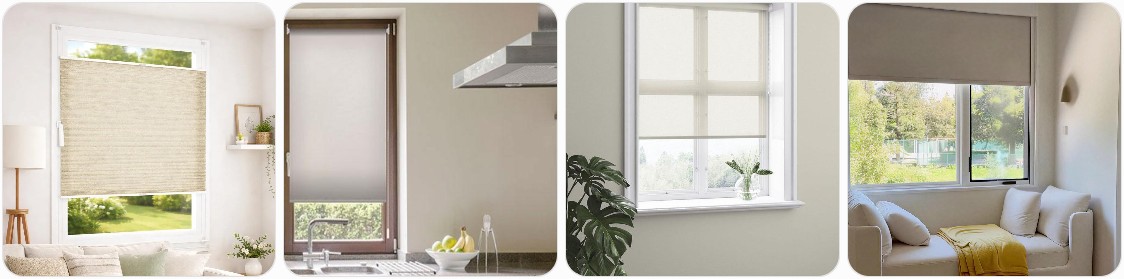
No-drill blinds are one of the easiest ways to add privacy, shade, and style to a window without making holes in the wall, frame, or trim. They are especially useful for renters, apartments, dorms, temporary spaces, uPVC windows, and anyone who wants a cleaner DIY installation. This guide explains how no-drill blinds work, what they cost, where to buy them, and what to check before ordering.
- Table of Contents:
- No-drill Blinds At a Glance
- What Are No-drill Blinds? How No-drill Blinds Work?
- No-drill Blinds Pros and Cons
- No-drill Blinds Cost
- Where to Buy No-drill Blinds Online
- How to Find No-drill Blinds Stores Near You
- What to Check Before Buying No-drill Blinds
- No-drill Blinds Installation Options
- FAQ About No-drill Blinds
No-drill Blinds At a Glance
- Best for: Renters, apartments, temporary window coverage, uPVC windows, French doors, bedrooms, offices, dorm rooms, and quick DIY upgrades.
- Main benefit: They install without screws, wall anchors, drilling, or permanent damage.
- Common fitting styles: Tension-fit, clip-fit, stick-on adhesive, magnetic, and perfect-fit frame systems.
- Popular blind styles: Roller blinds, pleated blinds, cellular/honeycomb blinds, Venetian blinds, blackout blinds, and temporary paper shades.
- Typical price range: Around $10 to $40 for temporary adhesive blinds, $25 to $100 for ready-made no-drill blinds, and $80 to $300+ per window for custom no-drill or perfect-fit systems.
- DIY difficulty: Usually easy, but accurate measuring is still very important.
- Best buying tip: Match the mounting method to your window frame, not just the blind style.
- Main warning: Some no-drill blinds do not work well on uneven frames, textured surfaces, very wide windows, weak adhesive surfaces, or windows with shallow recesses.
What Are No-drill Blinds? How No-drill Blinds Work?
What Are No-drill Blinds?
No-drill blinds are window blinds designed to be installed without drilling holes into the wall, window frame, recess, tile, or trim. Instead of standard screw-in brackets, they use an alternative holding method such as tension, clips, adhesive strips, magnets, or a frame that locks around the glass area.
The term “no-drill blinds” is broad. It can include temporary paper blinds, stick-on shades, tension roller blinds, clip-fit blinds for uPVC windows, magnetic blinds for metal doors, and premium perfect-fit systems. Some are very basic and temporary, while others are proper long-term window treatments that look similar to professionally fitted blinds.
If you are comparing blind types before buying, the most directly related category is No-drill Blinds. This category is useful because no-drill blinds are not only one material or one style; they are mainly defined by how they install.
No-drill blinds are popular because they solve a common problem: you want privacy and light control, but you do not want to damage the property. That makes them useful for rental homes, student rooms, offices, nurseries, listed properties, temporary moves, and rooms where drilling is awkward, such as tiled bathrooms or metal doors.
How No-drill Blinds Work?
No-drill blinds work by replacing the normal screw-fixed bracket with a non-permanent attachment system. The exact method depends on the product:
- Tension-fit no-drill blinds: These press outward against the sides of the window recess. The headrail or support bar expands and grips the recess by pressure.
- Adhesive no-drill blinds: These use peel-and-stick strips, adhesive brackets, or adhesive-backed fabric. They are usually quick to install, but the surface must be clean, dry, smooth, and strong.
- Clip-fit no-drill blinds: These clip into the window frame, glazing bead, or rubber gasket area, often on uPVC windows and doors.
- Perfect-fit style blinds: These sit inside a slim frame that clips onto the window or door around the glass. They move with the window or door and create a neat built-in look.
- Magnetic no-drill blinds: These attach to metal doors or steel frames using magnets. They are common on some entry doors, office doors, and metal-framed glass panels.
- Temporary paper blinds: These usually stick to the top of the window recess or glass and can be trimmed to size. They are often used during moving, renovation, or short-term privacy needs.
The best no-drill blind for you depends on your frame type, window depth, blind weight, surface condition, and how permanent you want the installation to feel. For example, a lightweight stick-on pleated shade may be perfect for a short-term rental, while a clip-fit cellular blind may be better for a uPVC door that you use every day.
You can also compare different no-drill blind products such as no-drill roller blinds, no-drill cellular shades, and temporary stick-on blinds before choosing a final style.

LazBlinds No Drill Cordless Cellular Shades, 22" W x 36" H, White | Blackout Fabric Protects Privacy, With Thermal Insulation & Noise Reduction, Safe Cordless Design for Kids & Pets

Window Blinds Cordless No Drill Cut to Size Clip On Stick On Self Adhesive Temporary Blinds Pleated Paper Blinds for Windows Doors Shades for Home Nursery Bedroom Kitchen Bathroom

No Drill No Tools Blackout Cellular Shades,Cordless Blinds for Indoor Windows,Room Darkening Window Shades Honeycomb Blinds for Bedroom,Office,Home,White,20" w x 36" h
No-drill Blinds Pros and Cons
Pros of No-drill Blinds
- No wall damage: No screw holes, anchors, plugs, or patching needed later.
- Renter-friendly: Good for apartments, dorms, temporary homes, and lease situations where drilling is not allowed.
- Fast installation: Many no-drill blinds can be installed in minutes.
- Lower DIY effort: Usually no drill, screwdriver, wall plugs, or heavy tools required.
- Cleaner look: Clip-fit and perfect-fit systems can look very neat because the blind sits close to the glass.
- Good for doors: Some no-drill blinds work well on French doors, patio doors, and uPVC doors because they move with the door.
- Easy to remove: Many styles can be removed with less mess than traditional brackets.
- Useful for awkward surfaces: Helpful where drilling into tile, metal, concrete, or trim would be difficult.
- Temporary or permanent options: You can choose cheap temporary shades or more polished long-term blinds.
- Good for testing a room: Lets you try privacy and light control before committing to permanent blinds.
Cons of No-drill Blinds
- Not suitable for every window: Some systems need a specific recess depth, frame shape, gasket, or uPVC window type.
- Weight limits: Heavy blinds may not hold well with adhesive, tension, or clips.
- Adhesive can fail: Heat, humidity, dust, textured paint, and moisture can weaken stick-on blinds.
- Less choice in some sizes: Custom no-drill options are available, but ready-made choices may be more limited.
- Can cost more than basic blinds: Premium clip-fit and perfect-fit no-drill blinds can be more expensive than standard bracket-mounted blinds.
- May leave residue: Adhesive blinds can sometimes leave sticky residue if removed poorly.
- May not suit wide windows: Very wide windows may need a stronger drilled installation or multiple smaller blinds.
- Fit is less forgiving: Accurate measuring is important because some no-drill systems depend on tight pressure or exact frame fit.
- Surface condition matters: Old paint, damp frames, uneven trim, and dusty surfaces can reduce holding strength.
No-drill Blinds Cost: What Price Should You Expect?
No-drill blinds can be very affordable or fairly expensive depending on the style, size, material, and mounting system. The cheapest options are usually temporary paper or pleated adhesive blinds. Mid-range options include ready-made no-drill roller shades, tension blinds, and adhesive cellular shades. Premium options include custom clip-fit, perfect-fit, blackout, thermal, and made-to-measure no-drill systems.
As a rough guide, expect these price ranges:
- Temporary paper or stick-on blinds: Around $10 to $40 per window.
- Basic adhesive pleated shades: Around $15 to $60 per window.
- No-drill roller blinds: Around $25 to $100 per window for many ready-made sizes.
- No-drill cellular or honeycomb shades: Around $35 to $150 per window depending on size and fabric.
- No-drill blackout blinds: Around $40 to $180 per window depending on quality and fit.
- Clip-fit or perfect-fit no-drill blinds: Around $80 to $300+ per window, especially when custom-made.
- Professional measuring or fitting: Often $50 to $150+ extra for small jobs, and more for multi-window projects.
For one small bedroom window, a simple no-drill blind may cost less than $50. For a full room with several windows, the total can quickly move into the $150 to $600 range. For custom no-drill blinds across a whole home, the project may cost much more.
If you are comparing sizes, quantities, and installation choices, use a blind cost estimator before ordering. It can help you think through the total cost instead of looking only at the price of one blind.
To keep costs down, compare ready-made sizes first, check whether your window can accept a standard width, and avoid premium upgrades unless you need them. If you need blackout, thermal insulation, cordless operation, or a perfect-fit frame, expect to pay more than you would for a basic stick-on shade.
Where to Buy No-drill Blinds Online
Amazon is one of the easiest places to compare no-drill blinds because you can search by size, blind style, room, color, light-filtering level, and installation method. When shopping on Amazon, look carefully for terms like “no drill,” “no tools,” “tension,” “adhesive,” “peel and stick,” “temporary,” “clip fit,” and “inside mount without drilling.”
Amazon is especially useful if you want quick delivery or want to compare many budget and mid-range options. You can find no-drill blinds, no-drill blackout blinds, no-drill window shades, and peel-and-stick blinds in many sizes and materials.
Before buying on Amazon, read the product title and installation instructions carefully. Some listings say “easy install” but still require screws, while true no-drill blinds should clearly mention no tools, no screws, tension fit, adhesive mount, or clip-on installation.
Find No-drill Blinds from Amazon »
LazBlinds No Drill Cordless Cellular Shades, 22" W x 36" H, White | Blackout Fabric Protects Privacy, With Thermal Insulation & Noise Reduction, Safe Cordless Design for Kids & Pets
Window Blinds Cordless No Drill Cut to Size Clip On Stick On Self Adhesive Temporary Blinds Pleated Paper Blinds for Windows Doors Shades for Home Nursery Bedroom Kitchen Bathroom
No Drill No Tools Blackout Cellular Shades,Cordless Blinds for Indoor Windows,Room Darkening Window Shades Honeycomb Blinds for Bedroom,Office,Home,White,20" w x 36" h
eBay can also be useful for no-drill blinds, especially if you are looking for discounted, open-box, discontinued, imported, or replacement products. You may find no-drill roller shades, temporary blinds, adhesive shades, clip-fit blinds, and magnetic door blinds at lower prices than standard retail.
When buying no-drill blinds from eBay, pay close attention to condition, return policy, seller location, shipping time, and exact measurements. If the blind is custom-made or cut to size, returns may be limited. Also check whether the mounting clips, adhesive strips, tension hardware, and installation parts are included.
Find No-drill Blinds from eBay »
Other online websites where you can buy no-drill blinds include:
- Home Depot – Good for temporary shades, cordless blinds, adhesive shades, and basic DIY window covering options.
- Walmart – Useful for budget no-drill shades, peel-and-stick blinds, temporary privacy shades, and affordable room-darkening options.
- Blinds.com – Worth checking for custom shade options, measuring guides, and made-to-order blind styles.
- SelectBlinds – A good place to compare no-tools, cordless, cellular, roller, and custom shade options when available.
How to Find No-drill Blinds Stores Near You
Finding no-drill blinds locally is usually easiest if you search for both the product type and the installation method. Instead of only searching “blinds near me,” try searches like “no-drill blinds near me,” “temporary blinds near me,” “stick-on blinds near me,” “tension blinds near me,” “clip-fit blinds near me,” or “no tools blinds near me.”
Start with large home improvement stores, blind showrooms, curtain shops, and local window treatment specialists. Big-box stores may carry temporary paper shades, adhesive blinds, and simple cordless blinds. Specialist blind stores are more likely to help with custom no-drill systems, perfect-fit blinds, uPVC door blinds, and made-to-measure options.
If you are not sure where to begin, use this guide to find places that sell window blinds and then ask each store whether they carry no-drill, no-tools, clip-fit, tension-fit, or adhesive-mounted blinds.
When calling a local store, ask these questions before visiting:
- Do you stock no-drill blinds or only standard screw-mounted blinds?
- Do you offer tension-fit, adhesive, clip-fit, magnetic, or perfect-fit blinds?
- Can these blinds work on uPVC windows or doors?
- Do you offer measuring help for no-drill products?
- Are the blinds ready-made, custom-made, or cut-to-size?
- Can I return them if the no-drill fitting method does not suit my window?
- Do you install no-drill blinds, or are they DIY only?
For the best results, take photos of your window frame, the glass area, the recess depth, and any handles or obstructions. Bring exact measurements with you. No-drill blinds are often simple to install, but they still need the correct window type and size.
What to Check Before Buying No-drill Blinds
- Window frame type: Check whether your window is uPVC, wood, aluminium, metal, painted trim, tile surround, or glass-only. The frame type affects which no-drill system will work.
- Mounting method: Confirm whether the blind uses tension, adhesive, clips, magnets, or a perfect-fit frame. Do not assume all no-drill blinds install the same way.
- Recess depth: Tension blinds usually need enough depth inside the window recess to grip securely.
- Surface condition: Adhesive blinds need a clean, dry, smooth surface. Dust, grease, moisture, flaking paint, and texture can weaken the hold.
- Window handles: Check whether handles, locks, vents, cranks, or tilt mechanisms will hit the blind.
- Blind weight: Heavier blinds need a stronger fixing method. Lightweight adhesive blinds may not suit large windows.
- Exact size: Measure width and height carefully. Some no-drill systems are less forgiving than standard bracket-mounted blinds.
- Inside vs outside fit: Decide whether the blind sits inside the recess, on the glass, on the frame, or outside the window opening.
- Light control: Choose light-filtering, room-darkening, blackout, solar, or privacy fabric depending on the room.
- Moisture resistance: For bathrooms and kitchens, check whether the blind material and adhesive can handle humidity.
- Child safety: Cordless no-drill blinds are usually better for children’s rooms and nurseries.
- Removal method: Check how the blind comes off and whether it may leave adhesive residue.
- Return policy: Custom, cut-to-size, or adhesive-used blinds may be harder to return.
- Replacement parts: Make sure clips, adhesive strips, magnets, or tension parts can be replaced if they wear out.
- Reviews with photos: Look for reviews from buyers with similar window frames and similar room conditions.
No-drill Blinds Installation Options: DIY vs Professional Fitting

Cutelec 2pcs Box Mounting Bracket for Low Profile Horizontal Blinds with 1-3/4" x 2 1/2" Headrail - White Color

Jetec 6 Pieces Mini Blind Brackets for Window Blinds,1.18x1.18 Inch | with Screws,Metal Replacement Parts,Easy DIY Installation
No-drill blinds are usually designed for DIY installation, but that does not mean every job is effortless. Small temporary blinds can be installed quickly by most people, while larger custom no-drill blinds may still benefit from professional measuring or fitting.
DIY installation is the best choice when you are using temporary paper blinds, adhesive pleated shades, simple no-drill roller blinds, magnetic blinds, or tension-fit products. These usually come with basic instructions and do not require drilling. For DIY fitting, you mainly need a tape measure, pencil, cleaning cloth, and sometimes a level. Even with no-drill products, careful measuring makes a big difference.
Professional fitting may be worth considering when you are ordering expensive custom no-drill blinds, perfect-fit systems, multiple windows, large windows, or blinds for doors that open and close often. A professional can confirm the window is suitable, measure accurately, and reduce the risk of poor fit.
Here is a simple comparison:
- DIY is usually better if: You are buying budget blinds, temporary blinds, small adhesive shades, or standard-size no-drill products.
- DIY saves money because: You avoid labor charges and can install the blinds on your own schedule.
- DIY risk: Wrong measurements, weak adhesive preparation, uneven fitting, or choosing the wrong no-drill system.
- Professional fitting is better if: You are buying custom no-drill blinds, premium perfect-fit blinds, or covering several rooms.
- Professional fitting helps because: The installer can check frame suitability, measure correctly, and fit the product neatly.
- Professional fitting risk: It adds cost, and not every installer specializes in no-drill systems.
For adhesive no-drill blinds, always clean and dry the surface before installation. For tension blinds, check the recess depth and make sure the side surfaces are solid enough to hold pressure. For clip-fit or perfect-fit blinds, follow the manufacturer’s instructions carefully because the clips and frame pieces need to sit correctly around the glass or gasket.
FAQ About No-drill Blinds
Do no-drill blinds really work?
Yes, no-drill blinds can work very well when the product matches the window type and is installed correctly. Tension-fit blinds need a suitable recess, adhesive blinds need a clean smooth surface, and clip-fit blinds need the correct frame or gasket style.
Are no-drill blinds good for renters?
Yes, no-drill blinds are one of the best blind options for renters because they avoid screw holes and permanent wall damage. However, renters should still check lease rules and choose removable products carefully, especially with adhesive blinds that may leave residue.
What is the cheapest type of no-drill blind?
Temporary paper blinds and peel-and-stick pleated shades are usually the cheapest no-drill options. They are good for short-term privacy, but they may not look as polished or last as long as tension-fit, clip-fit, or custom no-drill blinds.
Can no-drill blinds be blackout?
Yes, many no-drill blinds are available in blackout fabrics. No-drill blackout roller blinds, cellular shades, and temporary blackout shades can help darken bedrooms, nurseries, and media rooms. For the best blackout effect, check for side gaps before buying.
Can no-drill blinds be used on uPVC windows?
Yes, many clip-fit and perfect-fit no-drill blinds are designed specifically for uPVC windows and doors. You need to check the window bead, gasket, frame depth, and handle clearance before ordering.
Can no-drill blinds be used on doors?
Yes, some no-drill blinds work well on doors, especially magnetic blinds for metal doors and perfect-fit or clip-fit blinds for uPVC doors. The best option depends on whether the door is metal, glass, wood, uPVC, or painted trim.
Do adhesive no-drill blinds damage paint?
They can damage paint if the paint is weak, old, damp, or poorly bonded. They may also leave residue if removed quickly or incorrectly. To reduce risk, follow the removal instructions and test the adhesive on a small hidden area when possible.
Are no-drill blinds safe for children?
Cordless no-drill blinds are usually the safer choice for children’s rooms because they avoid loose hanging cords. If the blind has cords or chains, keep them secured and out of reach.
Can I cut no-drill blinds to size?
Some temporary paper and pleated no-drill blinds can be trimmed to size, but many roller, cellular, clip-fit, and perfect-fit blinds cannot be cut at home without damaging the product. Always check the product instructions before cutting.
Are no-drill blinds better than regular blinds?
No-drill blinds are better when you want easy installation and no holes. Regular drilled blinds may be better for heavy blinds, very wide windows, long-term installations, or surfaces where tension, adhesive, clips, or magnets are not suitable.
Why do my no-drill blinds keep falling down?
The most common reasons are incorrect size, weak adhesive, dirty surface, shallow recess, uneven frame, too much blind weight, humidity, or using the wrong mounting method for the window. Recheck the instructions and confirm the window is suitable for that product.
Can no-drill blinds be professionally installed?
Yes, some local blind companies can measure and fit premium no-drill blinds, especially perfect-fit, clip-fit, and custom systems. Professional fitting is most useful for expensive products, multiple windows, or windows with unusual shapes.
Summary
No-drill blinds are a practical choice when you want privacy, shade, and style without making holes in your walls or window frames. They are especially useful for renters, uPVC windows, doors, temporary rooms, and quick DIY upgrades. The main options include tension-fit blinds, adhesive blinds, clip-fit blinds, magnetic blinds, temporary blinds, and perfect-fit systems.
Prices can range from around $10 for temporary stick-on blinds to $300+ for custom no-drill or perfect-fit blinds. The most important step is checking your window type before buying. Measure carefully, choose the right mounting method, read the return policy, and match the blind to the room’s privacy, light control, and durability needs. If you choose the right product for your window, no-drill blinds can be one of the easiest and cleanest ways to upgrade a room.

60 PCS Vertical Blind Repair Tabs Kit Clear Fixer Verticle Blinds Snap in Replacement Slats Parts Panels

Vertical Blinds Replacement Stem and Gear Used for Headrail, Carrier Stem Vertical Blinds Curtain Accessories(12 Sets)
