
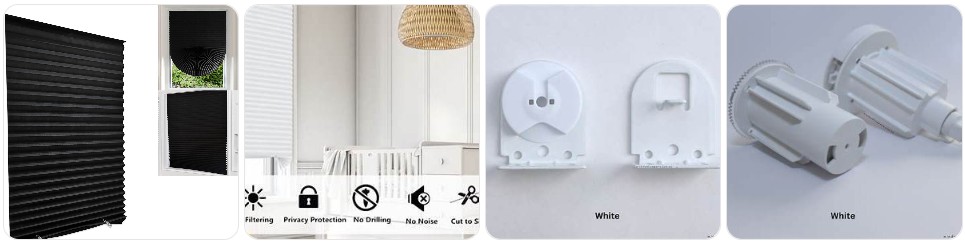
Temporary Blinds are designed as fast, low-cost window coverings for short-term privacy, light control, rentals, move-ins, decorating delays, and rooms that need a quick solution before permanent blinds arrive. The quick answer is that a broken temporary blind can often be fixed with very simple supplies because the most common problems usually involve the adhesive strip, pleated paper body, small clips, support tabs, or the temporary lifting setup rather than a heavy mechanical headrail system. In many cases, the repair comes down to reattaching the top strip, reinforcing a torn pleat, replacing missing clips, trimming a damaged section, or switching to a fresh adhesive support before the whole blind gives way. If you want to compare practical repair supplies while troubleshooting, it helps to browse temporary blind repair kits, temporary paper blinds, and double-sided mounting tape for blinds.
Fix Common Temporary Blind Problems & Repair Cost
The temporary blind keeps falling off the window: This is one of the most common temporary blind repairs and usually happens because the adhesive strip has weakened, the mounting surface was dusty, or the paper blind is carrying more weight than the original strip can hold. Start by removing old adhesive residue, cleaning the surface thoroughly, and reattaching the blind with stronger double-sided mounting tape or fresh peel-and-stick support. If the blind body is still in good condition, this is usually a very inexpensive repair, often around $5 to $15 in supplies. It helps to compare double-sided mounting tape for blinds and temporary paper blinds. Do not keep pressing the same weak adhesive back into place, because that usually makes the blind sag more and tear around the top edge.
The pleated paper or fabric body has torn: Temporary blinds are often made from lightweight pleated material, so tears are a common repair point, especially near the clips or the top mounting strip. Small tears can often be reinforced with clear repair tape, light adhesive patches, or careful trimming if the damage is limited to one edge. This is usually a low-cost fix, but if several pleats are tearing at once, replacement is often more sensible than repeated patching.
The blind will not stay at the height you set: Many temporary blinds rely on simple clips or fold-based positioning rather than a full internal lift mechanism. If the blind keeps dropping, the clips may be worn, missing, or no longer gripping the pleats properly. In that case, replacing the clips or using a simple support method is usually more practical than trying to rebuild the whole blind.
The blind looks uneven or hangs crooked: On a temporary blind, uneven hanging usually means the top strip was mounted slightly out of level, the blind was cut unevenly, or one side has started tearing at the support point. Because these blinds are lightweight, even a small alignment issue becomes obvious very quickly.
The blind has warped, wrinkled, or lost its shape: Temporary blinds can deform from humidity, repeated folding, sunlight, or rough handling. If the structure is only mildly misshapen, you may be able to improve it by rehanging it straight and supporting the damaged area, but once the pleats lose their shape badly, full replacement is often the better option.
Temporary Blind Repair Kit
A temporary blind repair kit is most useful when the blind is still basically doing its job but has developed one or two weak points such as a failing adhesive strip, a torn pleat, a missing support clip, or a sagging top section. Because temporary blinds usually do not have heavy-duty hardware, repairs tend to focus on practical low-cost supplies such as clear tape, replacement clips, fresh mounting strips, small adhesive supports, and lightweight patch materials rather than complex control mechanisms. For temporary blinds specifically, the best repair kits are the ones that help reinforce adhesion, pleat structure, and simple height support.
It is worth checking what type of temporary blind you have before buying repair supplies, because some are pleated paper shades, some are light-filtering temporary fabric shades, and some use very simple fold-and-clip systems. If the blind has only one weak area, a single roll of strong mounting tape or a few replacement clips may be enough. But if the blind has started falling down, tearing, and losing its shape all at once, a broader temporary blind repair kit or a mix of mounting tape, clear repair tape, and temporary blind clips can save time and make the repair more consistent. For temporary blinds, a neat, stable top attachment matters more than almost anything else.

60 PCS Vertical Blind Repair Tabs Kit Clear Fixer Verticle Blinds Snap in Replacement Slats Parts Panels
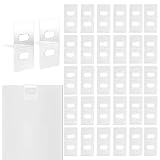
60 PCS (30 Sets) Vertical Blind Repair Tabs of Blind Repair kit/Vertical Blind Repair kit/Blind Fixer tabs/Clear Vertical Blind Repair Tabs
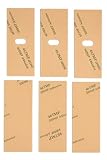
BlindDIY™ Clear Mini Blind Slat Repair Kit-Blind Repair Tabs with String Holes- Clear Blind Fixers-Horizontal Blinds Replacement Slats
Signs Your Temporary Blind Need Repair
- The blind starts peeling away from the frame: This usually means the original adhesive has weakened or the mounting surface was not clean enough. Checking mounting tape for blinds is often the first practical step.
- The pleats are tearing near the clips or top strip: Temporary blinds depend on lightweight material, so small tears can spread quickly if they are ignored.
- The blind no longer stays folded at the height you set: That often means the simple support clips or holding method are wearing out or no longer gripping the pleats correctly.
- One side hangs lower than the other: This is a common sign that the blind was cut unevenly, mounted off-level, or has started pulling loose on one side.
- The blind is sagging through the middle: On a temporary blind, sagging usually points to weakened paper structure, moisture exposure, or a support strip that is starting to fail.
- The top edge looks crumpled or stretched: This is often the stage right before the blind tears away from the frame completely.
- The pleats are flattening and no longer folding cleanly: That usually means the material has been stressed by repeated use, sunlight, or humidity and needs reinforcement or replacement.
- You keep readjusting it every day just to make it look acceptable: That is usually the clearest sign the blind already needs repair, even if it has not fully fallen yet.
Tools You May Need to Repair Temporary Blind
- Scissors: A sharp pair of household scissors is useful for trimming a temporary blind evenly, cutting repair tape, or removing damaged sections cleanly.
- Measuring tape: A measuring tape helps you check whether the blind was cut evenly and whether the top strip is still aligned correctly across the window.
- Double-sided mounting tape: A roll of double-sided mounting tape for blinds is one of the most useful repair supplies if the top adhesive has failed.
- Clear repair tape: A strip of clear repair tape can help reinforce small tears in paper or lightweight pleated material without drawing too much attention.
- Replacement clips or blind clips: If the blind no longer stays folded at the right height, matching temporary blind clips can be one of the simplest fixes.
- Microfiber cloth: A microfiber cloth is useful for cleaning the window frame before you apply fresh adhesive. This matters because dust and grease are common reasons temporary blinds fall down.
- Light pencil or masking tape for marking: Marking the correct level line before reinstalling or reattaching the blind helps avoid crooked hanging.
- Step stool: A small step stool can make it easier to attach the blind evenly across the top of the frame without stretching awkwardly.
Should You Repair or Replace Your Broken Temporary Blind?
Repairing a broken temporary blind usually makes sense when the material is still mostly intact and the issue is limited to the top adhesive, a few torn pleats, or the simple clips used to hold the blind at different heights. Because temporary blinds are meant to be affordable and easy to fit, many problems are surprisingly easy to correct with basic supplies such as fresh mounting tape, clear repair tape, or replacement clips. If the blind still gives you the privacy or light control you need, a quick repair can be much cheaper and faster than starting over, especially if you only need the blind for a short period while waiting for a permanent solution. Comparing a temporary blind repair kit with the cost of a new blind often shows that small repairs are worthwhile.
Replacement becomes the better option when the blind has multiple tears, the pleats are badly warped, the material has lost its shape, or the top section has been reattached so many times that it no longer hangs neatly. It can also make sense to replace the blind if the original was very inexpensive and a fresh one will look cleaner than a heavily patched shade. A quick comparison between temporary blind options and the repair supplies you need will help you decide. In many cases, though, temporary blinds are worth repairing when the problem is limited to support, adhesion, or one damaged section rather than the whole blind body.

Window Blinds Cordless No Drill Cut to Size Clip On Stick On Self Adhesive Temporary Blinds Pleated Paper Blinds for Windows Doors Shades for Home Nursery Bedroom Kitchen Bathroom

Touri 6 Pcs Temporary Blinds for Windows, 36 X 72 in
Window Blinds Cordless No Drill Cut to Size Clip On Stick On Self Adhesive Temporary Blinds Pleated Paper Blinds for Windows Doors Shades for Home Nursery Bedroom Kitchen Bathroom
Tips to Make Your Temporary Blind Last Longer
- Clean the mounting surface before installation: Temporary blinds last much longer when the top adhesive is attached to a dust-free, dry frame instead of a dirty one.
- Do not yank the blind downward: These blinds are lightweight and can tear near the pleats or clips if they are pulled too hard.
- Use the clips gently and evenly: Repeated rough folding in the same place can weaken the pleats and make the blind lose its shape faster.
- Keep moisture away when possible: Humidity can soften paper temporary blinds and weaken both the pleats and the adhesive strip.
- Reinforce small tears early: A little clear repair tape used early can stop a small split from becoming a much larger tear.
- Trim carefully if you need a better fit: Uneven cuts often lead to crooked hanging and extra strain along one side of the blind.
- Do not keep reusing dead adhesive: Fresh mounting tape usually works better than repeatedly pressing an old strip back onto the frame.
- Replace the blind once the structure is too weak: Temporary blinds are designed for convenience, not endless repairs, so there is a point where a clean replacement gives a much better result than repeated patching.
Temporary Blind Repairs FAQ
What usually breaks on a temporary blind?
The parts that fail most often are the adhesive top strip, the pleated body near the clips, the simple holding clips, and the top edge where the blind attaches to the frame. On temporary blinds, support and structure usually fail before anything else.
Can I fix a temporary blind that keeps falling down?
Yes, in many cases. The most common fix is to remove the old adhesive, clean the frame, and reattach the blind with stronger double-sided mounting tape. If the top edge is torn, reinforce that section first.
Is a temporary blind repair kit worth buying?
It can be, especially when the blind has more than one small issue. A temporary blind repair kit is often easier than buying tape, clips, and patch materials one by one.
Why does my temporary blind keep sagging in the middle?
This usually means the pleated material has weakened, the blind has absorbed moisture, or the top support strip is no longer holding evenly across the window.
Can I repair a torn temporary paper blind?
Yes, if the tear is small. Clear repair tape or a light patch can often hold it together for continued short-term use. If several pleats are tearing, replacement is usually the smarter option.
How much does it usually cost to repair a temporary blind?
Minor temporary blind repairs are often very inexpensive, usually around $5 to $15 in supplies such as mounting tape, repair tape, or small replacement clips. If the blind needs multiple patches and supports, a new blind may be better value.
Should I repair or replace a warped temporary blind?
If the warping is light and the blind still hangs reasonably straight, repair may be enough. If the pleats have lost their shape badly or the material looks crumpled across most of the blind, replacement is usually the cleaner and easier choice.
Can temporary blind parts be hard to match?
Sometimes. Many temporary blinds use very simple universal parts, but clip styles, adhesive widths, and pleat sizes can still vary. It helps to measure and compare before ordering anything.
60 PCS Vertical Blind Repair Tabs Kit Clear Fixer Verticle Blinds Snap in Replacement Slats Parts Panels

30 Sets (60 Pcs) Vertical Blinds Replacement Slats Panels, Vertical Blind Repair Tabs Kit, Clear Apartment Blinds Replacement Fixers, Horizontal Blinds Replacement Parts
