
Magnetic Blind repairs are usually easier and cheaper than people expect. In most cases, a broken magnetic blind can be fixed by replacing a weak magnetic strip, realigning the blind on the metal frame, tightening loose corner tabs, or swapping out worn components with a magnetic blind repair kit. The right fix depends on whether the blind is slipping, not sitting flush, losing its hold, or showing damage around the magnetic edge. If the frame and blind fabric are still in good shape, repairing the blind is often the most cost-effective option.
Fix Common Magnetic Blind Problems & Repair Cost
Magnetic blind keeps slipping or falling out of place: This is one of the most common magnetic blind issues, especially on metal doors, glazed panels, and specialist window inserts where the blind is supposed to sit tight against the frame. Start by cleaning both the metal mounting surface and the blind’s magnetic edge with a non-oily cloth so dust does not weaken the hold. If the magnet has lost strength, replace the strip with heavy-duty magnetic strip tape. If the adhesive backing is peeling, reinforce it with a high-bond double-sided tape made for trim and window applications. Typical DIY repair cost is about $8 to $25, while a professional reattachment or refit may cost $50 to $120 depending on the blind size.
Magnetic edge no longer holds evenly along the frame: If one side sticks but the rest gaps away from the frame, the magnetic strip may be warped, partially demagnetized, or installed off-line. Remove the old strip, check whether the blind rail or edge insert is bent, and press in a replacement magnetic replacement strip cut to the exact length. On some magnetic blinds, the issue is not the magnet itself but a twisted rail that prevents full contact. Lightly straightening the rail and re-seating the magnet often solves it. Expect a repair cost of $10 to $30 for parts.
Blind rattles or shifts when the door opens and closes: This usually happens on magnetic blinds fitted to metal doors or door-adjacent frames where repeated movement causes the blind to creep sideways. Add or replace adhesive magnetic catches or stronger corner stabilizers so the blind stays aligned when the door moves. For blinds mounted inside a glass door frame, inspect whether the top rail has loosened and secure it before replacing the magnets. A basic stabilization repair often costs $10 to $20 in materials.
Magnetic blind fabric or slats sit crooked after reattaching: When the magnetic edge is reattached at a slight angle, the entire blind can hang unevenly and light gaps become obvious. Remove the blind completely, measure both sides of the frame, and align the magnetic mounting edge before pressing it back into place. If the blind includes slim internal slats or a fabric panel cassette, make sure the cassette is level before blaming the magnets. A small torpedo level helps keep the repair accurate. This is often a $0 to $15 fix unless the rail is damaged.
Magnets are intact but the adhesive has failed: If the magnet still grips but keeps peeling away from the blind, replace the backing with a stronger adhesive rather than replacing the entire blind. Use a high-strength adhesive suitable for plastic and metal or a better-grade mounting tape. This kind of repair is usually inexpensive, around $6 to $18, and can extend the life of the blind significantly.
Magnetic blind frame corners or tabs are cracked: Some magnetic blinds rely on corner connectors, slim rails, or edge tabs to keep the magnetic strip seated properly. If those small structural parts crack, the magnet may look like the problem even though the real issue is the frame no longer holding shape. Replace the broken connector if available, or use a small corner repair solution matched to the blind size. Costs vary more here, but many DIY fixes land around $10 to $35. If multiple corners are broken and the blind is custom-sized, replacement may be more sensible than repair.
Magnetic Blind Repair Kit
A proper magnetic blind repair kit should focus on the parts that actually fail on this blind type: replacement magnetic strip, adhesive backing or bonding tape, small alignment tabs, corner support pieces, and sometimes a narrow rail insert. Unlike generic blind repair sets, a magnetic-blind-specific kit should help restore the blind’s grip against the metal frame rather than just addressing slat or cord issues. That is why it is worth looking for a magnetic blind repair kit or compatible magnetic strip replacements for blinds instead of buying a generic blind assortment.
If your magnetic blind is mounted on a steel door, metal-framed insert, or enclosed glazing system, keep a few spare repair items on hand. A roll of self-adhesive magnetic tape, a pack of clear mounting tape, and a precise trimming tool can solve most small failures before they turn into a full blind replacement. The goal is not just to make the blind stick again, but to restore even contact along the full magnetic edge.

60 PCS Vertical Blind Repair Tabs Kit Clear Fixer Verticle Blinds Snap in Replacement Slats Parts Panels

35 Sets (70 Pieces) Clear Vertical Blind Repair Tabs for Replacement Slats
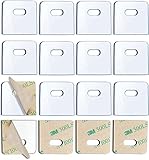
SOGEWO (16 Set/32 Pieces) Clear Vertical Blind Repair Tabs, Vertical Blinds tabs/Blind Fixers for Vertical Blinds Replacement Slats & Parts
Signs Your Magnetic Blind Need Repair
- The blind no longer snaps firmly into place and you need to press it back repeatedly, which often means the magnetic strip is weakening or separating from the edge. This is one of the clearest signs the magnetic holding system is failing.
- One side sits flush but another side bows outward, which usually points to a bent rail, uneven magnet alignment, or worn edge inserts.
- The blind shifts every time the door opens or closes, suggesting you may need stronger magnetic catches or additional stabilizing points.
- You can see adhesive residue, peeling backing, or detached magnetic tape along the blind edge, which means the magnet may still work but the mounting bond has failed.
- The blind leaves visible light gaps around the frame even though it looks closed, often because the magnetic edge is no longer making full contact.
- Corner tabs, slim frame pieces, or edge channels are cracked, preventing the magnet from staying straight along the blind.
- The blind rattles against the door or metal frame, especially in high-traffic areas, indicating the hold is too weak for normal movement.
- You recently removed and reinstalled the blind and now it sits crooked, which often means it needs re-alignment with a small level and fresh adhesive support.
Tools You May Need to Repair Magnetic Blind
- Self-adhesive magnetic tape for replacing weak or detached magnetic edges on the blind.
- Heavy-duty mounting tape for securing magnetic strips that have lost their original backing.
- Industrial adhesive for repairing separated edge components or cracked trim pieces.
- Small torpedo level to keep the magnetic blind straight during reinstallation.
- Precision utility knife or sharp scissors to cut replacement magnetic strips to size.
- Measuring tape so the replacement magnet matches the original length exactly.
- Plastic scraper tool to remove old adhesive without scratching the blind frame or door surface.
- Lint-free cloth for cleaning the contact area before applying new magnetic material. A dirty surface is a common reason repairs fail early.
Should You Repair or Replace Your Broken Magnetic Blind?
You should usually repair a magnetic blind when the main problem is weak magnetic hold, peeling adhesive, minor misalignment, or a small broken edge piece. Those issues are relatively inexpensive to fix, and many can be handled with a repair kit, replacement magnetic tape, or stronger mounting supplies. If the blind fabric is still clean, the rail is straight, and the blind fits the frame properly, repairing it is usually the better value.
Replacement makes more sense when the blind has multiple failures at once, such as a warped rail, cracked corners, detached magnetic edge, and visible wear across the panel. It also makes sense when the blind is custom-sized but no longer sits flat, or when repeated repairs have not restored a reliable hold. If repair parts will cost close to half the price of a new blind, replacement is often the smarter long-term choice. In that case, comparing current magnetic blind options can help you decide whether upgrading is worthwhile.

DEZ FURNISHINGS Cordless No Tools 1" Magnet Mini Blinds for Metal Doors, Room Darkening, 25" W x 42" H, White
DEZ FURNISHINGS Cordless No Tools 1" Magnet Mini Blinds for Metal Doors, Room Darkening, 25" W x 72" H, White
Tips to Make Your Magnetic Blind Last Longer
- Clean the magnetic contact edge regularly so dust and oily residue do not weaken the bond between the blind and the metal frame.
- Do not yank the blind away from the frame abruptly. Pull it off evenly so the magnetic strip and adhesive backing do not stretch or peel.
- Check the corners every few months for hairline cracks or separation, especially on magnetic blinds attached to frequently used doors.
- Replace loose adhesive early with heavy-duty double-sided tape before the full strip detaches.
- Keep a spare roll of self-adhesive magnetic tape on hand so you can fix small failures immediately instead of letting alignment get worse.
- Make sure the blind is reattached straight after cleaning or maintenance. Even slight misalignment can create long-term stress on the magnetic edge.
- Avoid harsh solvent cleaners on the blind edge because they can weaken adhesives and damage plastic trim around the magnetic insert.
- If the blind is installed on a door, reduce slamming where possible because repeated impact gradually shifts the blind and weakens corner support points.
Magnetic Blind Repairs FAQ
Why does my magnetic blind keep falling off?
The most common reasons are a weakened magnetic strip, dirty contact surfaces, failed adhesive backing, or a bent blind edge that prevents full contact with the metal frame. Replacing the strip with self-adhesive magnetic tape often solves the problem.
Can I repair a magnetic blind without replacing the whole blind?
Yes. Many magnetic blinds can be repaired by replacing the magnet, redoing the adhesive, correcting the alignment, or repairing a cracked corner support. Full replacement is usually only necessary when the blind has multiple structural issues.
What is the best repair part for a weak magnetic edge?
A replacement heavy-duty magnetic strip is usually the best starting point. Choose one that can be trimmed to size and paired with a strong adhesive backing if the original bond has also failed.
How much does it cost to fix a magnetic blind?
Most DIY magnetic blind repairs cost about $6 to $35 depending on whether you only need adhesive and replacement magnetic tape or a few structural parts as well. Professional repair or refitting can cost more, especially for larger or custom blinds.
Can I use a generic blind repair kit on a magnetic blind?
You can sometimes use generic tools, but a generic kit often misses the parts that matter most on magnetic blinds, such as replacement magnets, mounting tape, and edge alignment components. A magnetic blind repair kit is usually a better fit.
How do I know if my magnetic blind should be replaced instead of repaired?
If the blind has a warped rail, repeated alignment failure, cracked frame pieces, poor magnetic hold, and visible fabric or panel wear all at the same time, replacement is usually the better option. Repairs are best when the damage is limited to one or two parts.
60 PCS Vertical Blind Repair Tabs Kit Clear Fixer Verticle Blinds Snap in Replacement Slats Parts Panels

Vertical Blind Repair Vane Savers, Metal Vertical Blind Repair Tabs for Vertical Blinds Replacement Slats, White (12)