
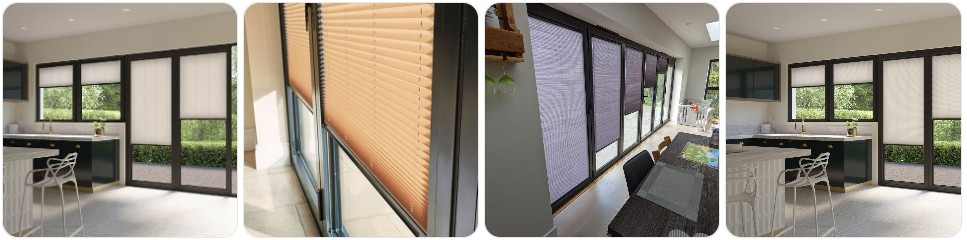
If you need to remove Intu blinds without damaging the fitted frame, bead clips, side guides, or the window itself, the safest approach is to release the blind gradually and keep the frame supported so it does not twist or catch against the glazing bead. Intu blinds are different from standard screw-fixed blinds because they are designed to fit neatly into the window beading without drilling, which means the fitted frame, clip points, and guide sections need more careful handling during removal. This guide explains how to take down Intu blinds step by step while protecting the fitted system and the blind itself. If you think you may need hardware afterward, it also helps to review Intu blind parts before you begin.
What You Need Before Removing Intu Blind
- A stable step stool or ladder: Intu blinds sit close to the glazing and frame, so steady access makes it much easier to release the fitted clips cleanly without bending the blind frame or scraping the window bead.
- A small flat-head or precision screwdriver: Some Intu clip points are easier to ease free with a precision screwdriver set, especially if a clip is tight and does not release easily by hand.
- Needle-nose pliers: A pair of needle-nose pliers can help if a clip is stubborn or if a small fitted piece needs to be eased out carefully without slipping.
- A clean flat surface: Once the blind is off the window, place it on a protected surface so the fitted frame, side guides, and blind material do not get scratched, bent, or twisted.
- A soft cloth or towel: This is useful for protecting the sill or floor while you work, especially if the final clip releases suddenly and the blind shifts in your hands.
- A small container for clips and fittings: Intu systems use compact fitted parts that are easy to lose once the blind is down.
- Optional spare parts on hand: If the blind already looks worn, it may help to compare Intu blind parts, Intu blind clips, or Intu blind repair kits before taking it down.
Intu Blind Removal Guide
Intu blind removal is usually easier than removing a drilled blind, but it can still cause damage if you pull the fitted frame away too quickly or release one side before the rest of the system is loose. These blinds are designed to sit neatly within the window bead area, so the safest method is to support the frame, work methodically around the clip points, and remove the blind evenly so it does not twist. Taking a slow, balanced approach protects the fitted frame and makes it much easier to reinstall the same blind later.
- Lower the blind fully before you start: Bring the blind into its most relaxed position so the fabric, pleats, or slats are not under extra tension while you handle the fitted frame.
- Inspect how the Intu blind is fitted: Most Intu blinds are held in place by clips fitted into the glazing bead area rather than by normal wall brackets. Look carefully at the top, sides, and bottom so you understand how many clips are holding the blind.
- Remove any visible trim pieces or covers first: Some Intu systems include small covers or finishing pieces over the fitted points. Take those off gently so you can see the actual release areas more clearly.
- Support the blind frame with one hand: Before easing any clip free, hold the fitted frame firmly so it does not spring outward or twist once the first side loosens. Do not pull on the blind fabric or inner blind section alone.
- Start with one upper clip or corner: Use your fingers or a small screwdriver to gently ease the first clip away from the bead or fitted channel. Avoid levering hard against the window frame.
- Work around the frame gradually: Once the first point is loose, move to the next clip rather than trying to pull the whole blind off immediately. Intu blinds are much less likely to bend if the frame is released evenly from several points.
- Free the side clips carefully: Side clips can sometimes grip more tightly than expected, especially on older fitted systems. Ease them out one by one while keeping the frame supported.
- Release the remaining lower clips: After the top and sides are mostly free, remove the final lower clips carefully and lift the whole fitted blind away from the window.
- Place the blind flat on a clean surface: As soon as it is removed, lay the frame flat so the side guides and blind material stay straight and square.
- Inspect the clips, guides, and operating parts while the blind is down: This is the best time to check for cracked clips, bent guides, worn handles, or other fitted hardware issues. If anything looks damaged, compare Intu blind clips, Intu blind parts, and repair kits.

Leinuosen 12 Pieces Vertical Blind Clips Stems Replacement Parts | Vertical Blind Carrier Stems, 8 mm Head, Replacement Parts for 3-1/2 or 5 Inch Vertical Blind Vanes, Headrail Accessories

60 PCS Vertical Blind Repair Tabs Kit Clear Fixer Verticle Blinds Snap in Replacement Slats Parts Panels
Common Problems When Taking Down Intu Blind
- The fitted frame feels stuck even after one clip is loose: Intu blinds are usually secured at multiple clip points, so one released corner does not mean the whole blind is ready to come away. Check the side and lower clips before pulling harder.
- A clip will not release cleanly: Some Intu clips grip tightly after long use. If that happens, ease the clip gently with a screwdriver instead of forcing the whole frame outward.
- The frame starts twisting as one side comes free: This usually happens when one edge is released too far ahead of the others. Always support the blind evenly and work around the frame in stages.
- The window bead feels at risk of being marked: This is why a careful, light touch matters. Never pry aggressively against the glazing bead or uPVC frame, especially with metal tools.
- A clip cracks during removal: Older Intu clips can become brittle over time. If that happens, it may help to compare replacement Intu blind clips before reinstalling the blind.
- The blind material shifts inside the fitted frame: Once the blind is down, check that the fabric or pleated section is still sitting squarely within the guides before storage or reinstallation.
- The fitted blind feels heavier or more awkward than expected: Larger Intu blinds can feel awkward because you are removing the whole fitted unit rather than just a headrail. Supporting the frame with both hands makes removal safer.
What to Do After Removing Intu Blind
- Lay the fitted blind on a clean flat surface: This helps keep the frame square and protects the side guides from bending or warping.
- Inspect the clips and frame corners: If the blind was difficult to remove, check closely for hairline cracks, bent clips, or stressed joints before reinstalling it.
- Clean dust from the blind frame and window bead area: Intu blinds sit close to the glass and frame, so removal is a good chance to clean the edges properly before putting the blind back.
- Check the blind material and moving parts: If the blind uses fabric, pleats, or slats inside the frame, make sure everything still runs smoothly. If needed, compare Intu blind parts and repair kits.
- Store the blind where the frame will stay straight: Do not lean it in a way that puts pressure on one corner, because fitted frames can distort if stored badly.
- Keep all clips and fittings together: If you plan to reuse the blind, store every clip, cover, and small fitting in one labeled container so reinstallation is easier later.
- Decide whether to repair or replace: If removal exposed several worn clips or a bent fitted section, compare Intu blind options with the cost of replacement parts before putting the same blind back up.
No products found.
Intu Blind Removal FAQ
Do I need to lower Intu blinds before removing them?
Yes. Lowering the blind fully helps relax the material and makes the fitted frame easier to handle during removal.
How are Intu blinds usually attached?
They are usually held in place by fitted clips around the window bead rather than by standard screw-fixed wall or recess brackets.
Can Intu blinds damage the window during removal?
They can if you pry too aggressively or twist the fitted frame while releasing the clips. A slow, even removal method helps protect the glazing bead and uPVC frame.
Why will my Intu blind not come off after one side is loose?
Because the blind is usually secured at several clip points. You need to work around the frame and release the other clips gradually instead of pulling one side free all at once.
Should I remove the clips from the window as well?
Only if you are replacing them, cleaning thoroughly, or permanently removing the system. If the clips are still in good condition and you plan to reinstall the blind soon, you may be able to leave them in place.
What if an Intu clip breaks during removal?
That is a common issue with older brittle fittings. It is usually best to replace the broken clip before reinstalling the blind so the frame stays secure and square.
Can I reinstall the same Intu blind after taking it down?
Yes, as long as the frame, clips, and blind material are still in good condition. Removal is also a good chance to inspect the hardware and clean the frame before putting it back up.
Are Intu blinds harder to remove than standard blinds?
They can feel a little different because you are removing a fitted no-drill frame system rather than a simple headrail, but they are usually straightforward once you identify the clip points and support the frame properly.
Summary
Removing Intu blinds safely is mostly about supporting the fitted frame properly, releasing the clips gradually, and avoiding any twisting or hard levering against the window frame while the blind comes down. Once the blind is off the window, you can inspect the clips, guides, frame corners, and blind material, clean the bead area, and decide whether the blind is ready to go back up or needs replacement parts first. If the removal turns into a repair project, it also helps to review repair Intu blinds before reinstalling the blind.
60 PCS Vertical Blind Repair Tabs Kit Clear Fixer Verticle Blinds Snap in Replacement Slats Parts Panels

joytrace RV Pleated Shade Repair Kit, RV Window Shade Restringing Kit, Repair and Maintain of Day Night Pleated Shade (White)
