
Window blinds are available in Ethiopia through specialist manufacturers, curtain and interior-decoration stores, marketplace sellers, and made-to-measure installers, with the largest selection concentrated in Addis Ababa. Common choices include roller, vertical, Venetian, zebra, blackout, bamboo, and office blinds. Prices commonly start near ETB 1,500 for basic products and can exceed ETB 20,000 per window for large, motorized, imported, or custom-fitted blinds. This guide explains where to buy window blinds in Ethiopia, how installation and repairs work, and what to check before placing an order.
Types of Window Blinds Available in Ethiopia & Average Cost
Window blinds are widely available in Addis Ababa and can also be ordered for delivery or installation in other Ethiopian cities. The strongest local selection is generally found through curtain specialists, office-furnishing suppliers, interior-decoration companies, aluminum workshops, social-media sellers, and online classified marketplaces.
Prices vary considerably because many Ethiopian sellers quote according to width, height, fabric quality, mechanism, installation location, and whether the material is locally assembled or imported. Some sellers quote per finished blind, while others quote per square meter. Always ask whether the quoted amount includes measuring, brackets, delivery, installation, VAT, and removal of the old window covering.
- Roller Blinds: One of the most common modern options for Ethiopian homes and offices. Roller blinds are especially popular in Addis Ababa offices because they are compact, easy to operate, and available in sunscreen, light-filtering, and blackout fabrics. Basic local or marketplace options may start around ETB 2,500 to ETB 6,500 per window, while wider or premium made-to-measure blinds may cost ETB 7,000 to ETB 18,000 or more.
- Vertical Blinds: Frequently used in Ethiopian offices, clinics, hotels, meeting rooms, and buildings with wide windows. The hanging vanes can be rotated for glare control and drawn sideways for access. Typical prices may range from approximately ETB 3,000 to ETB 10,000 per window, with large office openings and imported materials costing more.
- Venetian Blinds: Horizontal aluminum, PVC, faux-wood, or wood-style blinds that provide precise control over light and privacy. Aluminum Venetian blinds are practical for offices and kitchens, while faux-wood versions suit living rooms and bedrooms. Prices may range from around ETB 3,500 to ETB 12,000 per window, depending on size, material, and operating system.
- Zebra Blinds: Also called day-and-night or dual-layer blinds, these use alternating sheer and opaque fabric bands. They are increasingly popular in modern Addis Ababa apartments, salons, offices, and reception areas. Expect approximately ETB 5,000 to ETB 15,000 per window for many locally supplied options, with imported premium fabrics costing more.
- Blackout Blinds: Suitable for bedrooms, nurseries, media rooms, hotels, and west-facing Ethiopian windows exposed to strong afternoon sunlight. Blackout roller blinds commonly cost about ETB 4,000 to ETB 12,000 per window, although side gaps mean a standard blackout blind may not create total darkness.
- Sunscreen or Solar Roller Blinds: Popular for Addis Ababa offices and homes with strong daylight because the mesh fabric can reduce glare while preserving some outward visibility. Fabric openness levels such as 3% or 5% may be offered. Prices often fall between ETB 4,500 and ETB 14,000 per window.
- Roman Blinds: A softer decorative option made from fabric that folds upward in sections. Roman blinds are less common than rollers in Ethiopian commercial spaces but may be ordered from curtain and upholstery shops for bedrooms, lounges, restaurants, and higher-end homes. Prices can range from about ETB 5,000 to ETB 18,000 or more, depending on fabric and lining.
- Bamboo and Woven Blinds: Natural-looking blinds sold by some home-decoration and social-media sellers in Addis Ababa. They can suit balconies, cafés, informal rooms, and interiors with wood or natural finishes. Approximate prices may range from ETB 2,500 to ETB 10,000, depending on material density and dimensions.
- Office Curtain Blinds: A local sales term often used for roller, vertical, Venetian, or sunscreen blinds supplied to offices. Marketplace prices may begin around ETB 2,900 to ETB 6,500 for smaller or standard examples, but commercial projects are normally quoted after measuring the full site.
- Motorized Blinds: Available through selected interior-design firms and specialist blind suppliers for luxury homes, hotels, boardrooms, and high windows. Costs can begin around ETB 15,000 to ETB 30,000 per blind and rise considerably depending on motor brand, remote controls, wiring, battery systems, size, and smart-home integration.
- Temporary and Adhesive Blinds: Useful after moving into an unfinished apartment, during renovations, or while waiting for custom blinds. Imported temporary paper or fabric blinds may cost roughly ETB 1,500 to ETB 5,000, depending on availability and shipping.
For small repair or installation projects, items such as window blind brackets, roller blind repair kits, vertical blind replacement parts, and cordless window blinds may be compared online. Before importing parts to Ethiopia, confirm dimensions, shipping cost, customs charges, and compatibility with the existing blind.
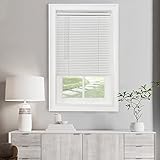
Cordless Light Filtering Mini Blinds for Indoor, 34 x 64 in, Pearl White | Cordless Lift and Light-Filtering Control: Slat-Based Blind Construction with Adjustable Light Control.

LOTUS & WINDOWARE Cordless Faux Wood Blinds, 35" Wide x 60" Long, Smooth, Snow White, 2 Inch Horizontal Blinds – for Living Room, Bedroom, Interior Door Windows
Where to Buy Window Blinds in Ethiopia (Online Stores and Local Shops)
Most specialist window blind businesses in Ethiopia are located in Addis Ababa. Some operate formal showrooms, while others sell through websites, Facebook, Instagram, Telegram, Jiji, or direct telephone orders. For a made-to-measure project, send the seller your approximate dimensions and photos, but request an on-site measurement before approving final production.
- Rise N Shine Blind Curtain Solutions
- Visit the Rise N Shine website; showroom information published online includes Mercy Plaza near Century Mall in the Gurd Shola area, Addis Ababa, with an additional showroom reported near the Commercial Bank of Ethiopia head-office building.
- Contact: ; contact the company through its website or current social-media page for telephone and WhatsApp details.
- Hours: Contact the business to confirm current showroom hours.
- Pyramid Curtains / Pyramid Trading PLC
- Visit the Pyramid Curtains website. The company supplies vertical, horizontal, roller, zebra, shutter, and custom curtain solutions in Ethiopia.
- Contact: Use the contact form or current contact information published on the company website.
- Hours: Contact the company before visiting or arranging a measurement.
- V. Karibian Upholstery, Curtains & Carpets
- Piyassa, opposite Elyana Hotel, Banko Deroma Building, second floor, Addis Ababa, Ethiopia.
- Contact: +251 907 760053; office numbers +251 111 114868 and +251 111 116922. Website: V. Karibian Curtains & Carpets.
- Hours: Monday to Saturday, 8:00 AM to 6:00 PM. Confirm before travelling because schedules can change.
- Standard Carpets & Window Blinds
- Addis Ababa, Ethiopia; contact the seller for its current showroom location and delivery coverage.
- Contact: +251 960 203040; view Standard Carpets & Window Blinds on Instagram.
- Hours: Contact the business to confirm current opening hours and showroom directions.
- Luxury Blinds Ethiopia
- Addis Ababa, Ethiopia; showroom or consultation address should be confirmed directly.
- Contact: +251 919 337648; view Luxury Blinds Ethiopia on Facebook.
- Hours: Contact the company before visiting or booking a measurement.
- Hope Shutter Work’s
- Addis Ababa, Ethiopia; contact the workshop for its current address and service area.
- Contact: +251 910 513380; view Hope Shutter Work’s on Facebook.
- Hours: Contact the business to confirm hours and appointment availability.
- Jiji Ethiopia
- Browse window blinds listed across Ethiopia on Jiji. Listings are especially concentrated in Addis Ababa and may include roller, Venetian, vertical, pleated, and office blinds.
- Contact: Each advertisement contains the individual seller’s current contact or messaging option.
- Hours: Vary by seller. Arrange a meeting carefully and inspect the item before paying.
- Facebook Marketplace Ethiopia
- Browse window blinds in Addis Ababa on Facebook Marketplace.
- Contact: Contact individual sellers through Facebook Messenger or the information shown in each listing.
- Hours: Vary by seller. Confirm pickup location, condition, measurements, and payment terms.
- Amazon International Search
- Compare window blinds and parts on Amazon.
- Contact: Use Amazon customer support or the individual marketplace seller.
- Hours: Online shopping is available continuously, but direct delivery availability to Ethiopia varies by product and seller.
Window Blinds Installation & Repair Services in Ethiopia
Many Ethiopian blind suppliers combine measuring, production, delivery, and installation. Dedicated blind-repair shops are less consistently advertised, so the best first contact is often the original supplier or a company that manufactures similar blind systems. Ask whether the technician can repair an existing blind from another supplier before booking a visit.
Common repair requests include broken roller chains, worn clutch mechanisms, loose brackets, torn fabric, bent vertical tracks, missing vertical vanes, jammed Venetian cords, damaged tilt wands, fallen headrails, motor failures, and blinds that no longer roll evenly.
- Rise N Shine Blind Curtain Solutions
- Mercy Plaza, near Century Mall, Gurd Shola area, Addis Ababa; confirm the exact showroom or service-departure location.
- Contact: or the Rise N Shine website. The company advertises local blind manufacturing, measuring, and installation.
- Hours: Confirm current hours and technician availability before visiting.
- Pyramid Curtains / Pyramid Trading PLC
- Addis Ababa, Ethiopia; request the current showroom location when booking.
- Contact: contact Pyramid Curtains online. The company advertises custom-sized blinds and professional installation.
- Hours: Appointment and operating hours should be confirmed directly.
- Luxury Blinds Ethiopia
- Addis Ababa, Ethiopia; contact the business for current showroom and site-visit details.
- Contact: +251 919 337648; Facebook: Luxury Blinds Ethiopia.
- Hours: Contact to arrange measuring, installation, or repair assessment.
- Hope Shutter Work’s
- Addis Ababa, Ethiopia; current workshop address should be confirmed by phone.
- Contact: +251 910 513380; Facebook: Hope Shutter Work’s.
- Hours: Contact the workshop before taking in an old blind or arranging installation.
- Standard Carpets & Window Blinds
- Addis Ababa, Ethiopia; request current showroom directions and installation coverage.
- Contact: +251 960 203040; Instagram: Standard Carpets & Window Blinds.
- Hours: Contact directly to confirm appointments.
- Harkani Interior Design and Finishing
- Gazebo Building, seventh floor, Gazebo Square, Addis Ababa, Ethiopia.
- Contact: +251 951 108127 or +251 966 501231; email: . Ask whether the company currently handles blind fitting or can refer a specialist installer.
- Hours: Contact before visiting or requesting a site inspection.
- Demitre Curtain Work & Decoration
- Friendship City Center, No. CF30, Addis Ababa, Ethiopia.
- Contact: +251 116 182491, +251 116 460045, or +251 118 606713. Confirm whether the required blind type and repair service are currently offered.
- Hours: Contact the store for current operating hours.
Window Blinds in Ethiopia Near Me Finder
For the fastest local results, search Google Maps using both English and Amharic wording. Useful searches include “window blinds Addis Ababa,” “roller blinds Addis Ababa,” “office blinds Ethiopia,” “blind curtain Addis Ababa,” “መስኮት መጋረጃ,” and the name of your sub-city or neighborhood.
In Addis Ababa, add areas such as Bole, Gurd Shola, Megenagna, Piassa, Arada, Lideta, Sar Bet, Bisrate Gabriel, Kazanchis, CMC, Ayat, or Addis Ketema to the search. Many Ethiopian blind businesses promote their work through Facebook, Instagram, Telegram, TikTok, and Jiji rather than maintaining a detailed map listing, so check those platforms as well.
Before travelling, call or message the seller and ask for a live location pin. Street descriptions can be more useful than formal addresses in Addis Ababa, but a shared map location reduces the chance of going to an old showroom. Also confirm whether the displayed location is a showroom, workshop, pickup point, or office.
For customers outside Addis Ababa, search the name of the nearest major city together with “curtain shop,” “interior decoration,” “office furniture,” or “window blinds.” Suppliers in Addis Ababa may also manufacture the blinds and send an installation team to Adama, Bishoftu, Hawassa, Bahir Dar, Dire Dawa, Jimma, Mekelle, Gondar, or other locations for a sufficiently large order.
Ethiopia Buying Guide & Installation/Repair Tips
- Ask whether the quote is per square meter or per finished blind: Ethiopian blind sellers may calculate prices differently. A low-looking quote may be a square-meter rate that does not yet include the headrail, chain, brackets, delivery, or installation.
- Request a written total in Ethiopian birr: Ask for the final ETB amount covering fabric, mechanism, frame, measuring, transport, installation, VAT, and any work outside Addis Ababa. This prevents misunderstanding after the blind has been manufactured.
- Confirm how long the price remains valid: Imported fabric, aluminum tracks, motors, chains, and mechanisms may be affected by exchange-rate and import-cost changes. Ask whether the written quotation is valid for 24 hours, seven days, or another stated period.
- Use sunscreen fabric for bright Ethiopian offices: Addis Ababa offices with large east-, west-, or south-facing glass may benefit from screen roller blinds that reduce glare while preserving daytime visibility. Ask to compare 1%, 3%, and 5% openness samples where available.
- Choose blackout fabric carefully: A blackout fabric does not automatically mean the full installation is completely dark. Standard roller blinds leave side and top gaps. Bedrooms needing stronger darkness may require an outside mount, wider overlap, side channels, or curtains layered over the blind.
- Prioritize dust-friendly materials: Addis Ababa’s dry seasons, roadside dust, construction activity, and open windows can make pale fabrics and horizontal slats dirty quickly. PVC vertical vanes, aluminum Venetian blinds, and wipeable roller fabrics are easier to maintain than delicate textiles.
- Inspect fabric samples in actual daylight: Colors can look different inside a showroom. Take the sample near your own window during the brightest part of the day, especially when choosing white, cream, grey, beige, or sunscreen mesh.
- Measure each window separately: Do not assume identical-looking apartment or office windows are exactly the same size. Measure width and drop at the top, middle, and bottom, and label each measurement by room.
- Let the installer take final production measurements: You can provide approximate dimensions for budgeting, but the supplier should take responsibility for final measurements before manufacturing expensive custom blinds.
- Decide between inside and outside mounting: Inside-recess blinds look neat but require sufficient depth and reasonably square openings. Outside-mounted blinds cover more light and can hide uneven plaster, shallow recesses, or existing curtain-rod holes.
- Check Ethiopian wall construction before drilling: Mounting into concrete, hollow block, stone, gypsum board, aluminum, or wood requires different screws and anchors. Tell the installer what is behind the plaster and avoid mounting into weak finishing material alone.
- Check for electrical cables and plumbing: Before drilling near a window, consider hidden electrical conduit, air-conditioning wiring, security-system cables, and plumbing. This is particularly important in recently renovated offices and apartment buildings.
- Secure heavy blinds properly: Wide roller blinds, faux-wood blinds, and long vertical tracks need more than light plastic plugs. Ask the installer to use anchors suitable for the wall and enough brackets to prevent sagging.
- Confirm chain position: Choose whether the roller chain should be on the left or right before production. Position it away from furniture, window handles, desks, and frequently used doors.
- Request child-safe controls: In homes, schools, clinics, and childcare areas, choose cordless blinds or properly tensioned chain systems. Loose cords and loops should not hang where children can reach them.
- Ask for spare vertical-blind vanes: If you are installing vertical blinds across an Ethiopian office, order several spare vanes in the same fabric and dye lot. Matching the exact shade later may be difficult.
- Keep extra brackets and connectors: Small imported blind parts may not always be available locally. Ask the supplier to leave spare brackets, chain connectors, end stops, carriers, clips, and screws after a large installation.
- Test every blind before paying the balance: Raise, lower, tilt, rotate, and fully open every blind. Check for uneven rolling, chain skipping, rubbing fabric, loose brackets, crooked headrails, damaged vanes, and motor noise.
- Check the fabric roll direction: Roller blinds can roll from the front or back of the tube. Reverse rolling may clear handles but creates a larger light gap. Standard rolling usually places the fabric closer to the glass.
- Ask about warranties in writing: Separate the warranty for fabric, workmanship, manual mechanisms, motors, remotes, and installation. Ask who pays for transport and labor if the blind fails outside Addis Ababa.
- Photograph the mechanism before dismantling a repair: Take clear pictures of bracket positions, chain routing, cord paths, carrier orientation, and end caps before removing parts. This makes reassembly easier and helps a remote supplier identify replacements.
- Do not force a jammed chain: A jammed roller blind may have a failed clutch, displaced chain, bent tube, or fabric wrapped unevenly. Pulling harder can break the chain or tear the fabric.
- Clean roller fabrics without soaking them: Use a soft brush, dry microfiber cloth, or lightly damp cloth after checking the manufacturer’s instructions. Excess water can stain sunscreen mesh, remove coatings, or cause fabric edges to curl.
- Vacuum vertical blinds gently: Use a low-suction upholstery attachment and support each vane. Pulling downward can break carriers or disconnect the vane from its hanger.
- Compare repair cost with replacement cost: Replacing a chain, bracket, wand, or clutch is usually worthwhile. Replacing torn low-cost fabric, a heavily bent track, or many broken carriers may cost almost as much as a complete new blind.
- Plan transport outside Addis Ababa: Long blind tubes and tracks can bend during transport. Ask whether the supplier uses rigid packaging and whether installation is available in your city rather than sending the blind by ordinary parcel service.
- Be cautious with marketplace deposits: For Jiji, Facebook, Instagram, or Telegram sellers, verify the business location, inspect samples, request a written order, and avoid paying the full amount before measurements and specifications are confirmed.
- Check imported Amazon parts before ordering: Compare the tube diameter, clutch shape, chain size, bracket spacing, vane width, track type, and motor voltage. A visually similar window blind replacement part may not fit an Ethiopian supplier’s system.
FAQ About Window Blinds in Ethiopia
Are window blinds readily available in Ethiopia?
Yes. Window blinds are available through specialist manufacturers, curtain shops, interior-design businesses, marketplace sellers, and office-furnishing suppliers. Addis Ababa has the widest selection, while larger orders may be delivered and installed in other Ethiopian cities.
How much do window blinds cost in Ethiopia?
Basic blinds may start around ETB 1,500 to ETB 3,000, while many made-to-measure roller, vertical, Venetian, or zebra blinds cost approximately ETB 3,000 to ETB 15,000 per window. Large, motorized, premium, or imported systems can cost ETB 20,000 or considerably more.
What is the most common type of blind in Ethiopian offices?
Roller, vertical, Venetian, and sunscreen blinds are common in Ethiopian offices. Roller blinds provide a cleaner modern appearance, while vertical blinds remain practical for wide windows and commercial spaces.
Where can I buy window blinds in Addis Ababa?
You can buy blinds from specialist businesses such as Rise N Shine, Pyramid Curtains, Standard Carpets & Window Blinds, Luxury Blinds Ethiopia, Hope Shutter Work’s, and curtain or interior-decoration shops around Addis Ababa. Jiji Ethiopia and Facebook Marketplace also contain local listings.
Can I buy ready-made blinds in Ethiopia?
Yes, although the selection is smaller than the made-to-measure market. Ready-made, imported, temporary, IKEA-style, and used blinds may appear through marketplaces and home-goods sellers. Always compare the exact width and drop with your window.
Are most blinds in Ethiopia made to measure?
Many specialist suppliers manufacture blinds according to the customer’s window measurements. This is especially common for roller, vertical, zebra, sunscreen, and office blinds because Ethiopian window sizes vary significantly.
Does the price normally include installation?
Not always. Some suppliers include measuring and installation, while others quote the blind separately. Ask for a written breakdown showing production, hardware, delivery, installation, taxes, and any travel fee.
Can blind companies install outside Addis Ababa?
Some Addis Ababa companies may travel to cities such as Adama, Bishoftu, Hawassa, Bahir Dar, Dire Dawa, Jimma, Gondar, or Mekelle, particularly for commercial or multi-window projects. Travel, accommodation, and transport charges may apply.
Which blinds are best for strong Ethiopian sunlight?
Sunscreen roller blinds are useful for glare reduction, while blackout roller blinds are better for bedrooms and rooms that need stronger shading. Zebra blinds offer flexible daylight control, and reflective or pale-colored fabrics may reduce solar heat better than dark fabrics.
Which blinds are easiest to clean in Ethiopia?
Wipeable PVC vertical blinds, aluminum Venetian blinds, and suitable roller fabrics are generally easiest to clean. They can be practical in dusty locations, kitchens, offices, roadside properties, and rooms where windows remain open.
Are blackout blinds available in Ethiopia?
Yes. Blackout roller blinds and blackout curtain materials are offered by a number of Addis Ababa suppliers. However, standard roller-blind installations may still allow light around the edges unless side channels or generous outside-mount overlap are used.
Are zebra blinds available in Ethiopia?
Yes. Zebra or day-and-night blinds are sold by several modern blind and curtain suppliers. They are commonly chosen for apartments, offices, reception areas, beauty salons, and contemporary homes.
Can I buy motorized blinds in Ethiopia?
Motorized blinds may be available from specialist suppliers and interior-design companies, usually as a custom order. Ask about motor brand, remote availability, replacement batteries, electrical requirements, warranty support, and access to spare parts.
Can old blinds be repaired in Ethiopia?
Many common problems can be repaired, including broken chains, loose brackets, damaged vertical carriers, missing vanes, jammed roller mechanisms, and faulty tilt controls. Contact the original supplier or a company that works with the same blind type.
How much does blind repair cost in Ethiopia?
Repair prices depend on the part and whether an on-site visit is needed. A small chain or bracket repair may cost a modest service fee, while replacing a full track, motor, tube, or fabric panel can approach the price of a new blind. Request an inspection and written quote.
What information should I send to a blind repair company?
Send clear photos of the full blind, damaged part, brackets, control side, headrail, and any label or brand name. Include the blind width, height, location, and a short description of what happens when you operate it.
Can I install window blinds myself?
Basic blinds can be installed by an experienced DIY user with the correct drill, level, anchors, and measurements. Professional fitting is safer for wide blinds, concrete walls, high windows, motorized systems, commercial projects, and expensive custom products.
What should I check before paying an Ethiopian blind installer?
Operate every blind fully, verify that brackets are secure, check that the fabric hangs level, inspect for stains or damage, confirm chain safety devices, and make sure all promised spare parts, invoices, and warranty documents are provided.
Can Amazon deliver window blinds to Ethiopia?
Some Amazon products may be eligible for international delivery, but availability varies by seller and item. Check shipping charges, import fees, delivery time, product dimensions, voltage for motorized products, and whether the seller accepts international returns.
Is it better to buy blinds locally or import them?
Local made-to-measure blinds are usually easier to measure, install, repair, and return. Importing may provide more styles or replacement parts, but shipping, customs, sizing mistakes, and limited warranty support can make the total cost higher.
How do I find a window blind shop near me in Ethiopia?
Search Google Maps, Jiji, Facebook, Instagram, Telegram, and TikTok using “window blinds,” “roller blinds,” “office blinds,” or “መስኮት መጋረጃ” together with your city or Addis Ababa neighborhood. Ask the seller to send a current location pin before visiting.
Summary
Window blinds are available throughout Ethiopia, although Addis Ababa has the greatest choice of specialist manufacturers, showrooms, installers, and marketplace sellers. Roller blinds are among the most common choices, while vertical, Venetian, zebra, blackout, sunscreen, bamboo, Roman, and motorized blinds are also available.
Basic blinds may start around ETB 1,500 to ETB 3,000, while many custom blinds fall between approximately ETB 3,000 and ETB 15,000 per window. Large commercial blinds, imported fabrics, smart controls, and motorized systems can cost considerably more. Because sellers may quote per blind or per square meter, always request a written total covering materials, hardware, measuring, delivery, installation, tax, and travel.
For the best result, compare several Ethiopian suppliers, inspect fabric samples, allow the installer to take final measurements, confirm wall and bracket requirements, test every blind before paying the final balance, and keep the supplier’s contact information for future repairs. Local purchasing is normally easier for custom fitting and warranty support, while Amazon and other international stores can be useful for specialized parts that are difficult to find locally.

60 PCS Vertical Blind Repair Tabs Kit Clear Fixer Verticle Blinds Snap in Replacement Slats Parts Panels
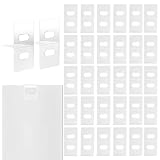
60 PCS (30 Sets) Vertical Blind Repair Tabs of Blind Repair kit/Vertical Blind Repair kit/Blind Fixer tabs/Clear Vertical Blind Repair Tabs
