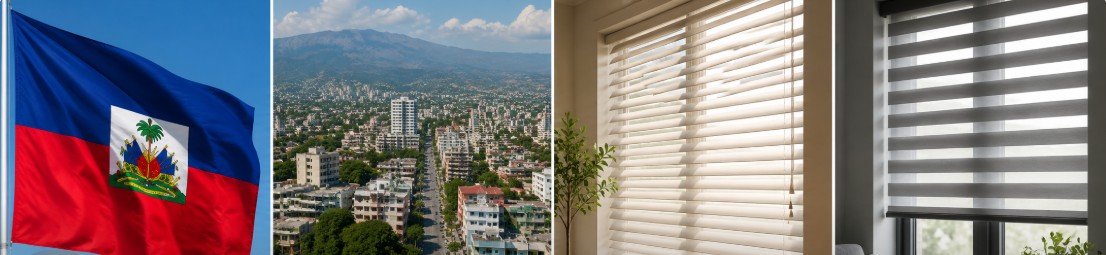
Window blinds are available in Haiti through local window-and-door manufacturers, curtain and blind shops, interior-design businesses, social-media sellers, and international online marketplaces. Buyers in Port-au-Prince, Pétion-Ville, Delmas, Cap-Haïtien, Saint-Marc, and other areas can compare custom roller, vertical, Venetian, zebra, blackout, and motorized blinds. This guide covers estimated prices, where to buy window blinds, local installation and repair options, and practical advice for choosing blinds that can handle Haiti’s heat, strong sunlight, humidity, dust, and seasonal storm conditions.
Types of Window Blinds Available in Haiti & Average Cost
Window blind availability in Haiti is strongest around Port-au-Prince, Delmas, Pétion-Ville, and other major urban areas. Local suppliers may manufacture blinds to order, import complete blind systems, or install blinds supplied by customers. Prices vary considerably because imported fabric, aluminum headrails, motors, replacement parts, transport, customs charges, exchange rates, window size, and installation complexity can all affect the final quote.
The dollar ranges below are practical estimates rather than fixed national prices. Some Haitian businesses quote in Haitian gourdes, while imported products may be priced or calculated in U.S. dollars. Always request a written quote based on the exact window measurements, material, controls, installation location, and delivery destination.
- Roller Blinds: Roller blinds are one of the most practical choices for Haitian homes, offices, clinics, schools, restaurants, and shops. Light-filtering fabric works well where daylight is wanted, while blackout fabric is useful for bedrooms and rooms exposed to intense afternoon sun. Expect approximately $30 to $100 per standard window, or more for wide, premium, cassette, or motorized models.
- Venetian Blind: Venetian blinds use adjustable horizontal slats and are useful in Haitian offices, apartments, bedrooms, and commercial buildings where precise light control is important. Aluminum and moisture-resistant faux-wood versions are generally more suitable than untreated real wood in humid or coastal locations. Estimated cost is about $25 to $120 per window.
- Vertical Blinds: Vertical blinds are commonly used on wide office windows, patio doors, sliding doors, clinics, schools, conference rooms, and commercial glass fronts. PVC vanes are easy to wipe clean, while fabric vanes provide a softer appearance. In Haiti, a custom vertical blind may cost approximately $45 to $160 per opening, depending on width, fabric, track quality, and fitting.
- Blackout Blinds: Blackout roller, cellular, or framed blinds can reduce early-morning light, street lighting, glare, and solar heat in Haitian bedrooms and media rooms. Basic blackout roller blinds may start around $40 to $110 per window, while side-channel or cassette systems may cost $100 to $250+.
- Zebra Blinds: Zebra or day-and-night blinds use alternating sheer and opaque fabric bands. They are popular in contemporary apartments, salons, reception areas, offices, and living rooms in Port-au-Prince and Pétion-Ville. Typical estimated pricing is $55 to $160 per window.
- Roman Blinds: Roman blinds provide a decorative fabric finish and can suit bedrooms, living rooms, hotels, guesthouses, and formal interiors. Because the fabric may collect dust and moisture, washable or easy-clean materials are preferable in Haiti. Custom Roman blinds may cost approximately $70 to $220 per window.
- Faux-Wood Blinds: Faux-wood blinds provide the appearance of painted or stained wood without the same sensitivity to humidity. They can be a good option for air-conditioned bedrooms, living rooms, offices, and kitchens. Expect approximately $60 to $180 per window, depending on slat width and blind size.
- Real-Wood Blinds: Real-wood blinds can provide a premium appearance, but they require more care in Haiti’s humid climate. They are better suited to dry, climate-controlled rooms away from direct water exposure. Prices commonly begin around $100 per window and can exceed $300 for large custom blinds.
- Cellular or Honeycomb Shades: Cellular shades use air pockets that can help reduce heat transfer through sunny windows. They can be useful in air-conditioned rooms where energy efficiency matters. Imported cellular shades may cost approximately $60 to $200 per window.
- Bamboo and Woven Blinds: Bamboo blinds can complement verandas, restaurants, balconies, beach properties, and tropical interiors. They provide filtered shade but may not offer full privacy or rain protection unless lined. Estimated prices range from $25 to $120 per panel.
- Solar Screen Shades: Solar shades reduce glare and direct solar heat while preserving part of the outside view. They are useful for west-facing offices, glass-fronted businesses, restaurants, and modern homes in Haiti. Prices are often around $60 to $200 per window.
- Motorized Blinds: Motorized roller, solar, blackout, or cellular shades can be operated by remote control, wall switch, app, or smart-home system. Because motors and compatible controls are normally imported, pricing can start around $180 to $500 per window and rise substantially for large or automated projects.
- Exterior Roller Shades: Exterior solar shades can reduce heat before sunlight reaches the glass, making them useful for terraces, restaurants, balconies, and heavily exposed windows. Hardware should be corrosion-resistant and securely anchored for Haiti’s weather conditions. Prices may range from $150 to $600+ depending on size and construction.
For standard sizes, replacement blinds, and accessories, buyers can compare window blinds on Amazon, blackout roller blinds, vertical window blinds, and cordless faux-wood blinds. Confirm international shipping availability, package dimensions, customs costs, and whether the seller will ship directly to Haiti before ordering.
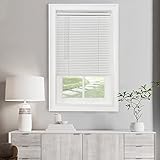
Cordless Light Filtering Mini Blinds for Indoor, 34 x 64 in, Pearl White | Cordless Lift and Light-Filtering Control: Slat-Based Blind Construction with Adjustable Light Control.

LOTUS & WINDOWARE Cordless Faux Wood Blinds, 35" Wide x 60" Long, Smooth, Snow White, 2 Inch Horizontal Blinds – for Living Room, Bedroom, Interior Door Windows
Where to Buy Window Blinds in Haiti (Online Stores and Local Shops)
Haiti has fewer large national blind-store chains than the United States or Canada, so local purchasing is often handled through specialist manufacturers, curtain shops, home-design companies, social-media sellers, and made-to-measure installers. Call or message before visiting because inventory, business hours, delivery coverage, and showroom availability can change.
- Action Entreprises Windows and Blinds S.A.
- View Action Windows and Blinds on Instagram
- Contact: +509 36 19 5572, +509 40 67 7551, +509 34 01 0101, +509 34 13 1313; email:
- Hours: Not consistently published online; call before visiting or arranging a measurement.
- MU’s Store
- Route de Delmas, Port-au-Prince, Haiti; view the MU’s Store Facebook page
- Contact: +509 38 68 5681
- Hours: Not publicly confirmed; contact the store before traveling.
- Roseen’or Tienda
- Port-au-Prince, Haiti; view Roseen’or Tienda on Facebook
- Contact: +509 43 90 0797; email:
- Hours: Not publicly confirmed; message or call for current opening times and product availability.
- Samar Jihad Design
- #15 Rue Rigaud, Pétion-Ville, Haiti; contact Samar Jihad Design through Facebook
- Contact: Use the current phone or messaging details shown on its Facebook business page.
- Hours: Contact the showroom directly because current hours may vary.
- WC Blinds
- Port-au-Prince, Haiti; view WC Blinds on Instagram
- Contact: Use Instagram direct message or the current contact information listed in the profile.
- Hours: Not publicly confirmed; arrange an appointment before visiting.
- LTD Construction S.A.
- Haiti; contact LTD Construction through Instagram
- Contact: Use the company’s current social-media contact details to request information about made-to-measure blinds.
- Hours: Not publicly confirmed; contact the business for consultation availability.
- Ubuy Haiti
- Shop imported blinds and shades through Ubuy Haiti
- Contact: Online customer-support options are provided through the Ubuy Haiti website.
- Hours: Online ordering is available 24 hours; customer-service response times may vary.
- Amazon
- Search Amazon for window blinds
- Contact: Customer support is available through the buyer’s Amazon account.
- Hours: Online ordering is available 24 hours, but direct shipping to Haiti depends on the item and seller.
When purchasing internationally, compare the full landed cost rather than only the listed product price. Large blind headrails and long packages can be expensive to ship, and oversized parcels may require a freight forwarder. Buyers using a Miami forwarding address should ask whether the forwarder accepts long blind packages and how dimensional weight is calculated.
Window Blinds Installation & Repair Services in Haiti
Custom blind suppliers in Haiti often provide measuring and installation as part of the order, although the service area and fees may vary. Repair support may include restringing, track replacement, broken vane replacement, bracket replacement, tilt-control repair, roller-tube adjustment, fabric replacement, or motor troubleshooting. Contact each provider to confirm that it services your blind type and location.
- Action Entreprises Windows and Blinds S.A.
- Haiti; request the current workshop, showroom, or service address when booking.
- Contact: +509 36 19 5572, +509 40 67 7551, +509 34 01 0101, +509 34 13 1313;
- Hours: Not consistently published online; appointments should be confirmed by phone.
- Samar Jihad Design
- #15 Rue Rigaud, Pétion-Ville, Haiti
- Contact: Contact through the company’s Facebook page for measurement, product, and fitting inquiries.
- Hours: Call or message for current showroom and consultation hours.
- LTD Construction S.A.
- Haiti; confirm the current business or project-service address before visiting.
- Contact: Contact through Instagram for made-to-measure blind and installation inquiries.
- Hours: Appointment information is not consistently published; request confirmation directly.
- WC Blinds
- Port-au-Prince, Haiti
- Contact: Use the current telephone, WhatsApp, or direct-message option shown on the WC Blinds Instagram profile.
- Hours: Contact before visiting or scheduling an installation.
- Independent Curtain and Blind Installers
- Available primarily in Port-au-Prince, Delmas, Pétion-Ville, Carrefour, Tabarre, and surrounding communes; exact addresses vary by installer.
- Contact: Search Facebook Marketplace, Instagram, WhatsApp business listings, and local home-improvement groups using terms such as “installation blinds Haiti,” “stores sur mesure Haiti,” “rideaux et stores Port-au-Prince,” and “réparation blinds Pétion-Ville.”
- Hours: Generally arranged by appointment.
For small repairs, replacement components such as vertical blind repair kits, roller blind brackets, blind cord replacement kits, and replacement tilt mechanisms may be ordered online. Verify the headrail type and dimensions before purchasing because blind parts are not universally interchangeable.
Window Blinds in Haiti Near Me Finder
For the highest concentration of blind and curtain businesses, begin your search in Port-au-Prince, Delmas, Pétion-Ville, Tabarre, and Carrefour. Search Google Maps using both English and French terms, including “window blinds Haiti,” “stores pour fenêtres,” “rideaux et stores,” “stores sur mesure,” “blinds Port-au-Prince,” and “installation stores Pétion-Ville.” Many Haitian businesses depend more heavily on Facebook, Instagram, WhatsApp, and telephone referrals than on traditional websites, so map listings alone may not show every active seller.
Before traveling, call or message the business to confirm its current location, opening hours, inventory, installation coverage, accepted payment methods, and whether visits require an appointment. For Cap-Haïtien, Les Cayes, Jacmel, Gonaïves, Saint-Marc, and other cities, ask Port-au-Prince suppliers whether they offer intercity delivery or can recommend a local installer. Long headrails and wide roller tubes are more difficult to transport than fabric curtains, so confirm package length and delivery arrangements in advance.
Haiti Buying Guide & Installation/Repair Tips
- Choose materials for Haiti’s humidity: Aluminum, PVC, vinyl, treated polyester, solar-screen fabric, and good-quality faux wood generally handle humid conditions better than untreated real wood, paper-based shades, or moisture-sensitive natural materials.
- Prioritize solar control on west-facing windows: Strong afternoon sunlight can create glare and heat in Port-au-Prince and other exposed areas. Solar shades, light-colored blackout blinds, cellular shades, or reflective roller fabrics can make sunny rooms more comfortable.
- Ask whether the quote is in U.S. dollars or Haitian gourdes: Never assume the currency. Request the currency, exchange-rate policy, deposit amount, balance due, and validity period of the quote in writing.
- Measure each window separately: Haitian homes may have masonry openings or frames that are not perfectly square. Measure the top, middle, and bottom width, plus the left, center, and right height. Do not assume two nearby windows are identical.
- Use strong anchors in concrete and masonry: Many installations involve concrete, block, or rendered walls rather than timber framing. The installer should use the correct masonry bit, plugs, anchors, and corrosion-resistant screws for the wall material.
- Check for hollow areas before drilling: Rendered walls can hide weak sections, electrical conduits, plumbing, or uneven masonry. A professional installer should inspect the fixing points before mounting a heavy headrail.
- Secure blinds against wind movement: Windows and doors that remain open for ventilation can cause blinds to swing or rattle. Ask for hold-down brackets, tensioned side guides, heavier bottom rails, or other suitable restraints.
- Do not rely on indoor blinds as hurricane protection: Blinds provide privacy and light control, not storm-impact protection. During tropical storms or hurricanes, raise indoor blinds where appropriate and use properly rated shutters or other approved exterior protection.
- Consider dust and road exposure: Homes near busy roads or unpaved areas may need blinds that can be wiped clean. PVC vertical blinds, aluminum Venetian blinds, and roller blinds with easy-care fabric can be simpler to maintain than heavily textured cloth.
- Use moisture-resistant blinds near the coast: Coastal salt air can corrode low-quality steel brackets and mechanisms. Request aluminum, stainless-steel, coated, or otherwise corrosion-resistant hardware where exposure is likely.
- Choose blackout carefully: Blackout fabric does not automatically eliminate all light. Side gaps may remain unless the blind uses a cassette and side channels or is mounted well beyond the window opening.
- Check ventilation before covering louvered windows: Some Haitian homes depend on jalousie or louvered windows for airflow. Avoid installing a blind that prevents the window from opening, blocks the operating handle, or traps moisture against the glass.
- Ask for washable samples: Before ordering a large project, test fabric samples for color, opacity, heat response, ease of cleaning, and appearance under Haiti’s strong daylight.
- Confirm child-safety features: Choose cordless blinds or properly tensioned continuous-loop controls in homes with young children. Loose cords should be secured with approved cleats or tension devices.
- Inspect imported packages immediately: Long blind packages can be bent during international shipping. Check the headrail, roller tube, bottom bar, brackets, and fabric before the courier leaves or before the return window expires.
- Confirm freight-forwarder size limits: A blind may be lightweight but billed at a high dimensional weight because of its length. Ask the forwarder about oversized-package charges before sending it to a Miami warehouse.
- Keep spare components: For large office, school, hotel, or clinic installations, order extra vertical vanes, carriers, brackets, chains, end caps, and control parts. Matching imported components may be difficult to find later.
- Protect motors from unstable electricity: Motorized blinds may benefit from appropriate surge protection and professionally planned power supplies. Ask whether replacement motors and remote controls will remain available.
- Photograph the mechanism before repair: Before removing cords, chains, brackets, or a headrail, take clear photos. This makes reassembly easier and helps an online parts supplier identify the correct component.
- Do not lubricate blind mechanisms with cooking oil: Cooking oil attracts dust and can damage plastic parts. Use only a manufacturer-approved dry lubricant when lubrication is appropriate.
- Get an itemized installation quote: Ask whether the price includes measuring, transport, drilling, mounting hardware, old-blind removal, cleanup, and return visits for adjustments.
- Check repair economics: Replacing a broken chain, bracket, vane, carrier, or cord can be worthwhile. A badly bent headrail, torn roller fabric, failed imported motor, or severely corroded system may cost more to repair than replace.
- Keep invoices and measurements: Save the supplier’s name, fabric code, color, finished width, finished drop, control side, and installation date. These details are useful when ordering matching blinds or repairs later.
FAQ About Window Blinds in Haiti
Can I buy window blinds locally in Haiti?
Yes. Window blinds are sold by specialist window-and-blind companies, curtain shops, interior-design businesses, social-media sellers, and made-to-measure installers, particularly around Port-au-Prince, Delmas, and Pétion-Ville.
What types of window blinds are commonly available in Haiti?
Common options include roller blinds, blackout blinds, vertical blinds, Venetian blinds, zebra blinds, faux-wood blinds, Roman blinds, solar shades, and some motorized systems. Exact availability depends on local stock and imported materials.
How much do window blinds cost in Haiti?
Basic standard blinds may cost approximately $25 to $100 per window, while custom, blackout, wide, premium, or motorized blinds may cost $100 to $500 or more. Request a Haiti-specific quote because shipping, customs, exchange rates, and installation can significantly affect the price.
Are blind prices in Haiti quoted in dollars or gourdes?
Businesses may quote in Haitian gourdes, U.S. dollars, or a gourde amount based on a current exchange rate. Confirm the currency and exchange-rate policy before paying a deposit.
Where can I buy blinds in Port-au-Prince?
Possible starting points include Action Entreprises Windows and Blinds, MU’s Store on Route de Delmas, Roseen’or Tienda, WC Blinds, Samar Jihad Design in Pétion-Ville, and other curtain or interior-design businesses found through Facebook, Instagram, WhatsApp, and Google Maps.
Can I order window blinds online for delivery to Haiti?
Yes. Ubuy Haiti lists imported blinds and shades, while some Amazon sellers may ship eligible products internationally. Another option is a freight forwarder with a Miami address, but confirm package-length and dimensional-weight charges first.
Does Amazon ship window blinds directly to Haiti?
Some products may qualify for direct international shipping, while others do not. Enter the Haitian delivery address on Amazon to check item-specific eligibility, shipping costs, estimated import charges, and delivery options.
What blinds are best for Haiti’s hot climate?
Solar shades, blackout roller blinds, light-colored blinds, cellular shades, aluminum blinds, and reflective fabrics can help manage glare and solar heat. Exterior shading is often more effective but must be securely installed for local weather conditions.
What blinds are best for humidity in Haiti?
PVC, vinyl, aluminum, treated polyester roller fabric, and quality faux wood are practical choices. Untreated real wood and moisture-sensitive natural materials may warp, stain, swell, or develop mildew in humid rooms.
Are wooden blinds a good choice in Haiti?
Real-wood blinds can work in dry, air-conditioned rooms, but faux wood or aluminum is usually easier to maintain in humid, coastal, kitchen, and bathroom environments.
Which blinds are easiest to clean in Haiti?
PVC vertical blinds, aluminum Venetian blinds, vinyl blinds, and smooth roller fabrics are generally easy to wipe clean. This can be useful in dusty areas, kitchens, schools, clinics, and properties near busy roads.
Can local installers measure my windows?
Many custom blind sellers offer measurement and installation, but the service area and fees vary. Ask whether measuring is free, included after purchase, or charged separately.
Can blinds be installed on concrete walls in Haiti?
Yes. The installer should use suitable masonry drill bits, anchors, plugs, and screws. Heavy or wide blinds require secure fixing into sound material rather than weak surface plaster.
How should I measure a window for blinds in Haiti?
Measure the width at the top, middle, and bottom and the height at the left, center, and right. Follow the seller’s instructions for inside or outside mounting and never deduct or add dimensions unless directed.
Are blackout blinds suitable for Haitian bedrooms?
Yes. They can reduce strong daylight, glare, and outside lighting. For better darkness, use an outside mount with generous overlap or a cassette system with side channels.
Are vertical blinds good for Haitian offices?
Yes. Vertical blinds are practical for wide windows and glass doors, provide adjustable glare control, and allow individual vanes or carriers to be replaced when damaged.
Can window blinds reduce air-conditioning costs?
Blinds can reduce direct solar gain and improve comfort, especially on east- and west-facing windows. Solar shades, cellular shades, reflective fabrics, and well-fitted blackout blinds can be useful, although results depend on the window and building.
Can window blinds protect windows during a hurricane?
No. Indoor window blinds are not hurricane protection. Use properly designed shutters, impact-resistant glazing, or another approved storm-protection system and follow official emergency guidance.
Can window blinds be repaired in Haiti?
Many common problems can be repaired, including broken brackets, damaged cords, faulty chains, missing vertical vanes, jammed carriers, and loose roller mechanisms. Availability of matching parts depends on the brand and system.
What should I do if a blind replacement part is unavailable locally?
Photograph and measure the damaged component, identify the blind brand where possible, and search online for an exact match. Generic parts do not fit every headrail, so compare dimensions carefully before importing them.
Should I choose DIY or professional blind installation in Haiti?
DIY can work for small, lightweight blinds on simple frames. Professional fitting is safer for concrete walls, large blinds, high windows, motorized systems, wide commercial openings, and installations requiring precise alignment.
How can I find a window blind installer near me in Haiti?
Search Google Maps, Facebook, Instagram, WhatsApp business listings, and local community groups using English and French terms. Contact Port-au-Prince suppliers for referrals if you live in Cap-Haïtien, Jacmel, Les Cayes, Gonaïves, Saint-Marc, or another city.
Summary
Window blinds in Haiti can be purchased through local manufacturers, blind and curtain stores, interior-design businesses, social-media sellers, Ubuy Haiti, Amazon, and international suppliers. Roller, vertical, Venetian, blackout, zebra, faux-wood, solar, cellular, and motorized blinds are all possible, although selection varies by seller and imported stock.
Basic blinds may cost around $25 to $100 per window, while custom, wide, blackout, premium, or motorized systems can cost from $100 to $500 or more. Buyers should confirm the quote currency, delivery charges, customs costs, measurements, material, installation hardware, and warranty before paying.
For Haiti’s climate, prioritize UV-resistant, moisture-resistant, easy-clean materials and corrosion-resistant hardware. Solar shades and blackout blinds are useful for strong sunlight, while PVC, aluminum, treated fabric, and faux wood generally handle humidity better than untreated natural wood. Local professional installation is particularly valuable for concrete walls, large windows, doors, motorized blinds, and commercial projects.

60 PCS Vertical Blind Repair Tabs Kit Clear Fixer Verticle Blinds Snap in Replacement Slats Parts Panels
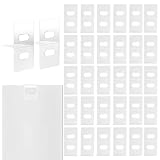
60 PCS (30 Sets) Vertical Blind Repair Tabs of Blind Repair kit/Vertical Blind Repair kit/Blind Fixer tabs/Clear Vertical Blind Repair Tabs
