

Window blinds are widely available in Japan through national home-furnishing chains, online marketplaces, specialist window-treatment retailers, and domestic manufacturers such as Tachikawa, Nichibei, and TOSO. Buyers can choose inexpensive ready-made blinds for apartments or order custom blinds for unusual Japanese window dimensions, sliding doors, high-rise homes, offices, and traditional-modern interiors. This guide explains typical prices, reliable places to shop, installation and repair options, and how to find places to buy window blinds throughout Japan.
Types of Window Blinds Available in Japan & Average Cost
Japan has a broad window-covering market ranging from inexpensive ready-made blinds sold by IKEA, Nitori, Amazon, Rakuten, and home centers to made-to-measure products from specialist retailers and major Japanese manufacturers. Japanese product listings often use terms such as ブラインド for slatted blinds, ロールスクリーン for roller blinds, バーチカルブラインド for vertical blinds, プリーツスクリーン for pleated shades, and ハニカムスクリーン for cellular or honeycomb blinds.
Prices vary according to width, drop, material, operating system, fabric grade, brand, fire-resistance certification, installation method, and whether the blind is ready-made or custom manufactured. The ranges below are approximate per window and may not include delivery, measuring, installation, disposal of old blinds, high-access work, or electrical work for motorized models.
- Roller Blinds: Known in Japan as roller screens, these are among the easiest styles to find for apartments, bedrooms, offices, kitchens, and small urban homes. Ready-made models commonly cost about ¥2,000–¥10,000, while custom blackout, washable, flame-retardant, or designer roller blinds may cost ¥10,000–¥35,000+ per window.
- Venetian Blinds: Aluminum horizontal blinds are common in Japanese offices, kitchens, bathrooms, rental units, and modern apartments. Basic ready-made models may cost around ¥3,000–¥12,000. Custom aluminum, perforated, moisture-resistant, or color-matched models can cost approximately ¥12,000–¥40,000+.
- Wooden Venetian Blinds: Wooden and wood-look blinds are popular in contemporary Japanese interiors that combine natural materials, neutral colors, and minimalist furniture. Faux wood models may cost approximately ¥10,000–¥30,000, while custom real-wood blinds commonly range from ¥25,000 to ¥80,000+ depending on size and timber finish.
- Vertical Blinds: Vertical blinds are commonly chosen for large balcony windows, wide living-room glazing, offices, clinics, studios, and sliding glass doors. Standard custom models generally start around ¥20,000–¥45,000, while wide, curved-track, dual-color, motorized, or premium fabric systems may cost ¥50,000–¥150,000+.
- Roman Blinds: Often sold as Roman shades or シェード, these suit bedrooms, dining areas, boutique interiors, and rooms where a softer fabric look is preferred. Depending on the fabric and lining, prices commonly range from ¥12,000 to ¥45,000+, with designer textiles and large custom sizes costing more.
- Pleated Blinds: Pleated screens are especially relevant in Japan because they complement Japanese-style rooms, shoji-inspired interiors, tatami rooms, and narrow window openings. Simple models may cost ¥8,000–¥20,000, while custom top-down/bottom-up, twin-fabric, or high-quality washi-look models can cost ¥20,000–¥60,000+.
- Cellular Blinds: Honeycomb or cellular shades are increasingly useful in Japanese homes where summer heat, winter drafts, condensation, and energy efficiency are concerns. Ready-made models may start around ¥5,000–¥15,000, while custom blackout, double-cell, or cordless models commonly cost ¥20,000–¥60,000+.
- Blackout Blinds: Blackout roller, cellular, and side-channel blinds are useful for bedrooms, children’s rooms, home theaters, night-shift workers, and rooms affected by bright city lighting. Prices generally range from ¥5,000 for basic ready-made blinds to ¥40,000–¥100,000+ for custom systems with side channels or motorization.
- Motorized Blinds: Motorized roller, vertical, Venetian, and cellular blinds are available from Japanese manufacturers and smart-home retailers. A single motorized blind may cost approximately ¥40,000–¥120,000+, while larger premium systems with wall controls, remote controls, timers, sensors, or home-automation integration can exceed ¥150,000 per window.
- Smart Blinds: Smart blinds are suitable for high windows, senior-friendly homes, modern apartments, and automated energy-management setups. Entry-level battery-operated products may cost around ¥20,000–¥50,000, while custom connected systems from specialist manufacturers can cost ¥70,000–¥200,000+ per opening.
- No-Drill Blinds: Tension-mounted, adhesive, clamp-fit, and temporary blinds are useful in Japanese rental apartments where the lease may restrict drilling into walls, window frames, or ceiling surfaces. Simple temporary products may cost ¥1,000–¥6,000, while higher-quality tension-fit roller or cellular systems may cost ¥8,000–¥30,000.
- Japanese-Style Screens: Washi-look pleated shades, bamboo blinds, sudare screens, and shoji-inspired window coverings remain popular for traditional rooms and modern interiors with Japanese design elements. Basic bamboo or sudare blinds can cost ¥1,000–¥8,000, while made-to-measure pleated or premium natural-material screens may cost ¥15,000–¥60,000+.
- Outdoor Sunshades and Sudare: Exterior sunshades are used in Japan to reduce strong summer sunlight before it reaches the glass. Basic reed or synthetic sudare can cost ¥1,000–¥5,000, while retractable exterior screens, awnings, and custom shading systems can range from ¥20,000 to ¥150,000+.
- Skylight and High-Window Blinds: Purpose-made blinds for atriums, stairwells, roof windows, and high clerestory windows usually require exact measurement and specialist installation. Prices commonly begin around ¥20,000–¥50,000 and can exceed ¥100,000 when motorization, custom tracks, or elevated installation work is required.
For basic DIY projects, shoppers can compare window blinds suitable for Japanese homes, no-drill window blinds, blackout roller blinds, and cellular window shades. Buyers in Japan should confirm whether a product ships domestically, whether dimensions are metric, and whether replacement parts will be available locally.
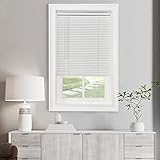
Cordless Light Filtering Mini Blinds for Indoor, 34 x 64 in, Pearl White | Cordless Lift and Light-Filtering Control: Slat-Based Blind Construction with Adjustable Light Control.

LOTUS & WINDOWARE Cordless Faux Wood Blinds, 35" Wide x 60" Long, Smooth, Snow White, 2 Inch Horizontal Blinds – for Living Room, Bedroom, Interior Door Windows
Where to Buy Window Blinds in Japan (Online Stores and Local Shops)
Window blinds in Japan can be purchased through online marketplaces, home-furnishing chains, home centers, specialist window-treatment retailers, manufacturer showrooms, and local curtain shops. Ready-made blinds are usually the cheapest and fastest option, while made-to-measure retailers are better for Japanese balcony windows, narrow sash windows, bay windows, high-rise apartments, offices, and unusual recess dimensions.
Manufacturer showrooms are useful for viewing samples and testing operating systems, but some showrooms do not sell products directly. In those cases, the showroom may direct you to an authorized dealer or interior shop. Booking ahead is recommended, especially when you need design advice, measurements, fabric comparison, motorized products, or English-language assistance.
- Amazon Japan
- Shop window blinds through Amazon Japan
- Contact: Use the Amazon Japan online customer-service and order-support system.
- Hours: Online shopping is available 24 hours; customer-support availability varies by contact method.
Amazon Japan is convenient for ready-made roller blinds, tension blinds, bamboo blinds, temporary shades, mounting hardware, repair parts, and imported products. Search using both English and Japanese terms such as ブラインド, ロールスクリーン, 遮光ロールスクリーン, 穴あけ不要, and ハニカムスクリーン. Always compare the actual product width with the width of the mounting brackets because some listings describe fabric width rather than total blind width.
- Rakuten Ichiba
- Browse blinds on Rakuten Ichiba
- Contact: Contact the individual Rakuten seller through the product or order page.
- Hours: Online shopping is available 24 hours; individual seller support hours vary.
Rakuten is useful for Japanese brands, custom-width blinds, domestic delivery, point rewards, and sellers that provide detailed Japanese measuring instructions. Because Rakuten is a marketplace, confirm the seller’s return policy, lead time, shipping region, and procedure for submitting custom measurements.
- Nitori
- Shop through the official Nitori online store or locate a nearby branch
- Contact: Use Nitori’s official online contact, chat, email, or telephone-support options.
- Hours: Online store available 24 hours; physical-store hours vary by location.
Nitori is one of the easiest places to compare affordable roller screens, wood-look blinds, tension products, curtains, rails, and installation accessories. It is a practical choice for renters, students, first apartments, spare rooms, and buyers who want standard sizes without commissioning a fully custom product.
- IKEA Japan
- View blinds and window shades from IKEA Japan
- Contact: Use IKEA Japan customer support through the official website.
- Hours: Online shopping is available 24 hours; store hours vary by branch.
IKEA Japan sells roller blinds, pleated shades, cellular blinds, blackout products, and selected smart or motorized window coverings. IKEA can be a good option when your window matches a standard size, but buyers should check mounting requirements and whether the product can be shortened or cut.
- Matsusou Tokyo Showroom
- 3F, Nihombashi-dori Nichome Building, 2-2-6 Nihombashi, Chuo-ku, Tokyo 103-0027, Japan
- Contact: 03-5204-2223; ; Matsusou Tokyo Showroom website
- Hours: 10:00–18:00; last standard reservation around 17:00. Closed Wednesday and during specified summer and New Year holidays.
Matsusou is useful for buyers who want custom blinds, multiple Japanese manufacturers, fabric comparison, professional measuring, installation, and coordinated curtains or interior products. Reservations are advisable before visiting.
- Tachikawa Blind Shinjuku Showroom
- B1F, Shinjuku L Tower, 1-6-1 Nishi-Shinjuku, Shinjuku-ku, Tokyo, Japan
- Contact: 03-6900-4400; Tachikawa Blind showroom information
- Hours: 10:00–18:00. Closed Wednesday and public holidays, with stated exceptions when a holiday falls on Saturday or Sunday. Advance web booking may apply.
Tachikawa is a major Japanese manufacturer offering horizontal blinds, wooden blinds, vertical blinds, roller screens, pleated screens, Roman shades, partitions, curtain rails, and motorized window products. The showroom is best used for viewing and comparing products; ordering may need to be completed through a dealer.
- Nichibei Nihombashi Showroom
- 1F, 3-15-4 Nihombashi, Chuo-ku, Tokyo 103-0027, Japan
- Contact: Showroom 03-3272-0445; product inquiries 03-3272-2595; Nichibei showroom information
- Hours: Consultation and viewing schedules vary; published telephone reception is generally 10:00–16:30. Closed Wednesday, Sunday, public holidays, summer holidays, and New Year holidays. Confirm current reservation requirements.
Nichibei displays horizontal blinds, vertical blinds, roller screens, pleated screens, honeycomb shades, Roman shades, and specialist commercial products. It is useful for checking mechanisms, colors, opacity, and product compatibility before ordering through a dealer.
- TOSO Tokyo Showroom
- 1F, TOSO Head Office, 1-4-9 Shinkawa, Chuo-ku, Tokyo 104-0033, Japan
- Contact: 03-3552-1255; TOSO Tokyo Showroom website
- Hours: 10:00–17:00 by advance reservation. Closed Saturday, Sunday, public holidays, summer holidays, and New Year holidays.
TOSO offers curtain rails, roller screens, blinds, Roman-shade systems, and window accessories. The showroom does not necessarily sell products directly, so visitors may need to order through an interior shop or authorized retailer after choosing the product.
Window Blinds Installation & Repair Services in Japan
Professional installation is recommended for heavy wooden blinds, wide vertical blinds, motorized systems, high windows, concrete mounting surfaces, commercial properties, and custom products where incorrect installation could void a warranty. Repair is often possible when the headrail and main structure remain sound. Common Japanese blind repairs include replacing lift cords, chains, tilt controls, slats, carriers, bottom chains, brackets, motors, remotes, and fabric rolls.
Before requesting service, photograph the full blind, damaged area, controls, brackets, and any identification or maintenance label attached to the headrail. Japanese manufacturers commonly use the maintenance label to identify the model, dimensions, production date, color, and replacement-part compatibility.
- Nichibei Service Co., Ltd.
- 22-6 Nihombashi Kabutocho, Chuo-ku, Tokyo 103-0026, Japan
- Contact: 03-3664-7716; Nichibei Service blind repair information
- Hours: Contact the company during normal Japanese business hours; repair scheduling and regional service availability vary.
Nichibei Service provides installation, maintenance, cleaning, and repair services for Nichibei blind products. Repairable issues may include horizontal blinds that no longer lower, slats that will not rotate, damaged slats, worn cords, and operating-system failures.
- Tachikawa Sohbi Co., Ltd.
- 2-16-4 Yoyogi, Shibuya-ku, Tokyo 151-0053, Japan
- Contact: 03-3375-7411; Tachikawa Sohbi maintenance service
- Hours: Contact ahead during normal weekday business hours to confirm repair intake, inspection, and regional availability.
Tachikawa Sohbi provides blind sales, design, installation, adjustment, replacement, and maintenance. Published services include replacement of lift cords, damaged slats, tilt rods, control cords, ladder cords, and components used on vertical blinds and partitions. The company also states that it can address certain products made by other manufacturers, subject to inspection and part availability.
- Matsusou Tokyo Showroom Installation Service
- 3F, Nihombashi-dori Nichome Building, 2-2-6 Nihombashi, Chuo-ku, Tokyo 103-0027, Japan
- Contact: 03-5204-2223; ; Matsusou installation consultation
- Hours: 10:00–18:00; closed Wednesday and during published seasonal holidays.
Matsusou offers product consultation, measuring, supply, and installation for blinds, roller screens, curtains, and related window treatments. It is a practical option when replacing several blinds or when you want one company to coordinate measurement, ordering, delivery, and fitting.
- Nichibei Customer Support and Nihombashi Showroom
- 3-15-4 Nihombashi, Chuo-ku, Tokyo 103-0027, Japan
- Contact: Product inquiries 03-3272-2595; showroom 03-3272-0445; Nichibei customer support
- Hours: Telephone and showroom schedules vary; verify current hours before visiting.
Nichibei publishes installation, removal, troubleshooting, care, and repair-manual information. For a broken product, locate the maintenance label and have the product number ready before calling. Depending on the issue, the company may direct you to a service division, dealer, or replacement-part procedure.
- Tachikawa Blind Customer Support and Dealer Network
- Head Office: 3-1-12 Mita, Minato-ku, Tokyo 108-8334, Japan
- Contact: Use the Tachikawa customer-support and dealer-search pages or contact the retailer that supplied the blind.
- Hours: Support and dealer hours vary; confirm with the relevant office or retailer.
Tachikawa provides product manuals, maintenance information, FAQs, warranty guidance, showroom information, and a dealer search. For warranty or repair questions, retain the receipt, order details, instructions, and identification label.
Window Blinds in Japan Near Me Finder
The fastest way to find a blind shop in Japan is to search Google Maps using both English and Japanese. Useful searches include “window blinds near me,” “ブラインド 店,” “ブラインド 取付,” “ブラインド 修理,” “ロールスクリーン オーダー,” “カーテン専門店,” and the name of your city or ward. Japanese searches often produce more local results than English-only searches.
In major cities such as Tokyo, Yokohama, Osaka, Kyoto, Nagoya, Sapporo, Sendai, Hiroshima, Fukuoka, Kobe, and Naha, start with manufacturer showrooms, curtain specialists, interior stores, and large home centers. In smaller cities, check local curtain shops, renovation companies, interior contractors, and authorized manufacturer dealers.
Do not assume that every showroom sells products directly. Manufacturer showrooms may display samples and provide technical advice but require customers to order through a local dealer. Call before traveling and ask whether the location offers retail sales, measuring, home visits, installation, repairs, replacement parts, and English-language support.
When searching near a railway station, add the station name—for example, “Shinjuku blind showroom,” “大阪 ブラインド 店,” or “Nagoya roller screen shop.” In suburban areas, searching by city plus “カーテン専門店” or “内装店” may reveal installers who do not use the English term “blinds” in their business listing.
Japan Buying Guide & Installation/Repair Tips
- Measure in millimeters: Japanese custom-blind sellers generally request dimensions in millimeters rather than inches. Record width and height at the top, middle, and bottom of the opening because apartment walls and older window recesses may not be perfectly square.
- Distinguish recess size from finished blind size: Some Japanese retailers automatically deduct a small amount for an inside-mounted blind, while others expect you to submit the finished product width. Read the measuring guide carefully before ordering.
- Check whether the measurement means fabric width or total width: On roller screens, the fabric is usually narrower than the complete bracket-to-bracket width. This can create unexpected light gaps if you order based only on fabric dimensions.
- Confirm your lease rules before drilling: Many Japanese rental contracts restrict drilling into walls, window frames, concrete, or structural surfaces. Ask the landlord or management company before installing screws, and consider tension-fit, clamp-fit, adhesive, or temporary blinds where permanent mounting is prohibited.
- Identify the wall material: Japanese homes may have plasterboard, wood backing, concrete, steel framing, tile, or thin decorative panels around the window. The correct anchor and screw depend on the surface. Never assume that a hollow wall can support a heavy wooden blind.
- Look for hidden backing: A curtain rail may be secured into reinforced backing, but the surrounding wall may not be. Use a suitable detector or consult the building plans, landlord, contractor, or installer before mounting a heavy blind.
- Account for earthquake safety: Use all specified brackets, tighten fasteners correctly, and avoid mounting a heavy blind into weak material. In earthquake-prone Japan, a poorly mounted headrail can become a falling hazard.
- Check air-conditioner clearance: Japanese split-system air conditioners are frequently installed above or beside windows. Confirm that a blind, valance, or upward-opening mechanism will not block airflow, maintenance access, filters, drain lines, or the air-conditioner cover.
- Check window-handle clearance: Casement windows, tilt windows, and balcony doors may have projecting handles. Measure the distance between the glass, handle, and planned blind position so slats or fabric do not rub against the hardware.
- Plan around balcony doors: Many Japanese apartments have wide sliding balcony doors. Vertical blinds, panel blinds, curtains, or separate roller blinds may be easier to use than one very wide and heavy horizontal blind.
- Consider split blinds for wide glazing: Two or three separate blinds can be easier to raise, repair, and replace than one oversized unit. Align divisions with the window mullions to minimize visible gaps.
- Choose humidity-resistant materials: Japan’s humid summers can affect untreated wood, natural fibers, and some fabrics. For kitchens, bathrooms, laundry spaces, and humid coastal regions, consider aluminum, PVC, washable polyester, or moisture-resistant faux wood.
- Consider condensation: Winter condensation is common on some Japanese windows. Keep fabric away from wet glass, ventilate the room, wipe moisture promptly, and avoid materials that can absorb water and develop mold.
- Use blackout products carefully: A fabric labeled 遮光 may have a Japanese blackout grade, but the finished blind can still leak light at the edges. For stronger darkness, choose an outside mount, overlap the recess, or use a side-channel system.
- Check fire-resistance requirements: Apartments, offices, hotels, clinics, and commercial premises may require flame-retardant window fabrics marked 防炎. Ask the building manager or installer whether certified material is required.
- Think about summer solar heat: West- and south-facing windows can become extremely hot in Japanese summers. Solar-screen fabric, reflective backing, exterior sudare, or cellular shades may reduce discomfort more effectively than decorative fabric alone.
- Use exterior shading where permitted: Sudare, balcony sunshades, and exterior screens can stop heat before it reaches the glass. Confirm condominium-management rules before fixing anything to railings, façades, or shared exterior areas.
- Compare Japanese brand support: Domestic brands such as Tachikawa, Nichibei, and TOSO generally provide product manuals, dealer networks, replacement information, and identification labels. Long-term parts support can be more valuable than saving a small amount on an unbranded blind.
- Keep the maintenance label readable: Do not remove the model or maintenance sticker from the headrail. Photograph it after installation so you can identify the size, color, production code, and model if a cord, carrier, chain, slat, or motor later fails.
- Keep receipts and order sheets: Custom blinds may contain model codes and fabric numbers that are difficult to identify visually. Save the invoice, quotation, measurement sheet, installation instructions, remote-control manual, and warranty paperwork.
- Inspect delivery damage immediately: Long blind headrails can bend during transport. Open the package carefully, check the tube, slats, fabric edges, brackets, bottom rail, and controls, and report damage before installation.
- Do not force a jammed blind: Pulling hard on a stuck chain or lift cord can damage the clutch, cord lock, ladder system, or fabric. Stop operating the blind and inspect for a trapped object, twisted cord, misaligned bracket, or uneven roll.
- Use genuine or matching parts: Blind components that look similar may have different shaft shapes, carrier sizes, chain pitches, bracket spacing, or motor specifications. Match the manufacturer, model, measurements, and maintenance label before ordering replacement parts.
- Use appropriate DIY tools: Common supplies include a metric tape measure, level, pencil, screwdriver, drill, correct drill bits, anchors, and a detector suitable for the wall. You can compare window-blind installation kits, blind mounting brackets, and laser levels for blind installation.
- Hire a professional for concrete: Drilling into reinforced concrete requires suitable equipment and awareness of wiring, pipes, building rules, and noise restrictions. In apartments, unauthorized drilling can cause damage or violate management regulations.
- Hire a professional for motorized blinds: Battery products may be simple, but hardwired systems should be planned with a qualified installer or electrician. Confirm voltage, transformer placement, control wiring, access for maintenance, and smart-home compatibility.
- Ask about site-survey fees: Japanese blind retailers may charge for measuring, travel, parking, installation, removal, or a failed visit. Request an itemized estimate showing product cost, tax, delivery, installation, high-access charges, and disposal.
- Check lead times before moving: Ready-made blinds can be available immediately, but made-to-measure Japanese blinds may require one to several weeks. Motorized, curved, unusually wide, or specialty-fabric products may take longer.
- Confirm delivery access: Long headrails may not fit in compact elevators, narrow stairwells, or tight apartment corridors. Tell the retailer about building access before ordering an extra-wide blind.
- Schedule noisy work appropriately: Condominium rules may limit drilling and installation to certain daytime hours. Inform building management and nearby residents when required.
- Clean according to the material: Dust aluminum and wooden slats with a soft cloth or brush. Vacuum fabric blinds gently using a low-power upholstery attachment. Do not wash or soak fabric unless the manufacturer specifically labels it washable.
- Address mold early: If condensation causes spotting, improve ventilation and humidity control before replacing the blind. Installing a new fabric blind without fixing the moisture problem may result in repeated mold growth.
- Repair when the main structure is sound: A broken chain, wand, cord, bracket, carrier, or individual slat may be cheaper to repair than replacing the entire blind, especially on custom Japanese products.
- Replace when parts are obsolete: Replacement may be more practical if the headrail is bent, the fabric is brittle, several components have failed, the motor is unsupported, or the original model is too old for compatible parts.
- Request English support in advance: Some major showrooms may have English-speaking staff, translated catalogs, or online assistance, but availability is not guaranteed. Mention your language needs when booking.
FAQ About Window Blinds in Japan
Are window blinds easy to buy in Japan?
Yes. Ready-made blinds are available through Amazon Japan, Rakuten, Nitori, IKEA, home centers, and interior shops. Custom blinds are available through Japanese manufacturers, curtain specialists, showrooms, and local installers.
What are window blinds called in Japanese?
Slatted blinds are commonly called ブラインド. Roller blinds are usually called ロールスクリーン, vertical blinds are バーチカルブラインド, pleated shades are プリーツスクリーン, and cellular shades may be called ハニカムスクリーン.
How much do window blinds cost in Japan?
Simple ready-made blinds may cost around ¥1,000–¥10,000. Mid-range custom roller or aluminum blinds commonly cost ¥10,000–¥40,000 per window, while wooden, vertical, motorized, or premium custom blinds may cost ¥30,000–¥150,000+.
Where can I buy inexpensive blinds in Japan?
Check Nitori, IKEA Japan, Amazon Japan, Rakuten, home centers, and discount interior retailers. Standard-size roller blinds, temporary pleated shades, tension blinds, and bamboo screens are usually the least expensive choices.
Where can I buy custom blinds in Japan?
Custom blinds can be ordered through specialist curtain and blind shops, Matsusou, authorized dealers, renovation contractors, and retailers that handle Tachikawa, Nichibei, TOSO, and other Japanese manufacturers.
Do Japanese manufacturer showrooms sell blinds directly?
Not always. Many showrooms are designed for viewing products, comparing samples, and receiving technical guidance. Customers may need to place the final order through an authorized dealer, curtain shop, or interior contractor.
Can I install blinds in a rented apartment in Japan?
Possibly, but you should check the lease and ask the landlord or management company before drilling. Tension-mounted, clamp-fit, adhesive, and temporary blinds are safer choices when permanent holes are prohibited.
What blinds are best for Japanese rental apartments?
Lightweight roller blinds, tension-fit blinds, no-drill blinds, temporary pleated shades, and removable cellular shades are practical choices. The best option depends on the recess, window handle, lease restrictions, and required privacy.
What blinds work best for Japanese balcony doors?
Vertical blinds, panel blinds, curtains, or separate roller blinds can work well for wide sliding balcony doors. Dividing the covering at the window mullions can make daily access easier.
Are blackout blinds available in Japan?
Yes. Blackout roller blinds, cellular shades, Roman shades, and curtains are widely available. Look for the term 遮光, but remember that light can still enter around the sides unless the blind overlaps the opening or uses side channels.
What blinds are best for hot Japanese summers?
Solar-screen roller blinds, reflective-backed blinds, cellular shades, exterior sunshades, and sudare can help reduce heat and glare. Exterior shading is often effective because it blocks sunlight before it reaches the glass.
What blinds are best for winter insulation in Japan?
Cellular or honeycomb shades are a strong choice because their air pockets can reduce heat transfer. Thick lined Roman shades and layered curtains can also help, especially around older single-glazed windows.
Are wooden blinds suitable for Japan’s humid climate?
They can work in dry, well-ventilated living areas, but real wood may warp or discolor in bathrooms, laundry rooms, damp kitchens, and rooms with frequent condensation. Aluminum or moisture-resistant faux wood is safer in humid areas.
Can window blinds be repaired in Japan?
Yes. Japanese manufacturers and service companies may repair lift cords, chains, slats, carriers, tilt mechanisms, brackets, motors, and other components. Repair depends on the model, age, condition, and availability of matching parts.
Who repairs Tachikawa blinds in Japan?
Start with the original retailer, Tachikawa customer support, an authorized dealer, or Tachikawa Sohbi. Keep the product’s maintenance label and order information available when requesting service.
Who repairs Nichibei blinds in Japan?
Contact the original seller, Nichibei customer support, or Nichibei Service. Nichibei Service handles installation, maintenance, cleaning, and repairs for Nichibei blind products.
How do I identify my Japanese blind model?
Look for a maintenance or identification label on the headrail, back of the cassette, bottom rail, or motor housing. Photograph the model number, dimensions, production date, and color code before contacting a retailer or repair company.
How much does blind installation cost in Japan?
Installation varies by product, location, wall type, access, and number of blinds. A simple installation may cost several thousand yen per blind, while high windows, concrete drilling, large blinds, electrical work, or long-distance travel can cost considerably more.
Can I install blinds into concrete walls in Japan?
It is possible with the correct tools, anchors, and permission, but professional fitting is usually safer. Apartment management rules may restrict drilling, and hidden pipes, wiring, or structural elements can create risks.
Do I need flame-retardant blinds in Japan?
Some apartments, commercial buildings, hotels, offices, and regulated premises may require flame-retardant window furnishings. Ask the building manager or installer whether products marked 防炎 are required.
Are motorized blinds available in Japan?
Yes. Japanese manufacturers and international retailers offer battery-powered, plug-in, and hardwired motorized blinds. Options may include remote controls, timers, sensors, wall switches, smartphone apps, and smart-home integration.
Can I use imported blinds in Japan?
Yes, but verify metric dimensions, delivery costs, voltage and plug requirements for motorized products, replacement-part availability, warranty coverage, Japanese building requirements, and whether the included brackets suit your mounting surface.
Do blind stores in Japan offer English-language service?
Some major retailers and showrooms may offer English assistance, but it is not guaranteed. Contact the store before visiting, use translated measurements and photos, or bring a Japanese-speaking person when ordering a complex custom product.
What should I bring to a Japanese blind showroom?
Bring window photographs, millimeter measurements, room photos, floor plans if available, wall and trim colors, handle-clearance measurements, installation-surface details, and notes about privacy, blackout, insulation, and budget requirements.
How long do custom blinds take to arrive in Japan?
Lead times vary by manufacturer and season. Straightforward custom products may take one to several weeks, while motorized, specialty-shaped, imported, extra-wide, or high-demand products may take longer.
Should I repair or replace an old blind in Japan?
Repair is sensible when the headrail and fabric remain in good condition and a matching cord, chain, slat, bracket, or control is available. Replacement is usually better when the product is badly bent, moldy, brittle, obsolete, or affected by several failures.
Summary
Window blinds are easy to find throughout Japan, with choices ranging from low-cost temporary shades and ready-made roller blinds to custom wooden, vertical, cellular, blackout, and motorized systems. Amazon Japan, Rakuten, Nitori, and IKEA are convenient for basic products, while specialist retailers and domestic manufacturers are better for unusual dimensions, premium materials, wide balcony windows, commercial installations, and long-term parts support.
For the best result, measure in millimeters, confirm whether the seller wants recess or finished-blind dimensions, check lease restrictions, identify the mounting surface, and account for window handles, air conditioners, condensation, humidity, and earthquake-safe mounting. Keep the receipt and maintenance label after installation because these details make future repair and replacement-part searches much easier.
Professional installation is worth considering for concrete walls, heavy wooden blinds, wide vertical blinds, high windows, and motorized systems. If an existing blind stops working, contact the original retailer or the manufacturer before replacing it. Many Japanese blinds can be restored by replacing a cord, chain, carrier, slat, bracket, or operating unit rather than purchasing a completely new blind.

60 PCS Vertical Blind Repair Tabs Kit Clear Fixer Verticle Blinds Snap in Replacement Slats Parts Panels

Vertical Blinds Replacement Stem and Gear Used for Headrail, Carrier Stem Vertical Blinds Curtain Accessories(12 Sets)
