
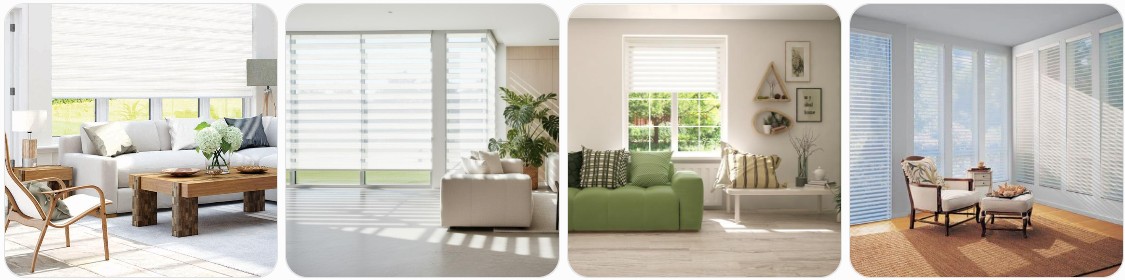
Daylight blinds are a practical choice when you want a room to stay bright without dealing with harsh glare, washed-out screens, or exposed windows. This buying guide explains what daylight blinds are, how they work, where to buy them online, how much they usually cost, and what to check before choosing the right style for your home.
- Table of Contents:
- Daylight Blinds At a Glance
- What Are Daylight Blinds? How Daylight Blinds Work?
- Daylight Blinds Pros and Cons
- Daylight Blinds Cost
- Where to Buy Daylight Blinds Online
- How to Find Daylight Blinds Stores Near You
- What to Check Before Buying Daylight Blinds
- Daylight Blinds Installation Options
- FAQ About Daylight Blinds
Daylight Blinds At a Glance
- Best for: Living rooms, kitchens, home offices, dining rooms, conservatories, street-facing windows, and bright rooms where you still want natural light.
- Main purpose: To soften daylight, reduce glare, improve daytime comfort, and make a room feel brighter without leaving the window fully exposed.
- Common styles: Light-filtering roller blinds, sheer blinds, sunscreen blinds, screen blinds, zebra/day-night blinds, and some pleated or cellular light-filtering options.
- Privacy level: Usually good during the daytime, but not always full privacy at night when indoor lights are on.
- Light control: Better for filtering and diffusing light than for blocking it completely.
- Average cost: Around $20 to $80 per ready-made blind, $70 to $250+ per custom blind, and more for motorized or premium fabrics.
- Installation difficulty: Usually easy to moderate for DIY if the blind is ready-made and the window is simple.
- Biggest advantage: They keep rooms bright while reducing glare and making windows look cleaner and more finished.
- Biggest drawback: Most daylight blinds are not designed for full blackout or complete nighttime privacy.
What Are Daylight Blinds? How Daylight Blinds Work?
What Are Daylight Blinds?
Daylight Blinds are blinds designed to filter incoming sunlight instead of blocking it completely. They are usually made from light-filtering fabric, sheer fabric, sunscreen mesh, translucent polyester, woven material, or layered fabric that softens harsh daylight while keeping the room naturally bright.
The term “daylight blinds” is often used for several related blind styles rather than only one exact product. In many stores, you may see daylight blinds described as light-filtering blinds, sheer blinds, solar shades, sunscreen roller blinds, screen blinds, day and night blinds, zebra blinds, or privacy light-filtering shades. The main idea is the same: they reduce glare and brightness without turning the room dark.
Daylight blinds are especially useful in rooms where blackout blinds would feel too heavy or too dark during the day. For example, a home office may need daylight for a pleasant working environment, but too much direct sun can create screen glare. A living room may need a softer, more comfortable glow without losing the open feeling of the window. A kitchen may benefit from filtered daylight while still looking clean and simple.
These blinds are different from blackout blinds. Blackout blinds are made to block as much light as possible, while daylight blinds are made to manage light. They do not usually create total darkness. Instead, they diffuse sunlight, reduce sharp shadows, and help make the room feel more balanced. If you want privacy during the day without losing brightness, daylight blinds can be a strong choice.
Daylight blinds can also help protect furniture, flooring, screens, and décor from some direct sun exposure. They may not block every ray of UV light unless the fabric is specifically rated for UV reduction, but they can reduce the intensity of sunlight entering the room. This makes them useful for rooms with strong afternoon sun, large glass doors, south-facing windows, or bright open-plan spaces.
How Daylight Blinds Work?
Daylight blinds work by placing a filtering layer between the window glass and the room. Instead of stopping light fully, the blind fabric spreads and softens the light. This reduces glare, cuts down the sharpness of direct sun, and makes daylight feel more comfortable indoors.
In roller-style daylight blinds, the fabric rolls up and down around a tube. When lowered, the fabric covers the glass and filters sunlight. The openness, thickness, weave, and color of the material determine how much light passes through. A very sheer fabric allows more brightness and view-through, while a tighter light-filtering fabric gives more privacy and stronger glare reduction.
In zebra or day-night daylight blinds, the blind uses alternating sheer and solid fabric bands. When the sheer sections line up, more daylight comes through. When the solid sections overlap, the blind gives more privacy and reduces light more strongly. This makes them popular for rooms where you want flexible control throughout the day.
In screen or solar daylight blinds, the fabric often has a woven mesh structure. The openness factor of the mesh controls visibility and glare reduction. A lower openness percentage usually gives more glare control and privacy, while a higher openness percentage allows more outward view and brightness. These are common in offices, sunny rooms, and modern homes where glare control matters.
Some daylight blinds also work through pleated, cellular, or sheer fabric systems. These options may soften light while adding a more decorative or insulating effect. The best type depends on whether your priority is brightness, privacy, heat reduction, UV protection, style, or easy cleaning.
For most homes, daylight blinds work best when you choose the fabric based on the room’s actual problem. If the room feels too exposed, choose a denser light-filtering fabric. If the room feels too dark with regular blinds, choose a more translucent fabric. If glare is the issue, look for screen, solar, or daylight roller blinds with glare-reducing material.
You can also compare related options like light filtering roller blinds, sheer window blinds, and zebra day night blinds if you want a daylight-friendly blind that still gives adjustable privacy.

Persilux Cordless Zebra Blinds for Windows Free-Stop Roller Windows Shades (24" W X 72" H, White) Dual Layer Light Control for Day and Night, Light Filtering Sheer Shades for Home, Easy to Install

SLKWDOBD 2-in-1 Day Night Cellular Shades Cordless, Top Down Bottom Up Double Honeycomb Blinds, Blackout and Light Filtering Pull Down Pleated Accordion Shades for Indoor Windows (Custom Size)

Motorized Blinds No Drill Automatic Blinds for Windows Cordless Roller Shades Electric Blinds with Remote Control Smart Blinds (White, 22 x 72)
Daylight Blinds Pros and Cons
Pros of Daylight Blinds
- Keeps rooms bright: Lets natural daylight enter without leaving the window bare.
- Reduces glare: Helpful for TVs, monitors, tablets, and bright workspaces.
- Softens harsh sunlight: Makes direct sun feel less intense and more comfortable.
- Good daytime privacy: Many daylight fabrics make it harder for people outside to see in during the day.
- Modern look: Works well with clean, simple interiors and minimalist window designs.
- Many style choices: Available as roller, sheer, solar, screen, zebra, day-night, pleated, and cellular styles.
- Easy to use: Most daylight roller blinds operate with a chain, cordless lift, spring system, or motor.
- Can reduce heat feel: Solar and screen fabrics may reduce some heat and glare from direct sunlight.
- Less bulky than curtains: Good for smaller rooms, shallow window recesses, and modern spaces.
- Useful for layered window treatments: Can be paired with curtains, blackout blinds, or drapes for more privacy at night.
Cons of Daylight Blinds
- Not full blackout: Most daylight blinds are not suitable if you need complete darkness.
- Night privacy can be limited: People outside may see shadows or outlines when indoor lights are on.
- Fabric choice matters: Some fabrics are too sheer for exposed windows.
- May not block strong heat: Basic light-filtering fabric may soften light but not significantly reduce heat.
- Can show dust: Light-colored daylight fabrics may need regular cleaning.
- Less flexible than slatted blinds: Simple roller daylight blinds do not tilt like Venetian blinds.
- Custom sizes cost more: Large windows, wide doors, and made-to-measure fabrics can increase the price.
- Some fabrics reduce outside view: More privacy usually means less visibility through the blind.
Daylight Blinds Cost: What Price Should You Expect?
Daylight blinds can be affordable or expensive depending on the size, fabric, control type, brand, and whether you choose ready-made or custom-made blinds. Basic ready-made daylight roller blinds are usually the cheapest option, while made-to-measure solar shades, zebra blinds, cordless systems, and motorized daylight blinds cost more.
For a small standard window, you may find basic daylight or light-filtering blinds for around $20 to $50 each. Medium-size ready-made daylight blinds often range from about $40 to $100 each. Larger windows, patio doors, or wider custom daylight blinds can range from about $100 to $250+ per blind. Premium materials, cassette headrails, side channels, cordless controls, designer fabrics, and motorized systems can push the price higher.
If you want a rough planning number, many homeowners can expect to spend around $50 to $150 per window for a decent daylight blind before professional installation. Budget DIY choices may cost less, while custom premium options may cost several hundred dollars per window. For a full room with three to five windows, a realistic range may be around $150 to $750+ depending on the product level.
Professional measuring and installation can add to the total. Basic installation may cost around $20 to $50 per blind in some areas, while more complex fitting, high windows, wide blinds, or motorized systems may cost more. If you are ordering several blinds at once, ask whether the installer charges per blind, per hour, or per visit.
To estimate your budget more clearly before ordering, you can use the blind cost estimator and compare the result with the prices you see online. This is especially helpful if you are deciding between ready-made daylight blinds, custom daylight roller blinds, and professionally fitted options.
For budget shopping, compare daylight blinds on Amazon with related searches such as light filtering window blinds, solar roller shades, and day and night window blinds.
Where to Buy Daylight Blinds Online
Amazon is one of the easiest places to compare daylight blinds because you can quickly browse light-filtering roller blinds, sheer shades, zebra blinds, cordless daylight shades, solar screen shades, and no-drill options in one place. When shopping on Amazon, do not only search “daylight blinds.” Also search for “light filtering blinds,” “solar roller shades,” “zebra day night blinds,” and “sheer window shades,” because many sellers use different product names for blinds that perform a similar daylight-filtering job.
When comparing daylight blinds on Amazon, pay close attention to the fabric description. Look for terms like light filtering, sheer, translucent, privacy, solar, sunscreen, UV blocking, and glare reduction. If you need the room to stay bright, avoid blackout fabric unless you are intentionally buying a dual-purpose or layered product. Also check whether the blind is inside mount or outside mount friendly, whether the width is the actual fabric width or bracket-to-bracket width, and whether the item can be trimmed or ordered in exact sizes.
Amazon is especially useful for ready-made daylight blinds, renter-friendly blinds, adhesive temporary options, cordless shades, and lower-cost blinds for bedrooms, offices, kitchens, and apartments. It may not always be the best choice for unusual windows or premium made-to-measure projects, but it is a strong starting point for comparing prices, reviews, fabric types, and installation styles.
Find Daylight Blinds from Amazon »
Persilux Cordless Zebra Blinds for Windows Free-Stop Roller Windows Shades (24" W X 72" H, White) Dual Layer Light Control for Day and Night, Light Filtering Sheer Shades for Home, Easy to Install
SLKWDOBD 2-in-1 Day Night Cellular Shades Cordless, Top Down Bottom Up Double Honeycomb Blinds, Blackout and Light Filtering Pull Down Pleated Accordion Shades for Indoor Windows (Custom Size)
Motorized Blinds No Drill Automatic Blinds for Windows Cordless Roller Shades Electric Blinds with Remote Control Smart Blinds (White, 22 x 72)
eBay can be useful if you are looking for discounted daylight blinds, overstock blinds, open-box blinds, replacement parts, discontinued styles, or custom sellers offering made-to-measure options. It is also worth checking eBay if you need a specific size, color, bracket style, or replacement daylight blind fabric that is not easy to find elsewhere.
When buying daylight blinds on eBay, read the listing carefully. Check whether the blind is new, used, open box, or made to order. Confirm the full width, drop, fabric type, bracket style, control side, return policy, and shipping cost. For custom daylight blinds, make sure you understand how the seller wants measurements submitted. For used or clearance blinds, inspect the photos closely for fabric marks, chain damage, bent tubes, missing brackets, or uneven rolling.
Find Daylight Blinds from eBay »
- Blinds.com – Good for custom daylight-style roller shades, solar shades, light-filtering shades, and made-to-measure window coverings.
- The Home Depot – Useful for ready-made and custom light-filtering blinds, roller shades, solar shades, and in-store pickup options.
- Lowe’s – Good for comparing light-filtering shades, cordless blinds, solar shades, and custom ordering services.
- Walmart – Useful for budget daylight blinds, light-filtering roller shades, and basic window shade options.
How to Find Daylight Blinds Stores Near You
To find daylight blinds stores near you, start by searching for local blind shops, window treatment stores, curtain and blind showrooms, home improvement stores, and custom shade installers. Search terms like “daylight blinds near me,” “light filtering blinds near me,” “solar shades near me,” “roller blinds near me,” and “zebra blinds near me” may bring up slightly different stores, so it is worth trying more than one phrase.
You can also use a dedicated window blinds buying guide to compare where to buy blinds online and locally. This is helpful because daylight blinds may not always be listed under that exact name. A local store may call them light-filtering roller shades, sunscreen blinds, sheer shades, solar shades, vision blinds, or day and night blinds.
When contacting a local store, ask if they carry daylight-filtering fabrics rather than only blackout fabrics. Some stores focus heavily on blackout roller blinds, faux wood blinds, or plantation shutters, so it helps to explain that you want natural light with reduced glare. If possible, visit the showroom during daylight hours so you can see how the fabric looks with real light passing through it.
For the best comparison, take your window measurements, photos of the room, and a note about the problem you are trying to solve. For example, tell the store whether you need glare control for a computer screen, privacy from the street, heat reduction from afternoon sun, or a softer look for a living room. This helps the salesperson recommend the right daylight fabric instead of giving you a generic blind option.
Local stores can also be useful if your windows are wide, unusually shaped, very tall, or difficult to measure. A professional can check the recess depth, handle clearance, mounting surface, and bracket position before ordering. That can prevent common mistakes such as buying a blind that hits the handle, leaves side gaps, or does not roll smoothly.
What to Check Before Buying Daylight Blinds
- Light filtering level: Decide whether you want very soft daylight, medium privacy, or stronger glare reduction. The more open the fabric, the brighter the room may feel, but privacy may be lower.
- Daytime privacy: Check whether the fabric blocks outside views during the day. Sheer and screen fabrics vary a lot, so do not assume every daylight blind gives the same privacy.
- Nighttime privacy: Remember that many daylight blinds are less private at night when lights are on inside. If the window faces a street or neighbor, consider layering with curtains or choosing a denser fabric.
- Glare control: For offices, TVs, and computer screens, choose a fabric designed to reduce glare, such as solar or screen material.
- UV protection: If fading furniture or flooring is a concern, look for product details about UV reduction or solar performance.
- Heat control: Basic light-filtering blinds soften brightness, but solar fabrics may be better if heat reduction is a major goal.
- Inside vs outside mount: Inside mount looks cleaner but requires enough recess depth. Outside mount can cover gaps better and improve privacy.
- Exact measurements: Measure width and height carefully in multiple places. For inside mount, use the narrowest width. For outside mount, add enough overlap on both sides.
- Fabric width vs total width: Some roller blinds list total bracket width, while the actual fabric may be slightly narrower. This matters if privacy and light gaps are important.
- Control type: Choose between chain, cordless, spring, wand, remote control, or motorized operation based on safety, convenience, and budget.
- Child safety: Cordless daylight blinds are usually safer and cleaner-looking for homes with children or pets.
- Window handles: Check whether handles, locks, cranks, tiles, trim, or inward-opening windows will interfere with the blind.
- Cleaning needs: Kitchens and dusty rooms may need wipeable fabrics or easy-to-remove blinds.
- Color choice: White and light colors keep rooms bright, while darker solar fabrics may improve outward visibility and glare control in some cases.
- Return policy: Check returns carefully, especially for custom daylight blinds, because made-to-measure products may not be returnable.
- Samples: If available, order fabric samples before buying custom daylight blinds. A fabric can look very different in real sunlight than it does online.
Daylight Blinds Installation Options: DIY vs Professional Fitting

Cutelec 2pcs Box Mounting Bracket for Low Profile Horizontal Blinds with 1-3/4" x 2 1/2" Headrail - White Color

Jetec 6 Pieces Mini Blind Brackets for Window Blinds,1.18x1.18 Inch
Daylight blinds are usually installed in a similar way to roller blinds, solar shades, zebra blinds, or light-filtering shades. The brackets are fixed to the wall, ceiling, window frame, or inside the recess, and the blind is clipped or slotted into place. The exact method depends on the product, but most standard daylight roller blinds are manageable for a careful DIY installer.
DIY installation is the cheaper option and works well for simple windows, ready-made blinds, small rooms, and standard roller-style daylight blinds. You will usually need a tape measure, pencil, drill, screws, wall plugs, level, screwdriver, and possibly a step ladder. Some no-drill daylight blinds may use tension brackets, adhesive fixings, or clip-in systems, but these still need accurate measuring and careful fitting.
The main advantage of DIY fitting is cost savings. If you are installing one or two blinds and the windows are straightforward, you may be able to complete the job without paying a professional. DIY also gives you more control over timing because you do not need to schedule an installer.
The downside is that measuring or drilling mistakes can be expensive. If the blind is fitted too high, too low, unevenly, or too close to a handle, it may not operate properly. If the brackets are not level, the daylight fabric may roll unevenly. If the blind is too narrow, you may get unwanted light gaps. If you drill into weak plaster or the wrong surface, the blind may loosen over time.
Professional fitting is better for custom daylight blinds, wide windows, patio doors, high windows, bay windows, multiple rooms, motorized blinds, or expensive made-to-measure products. A professional installer can check the best mount type, bracket position, recess depth, and control side before the blind is fitted. This can be worth the extra cost if you want a neat finish or if the blinds are expensive.
Professional fitting is also useful when combining daylight blinds with curtains, blackout blinds, or layered treatments. The installer can help avoid clashes between poles, tracks, brackets, handles, and window trim. For motorized daylight blinds, professional installation may also be helpful for charging access, wiring, remote pairing, and smart-home setup.
As a simple rule, choose DIY if the window is standard, the blind is affordable, and you are comfortable measuring and drilling. Choose professional fitting if the blind is custom, wide, motorized, difficult to reach, or part of a larger home upgrade.
FAQ About Daylight Blinds
Are daylight blinds the same as light-filtering blinds?
Daylight blinds are often a type of light-filtering blind, but the terms are not always used exactly the same way. Daylight blinds usually focus on keeping a room bright while softening glare, while light-filtering blinds can include a wider range of fabrics that allow some light through.
Do daylight blinds give privacy?
Daylight blinds can give good privacy during the day, especially when the outside is brighter than the inside. However, they may not give full privacy at night when lights are on indoors. For exposed windows, choose a denser fabric or layer them with curtains.
Can people see through daylight blinds at night?
With many daylight blinds, people may see shadows, shapes, or movement at night if your indoor lights are on. Sheer and screen fabrics are more likely to have this issue. If nighttime privacy matters, choose a privacy-rated fabric, day-night blind, or add curtains.
Are daylight blinds good for bedrooms?
Daylight blinds can work in bedrooms if you like waking up with natural light and only need soft privacy. They are not the best choice if you need darkness for sleep. For bedrooms, consider layering daylight blinds with blackout curtains or choosing a dual blind system.
Are daylight blinds good for home offices?
Yes, daylight blinds are very useful for home offices because they reduce glare while keeping the room bright. Solar, screen, and light-filtering roller blinds are especially helpful if sunlight hits your monitor or desk during the day.
Do daylight blinds block heat?
Basic daylight blinds can reduce the intensity of sunlight, but they may not block a lot of heat. If heat control is important, look for solar shades, reflective backing, thermal fabrics, or cellular light-filtering blinds with insulating construction.
Do daylight blinds block UV rays?
Some daylight blinds reduce UV exposure, especially solar and screen fabrics, but not every daylight blind has the same UV rating. Check the product description for UV reduction details if you want to protect furniture, flooring, or artwork from fading.
What rooms are best for daylight blinds?
Daylight blinds are best for living rooms, kitchens, dining rooms, home offices, sunrooms, conservatories, and street-facing rooms where you want brightness with some privacy. They are less ideal for rooms that need full darkness.
Are daylight blinds better than blackout blinds?
Daylight blinds are better when you want natural light, glare control, and a bright room. Blackout blinds are better when you need darkness, stronger privacy, or better sleep conditions. The better choice depends on the room and how you use it.
Can daylight blinds be motorized?
Yes, many daylight roller blinds, solar shades, zebra blinds, and sheer shades are available with motorized controls. Motorized daylight blinds are useful for high windows, large rooms, smart homes, and windows you adjust several times a day.
What is the best color for daylight blinds?
White, cream, beige, and light gray daylight blinds keep rooms feeling bright and airy. Darker solar fabrics may reduce glare more strongly and can sometimes improve outward visibility. The best color depends on whether brightness, privacy, or glare control matters most.
Can daylight blinds be used with curtains?
Yes, daylight blinds work very well with curtains. The blind can filter light during the day, while the curtains can add nighttime privacy, insulation, style, or blackout performance when needed.
Summary
Daylight blinds are a smart choice if you want to enjoy natural light without harsh glare or fully exposed windows. They are best for living rooms, kitchens, offices, dining areas, and bright spaces where blackout blinds would feel too dark. The most common options include light-filtering roller blinds, sheer blinds, solar shades, screen blinds, zebra blinds, and day-night blinds.
Before buying, check the fabric’s light filtering level, privacy rating, glare control, UV protection, mount type, exact size, and control system. Ready-made daylight blinds can be budget-friendly, while custom, cordless, and motorized options cost more. For the best result, choose the fabric based on your room’s main problem: glare, privacy, heat, brightness, or style. If you need full darkness or strong nighttime privacy, layer daylight blinds with curtains or choose a dual blind setup.

60 PCS Vertical Blind Repair Tabs Kit Clear Fixer Verticle Blinds Snap in Replacement Slats Parts Panels
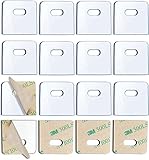
SOGEWO (16 Set/32 Pieces) Clear Vertical Blind Repair Tabs, Vertical Blinds tabs/Blind Fixers for Vertical Blinds Replacement Slats & Parts
