
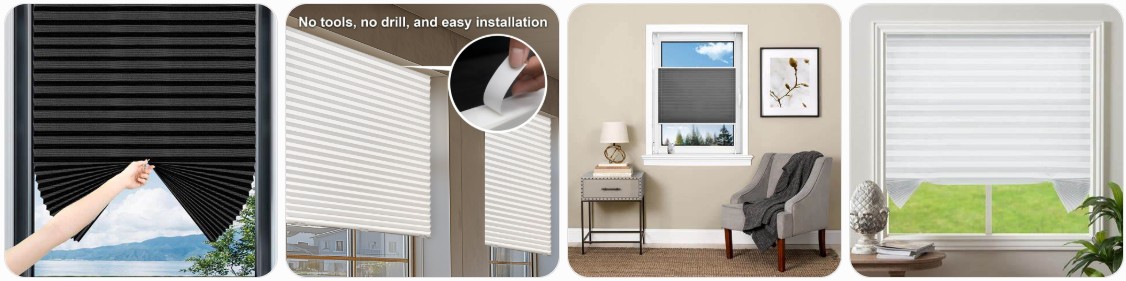
Stick-on blinds are one of the easiest window-covering options for renters, temporary homes, dorm rooms, offices, nurseries, and quick privacy fixes. Instead of drilling into the wall or window frame, these blinds usually attach with adhesive strips, peel-and-stick backing, or no-tool mounting systems. This guide explains where to buy stick-on blinds, how much they cost, what to check before ordering, and whether they are the right choice for your windows.
- Table of Contents:
- Stick-on Blinds At a Glance
- What Are Stick-on Blinds? How Stick-on Blinds Work?
- Stick-on Blinds Pros and Cons
- Stick-on Blinds Cost
- Where to Buy Stick-on Blinds Online
- How to Find Stick-on Blinds Stores Near You
- What to Check Before Buying Stick-on Blinds
- Stick-on Blinds Installation Options
- FAQ About Stick-on Blinds
Stick-on Blinds At a Glance
- Best for: Renters, temporary privacy, dorm rooms, offices, nurseries, moving homes, renovations, and no-drill installations.
- Main benefit: They install quickly without screws, brackets, drilling, or professional fitting.
- Common styles: Paper pleated stick-on blinds, fabric adhesive shades, blackout stick-on shades, temporary cellular-style shades, and peel-and-stick window coverings.
- Typical cost: Around $5 to $40 per blind for basic temporary versions, with higher prices for blackout, fabric, cordless, or custom-cut styles.
- Installation difficulty: Very easy for most products; many can be installed in minutes using only a tape measure, scissors, and a clean window frame.
- Durability: Best for short-term or light-use areas, although better-quality adhesive blinds can last much longer when installed correctly.
- Biggest downside: Adhesive can fail on dusty, textured, damp, cold, or uneven surfaces.
- Best rooms: Bedrooms, bathrooms, rental apartments, home offices, guest rooms, laundry rooms, and windows that need quick privacy.
- Not ideal for: Heavy daily use, very humid rooms, rough wall surfaces, large oversized windows, or premium decorative interiors.
What Are Stick-on Blinds? How Stick-on Blinds Work?
What Are Stick-on Blinds?
Stick-on blinds are window blinds or shades that attach to the window frame, glass, wall surface, or trim using adhesive instead of screws or brackets. They are also often described as adhesive blinds, peel-and-stick blinds, temporary blinds, paper blinds, no-drill blinds, or renter-friendly blinds. On ForWindowBlinds.com, this type fits directly under the Stick-on Blinds category because the main feature is the adhesive-mounted installation method.
The simplest stick-on blinds are pleated paper shades with an adhesive strip across the top. You peel away the backing, press the blind onto the surface, and trim the width if needed. More advanced versions may use fabric, blackout material, cordless clips, hook-and-loop tape, suction-style pads, or stronger adhesive mounting bars. Some are designed to be temporary, while others are marketed as no-drill shades for longer use.
Stick-on blinds are popular because they solve a very specific problem: you need privacy or light control without making holes. This makes them useful for rental properties, short-term accommodation, new homes before permanent blinds arrive, dorm rooms, offices, baby rooms, and renovation projects. They are also handy when you want a fast fix for a window but do not want to measure, order, and install a full custom blind yet.
How Stick-on Blinds Work?
Most stick-on blinds work by using a pressure-sensitive adhesive strip. The adhesive strip is attached to the top rail or top fold of the blind. After cleaning and drying the mounting surface, you remove the protective liner and press the blind firmly into place. Once attached, the blind hangs down over the window and can usually be raised, lowered, clipped, folded, or trimmed depending on the product design.
Basic pleated stick-on blinds usually do not have a cord or chain. Instead, you raise them by folding the pleats upward and holding them with included clips. Some blackout versions work the same way but use thicker material to block more light. Other stick-on shades include a simple cordless mechanism, a lightweight top rail, or side adhesive strips to improve light blocking around the edges.
The adhesive bond is the most important part of the system. If the surface is clean, smooth, dry, and flat, the blind is more likely to stay in place. If the surface is dusty, greasy, damp, cold, textured, or painted with weak paint, the adhesive may peel away. For the best result, the mounting area should be wiped clean, allowed to dry fully, and pressed firmly for the recommended time before the blind is used.
When comparing products, look closely at whether the blind is designed for inside mount, outside mount, glass mount, or frame mount. Some products stick directly to glass, while others are meant to attach to the top of the window recess, trim, or frame. This matters because the wrong mounting location can affect privacy, fit, light gaps, and how long the adhesive holds.
You can also compare related temporary window-covering options on Amazon, including temporary stick-on blinds, peel-and-stick blackout blinds, and no-drill window blinds if you want to compare styles before choosing one.

Window Blinds Cordless No Drill Cut to Size Clip On Stick On Self Adhesive Temporary Blinds Pleated Paper Blinds for Windows Doors Shades for Home Nursery Bedroom Kitchen Bathroom

MYshade 6 Pack Temporary Light Filtering Paper Shades for Windows,Paper Pleated Blinds with Adhesive,No Tools No Drilling Free Cut Size Temporary Room Darkening Shades(White, 36" W x 72" H)
Window Blinds Cordless No Drill Cut to Size Clip On Stick On Self Adhesive Temporary Blinds Pleated Paper Blinds for Windows Doors Shades for Home Nursery Bedroom Kitchen Bathroom
Stick-on Blinds Pros and Cons
Pros of Stick-on Blinds
- No drilling needed: Good for renters, temporary spaces, and anyone who does not want holes in the wall or window frame.
- Fast installation: Many stick-on blinds can be fitted in just a few minutes.
- Low cost: Basic paper and temporary versions are usually much cheaper than custom blinds.
- Easy to trim: Many temporary stick-on blinds can be cut to fit the window width.
- Good for quick privacy: Useful when moving into a new home or waiting for permanent blinds.
- Lightweight: Most adhesive blinds are easy to handle and install without help.
- Renter-friendly: They can often be removed with less damage than screwed-in brackets.
- Available in blackout options: Some stick-on shades are made to darken bedrooms, nurseries, and media rooms.
- Good temporary solution: Ideal during renovations, painting, construction, or short-term stays.
- No special tools required: Most installations only need measuring, cleaning, cutting, peeling, and pressing.
Cons of Stick-on Blinds
- Adhesive can fail: Weak surfaces, dust, moisture, heat, or cold can cause the blind to fall.
- Not always long-lasting: Basic paper versions are usually better for short-term use.
- Limited style choices: They are often simpler than custom roller, Venetian, Roman, or cellular blinds.
- May leave residue: Some adhesive strips can leave sticky marks when removed.
- Can damage paint: Strong adhesive may pull off weak paint or old surface finishes.
- Less durable for daily use: Repeated lifting and clipping can wear out cheaper products.
- Not ideal for large windows: Lightweight adhesive may not support wide or heavy blinds well.
- Light gaps are common: Many stick-on blinds do not fit as tightly as made-to-measure blinds.
- Can look temporary: Paper and basic pleated styles may not suit formal or high-end rooms.
- Surface preparation matters: Poor cleaning before installation can shorten the life of the adhesive.
Stick-on Blinds Cost: What Price Should You Expect?
Stick-on blinds are usually one of the most budget-friendly ways to cover a window. Basic paper stick-on blinds often cost around $5 to $15 per blind, depending on size, color, and quantity pack. Better temporary pleated shades may cost around $10 to $25 per blind. Blackout stick-on blinds, fabric adhesive shades, cordless no-drill shades, and stronger peel-and-stick products can cost around $20 to $60 or more per window.
For a small apartment, dorm room, or temporary setup, you may be able to cover several windows for under $50 to $100 using budget adhesive shades. For a full room with better blackout performance, expect the total to be higher, especially if you buy wider sizes or thicker materials. If you are comparing stick-on blinds against standard roller blinds, mini blinds, or custom shades, a blind cost estimator can help you think through size, quantity, installation, and upgrade costs before buying.
The final price depends on the material, width, height, opacity, adhesive quality, brand, and whether the blind is sold as a single item or multi-pack. Paper versions are usually cheapest. Blackout and fabric versions cost more. Custom-cut or premium no-drill products may cost much more but can look better and last longer.
Also consider replacement cost. A cheap stick-on blind may be inexpensive upfront, but if it falls down, tears, or loses shape quickly, you may need to replace it sooner. For short-term privacy, budget versions make sense. For a bedroom or daily-use window, spending more on a thicker blackout adhesive shade or a stronger no-drill blind may be better value.
Where to Buy Stick-on Blinds Online
Amazon is one of the easiest places to shop for stick-on blinds because you can compare many temporary, adhesive, blackout, and no-drill options in one place. When searching, use specific terms such as stick-on blinds, temporary paper blinds, peel-and-stick window shades, or blackout stick-on blinds. This helps you avoid unrelated permanent blinds that require brackets or drilling.
Before buying stick-on blinds from Amazon, check the product photos carefully. Look for the actual mounting method, not just the finished appearance. Read whether the blind sticks to glass, trim, wall, tile, or window frame. Also check if the product can be trimmed to size, whether clips are included, whether it blocks light or only filters light, and whether the adhesive is recommended for painted surfaces.
Reviews are especially useful for stick-on blinds because adhesive performance can vary. Look for reviews from buyers using the blinds on similar surfaces, such as rental apartment windows, nursery windows, bathroom windows, dorm rooms, or office glass. If many reviews mention falling, weak adhesive, residue, or poor blackout performance, choose a different product.
Find Stick-on Blinds from Amazon »
Window Blinds Cordless No Drill Cut to Size Clip On Stick On Self Adhesive Temporary Blinds Pleated Paper Blinds for Windows Doors Shades for Home Nursery Bedroom Kitchen Bathroom
MYshade 6 Pack Temporary Light Filtering Paper Shades for Windows,Paper Pleated Blinds with Adhesive,No Tools No Drilling Free Cut Size Temporary Room Darkening Shades(White, 36" W x 72" H)
Window Blinds Cordless No Drill Cut to Size Clip On Stick On Self Adhesive Temporary Blinds Pleated Paper Blinds for Windows Doors Shades for Home Nursery Bedroom Kitchen Bathroom
eBay can also be useful for finding stick-on blinds, especially if you are looking for budget packs, discontinued products, surplus stock, or specific sizes. Search terms like stick-on blinds, adhesive window shades, temporary blinds, no-drill blinds, and blackout peel-and-stick shades usually work better than just typing “blinds.” Because eBay listings can vary a lot, check the item condition, shipping time, seller rating, return policy, and whether the product is new or opened.
When buying stick-on blinds from eBay, pay close attention to the listing description. Make sure the size is listed clearly, the adhesive strip is included, and the item is not missing clips or installation parts. If the listing uses stock photos only, check the seller’s feedback and ask a question before ordering if anything is unclear.
Find Stick-on Blinds from eBay »
- Amazon – Good for comparing temporary paper blinds, blackout stick-on blinds, peel-and-stick shades, renter-friendly blinds, and no-drill options.
- eBay – Useful for bargain packs, surplus listings, discontinued sizes, and budget adhesive window coverings.
- Walmart – Good for affordable temporary blinds, paper shades, blackout shades, and fast household window-covering options.
- The Home Depot – Useful for temporary shades, no-drill blinds, adhesive privacy products, and related installation accessories.
- Lowe’s – Good for temporary paper shades, blackout temporary blinds, and practical window-covering supplies.
How to Find Stick-on Blinds Stores Near You
To find stick-on blinds near you, start by searching for terms that match how stores label them. Many local stores may not use the exact phrase “stick-on blinds.” Instead, they may list them as temporary shades, paper shades, adhesive blinds, peel-and-stick shades, renter-friendly blinds, no-drill blinds, or blackout temporary blinds.
Search Google Maps for “temporary blinds near me,” “paper blinds near me,” “blackout temporary shades near me,” “no drill blinds near me,” or “window blinds store near me.” You can also check big-box home improvement stores, hardware stores, department stores, home décor stores, and curtain/blind showrooms. If you want a broader shopping starting point, this guide to where to buy window blinds can help you compare online and local options before deciding.
Local stores are useful if you need the blinds today, want to check the material in person, or need help choosing the right size. Bring your window measurements with you, including width and height. Also take a photo of the window frame or mounting surface so store staff can tell whether an adhesive blind is likely to work. If you are installing on painted trim, tile, metal, vinyl, or glass, mention that too.
For same-day buying, check store inventory online before driving there. Some products may only be available online, while others are stocked in the window treatment aisle, temporary shade section, dorm/home organization section, or seasonal home improvement area. If the store does not carry stick-on blinds, ask for temporary paper shades or no-drill shades instead.
What to Check Before Buying Stick-on Blinds
- Window width: Measure the exact width of the glass, recess, or frame area where the blind will sit.
- Window height: Make sure the blind is long enough to cover the full window when lowered.
- Mounting surface: Check whether the blind is designed for glass, painted trim, tile, metal, vinyl, or wall surfaces.
- Surface condition: Avoid dusty, flaky, textured, damp, greasy, or weak painted surfaces because adhesive may not hold well.
- Trim-to-fit design: Check whether the blind can be cut to size and what tools are needed.
- Light control: Choose light-filtering for soft daylight or blackout for bedrooms, nurseries, and media rooms.
- Privacy level: Thin paper shades may provide daytime privacy but may show shadows at night when lights are on.
- Adhesive strength: Look for reviews that mention how well the adhesive holds over time.
- Removal method: Check whether the adhesive is removable and whether it may leave residue or damage paint.
- Included clips: Basic pleated stick-on blinds often need clips to hold the blind open.
- Child safety: Cordless stick-on blinds are usually safer than corded products in homes with children or pets.
- Humidity resistance: Bathrooms and kitchens may need stronger adhesive or moisture-friendly materials.
- Heat exposure: Strong sun can weaken some adhesives, especially on hot glass or south-facing windows.
- Window size limits: Very wide or tall windows may be too heavy for lightweight adhesive blinds.
- Style expectations: Paper stick-on blinds are practical, but they may not look as polished as custom blinds.
- Pack quantity: Multi-packs may be cheaper per blind if you need to cover several windows.
- Return policy: Check returns before trimming, because cut-to-size products may not be returnable.
Stick-on Blinds Installation Options: DIY vs Professional Fitting

Stick-on blinds are mainly designed for DIY installation. In most cases, professional fitting is not necessary because the whole point of this blind type is quick, simple, no-drill mounting. A typical installation involves measuring the window, trimming the blind if allowed, cleaning the mounting surface, peeling off the adhesive backing, pressing the blind into place, and testing how it opens or folds.
DIY installation is the best choice for basic paper stick-on blinds, temporary shades, dorm room blinds, rental privacy blinds, and short-term blackout solutions. You should be able to do it yourself if the window is easy to reach, the surface is smooth, and the product is lightweight. For best results, use a tape measure, pencil, scissors or utility knife if trimming is needed, a clean cloth, mild cleaner, and possibly rubbing alcohol if the manufacturer allows it.
The most important DIY step is surface preparation. Clean the area where the adhesive will attach, remove dust and grease, and let the surface dry completely. Then press the adhesive firmly for the recommended amount of time. Do not keep repositioning the blind because adhesive usually becomes weaker after it is pulled off and reapplied.
Professional fitting may be worth considering only if you are not actually buying temporary stick-on blinds, but a more expensive no-drill blind system, adhesive-backed blackout system, or custom temporary shade for many windows. A professional can also help if the window is high, awkward, oversized, or difficult to measure. However, for most low-cost stick-on blinds, hiring a fitter may cost more than the product itself.
DIY fitting is cheaper and faster, but it depends on careful measuring and clean surfaces. Professional fitting is more accurate, but it is usually unnecessary for simple adhesive blinds. If you want a permanent, polished, long-term result, you may eventually be better off with standard roller blinds, Venetian blinds, cellular shades, or custom no-drill blinds instead of basic stick-on shades.
FAQ About Stick-on Blinds
Are stick-on blinds good for renters?
Yes, stick-on blinds are one of the most renter-friendly window-covering options because they usually install without screws or drilling. However, you should still test the adhesive carefully because some products can leave residue or pull weak paint when removed.
Do stick-on blinds damage walls or window frames?
They can, depending on the adhesive strength and the surface condition. Smooth glass, metal, or vinyl usually handles adhesive better than old paint, flaky paint, wallpaper, or delicate trim. Always remove slowly and follow the manufacturer’s instructions.
How long do stick-on blinds last?
Basic paper stick-on blinds may last a few weeks to several months, while better-quality adhesive shades can last longer if installed on a clean, dry, smooth surface. Heat, humidity, dust, and frequent handling can shorten their life.
Can stick-on blinds be used in bedrooms?
Yes, but choose blackout stick-on blinds if you need darkness for sleeping. Light-filtering paper shades may provide privacy, but they usually do not block enough light for bedrooms, nurseries, or night-shift sleeping.
Can stick-on blinds be trimmed to size?
Many temporary stick-on blinds can be trimmed to fit the window width, but not all of them. Check the product details before buying and measure carefully before cutting because trimmed products may not be returnable.
Will stick-on blinds stay up on glass?
Some stick-on blinds are designed to attach directly to glass, while others are meant for the frame or trim. If the product allows glass mounting, clean the glass well and make sure it is dry before applying the adhesive.
Are stick-on blinds good for bathrooms?
They can work in bathrooms, but moisture may weaken the adhesive over time. For bathrooms, choose a moisture-friendly product, install it on a dry surface, and avoid placing it where steam or condensation constantly collects.
Can I reuse stick-on blinds after removing them?
Usually not. Once the adhesive has been removed, it often loses strength. Some products may work again with new adhesive strips, but most basic temporary blinds are designed for one main installation.
Are stick-on blinds the same as temporary blinds?
Many stick-on blinds are temporary blinds, but not all temporary blinds are stick-on. Temporary blinds can also include tension-mounted, clip-on, or paper shades. Stick-on blinds specifically use adhesive as the main mounting method.
Do stick-on blinds block heat?
Basic paper stick-on blinds offer limited heat control. Blackout or thicker cellular-style adhesive shades may help more, but they usually will not insulate as well as quality cellular blinds, thermal roller shades, or professionally fitted window treatments.
Are stick-on blinds safe for kids and pets?
Cordless stick-on blinds are generally safer than corded blinds because there are no hanging cords. However, lightweight paper or pleated shades can still be pulled down, torn, or damaged, so keep them out of reach when possible.
Why do my stick-on blinds keep falling down?
The most common reasons are dust, grease, moisture, textured surfaces, weak paint, heavy blinds, heat exposure, or not pressing the adhesive firmly enough during installation. Cleaning and drying the surface properly can make a big difference.
Summary
Stick-on blinds are a practical, low-cost, no-drill solution for quick privacy and light control. They are especially useful for renters, dorm rooms, temporary homes, renovations, offices, and anyone who needs a fast window covering without tools. Basic paper versions are cheap and easy to install, while blackout and fabric adhesive shades offer better comfort and privacy.
The main thing to remember is that stick-on blinds depend heavily on adhesive quality and surface preparation. They work best on clean, dry, smooth surfaces and are less reliable on rough, damp, dusty, or weak painted areas. Before buying, measure carefully, check the mounting method, decide whether you need light-filtering or blackout material, and read reviews about adhesive performance. For short-term use, they are one of the easiest blind types to buy and install. For a long-term polished finish, you may eventually want to compare them with more permanent no-drill or custom blind options.

60 PCS Vertical Blind Repair Tabs Kit Clear Fixer Verticle Blinds Snap in Replacement Slats Parts Panels
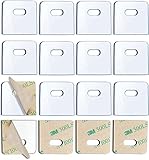
SOGEWO (16 Set/32 Pieces) Clear Vertical Blind Repair Tabs, Vertical Blinds tabs/Blind Fixers for Vertical Blinds Replacement Slats & Parts
