
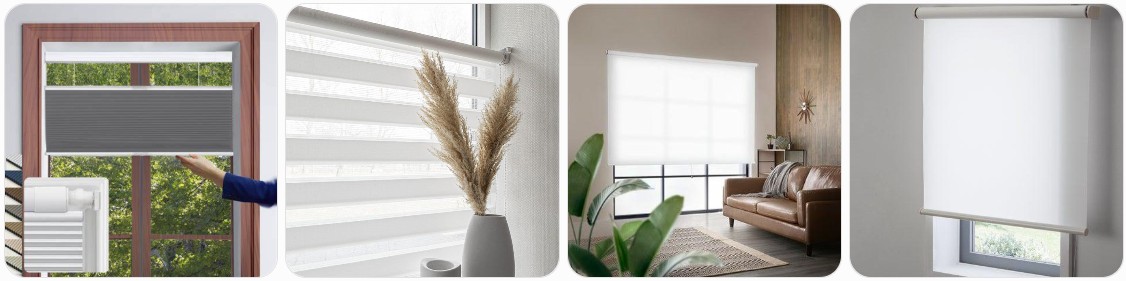
Tension blinds are a practical no-drill window covering option for renters, small windows, recesses, doors, and spaces where you want privacy without making permanent holes. This guide explains how tension blinds work, their pros and cons, typical prices, where to buy them online, how to find local stores, and what to check before ordering.
- Table of Contents:
- Tension Blinds At a Glance
- What Are Tension Blinds? How Tension Blinds Work?
- Tension Blinds Pros and Cons
- Tension Blinds Cost
- Where to Buy Tension Blinds Online
- How to Find Tension Blinds Stores Near You
- What to Check Before Buying Tension Blinds
- Tension Blinds Installation Options
- FAQ About Tension Blinds
Tension Blinds At a Glance
- Best for: Renters, apartments, temporary privacy, no-drill installations, small windows, window recesses, French doors, and rooms where you do not want screw holes.
- Installation style: Usually held in place by pressure, spring tension, clamp-style fittings, tension rods, or wire-guided systems depending on the blind design.
- Main advantage: They are easy to install without drilling into the wall, window frame, tile, or trim.
- Main downside: They may not be as strong or permanent as screw-mounted blinds, especially on wide or heavy windows.
- Common materials: Fabric, polyester, blackout fabric, pleated fabric, lightweight roller blind fabric, sheer material, and sometimes PVC or vinyl-style materials.
- Common styles: Tension roller blinds, tension pleated blinds, tension rod blinds, tension wire blinds, spring-loaded shades, and no-drill blinds for uPVC or recessed windows.
- Average price range: Around $15 to $80 per blind for basic ready-made options, and around $60 to $200+ for custom or premium no-drill systems.
- Good rooms to use them in: Bedrooms, bathrooms, kitchens, dorm rooms, rental homes, offices, glass doors, and temporary living spaces.
- Important buying tip: Measure the inside width carefully because tension blinds rely on a snug fit to stay secure.
What Are Tension Blinds? How Tension Blinds Work?
What Are Tension Blinds?
Tension blinds are window blinds or shades that stay in place using pressure instead of traditional screws and brackets. Instead of drilling holes into the window frame or surrounding wall, the blind is supported by a tension mechanism that presses against the sides of the window recess, frame, or mounting area.
A Tension Blind is usually chosen when the buyer wants a cleaner, faster, and less permanent installation. They are especially popular for renters, dorm rooms, apartments, temporary setups, and homes where drilling into tile, wood trim, uPVC frames, or metal frames is not ideal.
The term “tension blinds” can refer to a few related products. Some use a spring-loaded tension rod, similar to a shower curtain rod but made for window coverings. Others use side tension wires to keep the fabric tight, which is common on tilt-and-turn windows, doors, skylight-style windows, or windows that open inward. Some no-drill blinds also use clamp brackets, adhesive-assisted fittings, or pressure-mounted headrails.
The main idea is simple: the blind covers the glass or window opening without needing a permanent screw-mounted bracket. This makes tension blinds useful when you want privacy, shade, or light filtering but do not want to damage the frame.
How Tension Blinds Work?
Tension blinds work by creating outward pressure between two sides of a window opening or frame. In a basic tension rod blind, the rod expands slightly wider than the window recess. When you compress it and place it inside the opening, the spring pushes outward, creating friction against the sides. That pressure holds the blind in place.
In a tension wire system, the blind fabric may be held between top and bottom fittings or guided by slim side wires. This keeps the fabric close to the glass, helping stop the blind from swinging when the window or door moves. These systems are useful for doors, narrow windows, roof windows, and windows that tilt open.
Some tension blinds are designed as no-drill roller blinds. These usually have a compact roller tube with spring-loaded or twist-lock fittings at each end. You position the blind inside the recess, adjust the tension, and lock it in place. Once secured, the blind rolls up and down like a normal roller shade.
Because the blind depends on pressure, accurate measuring is very important. If the blind is too narrow, it may fall. If it is too wide, it may not fit or may damage soft trim. The best tension blind should feel snug, level, and secure without forcing the frame apart.
If you are shopping online, it helps to compare tension blinds on Amazon, especially if you want to see different no-drill styles, blackout options, temporary blinds, and tension rod shade designs in one place.

LazBlinds No Drill Cordless Cellular Shades, 22" W x 36" H, White

LazBlinds No Drill Cordless Cellular Shades, 23" W x 36" H, White
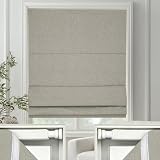
Changshade No Drill Roman Shades Cordless Blinds Blackout for Indoor Windows, Room Darkening Black Out Tension Rod No Hardware No Tools Inside Mount, Shade Size 27 Inches Wide 64 Inches High, Beige
Tension Blinds Pros and Cons
Pros of Tension Blinds
- No drilling required: Good for renters, apartments, dorms, and anyone avoiding wall or frame damage.
- Quick installation: Many tension blinds can be installed in minutes with basic measuring and no power tools.
- Easy to remove: You can usually take them down without leaving holes, anchors, or permanent marks.
- Good for temporary use: Useful during renovations, short-term rentals, moves, or while waiting for custom blinds.
- Works in tight spaces: Good for recessed windows where standard brackets may be awkward.
- Cleaner appearance: No visible screw brackets in many designs.
- Rental-friendly: Helps improve privacy without risking landlord issues from drilled holes.
- Affordable options available: Basic tension rod blinds and no-drill shades can be cheaper than full custom blinds.
- Good for small windows: Often works well on bathroom windows, kitchen windows, side windows, and narrow glass panels.
- Flexible light control: Available in blackout, light-filtering, sheer, and privacy fabrics.
Cons of Tension Blinds
- Not ideal for heavy blinds: Large or heavy blinds may need screw-mounted brackets for better support.
- Requires accurate measuring: A poor fit can cause the blind to slip, sag, or fall.
- May not suit every window frame: Uneven, shallow, rounded, or textured surfaces can reduce grip.
- Less permanent hold: Tension fittings may loosen over time and need readjusting.
- Limited size range: Very wide windows may have fewer ready-made tension blind choices.
- Can mark soft surfaces: Strong pressure may leave light marks on painted wood, soft trim, or delicate finishes.
- May not block all side gaps: Inside-mounted tension blinds can leave small light gaps at the sides.
- Not always child-safe by default: Corded versions still need proper cord safety devices or cordless operation.
- Quality varies: Cheap tension mechanisms may slip more easily than better no-drill systems.
Tension Blinds Cost: What Price Should You Expect?
Tension blinds usually cost less than fully custom, professionally installed blinds, but the final price depends on size, fabric, mounting style, brand, and whether the blind is ready-made or made to measure. Basic tension rod shades and temporary tension blinds may cost around $15 to $40 per window. Better quality no-drill roller blinds, blackout tension blinds, and pleated tension blinds often cost around $35 to $100 per window.
Custom no-drill tension blinds can cost more, especially if they are made for unusual window sizes, tilt-and-turn windows, patio doors, or specialty frames. For these, a realistic budget is often around $60 to $200+ per blind. Larger windows, blackout fabric, thermal fabric, cordless controls, side channels, and premium fittings can increase the price.
For a small bathroom or kitchen window, a simple tension blind may be enough. For a bedroom, nursery, or home office, spending more on a blackout or better-fitting tension blind may be worth it because side gaps, fabric thickness, and smooth operation matter more.
Before ordering several blinds at once, you can estimate your budget more clearly with the blind cost estimator. This is helpful if you want to compare the cost of tension blinds against roller blinds, cellular blinds, blackout blinds, or professional installation.
You can also compare prices for no-drill tension blinds and blackout tension blinds to see whether ready-made options are available in the size you need.
Where to Buy Tension Blinds Online
Amazon is one of the easiest places to start when buying tension blinds because you can compare ready-made sizes, no-drill roller blinds, tension rod shades, temporary blinds, blackout options, and customer reviews in one search. This is especially useful if you need a quick solution for a rental, bathroom, kitchen, bedroom, or small window.
When buying tension blinds from Amazon, check the mounting method carefully. Some products are true pressure-mounted blinds, while others may be adhesive, clamp-fit, or standard blinds described as “easy install.” Read the product description and look for terms such as no-drill, tension rod, spring-loaded, pressure fit, clamp fit, or tool-free installation.
Also check the exact width range. Some tension blinds are adjustable, but they still have a minimum and maximum width. If your window is near the edge of that range, choose carefully because too little tension can cause slipping and too much pressure can make installation difficult.
Find Tension Blinds from Amazon »
LazBlinds No Drill Cordless Cellular Shades, 22" W x 36" H, White
LazBlinds No Drill Cordless Cellular Shades, 23" W x 36" H, White
Changshade No Drill Roman Shades Cordless Blinds Blackout for Indoor Windows, Room Darkening Black Out Tension Rod No Hardware No Tools Inside Mount, Shade Size 27 Inches Wide 64 Inches High, Beige
eBay can be useful for finding discounted tension blinds, discontinued sizes, replacement no-drill blind fittings, tension rods, and open-box blind products. It may also be a good place to look if you need a specific size or style that is harder to find new.
When buying tension blinds from eBay, check whether the product is new, used, open box, or sold as spare parts. Look closely at the photos and confirm whether mounting brackets, rods, clips, end caps, tension wires, screws, or child-safety parts are included. For made-to-measure listings, confirm the seller’s measuring instructions before placing the order.
Find Tension Blinds from eBay »
- Home Depot – Good for checking no-drill blinds, shades, tension rods, temporary shades, and related installation accessories.
- Lowe’s – Useful for comparing ready-made blinds, temporary privacy shades, no-drill options, and window treatment hardware.
- Walmart – Good for affordable tension rods, temporary blinds, blackout shades, and budget window coverings.
- Blinds.com – Useful for comparing custom no-drill and easy-fit blind options when you want a more fitted look.
How to Find Tension Blinds Stores Near You
To find tension blinds locally, start by searching for stores that sell no-drill blinds, temporary blinds, roller shades, pleated shades, and window treatment hardware. Many stores may not use the exact phrase “tension blinds,” so it helps to search for related terms such as no-drill blinds, pressure-fit blinds, tension rod shades, spring-loaded blinds, and easy-fit blinds.
A good local search might be “tension blinds near me,” “no drill blinds near me,” “window blinds store near me,” “custom blinds shop near me,” or “roller blinds no drill near me.” You can also use a broader window blinds buying guide to compare different places to shop before deciding whether to buy online or visit a local store.
Local hardware stores and home improvement stores are often best for simple tension rods, temporary paper shades, and budget no-drill options. Custom blind shops are better if you want a more polished product, accurate measuring help, or tension blinds for unusual windows. If you are buying for uPVC windows, tilt-and-turn windows, French doors, or rental properties, ask the store whether the blind can be installed without screws.
Before visiting a store, measure your window width and height, take photos of the window frame, and note whether the blind will fit inside the recess or over the frame. A photo helps the salesperson understand whether a pressure-mounted, clamp-fit, adhesive, or custom no-drill system will work best.
What to Check Before Buying Tension Blinds
- Window width: Measure the inside width at the top, middle, and bottom. Use the narrowest measurement for inside-mounted tension blinds.
- Window height: Measure the full drop so the blind covers the glass properly without being too short.
- Recess depth: Make sure the window recess is deep enough for the blind, roller tube, rod, or headrail.
- Surface type: Check whether the sides are flat, strong, and even enough for a pressure-mounted blind to grip.
- Frame material: Painted wood, tile, metal, vinyl, uPVC, and drywall may all grip differently.
- Blind weight: Lightweight fabric works better for tension systems than heavy wood, faux wood, or large slatted blinds.
- Mounting method: Confirm whether the product uses spring tension, twist-lock pressure, clamps, adhesive, side wires, or a tension rod.
- Light control: Choose blackout fabric for bedrooms, light-filtering fabric for living spaces, and moisture-friendly material for bathrooms or kitchens.
- Privacy level: Sheer tension blinds may soften light but may not give full privacy at night.
- Child safety: Cordless tension blinds are usually safer and cleaner than corded versions.
- Return policy: Check returns carefully, especially for custom sizes or cut-to-size products.
- Included parts: Make sure rods, end caps, clips, brackets, tension wires, safety devices, and instructions are included.
- Cleaning needs: Fabric tension blinds may need dusting or spot cleaning, while vinyl or PVC-style options can be wiped more easily.
- Long-term use: If the blind will be opened daily, choose a stronger mechanism rather than the cheapest temporary option.
Tension Blinds Installation Options: DIY vs Professional Fitting

Cutelec 2pcs Box Mounting Bracket for Low Profile Horizontal Blinds with 1-3/4" x 2 1/2" Headrail - White Color

Jetec 6 Pieces Mini Blind Brackets for Window Blinds,1.18x1.18 Inch
Tension blinds are usually designed for DIY installation, which is one of their biggest advantages. For a basic tension rod blind, installation may only involve adjusting the rod to the correct width, compressing it into the window recess, checking that it is level, and testing that it holds securely. For no-drill roller blinds, you may need to lock end brackets into place, adjust the pressure, and then test the rolling mechanism.
DIY installation is best when the window is small or medium-sized, the recess is square, the blind is lightweight, and the product comes in a ready-made size that fits your opening. It is also a good option for renters who want to avoid permanent installation.
Professional fitting may be worth considering if you are buying expensive custom no-drill blinds, fitting multiple windows, covering wide windows, installing blinds on doors, or dealing with unusual frames. A professional installer can check whether a tension system is secure enough and whether another no-drill option, such as clip-fit or perfect-fit blinds, would be more suitable.
For DIY installation, always clean the contact surfaces first. Dust, grease, moisture, or uneven paint can reduce the grip. After installing, gently pull the blind down and raise it several times to make sure the tension does not shift. If the blind moves, slips, or tilts, remove it and readjust before using it daily.
For professional fitting, ask whether the installation is truly no-drill. Some companies use the phrase “easy fit” even when small screws or clips are required. If you are renting, confirm the fitting method before approving the job.
FAQ About Tension Blinds
Are tension blinds good for renters?
Yes, tension blinds are one of the better blind options for renters because many styles install without drilling holes. They can usually be removed without permanent damage, but you should still check your rental rules and avoid over-tightening them on delicate surfaces.
Do tension blinds fall down easily?
Good tension blinds should not fall down when measured and installed correctly. They are more likely to slip if the blind is too narrow, too heavy, installed on uneven surfaces, or placed in a shallow recess with poor grip.
Can tension blinds be blackout?
Yes, some tension blinds use blackout fabric. However, because many tension blinds are mounted inside the window recess, small side gaps may still allow light to enter unless the blind fits very closely or uses side channels.
Are tension blinds the same as no-drill blinds?
Not always. Tension blinds are a type of no-drill blind, but no-drill blinds can also include clip-fit, adhesive, clamp-mounted, magnetic, and perfect-fit systems. Tension blinds specifically rely on pressure, rods, or tension wires to stay in place.
Can I use tension blinds on uPVC windows?
Yes, some tension and no-drill blinds work well on uPVC windows, especially if they are designed for that frame type. Check the product instructions because some systems fit inside the recess while others clip onto the frame or bead.
Are tension blinds good for bathrooms?
Tension blinds can work well in bathrooms if you choose a moisture-resistant material and the window surface allows a secure fit. Avoid absorbent fabrics in very humid bathrooms unless the product is designed for damp areas.
Can tension blinds be used on doors?
Yes, but the right design matters. For doors, look for tension wire blinds, no-drill door blinds, or blinds that stay close to the glass so they do not swing when the door opens and closes.
How do I measure for tension blinds?
Measure the inside width of the window recess at the top, middle, and bottom, then use the narrowest measurement. Also measure the height and recess depth. Always follow the seller’s measuring guide because different tension systems have different deductions.
Are tension blinds safe for kids?
Cordless tension blinds are usually the safer choice for homes with children or pets. If the blind has cords or chains, use the supplied safety device and keep cords secured and out of reach.
Can tension blinds damage walls or frames?
They can leave light pressure marks if overtightened or installed on soft paint, delicate wood, weak trim, or fragile surfaces. Use moderate pressure only and check the contact points before long-term use.
Are tension blinds better than roller blinds?
It depends on the window and installation needs. Tension blinds are better if you want no drilling and easy removal. Standard roller blinds are usually better for larger windows, heavier fabrics, and a more permanent installation.
Can I cut tension blinds to size?
Some tension blinds can be trimmed, but many cannot. Always check the product description before cutting. If the blind uses a spring-loaded rod, roller tube, or side tension system, cutting it incorrectly can ruin the mechanism.
Summary
Tension blinds are a smart choice when you want privacy, shade, or blackout coverage without drilling into your walls or window frames. They are especially useful for renters, temporary spaces, small windows, bathrooms, kitchens, dorm rooms, and uPVC or recessed windows where a no-drill solution is preferred.
The biggest benefits are easy installation, removable fitting, low damage risk, and affordable ready-made options. The main drawbacks are size limits, lower strength compared with screw-mounted blinds, and the need for accurate measuring. Before buying, check your window width, recess depth, surface type, fabric choice, mounting method, and return policy.
If you want a quick budget-friendly option, Amazon and eBay are good places to compare tension blinds, no-drill shades, and replacement fittings. If you want a more polished result, especially for several windows or unusual frames, consider a custom blind shop or local installer that offers proper no-drill fitting options.

60 PCS Vertical Blind Repair Tabs Kit Clear Fixer Verticle Blinds Snap in Replacement Slats Parts Panels
SOGEWO (16 Set/32 Pieces) Clear Vertical Blind Repair Tabs, Vertical Blinds tabs/Blind Fixers for Vertical Blinds Replacement Slats & Parts
