
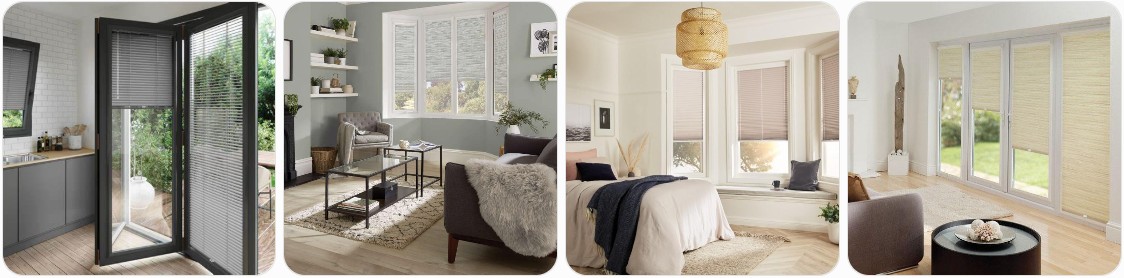
Perfect-fit blinds are a smart choice if you want neat, no-drill window coverings for uPVC windows, patio doors, French doors, conservatories, tilt-and-turn windows, and glazed doors. This guide explains how Perfect-fit blinds work, where to buy them, what they usually cost, the pros and cons, and what to check before ordering.
- Table of Contents:
- Perfect-fit Blinds At a Glance
- What Are Perfect-fit Blinds? How Perfect-fit Blinds Work?
- Perfect-fit Blinds Pros and Cons
- Perfect-fit Blinds Cost
- Where to Buy Perfect-fit Blinds Online
- How to Find Perfect-fit Blinds Stores Near You
- What to Check Before Buying Perfect-fit Blinds
- Perfect-fit Blinds Installation Options
- FAQ About Perfect-fit Blinds
Perfect-fit Blinds At a Glance
- Best for: uPVC windows, glazed doors, patio doors, French doors, conservatories, tilt-and-turn windows, and rooms where you want a clean built-in look.
- Main benefit: Most Perfect-fit blinds clip into the window bead or frame without drilling into the wall, ceiling, or window surround.
- Common styles: Perfect-fit Venetian blinds, pleated blinds, cellular/honeycomb blinds, roller blinds, day and night blinds, and some blackout options.
- Typical cost: Around $50 to $180+ per window for many made-to-measure Perfect-fit blinds, with larger doors, blackout fabrics, thermal fabrics, or premium frames costing more.
- Installation difficulty: Usually beginner-friendly if your window is compatible and your measurements are accurate.
- Biggest warning: Perfect-fit blinds are not universal. You must check window type, bead depth, gasket condition, handle clearance, frame clearance, and whether the window can still open properly.
- Best buying option: Made-to-measure retailers are usually better than generic ready-made options because Perfect-fit systems depend heavily on accurate sizing and frame compatibility.
What Are Perfect-fit Blinds? How Perfect-fit Blinds Work?
What Are Perfect-fit Blinds?
Perfect-fit blinds are window blinds fitted inside their own slim frame, which is then attached directly to the window or door sash. Instead of hanging from the wall, ceiling, or recess, the blind sits close to the glass and moves with the opening part of the window or door. This makes them popular for uPVC windows, conservatories, French doors, patio doors, and tilt-and-turn windows where normal blinds can swing, bang, or get in the way.
The phrase “Perfect-fit blinds” usually describes a frame-based blind system rather than one single blind fabric or material. Inside the Perfect-fit frame, you may find different blind styles, including Venetian slats, pleated fabric, cellular fabric, roller fabric, blackout fabric, or day/night fabric. If you want to compare this style with other blind types, you can also browse the Perfect-fit Blinds category for related guides.
The main idea is simple: the blind becomes part of the window sash. This gives the window a neater fitted appearance, keeps the sill clear, reduces movement when doors open and close, and avoids drilling into tiles, plaster, walls, or window recesses. That is why Perfect-fit blinds are often chosen for rental homes, new-build homes, conservatories, kitchens, bathrooms, and glazed doors.
How Perfect-fit Blinds Work?
Perfect-fit blinds usually work by using a made-to-measure frame that clips onto or slots around the glazed section of the window. In many systems, small brackets or clips slide between the glass and the rubber gasket or window bead. The frame then snaps or locks onto those clips. Once fitted, the blind is held close to the glass and remains attached to the moving window or door panel.
Because the frame sits around the glass, the blind does not need a normal headrail fixed into the wall or window recess. This is what makes Perfect-fit blinds different from standard inside-mount blinds. With standard blinds, you normally screw brackets into the top of the recess or wall. With Perfect-fit blinds, the support comes from the window sash area itself.
Operation depends on the blind style. Perfect-fit Venetian blinds use tilting slats for privacy and light control. Perfect-fit pleated or cellular blinds usually slide up and down inside the frame. Perfect-fit roller blinds roll fabric around a small tube. Some versions use a tab, handle, wand, side tension system, or cordless slider. Many are child-safe because they avoid long hanging cords, although you should still check the product’s safety design before buying.
Perfect-fit blinds work best when the window has enough bead depth and clearance. If your window has shallow beading, damaged gaskets, bulky handles, unusual trim, very narrow frames, or non-standard glazing, the blind may not fit properly. This is why most sellers ask you to measure glass size, bead depth, frame clearance, handle position, and sometimes gasket condition before placing an order.
You can also find useful Perfect-fit blind accessories and measuring tools when shopping for Perfect-fit blinds online, especially if you are comparing no-drill window covering options before ordering a custom set.

Paper Blinds for Windows Cordless No Drill Self Adhesive Temporary Shades

Paper Blinds for Windows Cordless No Drill Self Adhesive Temporary Shades
Perfect-fit Blinds Pros and Cons
Pros of Perfect-fit Blinds
- No drilling in most cases: Great for people who do not want to damage walls, tiles, plaster, or window recesses.
- Neat built-in look: The blind looks more integrated because it sits inside a frame close to the glass.
- Good for doors: Perfect-fit blinds move with French doors, patio doors, and glazed doors instead of swinging loose.
- Keeps window sills clear: Because the blind sits on the sash, the sill remains usable for plants, decor, or storage.
- Useful for tilt-and-turn windows: They are less likely to hang awkwardly when the window tilts inward.
- Child-friendly design options: Many systems are cordless or tensioned, reducing the risk of dangling cords.
- Good light control: Venetian and day/night versions allow privacy adjustment, while blackout and cellular options improve room darkening.
- Less movement: They are more stable on doors and opening windows than free-hanging blinds.
- Good for conservatories: The fitted frame style works well on multiple glazed panels and doors.
- Removable in many cases: Some systems can be removed with less visible damage than drilled blinds.
Cons of Perfect-fit Blinds
- Not suitable for every window: Some timber, aluminum, old, damaged, shallow-bead, or unusual window frames may not accept the clips.
- Accurate measuring is critical: Small measuring mistakes can cause poor fit, gaps, rubbing, or frame alignment issues.
- Usually more expensive than basic blinds: The custom frame and made-to-measure design often cost more than standard roller or Venetian blinds.
- Limited compatibility with some handles: Bulky handles may block the blind frame or stop the blind from moving properly.
- Can reduce glass area slightly: The frame sits around the glass and may cover a small part of the visible glazing.
- Repairs can be more specific: You may need matching clips, brackets, side channels, tabs, or tension parts from the same system.
- Not always ideal for very large windows: Large glazed panels may need heavier-duty options or professional advice.
- Style selection varies by seller: Not every retailer offers every fabric, slat, color, or blackout option in Perfect-fit format.
- May affect window operation if poorly fitted: Wrong sizing can cause rubbing, obstruction, or trouble closing the window.
Perfect-fit Blinds Cost: What Price Should You Expect?
Perfect-fit blinds usually cost more than basic off-the-shelf blinds because they include a custom frame, clips, made-to-measure sizing, and a blind panel designed to sit close to the glass. As a rough guide, many small Perfect-fit blinds cost around $50 to $100 per window, medium windows often fall around $80 to $160, and larger doors or premium versions can cost $150 to $300+ per panel. Prices vary depending on size, fabric, frame color, blind type, retailer, and whether you choose DIY or professional fitting.
Perfect-fit Venetian blinds are often priced based on slat material and window size. Aluminum Venetian Perfect-fit blinds may be more affordable than wooden-effect or premium finishes. Pleated and cellular Perfect-fit blinds can cost more if you choose thermal, blackout, or energy-saving fabrics. Roller and day/night Perfect-fit blinds may also vary widely depending on fabric quality, opacity, and brand.
Installation also affects the total price. DIY fitting may cost nothing extra if the blinds arrive with clips and instructions. Professional measuring and fitting can add around $40 to $100+ per window or may be included in a local retailer’s quote. For a full room, conservatory, or multiple doors, the total cost can rise quickly, so it is smart to compare at least two or three quotes before ordering.
Before buying, use a cost planning tool such as the Blind Cost Estimator to compare blind type, size, upgrades, quantity, and installation options. This is especially helpful when you are deciding between Perfect-fit blinds, standard roller blinds, Venetian blinds, cellular shades, or professionally fitted window coverings.
Where to Buy Perfect-fit Blinds Online
Amazon can be useful if you want to browse Perfect-fit blind accessories, no-drill blind options, replacement clips, brackets, measuring tools, and some ready-made or semi-custom alternatives. However, because true Perfect-fit blinds depend on exact sizing and window compatibility, you should read the product description carefully before ordering. Look for details about uPVC compatibility, bead depth, frame color, blind type, included clips, measuring method, and return policy.
When shopping on Amazon, do not choose only by size label. Perfect-fit blinds need to match the glass area and frame system, so check whether the listing is actually a Perfect-fit framed blind or simply a “no-drill blind” using tension, adhesive, or clamp brackets. If you are not sure, compare several Perfect-fit blinds and no-drill window blind options before ordering.
Find Perfect-fit Blinds from Amazon »
Paper Blinds for Windows Cordless No Drill Self Adhesive Temporary Shades
Paper Blinds for Windows Cordless No Drill Self Adhesive Temporary Shades
eBay can be helpful for finding Perfect-fit blinds, replacement parts, spare clips, brackets, frames, and discounted made-to-measure listings. It may also be useful if you need parts for an older Perfect-fit system. When buying from eBay, check whether the seller offers custom sizing, whether the item is new or used, and whether the listing includes the full frame, blind, clips, and instructions.
For used or surplus Perfect-fit blinds, measure carefully before buying. A blind made for another window may not fit yours even if the width and height look close. If you are buying replacement parts, try to match the brand, frame profile, clip type, and blind style as closely as possible.
Find Perfect-fit Blinds from eBay »
- Blinds 2go – Good for made-to-measure Perfect Fit options, including pleated, Venetian, roller, and other no-drill styles.
- 247 Blinds – Offers a range of Perfect-fit blind styles with measuring guidance and custom ordering options.
- Blinds Direct – Useful for comparing Perfect-fit fabrics, frame colors, and made-to-measure configurations.
- Hillarys – A good option if you prefer in-home measuring, advice, and professional fitting instead of DIY ordering.
How to Find Perfect-fit Blinds Stores Near You
To find Perfect-fit blinds stores near you, start by searching for local blind shops, made-to-measure blind fitters, conservatory blind specialists, and window treatment companies. Search phrases such as “Perfect-fit blinds near me,” “no-drill blinds near me,” “uPVC door blinds near me,” “conservatory blinds near me,” and “made-to-measure blinds near me” usually bring up the most relevant local results.
You can also use a dedicated buying directory or guide such as this window blinds buying resource to compare different places to shop for blinds online and locally. This is useful if you are not sure whether to buy from a national retailer, local installer, Amazon, eBay, or a made-to-measure blind company.
When contacting a local store, ask whether they supply true frame-based Perfect-fit blinds rather than standard no-drill tension blinds. Some companies use similar terms, so it is worth confirming that the blind clips onto the glazed sash area and comes with a fitted frame. Also ask if they offer a measuring visit, samples, frame color choices, blackout or thermal fabric choices, and warranty support.
If you have difficult windows, professional help is often worth it. This includes tilt-and-turn windows, bifold doors, very narrow uPVC frames, unusual bead profiles, older windows, large conservatories, or windows with bulky handles. A local fitter can check bead depth, handle clearance, and frame condition before ordering, which reduces the chance of buying blinds that do not fit.
What to Check Before Buying Perfect-fit Blinds
- Window material: Perfect-fit blinds are most commonly used on uPVC windows and doors. Check compatibility if you have timber, aluminum, composite, or older frames.
- Bead depth: Many systems need a minimum bead depth so the clips can sit securely between the glass and gasket.
- Glass size: Measure the visible glass area carefully according to the seller’s instructions. Do not guess from the old blind size.
- Frame clearance: Make sure there is enough space around the glass for the Perfect-fit frame.
- Handle clearance: Check whether window or door handles will hit the frame, slats, fabric, or operating tab.
- Opening direction: Confirm the blind will not stop the window or door from opening, tilting, locking, or closing.
- Rubber gasket condition: Damaged, loose, brittle, or unusual gaskets may make clip fitting harder.
- Blind style: Choose Venetian for adjustable slat control, pleated for a soft compact look, cellular for insulation, roller for simple coverage, and blackout fabric for bedrooms.
- Room use: Bathrooms and kitchens may need moisture-resistant materials, while bedrooms may need blackout or thermal fabric.
- Frame color: Match the Perfect-fit frame to your window frame, commonly white, anthracite, brown, silver, or wood-effect depending on the seller.
- Child safety: Look for cordless, tensioned, or child-safe operating systems, especially in bedrooms, nurseries, and family rooms.
- Return policy: Made-to-measure blinds are often non-returnable unless faulty, so double-check measurements before ordering.
- Samples: Order fabric or slat samples if color, texture, opacity, or finish matters.
- Warranty: Check coverage for the frame, clips, fabric, cords, tension parts, and operating mechanism.
- Replacement parts: Confirm whether the seller offers spare clips, brackets, tabs, side channels, handles, or tension parts if something breaks later.
Perfect-fit Blinds Installation Options: DIY vs Professional Fitting

Cutelec 2pcs Box Mounting Bracket for Low Profile Horizontal Blinds with 1-3/4" x 2 1/2" Headrail - White Color

Jetec 6 Pieces Mini Blind Brackets for Window Blinds,1.18x1.18 Inch
Perfect-fit blinds are often sold as DIY-friendly because many systems do not require drilling. The usual process involves assembling the frame, inserting clips around the window bead, attaching the frame to the clips, and testing the blind operation. For a standard compatible uPVC window, this can be much easier than installing traditional blinds with screws, wall plugs, brackets, and a drill.
DIY installation is best when your windows are standard, your measurements are accurate, and the seller provides clear instructions. It can save money and works well for small windows, simple doors, and repeat installations after you understand the system. Basic tools may include a tape measure, card or bead-depth gauge, screwdriver, pencil, and sometimes a small rubber mallet or clip tool depending on the product.
Professional fitting is better if you are covering many windows, fitting blinds in a conservatory, dealing with bifold or tilt-and-turn windows, or unsure about compatibility. A fitter can measure properly, check handle clearance, confirm bead depth, and install the blinds so they operate correctly. Professional fitting also gives you someone to contact if the frame rubs, clips loosen, or the blind does not sit correctly.
The main DIY risk is ordering the wrong size or choosing a system that does not work with your window. The main professional fitting downside is cost. If you are buying one or two small blinds, DIY may be the better value. If you are buying blinds for a whole home, large patio doors, or a conservatory, professional measuring and fitting can help avoid expensive mistakes.
A balanced option is to order from a retailer that offers detailed measuring guides, video instructions, customer support, and replacement parts. That way, you can save on fitting costs while still getting help if something is unclear.
FAQ About Perfect-fit Blinds
Are Perfect-fit blinds the same as no-drill blinds?
Not always. Perfect-fit blinds are a specific frame-based no-drill style that usually clips onto the glazed window sash. Some no-drill blinds use tension rods, adhesive strips, clamps, or stick-on brackets, so check the product description carefully.
Do Perfect-fit blinds damage window frames?
When fitted correctly on compatible windows, they usually avoid drilled holes and major damage. However, poor fitting, wrong clips, forced installation, or weak gaskets can cause marks, pressure, or fitting problems.
Can Perfect-fit blinds be used on wooden windows?
Most Perfect-fit systems are designed mainly for uPVC windows and doors. Some alternatives may work with other frame types, but you should confirm with the seller before ordering for timber or aluminum windows.
Are Perfect-fit blinds good for patio doors?
Yes, they are often excellent for patio doors and French doors because the blind sits on the moving door panel instead of hanging loose. Always check handle clearance and make sure the door can still open and lock properly.
Can Perfect-fit blinds be used on tilt-and-turn windows?
Yes, they are commonly used on tilt-and-turn windows because the blind moves with the sash. This helps prevent the blind from hanging away from the glass when the window tilts inward.
Are Perfect-fit blinds easy to install yourself?
They can be easy to install if your window is compatible and your measurements are correct. Most problems happen because of wrong sizing, shallow bead depth, handle obstruction, or misunderstanding the measuring instructions.
Do Perfect-fit blinds block all light?
Standard Perfect-fit blinds reduce light, but they may not block every gap. For better room darkening, choose blackout fabric, a close-fitting frame, and a style designed specifically for bedrooms or media rooms.
Are Perfect-fit blinds good for bathrooms?
They can work well in bathrooms if you choose moisture-resistant materials such as aluminum Venetian, PVC-friendly finishes, or suitable synthetic fabrics. Avoid materials that may warp, stain, or absorb moisture.
Can you remove Perfect-fit blinds later?
Many Perfect-fit blinds can be removed by unclipping the frame and brackets, but the exact method depends on the system. Keep the instructions and avoid forcing the clips, especially around older gaskets.
Why are Perfect-fit blinds more expensive than normal blinds?
They usually cost more because they include a custom frame, specialist clips, made-to-measure sizing, and a blind system designed to sit close to the glass instead of using basic wall-mounted brackets.
Summary
Perfect-fit blinds are a clean, practical, no-drill option for uPVC windows, glazed doors, conservatories, French doors, patio doors, and tilt-and-turn windows. They sit inside a slim frame attached close to the glass, giving a built-in look while keeping sills clear and reducing blind movement. They cost more than basic blinds, but they can be worth it if you want a neat finish, easy door operation, and minimal drilling. Before buying, check window compatibility, bead depth, glass size, handle clearance, fabric choice, frame color, return policy, and whether DIY or professional fitting makes more sense for your home.

