
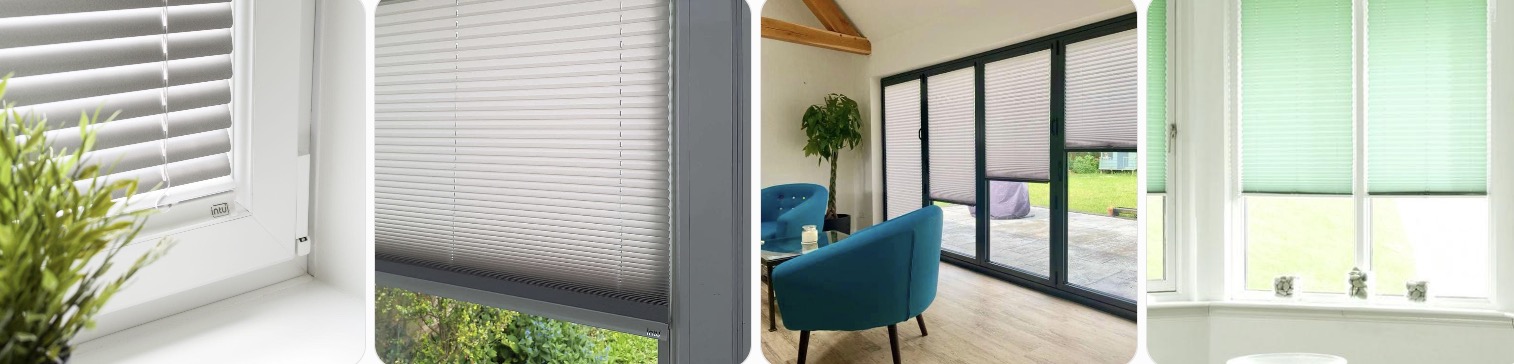
Intu blinds are a neat, no-drill window blind system designed to fit directly into the window beading, making them especially useful for uPVC windows, tilt-and-turn windows, conservatories, French doors, glazed doors, and rental-friendly spaces. This guide explains what Intu blinds are, how they work, their pros and cons, expected cost, where to buy them online, how to find local stores, what to check before ordering, and whether DIY or professional fitting is the better option.
Intu Blinds At a Glance
- Best for: uPVC windows, tilt-and-turn windows, glazed doors, French doors, conservatories, patio doors, and windows where drilling is not ideal.
- Main design: A no-drill blind system that fits neatly into the window bead area instead of being screwed into the wall, ceiling, or window frame.
- Main benefit: Clean integrated look without drilling holes into the surrounding frame or wall.
- Common blind styles: Intu pleated blinds, Intu Venetian blinds, Intu cellular blinds, and Intu blackout-style fabric blinds.
- Common uses: Privacy, glare reduction, light filtering, room shading, conservatory comfort, and door-window coverage.
- Average cost: Around $40 to $150+ per blind for many standard or made-to-measure options.
- Premium cost: Larger, blackout, cellular, thermal, or custom Intu blinds can cost around $100 to $250+ per window.
- Best for renters: Often a strong option because many Intu systems are fitted without screws or permanent drilling.
- Best for doors: Useful on glazed doors because the blind sits close to the glass and moves with the door.
- Best for tilt-and-turn windows: A popular choice because the blind stays with the window sash when the window opens or tilts.
- Cleaning level: Easy to moderate depending on the fabric or slat style.
- Installation difficulty: Easy to moderate if the window is compatible and measured correctly.
- Not ideal for: Older timber windows, unusual beading, very shallow bead depths, damaged seals, or windows that cannot accept the Intu fitting system.
- Important buying tip: Always check window compatibility, bead depth, gasket condition, and exact measurements before ordering.
What Are Intu Blinds? How Intu Blinds Work?
What Are Intu Blinds?
Intu blinds are specialist no-drill blinds designed to fit closely against the glass of compatible windows and doors. Instead of being mounted with screws into the wall, ceiling, recess, or window frame, Intu blinds usually clip or slide into the window beading area. This gives the blind a fitted, integrated appearance and helps keep it close to the glass.
An Intu Blind is especially useful for modern uPVC windows, conservatories, glazed doors, French doors, and tilt-and-turn windows. Because the blind fits directly into the window, it can move with the opening sash or door instead of swinging away from the glass. This makes Intu blinds a practical choice for doors and windows that are opened often.
Intu blinds are not one single fabric type. The term usually describes the fitting system. The actual blind can be pleated, Venetian, cellular, or another compatible style. For example, Intu Venetian blinds give adjustable slat control, while Intu pleated or cellular blinds give a softer fabric look. Some Intu blinds are designed for light filtering, while others are made for better shading, insulation, or blackout performance.
Intu blinds are often chosen when homeowners want a tidy, made-to-measure look without drilling. They can be especially useful in rental homes, newly installed windows, conservatories, and areas where you do not want visible brackets above the frame. However, they must be compatible with the window. The bead shape, bead depth, seal condition, and glass area all matter.
How Intu Blinds Work?
Intu blinds work by using a slim frame, rail, or guide system that sits close to the glass. The system is usually held in place by brackets or fittings that slide behind or into the window beading. Once fitted, the blind is tensioned or guided so it stays neat and close to the window.
The exact operation depends on the Intu blind style. Intu pleated blinds usually raise and lower in a compact folded fabric stack. Intu cellular blinds use honeycomb-style fabric pockets for insulation and light control. Intu Venetian blinds use small horizontal slats that can be tilted to manage privacy and glare. Some versions use a small tab, handle, slider, or tensioned control system instead of a long dangling cord.
Because Intu blinds sit close to the glass, they are useful on doors and opening windows. A normal blind mounted above a door may swing, knock, or get in the way when the door moves. An Intu blind usually stays with the window or door panel, giving a cleaner and more stable fit.
Intu blinds also help keep the surrounding window area clear. This is helpful if your windows have handles, deep sills, limited wall space, or a clean modern frame that you do not want to cover. For conservatories, Intu blinds can create a neat repeated look across multiple glazed panels without bulky headrails and visible brackets.
If you are comparing options online, you may want to look at Intu blinds on Amazon, no-drill blinds for uPVC windows, clip-fit blinds, and perfect fit blinds to compare similar no-drill and frame-fitted window blind systems.
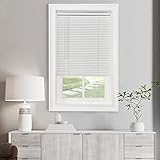
Cordless Light Filtering Mini Blind, 22 x 64 in, Pearl White | Cordless Lift and Light-Filtering Control: Slat-Based Blind Construction with Adjustable Light Control.

LazBlinds No Drill Cordless Cellular Shades, 29" W × 36" H, Silver White | Blackout Honeycomb Shades Thermal Insulation Noise Reduction Glare Control Blinds for Windows
Intu Blinds Pros and Cons
Pros of Intu Blinds
- No drilling: Many Intu blinds fit without screws or permanent holes.
- Clean look: Sits neatly against the glass for an integrated finish.
- Great for uPVC windows: Designed for many modern beaded window systems.
- Good for doors: Moves with glazed doors instead of swinging away.
- Good for tilt-and-turn windows: Stays close to the opening sash.
- Rental friendly: Often better than drilling into walls or frames.
- Less clutter: No bulky wall brackets above the window.
- Multiple styles: Available in pleated, Venetian, cellular, and light-filtering designs.
- Good privacy: Covers the glass closely for everyday privacy.
- Reduced movement: Less swinging compared with loose door-mounted blinds.
- Modern finish: Works well with conservatories and contemporary windows.
Cons of Intu Blinds
- Window compatibility matters: Not every window can accept Intu blinds.
- Needs accurate measuring: Small errors can cause poor fit.
- Usually custom sized: Often less flexible than standard ready-made blinds.
- Can cost more: More expensive than basic roller or mini blinds.
- Limited by beading: Bead depth and shape affect whether the blind will fit.
- Not ideal for damaged seals: Poor seals or loose beading can cause fitting problems.
- May reduce glass area slightly: Frame or side profiles can cover a small edge of the window.
- Fewer budget choices: Less common than standard blinds in many stores.
- Not always blackout: Light gaps may remain depending on fabric and frame design.
Intu Blinds Cost: What Price Should You Expect?
Intu blinds usually cost around $40 to $150+ per blind for many standard or made-to-measure options. Smaller light-filtering Intu pleated blinds are often on the lower end, while larger Intu blinds, blackout fabrics, cellular fabrics, specialty colors, or premium frame systems cost more. For higher-end Intu blinds, custom door blinds, conservatory panels, or thermal cellular options, the price may reach around $100 to $250+ per window or glazed panel.
The total cost depends on the window size, blind style, fabric type, frame color, control system, and whether you need professional measuring or fitting. Intu Venetian blinds may cost differently from Intu pleated or cellular blinds because the materials and operating systems are different. A small side window may be affordable, while a full conservatory or several French doors can become a larger project.
If you are buying Intu blinds for several windows or doors, use a planning tool like the Blind Cost Estimator to estimate the full project before ordering. This can help you compare the cost of different blind types, quantities, upgrades, and installation choices.
For a lower-cost Intu blind project, choose simple light-filtering pleated options in standard colors. For better insulation, comfort, and a premium finish, cellular or blackout Intu blinds may be worth the higher price. For doors and tilt-and-turn windows, paying more for the correct fitted system can be better than buying a cheaper standard blind that swings, rubs, or gets in the way.
Where to Buy Intu Blinds Online
Amazon can be useful for researching Intu blinds and related no-drill blind options, especially if you want to compare clip-fit blinds, no-drill blinds, perfect-fit style blinds, uPVC window blinds, and accessories. Because Intu blinds are often made-to-measure and depend on window compatibility, Amazon availability may vary more than with standard roller or Venetian blinds.
When buying Intu blinds or similar no-drill blinds from Amazon, check the product title and description carefully. Make sure the blind is actually designed for your type of window, not simply marketed as an easy-fit blind. Look for details about bead depth, frame compatibility, minimum and maximum sizes, control style, fabric type, and whether the blind is designed for uPVC windows, doors, conservatories, or tilt-and-turn windows.
Amazon can also help you compare related products such as Intu blinds, no-drill window blinds, uPVC window blinds, and blinds installation hardware.
Find Intu Blinds from Amazon »
Cordless Light Filtering Mini Blind, 22 x 64 in, Pearl White | Cordless Lift and Light-Filtering Control: Slat-Based Blind Construction with Adjustable Light Control.
LazBlinds No Drill Cordless Cellular Shades, 29" W × 36" H, Silver White | Blackout Honeycomb Shades Thermal Insulation Noise Reduction Glare Control Blinds for Windows
eBay can be useful for finding Intu blinds, Intu blind parts, no-drill blind systems, replacement brackets, discontinued fittings, open-box blinds, and discounted made-to-measure listings. It may also be helpful if you need matching Intu-style parts for an existing blind system.
When buying Intu blinds from eBay, check the listing carefully. Confirm whether the blind is new, used, custom-made, open-box, or sold for parts. Check the exact measurements, blind type, fabric color, frame color, fitting method, bead compatibility, included brackets, and return policy. If the blind is used, look for damaged clips, bent side profiles, worn tension cords, stained fabric, missing handles, or cracked fittings.
Custom-size Intu blinds may not be returnable, so do not rely on guesswork. If the listing does not clearly explain compatibility, ask the seller before buying. This is especially important for tilt-and-turn windows, conservatory windows, French doors, and any uPVC frame with unusual beading.
- Blinds 2go – Good for made-to-measure Intu blinds, fabric choices, conservatory blinds, and uPVC window fitting options.
- Blinds Online – Useful for comparing custom blinds, no-drill style options, and made-to-measure window coverings.
- Blinds Direct – Good for made-to-measure blinds, fitting guides, samples, and conservatory-friendly blind options.
- Hillarys – Useful if you prefer measuring, consultation, and professional fitting instead of ordering Intu blinds fully DIY.
How to Find Intu Blinds Stores Near You
To find Intu blinds stores near you, search for local blind shops, conservatory blind specialists, uPVC window blind installers, made-to-measure blind companies, and window treatment showrooms. You can also use a guide to compare places to buy window blinds when deciding between online retailers, local stores, and professional installers.
Local stores are especially helpful for Intu blinds because compatibility matters more than with standard blinds. A standard roller blind can often be mounted above many window types, but Intu blinds need the right window beading and frame conditions. A local specialist can check bead depth, gasket condition, frame shape, handle clearance, and whether your window or door is suitable.
When contacting a store, ask whether they sell true Intu blinds or similar no-drill systems. Also ask if they provide measuring, samples, fitting, repair, replacement parts, and advice for tilt-and-turn windows or conservatories. If you have French doors, patio doors, or glazed back doors, ask whether the blind will move properly with the door and whether it will interfere with handles or locks.
A local Intu blinds installer may be worth it if you have many windows, unusual uPVC frames, a conservatory, shaped panels, or high-value doors. They can also help choose the right fabric for privacy, glare reduction, blackout, or insulation.
What to Check Before Buying Intu Blinds
- Window compatibility: Confirm your window can accept Intu-style fittings before ordering.
- Bead depth: Check the depth of the window beading because Intu blinds need enough space to fit securely.
- Bead shape: Some bead shapes work better than others, so check the retailer’s measuring and compatibility guide.
- Glass size: Measure the visible glass area carefully, not just the full window frame.
- Frame material: Intu blinds are commonly used with uPVC windows, but not every frame type is suitable.
- Seal condition: Damaged, loose, or brittle seals may affect how well the blind fits.
- Handle clearance: Check that the blind frame or fabric will not hit window handles, locks, or door hardware.
- Opening direction: Make sure the blind will work with tilt-and-turn windows, doors, and opening sashes.
- Blind style: Choose pleated, Venetian, cellular, or blackout-style Intu blinds based on the room’s needs.
- Privacy level: Bedrooms, bathrooms, and street-facing windows may need thicker or more private fabrics.
- Light control: Choose light-filtering fabric for soft daylight or blackout fabric for stronger room darkening.
- Insulation: Consider cellular Intu blinds if heat, cold, or conservatory comfort is important.
- Frame color: Match the blind frame with your uPVC frame, window trim, or interior style.
- Fabric color: Choose a color that works with the room and does not clash with the window frame.
- Room moisture: For kitchens, bathrooms, and conservatories, choose materials that handle humidity well.
- Cleaning needs: Pick wipeable or easy-care materials for doors, kitchens, and busy family spaces.
- Return policy: Custom Intu blinds may not be returnable if you order the wrong size.
- Installation method: Check whether the system clips, slides, tensions, or locks into the beading.
- Included parts: Confirm that side profiles, brackets, clips, handles, guides, and instructions are included.
- Total cost: Include blinds, measuring, shipping, samples, installation, and possible replacement parts.
Intu Blinds Installation Options: DIY vs Professional Fitting

Cutelec 2pcs Box Mounting Bracket for Low Profile Horizontal Blinds with 1-3/4" x 2 1/2" Headrail - White Color

Jetec 6 Pieces Mini Blind Brackets for Window Blinds,1.18x1.18 Inch | with Screws,Metal Replacement Parts,Easy DIY Installation
Intu blinds are often marketed as easy-fit or no-drill blinds, which means many homeowners can install them without a professional. However, the project is only easy if the window is compatible and the measurements are correct. Because Intu blinds fit into or around the window beading, accurate measuring is more important than with many basic blinds.
DIY installation may be a good choice if you have standard compatible uPVC windows, clear measuring instructions from the retailer, and a small number of blinds to install. Many Intu systems use clips, side profiles, tensioned guides, or push-fit components. You may not need a drill, but you still need patience, clean hands, careful alignment, and the ability to follow the fitting guide exactly.
Professional fitting is better if you are buying Intu blinds for several windows, a full conservatory, French doors, tilt-and-turn windows, or expensive custom fabrics. A fitter can confirm compatibility before ordering and reduce the chance of costly mistakes. This is important because many made-to-measure Intu blinds cannot be returned once manufactured.
For door installation, make sure the blind does not interfere with handles, locks, hinges, or the door swing. For tilt-and-turn windows, the blind should stay close to the sash and should not block the window from opening or tilting correctly. For conservatories, a professional may help keep the blinds consistent across many panels and avoid alignment problems.
DIY Intu blind fitting can save money, but professional fitting can save frustration if your windows are unusual. If you are not sure whether your beading is compatible, contact the retailer or a local blind specialist before ordering.
- Choose DIY installation if: Your windows are compatible, the measurements are simple, and you are ordering only a few blinds.
- Choose professional fitting if: You have many windows, a conservatory, French doors, tilt-and-turn windows, or expensive made-to-measure blinds.
- Choose Intu blinds if: You want a no-drill, close-to-glass, integrated look for compatible uPVC windows and doors.
- Avoid Intu blinds if: Your window beading is unsuitable, your seals are damaged, or the retailer says your frame is not compatible.
FAQ About Intu Blinds
Are Intu blinds the same as perfect fit blinds?
Intu blinds and perfect fit blinds are similar because both are designed to sit close to the glass and are often used on uPVC windows and doors. However, the frame style, fitting method, and compatibility requirements can differ, so always check the exact system before ordering.
Do Intu blinds need drilling?
Many Intu blinds are designed as no-drill blinds and fit into the window beading instead of being screwed into the wall or frame. However, always check the manufacturer’s fitting instructions because systems can vary.
What windows are best for Intu blinds?
Intu blinds are best for compatible uPVC windows, tilt-and-turn windows, glazed doors, French doors, patio doors, and conservatories where the blind can fit neatly into the beading area.
Can Intu blinds fit wooden windows?
Intu blinds are most commonly used with uPVC windows. Some wooden or alternative frames may not be compatible because the beading, seals, and fitting depth may be different. Check with the retailer before ordering.
Are Intu blinds good for French doors?
Yes. Intu blinds can be a good choice for French doors because they sit close to the glass and move with the door instead of swinging loosely like some standard blinds.
Are Intu blinds good for tilt-and-turn windows?
Yes. Intu blinds are often popular for tilt-and-turn windows because the blind stays close to the sash when the window opens or tilts.
Are Intu blinds suitable for conservatories?
Yes. Intu blinds are commonly used in conservatories because they create a neat fitted look across multiple glazed panels and can help with glare, privacy, and temperature comfort.
How much do Intu blinds cost?
Many Intu blinds cost around $40 to $150+ per blind, depending on size, fabric, and style. Larger, blackout, cellular, custom, or premium Intu blinds can cost around $100 to $250+ per window or panel.
Are Intu blinds expensive?
Intu blinds are often more expensive than basic ready-made roller blinds or mini blinds, but they offer a cleaner no-drill fit and are better suited to uPVC windows, doors, and tilt-and-turn windows.
Can I install Intu blinds myself?
Yes. Many Intu blinds are designed for DIY installation if your windows are compatible and your measurements are correct. Professional fitting may be better for conservatories, doors, large orders, or expensive custom blinds.
Do Intu blinds damage window frames?
Properly fitted Intu blinds are designed to avoid drilling and permanent frame damage. However, poor fitting, incorrect removal, or unsuitable windows may cause problems, so follow the installation instructions carefully.
Can Intu blinds be removed?
Yes. Many Intu blinds can be removed, but the exact process depends on the fitting system. Remove them carefully to avoid damaging clips, beading, seals, or side profiles.
Are Intu blinds good for blackout?
Some Intu blinds are available with blackout fabric, but they may not create complete darkness because small light gaps can remain around the edges. For stronger blackout, choose blackout fabric and check the frame design carefully.
Are Intu blinds good for privacy?
Yes. Intu blinds are good for privacy because they sit close to the glass and cover the window neatly. Choose thicker, darker, or blackout-style fabrics for bedrooms, bathrooms, and street-facing windows.
Are Intu blinds child safe?
Many Intu blinds use cordless, tensioned, or short-control systems, which can be safer than long loose cords. Always check the product’s child-safety details before buying.
Can Intu blinds help with heat?
Yes, especially if you choose cellular or thermal fabrics. Intu blinds can reduce glare and help with comfort, but the level of heat control depends on the fabric type and window exposure.
What is the best Intu blind fabric?
The best fabric depends on the room. Light-filtering fabric is good for soft daylight, blackout fabric is better for bedrooms, and cellular fabric is useful for insulation and conservatory comfort.
Can Intu blinds be repaired?
Some Intu blind parts can be repaired or replaced, such as clips, handles, tension cords, side profiles, or brackets. If the fabric or frame is badly damaged, replacing the full blind may be easier.
Why do my Intu blinds not fit?
Common reasons include incorrect measurements, unsuitable bead depth, unusual bead shape, damaged seals, wrong frame type, or ordering a blind system that is not compatible with your window.
Where is the best place to buy Intu blinds?
Specialist made-to-measure blind retailers are often best for true Intu blinds because compatibility and measuring are important. Amazon and eBay can be useful for related no-drill blinds, parts, and comparison shopping.
Summary
Intu blinds are a smart choice if you want a neat no-drill blind system for compatible uPVC windows, glazed doors, conservatories, French doors, or tilt-and-turn windows. They sit close to the glass, avoid bulky external brackets, and can move with the window or door panel. This makes them especially useful where standard blinds may swing, rub, or look untidy.
Before buying, check window compatibility, bead depth, glass measurements, handle clearance, fabric type, and return policy. Intu blinds usually cost more than basic ready-made blinds, but the clean fitted look and no-drill installation can make them worth it for the right windows. Amazon and eBay can help with product research and parts, while specialist blind retailers and local installers are often the best choice for accurate made-to-measure Intu blinds.

60 PCS Vertical Blind Repair Tabs Kit Clear Fixer Verticle Blinds Snap in Replacement Slats Parts Panels

30 Sets (60 Pcs) Vertical Blinds Replacement Slats Panels, Vertical Blind Repair Tabs Kit, Clear Apartment Blinds Replacement Fixers, Horizontal Blinds Replacement Parts
