
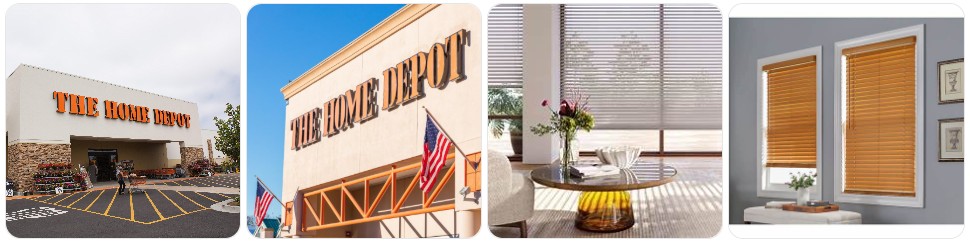
If you are comparing major retailers before buying new window coverings, The Home Depot is one of the most obvious places to include in a broader guide on where to buy blinds. The quick answer is that The Home Depot is a strong option if you want a mix of ready-made blinds, custom blinds, in-store shopping, online ordering, and optional professional measuring or installation depending on the product you choose. In practical terms, it works well for shoppers who want everything from basic mini blinds and faux wood blinds to larger custom shades, all from a retailer that also offers pickup, delivery, and home-improvement support in one place.
What Types of Blinds You Can Usually Buy at The Home Depot
The Home Depot usually carries one of the broadest blind assortments among big-box home-improvement retailers. Its window-treatment range commonly includes mini blinds, faux wood blinds, vertical blinds, aluminum blinds, roller shades, solar shades, cellular shades, pleated shades, Roman shades, sheer shades, sliding panel shades, bamboo and natural shades, and custom blinds from brands such as Bali, Levolor, Home Decorators Collection, Blinds.com, and others. That makes The Home Depot useful for both straightforward ready-made purchases and shoppers who want to compare more styles before ordering a custom product. If you want a quick overview before narrowing your shortlist, it helps to look through this guide to different types of blinds and then match those styles to what The Home Depot currently stocks.
In practical shopping terms, The Home Depot is especially convenient because it combines budget-friendly basics with more premium custom choices in one place. You can shop simple ready-made mini blinds, faux wood blinds, or roller shades for fast installation, or move into custom categories if your windows need a more exact fit. That balance is one of The Home Depot’s main advantages: it is not limited to just a few ready-made styles, and it is not limited to special-order-only window treatments either.
How Much Do Blinds Cost at The Home Depot? (Blinds Price Range)
- Mini blinds: The Home Depot usually carries entry-level mini blinds in the lower end of the price range, making them one of the most budget-friendly choices in the store. These are often the easiest option for quick replacements, rentals, utility rooms, and basic privacy upgrades. For outside comparison, you can also browse mini blinds.
- Faux wood blinds: Faux wood blinds are one of The Home Depot’s core categories and usually sit in the affordable to mid-range bracket depending on slat size, cordless design, width, and whether the blind is pre-cut or custom. This is often a strong category if you want a more substantial look than mini blinds without stepping immediately into premium wood pricing. It can help to compare faux wood blinds before buying.
- Vertical blinds and sliding-panel styles: For patio doors and wide openings, The Home Depot typically offers vertical blinds and sliding-panel-style products at a higher price than basic mini blinds, but still across a wide range depending on materials and size.
- Roller, solar, and blackout shades: Roller and solar styles can range from affordable ready-made options to more design-focused custom products. If you want an easy price comparison outside the store, browse roller shades and blackout roller shades.
- Cellular and pleated shades: These usually sit in the mid-range and above, especially when you move into cordless, top-down/bottom-up, or custom-fit options. They are often worth considering if energy efficiency and a softer look matter more than the absolute lowest price.
- Custom blinds and shades: The Home Depot’s custom categories can cost noticeably more than ready-made blinds, but they offer a broader set of style, size, and material choices. In practical terms, The Home Depot serves both ends of the market: affordable ready-made blinds and more expensive made-to-measure products.
- General price expectation: The Home Depot is not just a budget-only blind retailer. It is better understood as a retailer with a wide price ladder, from basic low-cost blinds to premium custom treatments, which is part of what makes it useful for so many different buyers.
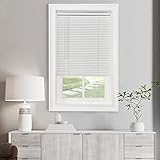
Cordless Light Filtering Mini Blinds for Indoor, 34 x 64 in, Pearl White | Cordless Lift and Light-Filtering Control: Slat-Based Blind Construction with Adjustable Light Control.

LOTUS & WINDOWARE Cordless Faux Wood Blinds, 35" Wide x 60" Long, Smooth, Snow White, 2 Inch Horizontal Blinds – for Living Room, Bedroom, Interior Door Windows
How to Buy Blinds at The Home Depot (Near Me Finder)
The easiest way to buy blinds at The Home Depot is to start online, narrow down the blind type, size, mount style, and price range you want, and then use the official The Home Depot store locator to check your nearest location. That approach works especially well because The Home Depot gives you several buying paths: buy online for delivery, buy online and pick up in store, browse ready-made blinds in person, or begin a custom-blind order through its in-home or design-related services.
For most shoppers, the smartest method is to measure first, decide whether you want ready-made or custom second, and only then visit the store or place the order. The Home Depot is especially useful if you want to compare simple grab-and-go blinds with special-order options in the same retailer. If you need help beyond the store finder, the official The Home Depot Customer Service Center is the best place to start.
What to Check Before Buying Blinds In-Store at The Home Depot
- Know whether you want ready-made or custom before you walk in: The Home Depot sells both, and the buying process is very different. Ready-made blinds are faster and cheaper, while custom options offer more control over exact size, material, and finish.
- Bring exact window measurements: This matters even more at The Home Depot because the store carries both pre-cut and custom options. A measurement mistake can push you into the wrong category or make a budget ready-made blind unusable.
- Check whether the blind is cut-to-width, pre-cut, or fully custom: Some The Home Depot products are marketed as cut-to-width or ready-made, while others are special-order custom blinds. Do not assume every blind in the aisle can be trimmed the same way.
- Compare cordless versus corded operation: The Home Depot has many cordless options, especially in faux wood and cellular categories. If child safety, cleaner appearance, or easier everyday use matters, inspect that feature closely before buying.
- Look at moisture resistance and room suitability: Faux wood blinds are often a practical pick for kitchens, bathrooms, and humid rooms, while lighter mini blinds may be better for low-cost general coverage. If you want outside reference points, compare faux wood blinds and mini blinds.
- Check if the product is in stock locally: The Home Depot’s assortment is large, but not every style or size will be physically stocked at every store. Checking store availability first can save a wasted trip.
- Inspect the included hardware and mount type: Make sure the blind comes with the right brackets and that the packaging clearly matches your intended inside or outside mount. If you need extras, it can help to compare blind mounting brackets.
- Ask about installation if you do not want to DIY: The Home Depot does offer blind installation services, so it is worth deciding in advance whether you want a self-install ready-made blind or a more service-supported purchase.
- Review return details before opening the package: This matters especially with custom products, because custom window coverings follow different return rules than standard ready-made blinds.
The Home Depot Customer Service and Contact Info
For help with store questions, orders, returns, installation, or general support, the best starting point is the official The Home Depot Customer Service Center. The retailer also provides an official store locator for finding nearby branches and store-specific details. If you prefer direct contact, The Home Depot prominently lists customer-help channels including text support and website assistance, and the site also provides phone support information for customer-care and accessibility-related help.
If your question is specifically about a local store, pickup issue, or in-person shopping problem, the store locator is usually the most practical first step. If your issue relates to returns, damaged blinds, or installation help, the customer-service center is the better starting point because it connects you to the right support path more quickly.
Window Blinds at The Home Depot FAQ
Is The Home Depot good for buying blinds?
Yes, The Home Depot is a strong place to buy blinds if you want a wide mix of ready-made and custom choices in one retailer. It is especially useful for shoppers who want to compare budget mini blinds, faux wood blinds, shades, and custom window treatments without switching stores.
What is The Home Depot’s warranty and return policy for blinds?
For standard ready-made blinds, The Home Depot’s regular return policy generally applies, but custom window coverings are treated differently. Custom window coverings cannot be returned in the normal way and are instead covered through the store’s Guarantee to Fit remake policy, so it is very important to know whether you are buying a standard blind or a custom one before checkout.
Does The Home Depot offer blind installation?
Yes, The Home Depot does offer blind installation services. That makes it a practical option if you do not want to handle measuring and installation yourself, especially for larger custom orders or full-room projects.
Are The Home Depot blinds ready-made or custom?
Both. The Home Depot sells ready-made blinds you can buy quickly in standard sizes, but it also offers custom blinds and shades through its broader window-treatment program. That is one of its main advantages compared with stores that only focus on one side of the market.
Are blinds at The Home Depot affordable?
Yes, many blinds at The Home Depot are affordable, especially entry-level mini blinds and basic ready-made options. At the same time, the store also sells more expensive custom blinds and shades, so the overall price range is broad rather than limited to one budget level.

60 PCS Vertical Blind Repair Tabs Kit Clear Fixer Verticle Blinds Snap in Replacement Slats Parts Panels

joytrace RV Pleated Shade Repair Kit, RV Window Shade Restringing Kit, Repair and Maintain of Day Night Pleated Shade (White)
