
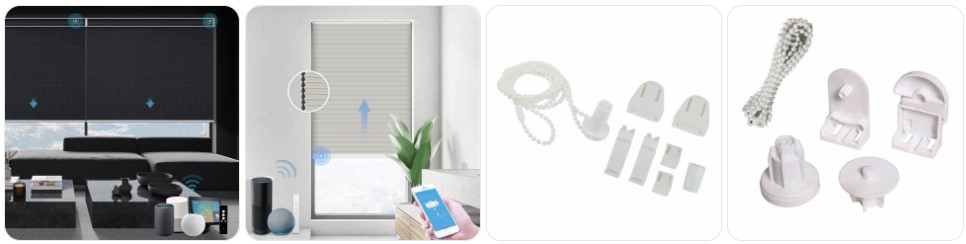
Smart Blinds combine standard blind hardware with added motor, battery, remote, hub, or app-based controls, so repairs often involve both mechanical blind parts and powered components rather than just cords, brackets, or slats. The quick answer is that a broken smart blind often does not need to be replaced completely if the fabric or slats are still in good condition and the issue is limited to the motor, battery pack, charging cable, remote pairing, drive adapter, brackets, or control unit. In many cases, you can restore normal operation by replacing a worn motorized blind battery, re-pairing the controller, correcting a slipping drive part, or swapping out the mounting hardware before the blind starts tracking badly. If you want to compare likely repair items while troubleshooting, it helps to browse smart blind repair kits, motorized blind replacement motors, and smart blind remote controls.
Fix Common Smart Blind Problems & Repair Cost
Smart blind will not respond to the remote or app: This is one of the most common smart blind problems and often comes down to a low battery, a lost pairing connection, a faulty remote, or a motor that has powered down after repeated failed commands. Start by checking whether the blind still shows any sign of life, such as a brief motor sound, indicator light, or partial movement. If the blind works manually but not electronically, the repair may be as simple as replacing the battery pack, charging cable, or remote. Smaller fixes are often in the range of about $10 to $40 in parts, while a replacement motor or controller can cost more depending on brand and blind size. It helps to compare smart blind remotes, rechargeable blind battery packs, and replacement motors before assuming the entire blind is beyond repair. Do not keep sending repeated open and close commands if the motor is struggling, because that can overstrain the drive system.
The blind moves unevenly, stops halfway, or struggles during travel: Smart blinds depend on a motorized drive working smoothly with the tube, track, or lift mechanism, so jerky movement usually points to a slipping adapter, worn bracket, low battery power, or friction in the blind itself. If one side starts lagging or the blind only moves partway before stopping, inspect the mounting alignment and look for a worn drive insert or loose bracket before blaming the electronics. Smaller mechanical fixes are often around $10 to $35 in parts, while a new motor or drive assembly can raise the cost. If the blind still looks good otherwise, it is worth comparing roller shade drive adapters, mounting brackets, and smart blind repair kits.
The motor runs, but the blind does not actually move: This usually means the motor is still getting power but the drive connection between the motor and the blind has failed. On smart roller-style blinds, that often points to a cracked drive wheel, worn adapter, loose tube insert, or slipping clutch-style connection. This type of repair is often more affordable than replacing the entire blind because the expensive electronic part may still be working. Depending on the exact failed part, repairs often cost around $10 to $50 in parts.
The blind works manually but the smart features have stopped: If the blind can still be raised, lowered, or adjusted by hand but no longer responds to automation, app scheduling, or voice control, the issue is often with the remote, hub connection, battery level, or software-side pairing rather than the physical blind. Re-pairing the remote or replacing a worn control unit may be all that is needed. This is often one of the easier smart blind fixes, especially if the motor itself still responds occasionally.
The headrail, brackets, or battery mount feel loose: This is a more serious smart blind issue because powered blinds can place extra stress on their brackets during repeated opening and closing cycles. Tightening the hardware may solve a small issue, but if the headrail twists, the motor mount shifts, or the battery housing rattles, replacing those supports may be the more reliable option. Always check the mounting system first before assuming the electronics are the main cause of the problem.
Smart Blind Repair Kit
A smart blind repair kit is most useful when the problem is in the motor support hardware, battery setup, brackets, remote-control accessories, or small drive parts rather than in the visible blind material itself. Many smart blind repair kits or compatible replacement bundles focus on practical items such as charging cables, remotes, battery packs, drive adapters, bracket hardware, and small control accessories that help restore normal movement without replacing the full blind. For smart blinds specifically, the most useful kits are the ones that support both powered operation and stable blind alignment, because a smart blind can fail electrically and mechanically at the same time.
It is worth checking the included parts carefully because some products sold as smart-blind repair items are really just general motorized roller-shade accessories rather than brand-specific smart blind kits. If your issue is clearly limited to one failed part, buying that exact replacement may be cheaper. But if the blind has poor battery life, a slipping drive part, and a worn bracket at the same time, a broader smart blind repair kit or motorized blind accessories set can save time and make the repair more consistent. For smart blinds, matching the motor style, power source, and mounting profile matters more than buying a generic blind kit.

60 PCS Vertical Blind Repair Tabs Kit Clear Fixer Verticle Blinds Snap in Replacement Slats Parts Panels
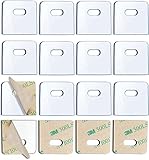
SOGEWO (16 Set/32 Pieces) Clear Vertical Blind Repair Tabs, Vertical Blinds tabs/Blind Fixers for Vertical Blinds Replacement Slats & Parts

35 Sets (70 Pieces) Clear Vertical Blind Repair Tabs for Replacement Slats
Signs Your Smart Blind Need Repair
- The blind stops responding to the remote or app: This usually means a battery, pairing, controller, or motor issue rather than a full blind failure. Checking smart blind remotes and rechargeable battery packs for blinds is a good first step.
- The blind moves more slowly than before: Smart blinds should move at a consistent pace. If movement becomes hesitant or weak, the cause is often low power, a worn motor, or friction in the drive path.
- The motor makes noise but the blind stays still: This is a strong sign that the drive adapter, tube insert, or another connecting part has slipped or broken.
- The blind stops partway through opening or closing: That can point to a battery problem, motor overload, bracket misalignment, or resistance in the blind itself rather than a software problem alone.
- The blind loses its programmed limits or positions: If the blind suddenly opens too far, closes unevenly, or forgets its stop points, the motor settings or drive alignment may need attention.
- The battery drains much faster than normal: A rapidly draining blind is often a sign that the motor is working harder than it should or that the battery pack itself is starting to fail.
- The mounting hardware feels loose during movement: Smart blinds put repeated motorized strain on their brackets, so loose mounts can turn into bigger alignment and drive problems quickly.
- The blind only works manually now: If the electronic controls have failed but the blind still moves physically, that usually means the smart-control side needs repair rather than the full blind.
Tools You May Need to Repair Smart Blind
- Screwdriver set: A basic screwdriver set is useful for opening battery covers, tightening brackets, removing headrail hardware, and replacing motor mounts or drive components.
- Precision screwdriver set: Many smart blind remotes, small motor housings, and battery compartments are easier to work on with a precision screwdriver set.
- Needle-nose pliers: A pair of needle-nose pliers can help with small connectors, tight bracket tabs, and compact drive fittings.
- Replacement battery pack or charger: If the blind no longer holds power reliably, matching rechargeable battery packs for blinds or motorized blind chargers may be one of the most important repair items to have on hand.
- Replacement motor or drive adapter: A slipping or non-moving smart blind often needs a matching replacement motor or drive adapter.
- Remote or smart-control accessory: If the blind still moves but no longer responds properly to commands, comparing smart blind remotes or control accessories can help restore the automation side.
- Measuring tape: A measuring tape helps you match bracket spacing, tube size, and replacement motor dimensions more accurately.
- Step stool or ladder: A stable step stool helps if you need to remove the blind, inspect the headrail, or refit mounting brackets safely during a repair.
Should You Repair or Replace Your Broken Smart Blind?
Repairing a broken smart blind usually makes sense when the fabric or slats still look good and the fault is clearly limited to the motor, battery pack, remote, drive adapter, brackets, or another control-side component. Because smart blinds combine standard blind hardware with premium electronic features, even a relatively small failed part can make the whole blind seem unusable. In that situation, replacing the failed control or drive component is usually far cheaper than replacing the entire blind, especially if you only need a new battery pack, remote, charger, bracket, or compatible motor accessory. Comparing a smart blind repair kit with the price of a full new blind often makes repair the better value.
Replacement becomes the better option when the smart hardware is failing in multiple places at once, the fabric or slats are also damaged, the blind no longer tracks well even after adjustment, or the exact electronic parts are hard to match. It can also make sense to replace the blind if the motor is outdated and the cost of sourcing compatible components is close to the cost of a new unit. A quick comparison between smart blind options and the specific parts you need will help you decide. In many cases, though, smart blinds are very repairable when the problem is limited to one electronic or drive-related component rather than the whole blind system.

Motorized Blinds No Drill Automatic Blinds for Windows Cordless Roller Shades Electric Blinds with Remote Control Smart Blinds (White, 34.5 x 72)

SwitchBot Smart Electric Motorized Blinds Kit - 3Pack with 2.4G WiFi Remote Control, Solar Powered, Compatible with Alexa, Google Home and Siri, Light Sensing Control, Unlimited Group Control
Motorized Blinds No Drill Automatic Blinds for Windows Cordless Roller Shades Electric Blinds with Remote Control Smart Blinds (White, 22 x 72)
Tips to Make Your Smart Blind Last Longer
- Keep the battery charged properly: Letting the power source run flat too often can shorten the life of some smart blind batteries and lead to weaker motor performance over time.
- Do not force the blind by hand when the motor is struggling: If the blind resists movement, check the battery, drive parts, or brackets first instead of forcing the mechanism.
- Keep the brackets tight and the blind aligned: A motorized blind puts repeated strain on its mounting points, so small alignment problems can become larger drive issues if ignored.
- Clean dust from the headrail and moving parts: Dust buildup can create friction around the tube, track, or drive area and make the motor work harder than necessary.
- Replace worn accessories early: A weak remote, slipping adapter, or loose bracket is much cheaper to fix than a system that has been strained until the motor also fails.
- Check charging cables and connectors regularly: Smart blinds depend on reliable power delivery, so damaged charging accessories can lead to avoidable battery and control issues.
- Use programmed limits correctly: If the blind starts stopping in the wrong position, reset or correct the limits early so the motor does not keep overdriving the blind at the top or bottom of travel.
- Protect the blind from moisture and impact: Smart hardware and charging points usually last longer when the blind is kept dry and not knocked out of alignment during cleaning or everyday use.
Smart Blind Repairs FAQ
What usually breaks on a smart blind?
The parts that fail most often are battery packs, remotes, motors, drive adapters, brackets, and charging accessories. On smart blinds, the control hardware often wears out before the actual fabric or slats do.
Can I fix a smart blind that will not respond?
Yes, in many cases. Start by checking the battery level, charging setup, remote pairing, and whether the motor makes any sound at all. If the blind material is still in good condition, replacing a small control-side part is often enough.
Is a smart blind repair kit worth buying?
It can be, especially when the blind has more than one small hardware issue. A smart blind repair kit is often easier than buying a remote, charger, bracket, and drive accessory separately.
Why does my smart blind motor run but the blind does not move?
This usually means the motor still has power but the drive connection has failed. A worn adapter, loose insert, or slipping internal connection is often the real problem.
Can I replace just the battery or remote on a smart blind?
Yes, if the rest of the system is still in good condition and the replacement parts are compatible. Many smart blind repairs are limited to the power or control accessories rather than the blind itself.
How much does it usually cost to repair a smart blind?
Minor repairs such as a remote, charger, bracket, or battery pack are often relatively inexpensive, usually around $10 to $40 in parts. Larger repairs involving motors or several linked components can cost more, but they are often still cheaper than replacing the full smart blind.
Should I repair or replace a smart blind with repeated connection problems?
If the issue is limited to one accessory or pairing-related part, repair usually still makes sense. If the blind has repeated motor, battery, and control failures at the same time, replacement may be the more practical long-term choice.
Can smart blind parts be hard to match?
Yes, especially if the blind is older or uses a brand-specific app, motor, or battery system. That is why it helps to check the motor style, power source, bracket layout, and control accessories carefully before ordering replacement parts.
60 PCS Vertical Blind Repair Tabs Kit Clear Fixer Verticle Blinds Snap in Replacement Slats Parts Panels
SOGEWO (16 Set/32 Pieces) Clear Vertical Blind Repair Tabs, Vertical Blinds tabs/Blind Fixers for Vertical Blinds Replacement Slats & Parts
