
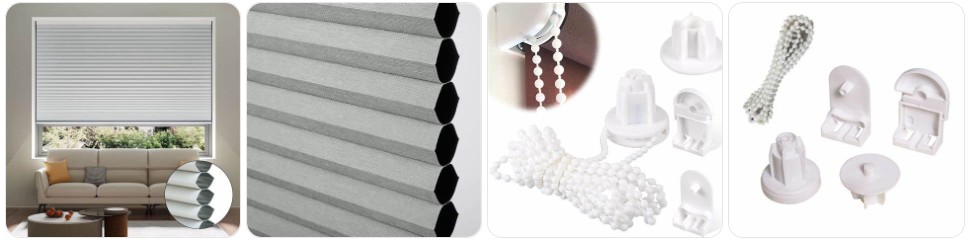
Honeycomb Blinds are designed for insulation, soft light control, and a clean cellular look, so repairs usually focus on the headrail, lift cords, cord locks, internal strings, bottom rail, fabric cells, and tensioned control hardware rather than on slats or roller tubes. The quick answer is that a broken honeycomb blind can often be repaired for much less than a full replacement if the cellular fabric is still in decent condition and the main problem is mechanical. In many cases, the fix comes down to restringing the blind, replacing a worn cord lock, correcting an uneven bottom rail, restoring a broken handle or guide, or repairing the internal support cords before the fabric cells start collapsing or twisting. If you want to compare helpful products while troubleshooting, it can be useful to browse honeycomb blind repair kits, cellular shade replacement parts, and blind string replacement kits.
Fix Common Honeycomb Blind Problems & Repair Cost
The honeycomb blind will not raise or lower properly: This is one of the most common honeycomb blind issues and usually points to a frayed lift cord, worn cord lock, tangled internal string, or a headrail mechanism that is no longer moving smoothly. Because honeycomb blinds rely on evenly tensioned internal cords to keep the cellular fabric lifting straight, even a small cord problem can make the blind hang crooked or stop moving altogether. In many cases, the repair involves restringing the blind or replacing the cord lock rather than replacing the full shade. Minor parts repairs are often in the range of about $5 to $25 in supplies, while more involved repairs using several new parts can run around $15 to $45 depending on the blind size and control style. It helps to compare honeycomb blind repair kits, blind string replacement kits, and cord lock replacements. Do not keep yanking a honeycomb blind that is already sticking or hanging unevenly, because that can collapse the fabric cells or snap more internal cords.
The bottom rail hangs unevenly or the blind stacks crooked: Honeycomb blinds need balanced cord tension on both sides to keep the bottom rail level and the folded cells stacking neatly. If one side hangs lower, the cause is often a stretched or damaged cord, a slipping internal route, or a misaligned bottom rail plug. Sometimes the fix is as simple as restringing the blind evenly, while other cases need a bottom rail or guide part replaced before the shape of the fabric begins to distort permanently.
The cells are crushed, sagging, or no longer folding neatly: Honeycomb fabric is soft and lightweight, but it depends on its pleated cellular structure to open and stack correctly. If the cells are crushed in one area or sagging near the lift points, the blind may have been forced during operation, handled roughly during cleaning, or lifted while a cord problem was already developing. Small localized damage may be manageable if the control system is repaired quickly, but widespread cell collapse often pushes the blind closer to replacement.
The blind will not stay in place: If the shade slides down after being raised, the problem is often a worn cord lock or an internal mechanism that is no longer gripping the lift cords properly. This is usually a repairable issue if the cellular fabric still looks good, and replacing the locking hardware is often much cheaper than buying a new blind.
The cordless or top-down bottom-up system feels rough or misaligned: Many honeycomb blinds use cordless or specialty operating systems, and these can develop alignment issues if the internal cords stretch unevenly or a guide piece wears out. Fixing the control system early usually gives the best chance of preserving the fabric shape.
Honeycomb Blind Repair Kit
A honeycomb blind repair kit is most useful when the problem is in the lift system, cord routing, bottom rail, or small headrail hardware rather than in the fabric itself. Because honeycomb blinds use internal strings and compact control parts to lift and support the cellular fabric evenly, the pieces that fail are often small, inexpensive, and very repairable if you catch the problem early. A good honeycomb blind repair kit may include restringing cord, cord lock parts, guide buttons, washers, cord stops, handles, and small installation pieces that help restore smooth lifting without replacing the full blind.
It is worth checking kit contents carefully because some products are listed more broadly under cellular shade parts rather than honeycomb blind parts. If the problem is limited to one obvious issue, such as a frayed cord or a worn lock, buying that single part may be the cheaper option. But if the blind is already lifting unevenly, stacking badly, and showing wear around the control side, a broader honeycomb blind repair kit or cellular shade replacement parts bundle can make the repair much more consistent. For honeycomb blinds, keeping the lift cords balanced is just as important as replacing the damaged hardware itself.

HunterDouglas Restring KIT for Honeycomb Shade, 2 Spools with Flat Tape
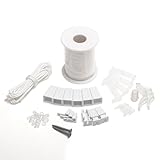
Honeycomb Shade Restring Kit, Repair Kit Compatible with Hunter Douglas | Compatible with Hunter Douglas, Turnils, Alta, Comfortex, for Honeycomb & Cellular Shades, Includes Cord & Hardware (White)

Mandala Crafts 1mm Egg Shell Blind Strings Lift Shade Cord, 109 Yards | Braided Nylon Cord for Roller & Roman Shades, Venetian Blinds Repair, Replacement, Curtain String, Indoor & Outdoor Use
Signs Your Honeycomb Blind Need Repair
- The bottom rail hangs lower on one side: This usually points to an uneven cord path, stretched lift string, or misaligned internal routing. Checking blind string replacement kits is often a smart first step.
- The blind will not stay raised: On a honeycomb blind, this often means the cord lock or internal holding mechanism is worn. Comparing cord lock replacements can help if the blind keeps slipping down.
- The cells look crushed or uneven near the lift points: This usually means the blind has been operating under stress or with uneven internal support, and it needs attention before the fabric structure becomes permanently distorted.
- The blind stacks badly at the top: Honeycomb shades should fold neatly. If the stack is twisted or bulky on one side, the cords or internal guides may no longer be working evenly.
- The cordless or top-down bottom-up system feels rough: Specialty honeycomb controls often show wear through jerky movement or uneven positioning before they fail completely.
- The blind makes you pull harder than usual: If the shade still looks presentable but no longer moves smoothly, this is often the best time to repair it before the fabric cells collapse further.
- The side edges start bowing inward or outward: That can mean the bottom rail is no longer tracking evenly or the fabric is being lifted under uneven tension.
- The blind drifts down after you set it: This is one of the clearest signs that the holding mechanism needs repair rather than the whole blind being replaced.
Tools You May Need to Repair Honeycomb Blind
- Measuring tape: A measuring tape helps you check blind width, drop, cord length, bottom rail size, and replacement part dimensions before ordering anything.
- Needle-nose pliers: A pair of needle-nose pliers is useful for guiding cords through small openings, gripping cord stops, and handling tiny internal fittings without damaging them.
- Replacement cord or restringing kit: If the blind no longer lifts evenly, matching blind string replacement kits are often the most important repair items to have on hand.
- Replacement cord lock or internal hardware: If the blind will not stay up, a cord lock replacement may be the part you need.
- Small screwdriver set: A precision screwdriver set is useful for opening the headrail, adjusting end caps, or removing small support pieces.
- Replacement handles or guide pieces: Cordless and top-down bottom-up honeycomb blinds often rely on small plastic parts that wear out before the fabric itself. Looking at cellular shade replacement parts can help match those pieces.
- Soft work surface and cloth: Honeycomb fabric crushes more easily than many blind materials, so it helps to protect the cells while the headrail, cords, and bottom rail are being inspected.
- Small scissors or snips: If you are restringing the blind, a careful trimming tool helps cut replacement cord cleanly without fraying the ends.
Should You Repair or Replace Your Broken Honeycomb Blind?
Repairing a broken honeycomb blind usually makes sense when the cellular fabric still looks good and the problem is clearly limited to the cords, cord lock, bottom rail, or one small control part. Because honeycomb blinds are often chosen for insulation, energy efficiency, and soft filtered light, it is often worth fixing a blind that still looks attractive but has one mechanical issue. In that situation, replacing the failed hardware is usually much cheaper than replacing the whole blind, especially if all you need is a honeycomb blind repair kit, new cord set, or replacement lock.
Replacement becomes the better option when the cellular fabric is badly crushed, torn, stained, or permanently distorted even after the control system has been repaired. It may also make sense to replace the whole blind if the original cordless or specialty hardware is too brand-specific to match easily or the blind was a very low-cost ready-made model to begin with. A quick comparison between honeycomb blind options and the parts you need can help you decide. In many cases, though, honeycomb blinds are worth repairing when the problem is in the lift system rather than in the visible cellular fabric itself.

BlindsAvenue Cordless Cellular Shade, White, 27" W x 72" H | Light Filtering Pull Down Blinds for Indoor Windows, Thermal Insulation, Noise Reduction Honeycomb Shades for Home Privacy

LazBlinds No Drill Cordless Cellular Shades, 22" W x 36" H, White | Blackout Fabric Protects Privacy, With Thermal Insulation & Noise Reduction, Safe Cordless Design for Kids & Pets
BlindsAvenue Cordless Cellular Shade, White, 35" W x 48" H | Light Filtering Pull Down Blinds for Indoor Windows, Thermal Insulation, Noise Reduction Honeycomb Shades for Home Privacy
Tips to Make Your Honeycomb Blind Last Longer
- Raise and lower the blind gently and evenly: Sudden pulling puts more strain on the lift cords, cord lock, and bottom rail alignment than smooth operation.
- Do not keep using the blind if it starts hanging unevenly: Continuing to operate a misaligned honeycomb blind can crush the cells and wear out the internal support cords faster.
- Support the bottom rail properly: If the blind is cordless, lift and lower it evenly from the proper handle area instead of pulling one side first.
- Keep the blind and headrail area clean: Dust and dirt around the cords, guides, and rail can make the blind feel rough and reduce how smoothly it operates.
- Handle the fabric cells gently during cleaning: Honeycomb blinds look soft and light because they are. Rough cleaning pressure can flatten the cells and affect how neatly the blind stacks.
- Do not ignore a slipping lock or frayed string: Replacing a worn part early is much easier than dealing with a blind that has started collapsing unevenly.
- Store removed honeycomb blinds flat and protected: If the blind has to come down for repair, protect both the cellular fabric and the control hardware so it can be reinstalled without new damage.
- Replace small worn parts early: A fresh cord, lock, or guide piece is much cheaper than rebuilding a badly distorted honeycomb blind later.
Honeycomb Blind Repairs FAQ
What usually breaks on a honeycomb blind?
The parts that fail most often are lift cords, cord locks, internal guide pieces, bottom rail fittings, and small control parts. On honeycomb blinds, the lift system usually wears out before the cellular fabric does.
Can I fix a honeycomb blind that hangs unevenly?
Yes, in many cases. The most common causes are stretched lift cords, uneven internal routing, worn guide parts, or a bottom rail that is no longer being supported evenly. Correcting those parts is often enough to solve the problem.
Is a honeycomb blind repair kit worth buying?
It can be, especially when the blind has more than one small operating issue. A honeycomb blind repair kit is often easier than sourcing cords, locks, guide pieces, and small fittings separately.
Why is my honeycomb blind no longer stacking neatly?
This usually means the cords, internal guides, or bottom rail are no longer keeping the blind balanced. Because honeycomb blinds are designed to fold evenly, small lift problems show up quickly in the way the fabric stacks.
Can I replace just the cords or lock on a honeycomb blind?
Yes, if those are the only clearly worn parts and the rest of the blind still works properly. Replacing them early can also prevent extra strain on the remaining hardware.
How much does it usually cost to repair a honeycomb blind?
Minor repairs such as cord, lock, guide, or small fitting replacements are often relatively inexpensive, usually around $5 to $25 in parts. Larger repairs involving several pieces may cost more, but they are still often cheaper than replacing the full blind.
Should I repair or replace a honeycomb blind with crushed cells?
If the crushing is minor and the main problem is still mechanical, repair can still make sense. If the cells are badly distorted across a large area or the blind no longer folds neatly even after the hardware is fixed, replacement may be the better long-term option.
Can honeycomb blind parts be hard to match?
Sometimes, yes. Cord paths, lock sizes, handle pieces, and cordless mechanisms can vary by brand, so it helps to compare measurements and product photos before ordering replacement parts.

60 PCS Vertical Blind Repair Tabs Kit Clear Fixer Verticle Blinds Snap in Replacement Slats Parts Panels

joytrace RV Pleated Shade Repair Kit, RV Window Shade Restringing Kit, Repair and Maintain of Day Night Pleated Shade (White)
