
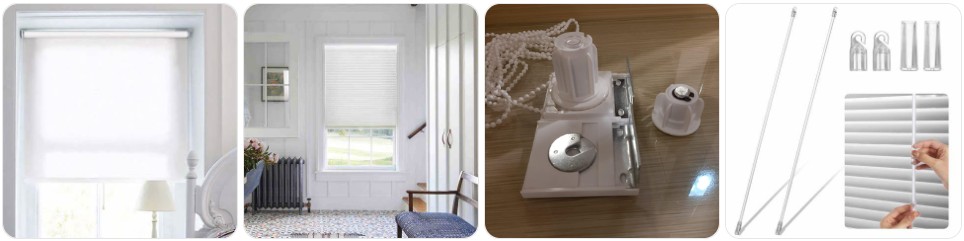
Daylight Blinds are designed to soften incoming light while keeping a room bright and comfortable, so repairs often focus on the fabric roll, control chain, clutch, brackets, bottom bar, and side alignment rather than on slats or decorative folds. The quick answer is that a broken daylight blind can often be repaired for much less than a full replacement if the light-filtering fabric is still in good condition and the problem is limited to the operating hardware. In many cases, the fix comes down to replacing a worn clutch, damaged bracket, stretched chain, loose bottom bar end cap, or a fabric edge that has started tracking badly on the tube. If you want to compare useful repair supplies while troubleshooting, it helps to browse daylight blind repair kits, roller shade clutch replacements, and window shade chain replacements.
Fix Common Daylight Blind Problems & Repair Cost
Daylight blind will not raise or lower smoothly: This is one of the most common daylight blind problems and usually points to a worn clutch, stiff chain mechanism, bent bracket, or a roller tube that is no longer sitting square. Start by checking whether the control chain moves evenly and whether the blind is rubbing on one side as it rolls. If the fabric still looks good, the fix is often as simple as replacing the clutch or bracket rather than replacing the entire blind. Smaller repairs are often in the range of about $5 to $25 in parts, while a broader repair with fresh brackets, clutch hardware, and chain parts may cost around $15 to $45. It helps to compare roller shade clutch replacements, roller shade mounting brackets, and shade chain replacements. Do not keep forcing the chain if the blind is already binding, because that can damage the clutch teeth and pull the fabric farther out of alignment.
The fabric rolls up crooked or tracks to one side: Daylight blinds rely on smooth, even rolling to keep the light-filtering fabric neat and functional. If the blind starts telescoping to one side, the issue may be a bent bracket, loose tube insert, worn idle end, or fabric edge distortion. In some cases, the blind can be corrected by reseating the tube and realigning the fabric before more damage develops. If the edge is already fraying, the repair may also need light reinforcement or trimming.
The chain has snapped, stretched, or keeps skipping: A damaged chain is one of the easier daylight blind repairs. If the blind still holds position but the chain loop is cracked, stretched, or broken at the connector, replacing the chain is usually a low-cost fix. If the chain is intact but slips during use, the clutch may be worn instead. This is often a practical repair because the rest of the blind can still be perfectly usable.
The bottom bar hangs unevenly: If the bottom bar sits lower on one side, the blind may be rolling unevenly due to a tracking problem, side pressure in the brackets, or a loose internal fitting. On daylight blinds, even a slight tilt is noticeable because the fabric should hang cleanly and evenly when filtering light.
The blind no longer stops where you want it: If the blind drops too fast, slips downward after adjustment, or will not hold at the chosen height, the clutch mechanism is usually wearing out. Replacing that control-side part is often much cheaper than replacing the full blind, especially if the fabric still suits the room.
Daylight Blind Repair Kit
A daylight blind repair kit is most useful when the problem is in the operating hardware rather than the light-filtering fabric itself. Many daylight blind repairs rely on practical roller-style components such as a new clutch, bead chain, idle-end plug, mounting brackets, end caps, or small tube fittings that help restore smooth rolling and even positioning. For daylight blinds specifically, the best repair kits are the ones that support balanced rolling and reliable chain control, because those are the areas that usually fail first on frequently used blinds.
It is worth checking the product photos carefully because some repair kits are aimed at blackout or standard roller blinds, while others are more suitable for lighter daylight fabrics and smaller domestic mechanisms. If your issue is clearly limited to one failed chain or bracket, buying that exact part may be cheaper. But if the blind has slipping control, uneven rolling, and tired brackets at the same time, a broader daylight blind repair kit or a mix of clutch parts, replacement chains, and mounting brackets can save time and make the repair more consistent. For daylight blinds, keeping the fabric roll straight matters just as much as replacing the visible control parts.

60 PCS Vertical Blind Repair Tabs Kit Clear Fixer Verticle Blinds Snap in Replacement Slats Parts Panels

ZNBSIXP 60 PCS Vertical Blind Repair Tabs Kit, Clear Strong Adhesive PVC Fixers & Vertical Blinds Replacement Slats, Blind Fixer Tabs Invisible Snap in Repair Patches, Easy DIY Fix No Tools Needed
BlindDIY™ Clear Mini Blind Slat Repair Kit-Blind Repair Tabs with String Holes- Clear Blind Fixers-Horizontal Blinds Replacement Slats
Signs Your Daylight Blind Need Repair
- The blind rolls up unevenly: This usually means the tube, bracket, or idle end is no longer holding the fabric square. Checking roller shade mounting brackets can be a smart first step if the fabric keeps drifting to one side.
- The chain feels rough, stiff, or keeps slipping: On a daylight blind, this often points to a worn clutch or damaged chain loop rather than a fabric problem.
- The bottom bar hangs lower on one side: That is usually a sign of poor tracking, a loose internal fitting, or uneven pressure at the ends of the roller.
- The fabric edges are starting to fray: Daylight blinds need to roll cleanly and evenly, so edge wear often means the blind has been rubbing against the bracket side or rolling out of line for a while.
- The blind will not stay at the height you set: This is a strong clue that the clutch is wearing out. Comparing clutch replacements may solve the issue.
- The chain connector has cracked or separated: This is one of the simplest warning signs that a small repair is needed before the chain fails completely.
- The brackets feel loose when you operate the blind: A daylight blind depends on a square mounting position, so even slightly loose brackets can affect how the fabric rolls and hangs.
- You avoid adjusting the blind because it feels like it might jam: That usually means a small repair is already overdue and the mechanism is likely to worsen with regular use.
Tools You May Need to Repair Daylight Blind
- Small screwdriver set: A precision screwdriver set is useful for removing brackets, opening clutch housings, and adjusting small daylight blind fittings safely.
- Needle-nose pliers: A pair of needle-nose pliers helps when handling chain connectors, bracket tabs, and small end fittings.
- Replacement chain loop: If the blind chain is broken or stretched, matching window shade chain replacements can be one of the most important repair supplies to have on hand.
- Clutch mechanism: If the blind slips, drops too quickly, or refuses to hold position, a matching roller shade clutch replacement is often the key repair part.
- Mounting brackets: Bent or loose brackets can make a daylight blind roll badly, so checking mounting brackets is worthwhile when the blind tracks unevenly.
- Measuring tape: A measuring tape helps you match bracket spacing, chain length, and tube-related parts more accurately.
- Soft cloth: A clean cloth is useful for wiping dust from the tube and fabric edges while you inspect the blind, especially if dirt buildup is adding friction to the roll.
- Step stool or ladder: A stable step stool helps if you need to remove the blind, inspect the top hardware, or refit the same blind after repair.
Should You Repair or Replace Your Broken Daylight Blind?
Repairing a broken daylight blind usually makes sense when the light-filtering fabric still looks clean, straight, and suitable for the room and the issue is clearly limited to the chain, clutch, brackets, or one part of the roller assembly. Because daylight blinds often have a simple, modern design, even a small mechanical fault can make the whole blind feel unusable even though the main fabric is still perfectly fine. In that situation, replacing the clutch, fitting a new chain, straightening the mounting setup, or correcting the tracking is usually much cheaper than replacing the full blind. Comparing a daylight blind repair kit with the cost of a full new blind often shows that repair is the better value.
Replacement becomes the better option when the fabric is badly creased, stained, frayed at both edges, or so misaligned that it no longer rolls cleanly even after hardware repairs. It can also make sense to replace the blind if several parts have failed and the overall cost begins to approach the price of a new unit. A quick comparison between daylight blind options and the parts you need will help you decide. In many cases, though, daylight blinds are very repairable when the problem is concentrated in the roller hardware rather than the fabric itself.

Daylight (Blind)

TIDEWE Hunting Ground Blind, See Through, Medium - 270° View
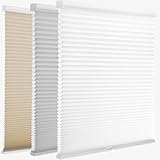
MYshade 1.5-Inch Cellular Cordless Light Filtering Shades, Honeycomb Window Blinds for Soft Daylight & Privacy, Thermal Insulation, Child Safe, Inside or Outside Mount (34" W x 64" H, White)
Tips to Make Your Daylight Blind Last Longer
- Operate the chain smoothly instead of yanking it: Daylight blinds depend on steady rolling, so rough pulling puts extra strain on the clutch and chain connector.
- Stop using the blind if it starts tracking sideways: Continued use while the fabric is rubbing can turn a small alignment issue into edge fraying and permanent fabric damage.
- Keep the brackets tight: A slightly loose bracket can make the roller sit out of square and affect how the blind winds up every time you use it.
- Clean dust from the tube area and fabric edges: Dirt buildup can increase friction and make the blind feel rougher than it should during operation.
- Replace worn chain parts early: A damaged connector or stretched loop is much cheaper to fix than a worn clutch caused by repeated slipping.
- Do not force the blind past its natural stop point: Over-pulling can strain the clutch and make the blind drop or slip later.
- Support the blind properly when removing it: If you take the blind down for cleaning or repair, handle it by the tube and brackets instead of pulling on the fabric itself.
- Use matching replacement parts: Choosing the correct clutch, bracket, and chain size helps the blind keep both its appearance and its smooth rolling action after repair.
Daylight Blind Repairs FAQ
What usually breaks on a daylight blind?
The parts that fail most often are the clutch, bead chain, chain connector, brackets, idle end, and small tube fittings. On daylight blinds, these operating parts usually wear out before the fabric itself does.
Can I fix a daylight blind that rolls up crooked?
Yes, in many cases. The most common causes are bent brackets, a loose idle end, or a clutch side that is no longer holding the tube square. If the fabric is still in good condition, correcting the hardware is often enough.
Is a daylight blind repair kit worth buying?
It can be, especially when the blind has more than one small hardware problem. A daylight blind repair kit is often easier than sourcing the clutch, chain, and brackets separately.
Why does my daylight blind keep slipping down?
This usually means the clutch mechanism is wearing out and can no longer hold the blind at the chosen height. Replacing the clutch is often the most effective fix.
Can I replace just the chain on a daylight blind?
Yes, if the rest of the mechanism is still in good condition and the issue is limited to a broken or stretched chain loop. This is often one of the simplest daylight blind repairs.
How much does it usually cost to repair a daylight blind?
Minor repairs such as replacing a chain, connector, or small bracket are often relatively inexpensive, usually around $5 to $25 in parts. Larger repairs involving a clutch, several fittings, or multiple worn parts can cost more, but they are often still cheaper than a full replacement.
Should I repair or replace a daylight blind with frayed fabric edges?
If the fraying is minor and the real issue is poor tracking, repair can still make sense after correcting the hardware. If both edges are badly worn and the blind no longer rolls cleanly, replacement is usually the better choice.
Can daylight blind parts be hard to match?
Yes, sometimes. Many daylight blinds use roller-style hardware, but clutch shapes, chain sizes, tube diameters, and bracket profiles can vary, so it helps to remove or measure the damaged part carefully before ordering.
60 PCS Vertical Blind Repair Tabs Kit Clear Fixer Verticle Blinds Snap in Replacement Slats Parts Panels

joytrace RV Pleated Shade Repair Kit, RV Window Shade Restringing Kit, Repair and Maintain of Day Night Pleated Shade (White)
