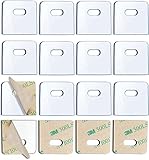

If you need to remove micro blinds without bending the narrow slats or damaging the compact headrail hardware, the safest approach is to lower the blind fully, release any tension carefully, and detach the headrail from its brackets without twisting it. This guide covers how to take down micro blinds step by step while protecting the small lift cords, tilt parts, and slim slat stack that make these blinds more delicate than many wider styles. If you may need replacement hardware after removal, it also helps to compare micro blind parts before you start, especially if the brackets, cord lock, or wand hook already look worn.
What You Need Before Removing Micro Blind
- A stable step stool or small ladder: Micro blinds are lightweight, but the headrail clips and brackets are usually mounted high enough that you need steady access. A safer setup helps you avoid twisting the headrail while unhooking it.
- A small screwdriver: Many micro blind brackets have front doors, retaining tabs, or small screws that are easier to release with a precision screwdriver set, especially on compact blind hardware.
- Needle-nose pliers: A pair of needle-nose pliers can help if a tight bracket clip, bent tab, or small retaining piece will not release cleanly by hand.
- A soft cloth or towel: Place one under the blind or over a nearby surface so the narrow slats and bottom rail do not get scratched if the blind shifts during removal.
- A storage tie or soft strap: Once the blind is down, use a soft tie to keep the slats together. This matters on micro blinds because the ultra-slim slats bend more easily than wider mini-blind slats.
- A container for clips and screws: Small mounting pieces are easy to lose. Keep the screws, bracket covers, and end caps together so reinstallation is easier later.
- Optional replacement parts on hand: If the blind already has worn hardware, you may want to compare micro blind parts, blind tilter replacements, or blind cord lock replacements before removal.
Micro Blind Removal Guide
Micro blinds can usually be removed quickly, but the small slats and compact headrail parts are easy to bend if you rush the process. The safest method is to keep the blind level, release the mounting brackets one at a time, and support the headrail with one hand while disengaging the final clip. If the blind seems stuck, stop and inspect the bracket style before forcing anything, because many micro blind brackets use small hinged covers or tight spring clips that can snap if pulled the wrong way.
- Lower the blind completely and open the slats: Bring the blind all the way down so the slat stack is supported evenly and the headrail is not carrying unnecessary tension. Tilt the slats to the open position so they do not press tightly together while you handle the blind.
- Remove the valance if there is one: Some micro blinds have a small front valance clipped onto the headrail. Unclip it gently and set it aside before you touch the mounting brackets.
- Inspect the bracket type first: Look for front-opening bracket doors, top tabs, or spring clips at each end of the headrail. Micro blinds often use compact brackets that release from the front or underside rather than from the side.
- Support the headrail with one hand: Before opening any bracket, hold the headrail firmly so it does not drop and twist. This is especially important on micro blinds because the narrow slats can crease if the blind drops unevenly.
- Open or release the first bracket: Use your fingers or a small screwdriver to open the retaining flap or push back the bracket tab. Do not pry aggressively, because small bracket doors can bend easily.
- Loosen the headrail from the first side without pulling it free completely: Ease the rail forward just enough to confirm it has disengaged, but keep the other side fully supported so the blind stays level.
- Release the second bracket slowly: While still supporting the blind, open the second bracket or release the remaining clip. If the headrail does not come free easily, check for a hidden center support on wider micro blinds.
- Slide or lift the headrail out evenly: Once both ends are free, remove the headrail gently without twisting it. Do not grab the blind by the slats alone; always support it by the headrail and bottom rail together if possible.
- Secure the slats for storage: Lay the blind flat or keep it upright in a safe place, then loosely tie the slat stack with a soft strap or cloth strip so the micro slats do not fan out and bend.
- Inspect the hardware after removal: Once the blind is down, check the brackets, wand hook, tilter, cord lock, and lift cords for wear. If something looks damaged, this is a good time to compare mini blind replacement parts and blind wand replacements.

Ninehaoou 2 Set Wand Wire and Sleeve Collar for Horizontal
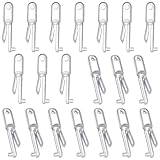
Maitys 12 Pieces Blinds Wand Replacement Hardware Repair
Common Problems When Taking Down Micro Blind
- The bracket will not open: Many micro blind brackets use very small release tabs that can be hard to see. Use a screwdriver carefully rather than forcing the headrail forward and bending the bracket.
- The headrail seems stuck in the middle: Wider micro blinds may have a center support bracket in addition to the two end brackets. Always check the full width before pulling harder.
- The slats start bending during removal: This usually happens when the blind is lifted by one side or allowed to hang unevenly. Support the headrail evenly and keep the slats fully lowered before removal.
- The wand catches on the frame: Remove or unhook the wand carefully if it is getting in the way. If the hook is already weak, you may want to compare wand hook replacements before reinstalling the blind later.
- The lift cords tangle after the blind comes down: Micro blind cords are thin and easy to knot if the blind is dropped onto a surface carelessly. Keep the cords straight and wrap them loosely after removal.
- A bracket tab bends or snaps: This is one of the most common removal problems when older plastic hardware has become brittle. If that happens, it may help to compare mini blind mounting brackets before reinstallation.
- The blind was removed, but the headrail hardware is clearly worn: This is actually useful to discover during removal because it confirms whether the problem was only installation-related or whether parts such as the tilter or cord lock should also be replaced.
What to Do After Removing Micro Blind
- Clean the blind while it is down: It is much easier to dust the narrow slats and wipe the headrail when the blind is off the window. Use a soft cloth and avoid pressing hard on the slats.
- Inspect the cords and headrail parts closely: Look for frayed lift cords, a worn cord lock, bent wand hook, or a damaged tilter. If needed, compare cord lock replacements and blind tilter replacements.
- Check the brackets before reinstalling the same blind: If the brackets were hard to open, bent, or cracked, replace them before putting the blind back up. Reusing damaged brackets can make the next removal or reinstall much harder.
- Store the blind flat or upright in a protected spot: Micro blinds should not be left where the slats can be crushed or where heavy objects can rest on the headrail.
- Bundle the cords safely: Wrap the cords loosely so they do not kink or knot during storage. This will make reinstalling or repairing the blind much easier later.
- Decide whether to repair or replace: If removal exposed several worn parts, compare micro blind options with parts costs before reinstalling.
- Label the blind if you removed more than one: If several similar blinds came down at once, label each one and keep its brackets and screws together so the right blind goes back to the right window.

ONE DOZEN (12 each) ~ 1/2" MICRO Mini Blind DOUBLE SLAT Clear VALANCE CLIPS New!

SetSail Blind Duster, Window Cleaner Duster Brush with 5 Microfiber Sleeves

Rlynng 100PCS Mystery Resin Animals Blind Bag, 30 Styles Luminous Tiny Animal Miniatures Random Design, Glowing Resin Figures for Micro Landscape Dollhouse Decor Birthday Party Gift DIY Craft
Micro Blind Removal FAQ
Do I need to lower micro blinds before removing them?
Yes. Lowering the blind fully helps keep the slats supported and reduces strain on the headrail while you release the brackets.
Why will my micro blind not come out of the brackets?
The most common reasons are a hidden center support, a front bracket door that has not been opened fully, or a tight spring clip that still needs to be released. Avoid forcing the headrail until you identify the exact bracket style.
Can I remove micro blinds without damaging the slats?
Yes, as long as you support the blind by the headrail, keep the slats lowered, and remove the blind evenly from both brackets instead of letting one side drop first.
Should I remove the wand before taking down the blind?
You do not always need to, but if the wand is catching on the frame or getting in the way, removing or unhooking it can make the process easier and reduce the chance of snapping the hook.
What if a bracket breaks during removal?
Older bracket tabs can become brittle over time. If one breaks, it is usually best to replace the bracket before reinstalling the blind, rather than trying to reuse damaged hardware.
Can I reinstall the same micro blind after taking it down?
Yes, if the headrail, slats, and brackets are still in good condition. Removal is also a good chance to inspect the hardware and replace any worn parts before reinstalling.
Is it better to repair a micro blind while it is off the window?
Usually, yes. Repairs such as replacing a tilter, wand hook, or cord lock are often easier when the blind is down and the headrail is easier to access.
Do micro blinds use the same brackets as mini blinds?
Sometimes, but not always. Many parts overlap with mini blind hardware, but micro blind headrails can use smaller or slightly different fittings, so it helps to measure and compare before ordering replacements.
Summary
Removing micro blinds safely is mostly about supporting the headrail properly, releasing the brackets in the right order, and protecting the narrow slats from twisting or bending. Once the blind is down, you can clean it, inspect the small control hardware, and decide whether it needs replacement parts or a larger repair. If your removal project turns into a repair job, it helps to also review repair micro blinds for the next steps.

60 PCS Vertical Blind Repair Tabs Kit Clear Fixer Verticle Blinds Snap in Replacement Slats Parts Panels

Vertical Blind Repair Vane Savers, Metal Vertical Blind Repair Tabs for Vertical Blinds Replacement Slats, White (12)