
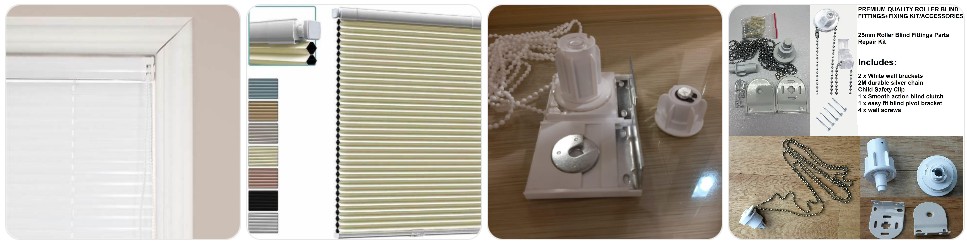
Tension Blind repairs are usually simpler and less expensive than most people think. In many cases, a broken tension blind can be fixed by replacing a weak spring-loaded rod, changing worn end caps, re-securing loose side tension wires, or correcting a sagging or crooked fit with a tension blind repair kit. The right repair depends on whether the blind keeps slipping, sits unevenly, sags in the middle, or no longer holds firm inside the window recess. If the blind fabric and main structure are still in good condition, repairing the blind is often the most cost-effective solution.
Fix Common Tension Blind Problems & Repair Cost
Tension blind keeps slipping or falling down: This is one of the most common tension blind problems, especially on no-drill window setups where the blind depends entirely on pressure from the rod. Start by removing the blind and cleaning the contact points on the frame so dust and residue do not reduce grip. Then inspect the rod ends. If the rubber tips are worn smooth or cracked, replace them with tension rod replacement end caps. If the internal spring has weakened, replace the entire tension blind rod. Typical DIY repair cost is around $6 to $25, while a professional adjustment or replacement may cost $45 to $110 depending on blind size and fit.
Tension blind fabric sags in the middle: If the blind looks droopy or pulls down at the center, the rod may be too weak for the fabric weight, or the fabric sleeve may have stretched over time. Check whether the rod is rated for the window width and material weight. Switching to a heavy-duty tension rod often solves the issue. If the fabric pocket has pulled loose, repair it with stitching or fabric repair glue if the damage is minor. Most repairs cost about $10 to $30.
Blind sits crooked or uneven inside the window frame: A crooked tension blind usually means the rod is not seated squarely, one end cap is more worn than the other, or the window recess is slightly uneven. Remove the blind, measure the width at the top and middle, and reinstall it carefully using a small spirit level to keep the rod straight. If the rod is bent, replace it. This is often a $0 to $20 fix unless a new rod is needed.
Side tension wire has come loose or snapped: Some tension blinds, especially those mounted on doors or tilt windows, use guide wires to keep the blind close to the glass. If the blind swings, bows outward, or no longer tracks properly, inspect the side wire and anchor points. Replacing them with a blind tension wire kit is usually the easiest fix. Repair costs are typically $8 to $22.
End caps or support pieces are cracked: Tension blinds rely on small but important parts such as end caps, plastic supports, and grip sleeves. If these crack, the rod may slip repeatedly even if the spring still works. Replace damaged parts with blind replacement end caps or a compact blind repair parts kit. This is usually a low-cost repair, around $5 to $18.
Tension rod no longer feels strong after repeated adjustment: Over time, repeated twisting and repositioning can wear out the rod’s internal spring or locking mechanism. If the blind keeps holding only temporarily and then slips again, replacing the rod is usually better than trying to force more tension into the old one. A new adjustable tension rod for windows usually costs $10 to $28 and provides a more reliable long-term fix.
Tension Blind Repair Kit
A proper tension blind repair kit should focus on the parts that actually fail on this blind type: replacement end caps, a spring-loaded rod or rod inserts, side tension wire, anchor fittings, support sleeves, and sometimes fabric-safe adhesive for minor top sleeve repairs. Unlike generic blind repair sets, a tension-blind-specific kit should help restore the blind’s pressure fit inside the window frame rather than just addressing slats or lift cords. That is why it is worth looking for a tension blind repair kit or compatible tension rod replacement parts instead of buying a generic repair assortment.
If your tension blind is mounted in a recessed window frame, glazed door, or narrow panel where stability matters, it helps to keep a few spare parts nearby. A pack of tension rod end caps, a blind tension wire kit, and a lightweight fabric glue for blinds can handle most minor issues before they become a full replacement. The goal is not just to make the blind stay up again, but to restore even pressure, proper alignment, and smooth everyday use.

joytrace RV Pleated Shade Repair Kit, RV Window Shade Restringing Kit, Repair and Maintain of Day Night Pleated Shade (White)

60 PCS Vertical Blind Repair Tabs Kit Clear Fixer Verticle Blinds Snap in Replacement Slats Parts Panels

2 Sets Universal Shade Blind Cord Tension Device for Window Blinds,Fit for Hunter Douglas, Levelor, Graber & More for Required on Shades Traversing Panels and Window Treatment

PKOLSFE RV Blinds Repair Kit, Camper Pleated Window Blind String Fixing Set, Day Night Curtain Shades Threading Tool Repair Kit for RV Camper Trailer Motorhome, Car Accessories (Brown)
Signs Your Tension Blind Need Repair
- The blind keeps sliding down inside the window frame, which often means the rod end caps are worn or the spring inside the rod has weakened. This is one of the clearest signs the tension system is failing.
- The fabric sags in the center, which usually points to a weak rod, stretched fabric sleeve, or blind material that is too heavy for the current support rod.
- One side of the blind sits higher than the other, suggesting the rod is not level or one grip point is slipping more than the other.
- The blind bows outward on a door or tilt window, which often means the side tension wire is loose, damaged, or missing.
- You notice cracked plastic around the rod ends or support points, which prevents the blind from gripping the frame properly.
- The rod feels loose even after tightening, meaning the internal spring or locking mechanism may be worn out.
- The blind leaves scuff marks where it shifts on the frame, often because the rod keeps slipping out of alignment.
- You recently removed and reinstalled the blind and now it no longer sits square, which often means it needs re-alignment with a small level and a better-fitting rod.
Tools You May Need to Repair Tension Blind
- Tape measure to confirm the recess width and make sure the tension rod fits correctly.
- Small spirit level to keep the blind straight during installation and adjustment.
- Needle-nose pliers for handling side wires, springs, and small fittings.
- Precision screwdriver set if your tension blind uses mini screws or wire guide fittings.
- Rubbing alcohol wipes for cleaning the frame contact points before reinstalling the rod. A dirty surface is a common reason tension repairs fail early.
- Fabric repair glue for minor sleeve separation or small fabric edge repairs.
- Heavy-duty tension rod when the original rod no longer provides enough pressure.
- Blind tension wire kit for door-mounted or narrow-frame tension blind setups that need extra stability.
Should You Repair or Replace Your Broken Tension Blind?
You should usually repair a tension blind when the main problem is rod slippage, worn end caps, loose side wire, or a small fabric sleeve issue. Those faults are relatively inexpensive to fix, and many can be handled with a repair kit, replacement tension rod parts, or a stronger support rod. If the blind material still looks good, the frame contact points are intact, and the blind fits the window properly, repairing it is usually the better value.
Replacement makes more sense when the blind has several issues at once, such as a weak rod, torn fabric sleeve, stretched material, broken side wire, and poor overall fit. It also makes sense when repeated repairs no longer keep the blind secure inside the frame. If repair parts will cost close to half the price of a new blind, replacement is often the smarter long-term choice. In that case, comparing current tension blind options can help you decide whether a full upgrade is worth it.
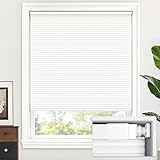
LazBlinds No Drill Cordless Cellular Shades, 30" W × 36" H, White | Light Filtering Honeycomb Shades Thermal Insulation Noise Reduction Glare Control Blinds for Windows

No Drill No Tools Blackout Cellular Shades,Cordless Blinds for Indoor Windows,Room Darkening Window Shades Honeycomb Blinds for Bedroom,Office,Home,White,20" w x 36" h
Tips to Make Your Tension Blind Last Longer
- Clean the window frame contact points regularly so dust does not reduce the grip of the rod ends.
- Do not overtighten the rod. Too much pressure can wear out the spring faster and damage the contact points on the frame.
- Choose a rod that matches the blind width and fabric weight instead of forcing a light-duty rod to support a heavier panel.
- Re-center the blind after cleaning or adjustment so the pressure stays balanced on both sides.
- Inspect the tension wire kit on door-mounted blinds before the wire loosens or frays completely.
- Handle the blind gently during removal. Twisting the rod too aggressively can weaken the internal spring mechanism over time.
- Replace worn tension rod end caps early before small grip issues turn into full slipping problems.
- Use gentle cleaning methods on the fabric so the sleeve at the top does not stretch or separate from the blind material. Minor sleeve damage often leads to bigger fitting problems later.
Tension Blind Repairs FAQ
Why does my tension blind keep falling down?
The most common reasons are worn end caps, weak spring pressure inside the rod, dusty frame contact points, or a rod that is too small for the window recess. Replacing the tension rod end caps or the full rod often solves the problem.
Can I repair a tension blind without replacing the whole blind?
Yes. Many tension blinds can be repaired by replacing the rod, the end caps, the side wire, or small support pieces. Full replacement is usually only needed when the blind has several structural or fabric-related problems at once.
What is the best repair part for a weak tension rod?
A new heavy-duty tension rod is usually the best solution when the original rod keeps slipping or no longer holds enough pressure. If the rod still works but the grip is poor, replacing the end caps may be enough.
How much does it cost to fix a tension blind?
Most DIY tension blind repairs cost about $5 to $30 depending on whether you only need end caps, side wire, or a full rod replacement. Professional repair may cost more, especially for larger or custom-fitted blinds.
Can I use a generic blind repair kit on a tension blind?
You can sometimes use generic parts, but many generic kits do not include the specific pieces that matter most on tension blinds, such as replacement rod ends, spring rod parts, and side tension wire. A tension blind repair kit is usually a better match.
How do I know if my tension blind should be replaced instead of repaired?
If the blind has a weak rod, torn or stretched fabric, broken support parts, repeated slipping, and poor overall fit at the same time, replacement is usually the better option. Repairs are best when the damage is limited to one or two parts.
60 PCS Vertical Blind Repair Tabs Kit Clear Fixer Verticle Blinds Snap in Replacement Slats Parts Panels

Vertical Blinds Replacement Stem and Gear Used for Headrail, Carrier Stem Vertical Blinds Curtain Accessories(12 Sets)
