
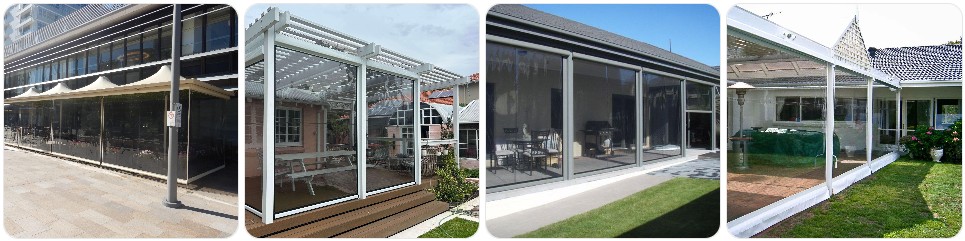
Removing cafe blinds is usually straightforward once you identify how the blind is tensioned, clipped, strapped, zipped, or fastened to the frame. In most cases, the safest method is to support the blind panel first, release the bottom and side securing points gradually, and then remove the top fixing without letting the material drop or fold sharply. That matters even more with clear PVC or outdoor mesh cafe blinds, since creasing, scratching, and cracked eyelets can make the blind harder to reinstall. Before you start, it can also help to check Cafe blind parts so you know whether a worn strap, clip, buckle, eyelet, crank fitting, or bracket may need replacing while the blind is down.
What You Need Before Removing Cafe Blind
- A stable step ladder or platform: Cafe blinds are often fixed high under pergolas, verandas, alfresco openings, or patio beams, so safe access to the top channel, roller, or mounting rail is important before you undo any fasteners.
- A second person for wide or heavy panels: Large outdoor cafe blinds can be awkward to control once the side straps or bottom anchors are released. Having someone support the width can prevent twisting, scratching, and sudden drops.
- A soft microfiber cloth or clean towel: Clear PVC cafe blinds scratch easily. Keeping a microfiber cloth or towel nearby helps you handle the blind without grinding dirt into the surface.
- A storage sheet, drop cloth, or padded surface: If you plan to reuse the blind, lay it down on a clean protected area rather than concrete or decking. You can compare protective drop cloths before starting.
- The right hand tools for your fixing type: Some cafe blinds use screws, turn buttons, bungee cords, retaining straps, or track fittings. It can help to keep a screwdriver set, small socket set, or needle-nose pliers ready if your setup has clips, hooks, or pins.
- Labeling tape or small bags for hardware: Cafe blind hardware can be easy to mix up, especially if you are removing several blinds from one outdoor area. Labeling straps, bolts, brackets, and screws makes reinstallation much easier.
- A vinyl-safe cleaner if the blind is dirty: If dust, grit, or dried debris is sitting on the blind, wiping it first can reduce surface damage during handling. Compare cleaners for clear vinyl outdoor blinds if needed.
Cafe Blind Removal Guide
Before taking down a cafe blind, look closely at how it is secured at the bottom, sides, and top. Some cafe blinds are tensioned with straps and buckles, some hook onto eyelets, some run in side channels, and others roll into a top tube or headbox. The safest approach is to release tension first, keep the blind supported as you undo each fixing point, and avoid dragging clear PVC across rough timber, brick, or metal. Do not yank the blind downward from one corner, because that can tear the eyelets, bend the roller, crack cold PVC, or distort the edges so the blind no longer sits square when reinstalled.
- Inspect the mounting style before touching any fasteners: Check whether your cafe blind is strap-tensioned, eyelet-hooked, channel-guided, zip-guided, crank-operated, or roller-mounted. Cafe blinds vary a lot, and the removal order depends on how the blind is being held under tension.
- Choose a mild, warm time of day if possible: Clear cafe blind material is less brittle when it is not cold. If the blind is PVC and the weather is chilly, avoid folding or unrolling it sharply because cold plastic can crack more easily.
- Clean off loose dust and grit first: Wipe the front and edges with a soft cloth so dirt does not scratch the panel while you handle it. This is especially important for clear cafe blinds where scuffing shows easily.
- Partially lower or position the blind for control: If it is a roll-up style, lower it into a manageable position before releasing the securing points. If it is already down and tensioned, support the bottom bar or lower edge so it does not snap or swing when released.
- Release the bottom straps, clips, turn buttons, or anchors first: Work evenly across the width rather than undoing only one side and letting the full weight twist the blind. If your system uses replacement hardware, you can compare cafe blind straps, clips, and buckles if any parts look worn during removal.
- Undo the side fastenings gradually: Remove side straps, guide tabs, zip restraints, hooks, or track retainers one side at a time while another person steadies the panel if needed. On wider cafe blinds, this is the step where twisting damage often happens.
- Support the blind before removing the top fixing: Once the lower and side tension is gone, the top roller, tube, or headrail is all that is holding the blind. Keep one hand or a helper on the blind so it does not drop suddenly.
- Remove the top brackets, pins, screws, or retaining clips carefully: Some cafe blinds lift out of brackets while others need screws removed first. Use the correct tool and store the hardware in labeled bags. If your fittings are rusty or damaged, it can help to compare cafe blind mounting hardware.
- Lower the blind onto a clean padded surface: Do not drop it onto paving, timber decking, or rough concrete. For clear or tinted PVC cafe blinds, scratches picked up now can permanently affect visibility.
- Roll the blind loosely for storage if it will be reused: Cafe blinds should usually be rolled rather than folded, especially clear PVC styles. Tight folds can create permanent lines, stress marks, or cloudy creases.
- Check every fixing point while the blind is off: Inspect eyelets, straps, buckles, zips, bottom bars, guide edges, and brackets. It is much easier to replace worn parts while the blind is already down than after you reinstall it.

60 PCS Vertical Blind Repair Tabs Kit Clear Fixer Verticle Blinds Snap in Replacement Slats Parts Panels
Leinuosen 12 Pieces Vertical Blind Clips Stems Replacement Parts
Common Problems When Taking Down Cafe Blind
- The blind twists as the side fasteners come off: This happens a lot with wide cafe blinds if one side is fully released before the other. Supporting the weight across the width helps keep the panel square.
- Eyelets pull or tear during removal: Cafe blind eyelets can fail if the blind is tugged sharply while still under tension. If the eyelets look stretched or corroded, compare eyelet repair supplies for cafe blinds.
- Clear PVC gets scratched while handling: This usually happens when the blind is dragged across rough surfaces or handled while dusty. A clean towel and gentle rolling technique help prevent cosmetic damage.
- Straps, buckles, or clips snap when being undone: Outdoor cafe blind hardware can become brittle from sun exposure and weathering. If a fixing breaks, it may be a sign the rest of the set is due for replacement too.
- Top brackets are rusted or seized: Patio and veranda cafe blinds are exposed to moisture, so screws and brackets can stick. A penetrating oil for rusted screws can help with stubborn hardware.
- The material creases after removal: Folding a cafe blind instead of rolling it is one of the main reasons clear panels end up with visible lines or distortion.
- The blind no longer lines up for reinstallation: If the panel was twisted, dragged, or stored poorly, the edges or bottom bar may no longer sit evenly when you try to put it back.
What to Do After Removing Cafe Blind
- Inspect the blind panel closely: Check for cracked eyelets, split stitched edges, cloudy PVC, bent bottom bars, worn straps, damaged zips, or loose guide components before deciding to store or reinstall it.
- Clean the blind before storage: Dirt left on a rolled cafe blind can mark the surface over time. Use a soft cloth and a product suitable for outdoor clear vinyl or mesh materials rather than harsh household cleaners.
- Roll the blind loosely instead of folding it: This is especially important for clear cafe blinds. Folding can leave permanent lines and stress marks that remain visible after reinstallation.
- Store it in a dry, shaded place: Excess heat, moisture, and direct sun can damage removed cafe blinds. A storage bag or cover can help protect the panel from dust and scratches. You can compare storage bags for outdoor blinds if needed.
- Separate and label the hardware: Keep straps, buckles, screws, clips, and brackets grouped for each blind so nothing gets mixed up when it is time to reinstall.
- Check whether replacement parts are needed before rehanging: If any mounting hardware feels loose or weathered, replacing it now is easier than reinstalling the blind only to take it down again later.
- Inspect the mounting area too: Look at the beam, post, frame, or track where the cafe blind was installed. Loose screws, rust stains, and warped timber can all affect how well the blind goes back up.

gonnrly Sheer Curtains for Privacy and Decoration, Light Filtering with Blind-Like Stripes & Bow Tie, Easy Paste & No-Drill for Kitchen Living Room Cafe-White(W 25*L 24in-2-Panel)
Cordless Light Filtering GII Morningstar Window Blind, 28 x 64 in, White

Hamee RE-Ment Blind Box - Petit Sample Series - Strawberry Café - 1 Pc.
Cafe Blind Removal FAQ
How do you remove cafe blinds without damaging them?
The safest method is to release the lower and side tension points first, support the panel evenly, and then remove the top fixing without dragging the blind across rough surfaces. Clear PVC cafe blinds should be rolled, not folded, after removal.
Should cafe blinds be rolled or folded after taking them down?
Most cafe blinds, especially clear PVC styles, should be rolled loosely rather than folded. Folding can create permanent crease lines, cloudy stress marks, and shape distortion.
Can I remove cafe blinds by myself?
Small cafe blinds are often manageable alone, but wider or heavier outdoor blinds are much easier and safer to remove with a second person supporting the panel and top fixing.
Why are my cafe blind eyelets tearing during removal?
This usually happens when the blind is still under tension, when one side is pulled too hard, or when the eyelets have already weakened from weather exposure. Releasing fasteners gradually across the blind helps reduce the strain.
What is the best way to store cafe blinds after removal?
Clean the blind first, roll it loosely, and store it in a dry shaded location where it will not be crushed, bent, or exposed to direct sun for long periods.
Can clear cafe blinds crack when being removed?
Yes. Clear PVC cafe blinds can become more brittle in cold weather, so sharp bends, hard folds, and fast twisting during removal can cause cracking or stress damage.
Do I need to remove the bottom straps before the top brackets?
Yes, in most setups it is best to release the lower and side securing points first so the blind is no longer under full tension before you undo the top mounting hardware.
When should I replace parts instead of reinstalling the same cafe blind hardware?
If the straps are stretched, the buckles are brittle, the eyelets are tearing, or the brackets are rusted, it is usually better to replace those parts before reinstalling the blind.
Summary
Taking down cafe blinds safely is mainly about removing tension in the right order, supporting the blind evenly, protecting clear PVC or mesh from scratches, and storing the panel properly once it is off the frame. If you release the bottom and side fixings gradually, remove the top hardware carefully, and roll the blind instead of folding it, the process is usually much easier and less likely to damage the blind. If your next step is replacing worn straps, broken eyelets, damaged brackets, or other outdoor blind hardware, it is worth checking repair Cafe blinds before deciding whether the whole blind needs to be replaced.
60 PCS Vertical Blind Repair Tabs Kit Clear Fixer Verticle Blinds Snap in Replacement Slats Parts Panels

30 Sets (60 Pcs) Vertical Blinds Replacement Slats Panels, Vertical Blind Repair Tabs Kit, Clear Apartment Blinds Replacement Fixers, Horizontal Blinds Replacement Parts
