
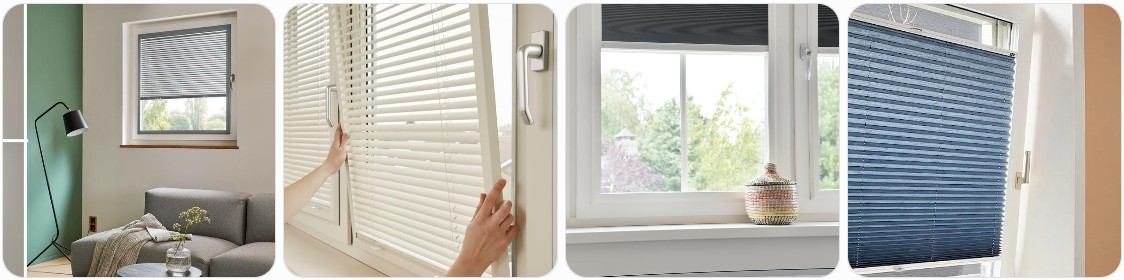
Magnetic blinds are a practical choice when you want quick, no-drill window coverage for metal doors, steel frames, rental spaces, RVs, office doors, and some specialty windows. This guide explains how magnetic blinds work, where to buy them, what they cost, their pros and cons, and what to check before ordering so you avoid poor fit, weak magnets, and light gaps.
- Table of Contents:
- Magnetic Blinds At a Glance
- What Are Magnetic Blinds? How Magnetic Blinds Work?
- Magnetic Blinds Pros and Cons
- Magnetic Blinds Cost
- Where to Buy Magnetic Blinds Online
- How to Find Magnetic Blinds Stores Near You
- What to Check Before Buying Magnetic Blinds
- Magnetic Blinds Installation Options
- FAQ About Magnetic Blinds
Magnetic Blinds At a Glance
- Best for: Metal doors, steel window frames, office doors, RV doors, glass doors with metal trim, rental spaces, and areas where drilling is not preferred.
- Main benefit: Fast installation without screws, brackets, holes, or permanent hardware.
- Common styles: Magnetic mini blinds, magnetic door blinds, magnetic blackout covers, magnetic shades, and temporary magnetic window coverings.
- Typical price range: Around $15 to $80 per blind for basic ready-made magnetic blinds, while larger or specialty options may cost $80 to $150+.
- Installation difficulty: Very easy if the surface is magnetic and flat. Most magnetic blinds can be installed in minutes.
- Biggest limitation: They only work properly on magnetic metal surfaces unless you add a compatible metal strip or mounting accessory.
- Privacy level: Good for basic privacy, but blackout and edge coverage depend on the material, size, and how closely the blind sits against the frame.
- Best buying advice: Measure carefully, check magnet strength, confirm your frame is magnetic, and read reviews from buyers using them on similar doors or windows.
What Are Magnetic Blinds? How Magnetic Blinds Work?
What Are Magnetic Blinds?
Magnetic blinds are window coverings that attach to a metal surface using built-in magnets instead of screws, brackets, clips, adhesive strips, or tension rods. They are most often used on steel doors, metal-framed windows, office partitions, RV doors, mobile homes, garage doors, and some commercial doors where traditional drilling may be difficult or unwanted.
The term “magnetic blinds” can describe a few different products. Some look like regular mini blinds or Venetian-style slatted blinds with magnets built into the headrail or side rails. Others are fabric magnetic shades, blackout panels, magnetic privacy curtains, or temporary covers designed to stick directly to a metal door or frame. If you are comparing them by blind style, they are closely related to Magnetic Blinds because the key feature is the magnet-based mounting system, not just the fabric or slat material.
Magnetic blinds are popular with renters and DIY buyers because they can usually be installed without damaging the door or window frame. They are also useful when a standard blind bracket would interfere with a door swing, door handle, narrow frame, or glass insert. For example, a steel exterior door with a small glass window may not have enough trim depth for standard blinds, but a lightweight magnetic blind may attach directly to the door surface.
How Magnetic Blinds Work?
Magnetic blinds work by using magnets to hold the blind, shade, or panel against a metal surface. The magnets may be built into the top rail, sewn into the fabric, placed along the sides, or supplied as separate magnetic strips. When placed against a ferromagnetic surface such as steel, the magnets grip the surface and hold the blind in position.
The simplest magnetic blinds are fixed privacy panels. You place the blind over the glass area, and the magnets hold it flat against the door or window. These are often used for quick privacy, blackout, or insulation. More advanced magnetic blinds may have a slatted or pleated design that can be raised, lowered, or adjusted. Some magnetic door blinds include magnetic side strips to reduce swinging when the door opens and closes.
The strength of the hold depends on several things: magnet quality, blind weight, surface material, surface texture, door movement, and whether the blind is installed on a flat area. A lightweight magnetic shade may work very well on a smooth steel door, but the same product may slide or fall if used on textured metal, aluminum, plastic, wood, fiberglass, or a painted surface that does not attract magnets strongly.
Before buying, test your door or frame with a small household magnet. If the magnet sticks firmly, magnetic blinds may be a good option. If it does not stick, you may need another no-drill blind type, adhesive blind, tension blind, clip-fit blind, or a magnetic system that includes a separate metal mounting strip.

DEZ FURNISHINGS Cordless No Tools 1" Magnet Mini Blinds for Metal Doors, Room Darkening, 25" W x 42" H, White
DEZ FURNISHINGS Cordless No Tools 1" Magnet Mini Blinds for Metal Doors, Room Darkening, 25" W x 72" H, White

Lumino 1" Magnetic Vinyl Mini Blinds, 24" W x 48" L White
Magnetic Blinds Pros and Cons
Pros of Magnetic Blinds
- No drilling needed: Great for renters, temporary spaces, dorms, offices, RVs, and steel doors where you do not want holes.
- Fast installation: Many magnetic blinds can be attached in a few minutes with no special tools.
- Easy to remove: You can take them down for cleaning, moving, seasonal use, or replacement.
- Good for metal doors: Especially useful on steel entry doors, garage doors, utility doors, and office doors.
- Less frame damage: No screws, anchors, or bracket holes in most installations.
- Portable: Some lightweight magnetic shades can be moved from one compatible door or window to another.
- Useful for temporary privacy: Handy for glass door panels, workplace windows, RV windows, and rental properties.
- Can reduce glare: Light-filtering or blackout magnetic blinds can help cut harsh sunlight on doors and small windows.
- Simple maintenance: Fabric panels and removable magnetic shades are often easier to clean than permanently installed blinds.
- Budget-friendly options: Basic magnetic window covers and door blinds are often cheaper than custom fitted blinds.
Cons of Magnetic Blinds
- Only works on magnetic surfaces: They will not attach properly to wood, vinyl, plastic, fiberglass, aluminum, or non-magnetic frames without extra hardware.
- Limited style choices: You may find fewer colors, sizes, and premium finishes compared with standard blinds.
- Not always custom-looking: Some magnetic blinds look more temporary than fitted blinds.
- Can shift on moving doors: A frequently used door may cause lightweight magnetic blinds to move, swing, or slide.
- Magnet strength varies: Cheap products may use weak magnets that do not hold well.
- May leave light gaps: If the blind does not sit flush or is slightly undersized, light can leak around the edges.
- Not ideal for heavy blinds: Large, heavy, or thick blinds may need stronger mounting than magnets alone.
- Surface must be clean: Dust, grease, texture, or uneven paint can reduce magnetic grip.
- May not suit hot doors: Exterior metal doors can get hot in direct sun, which may affect some fabrics, coatings, or adhesive-backed magnetic strips.
- Less secure than screwed brackets: For long-term, high-use installations, traditional brackets may be more stable.
Magnetic Blinds Cost: What Price Should You Expect?
Magnetic blinds are usually affordable compared with custom window treatments, but the final price depends on the size, material, magnet strength, opacity, and whether the product is a simple privacy panel or an adjustable blind. Basic magnetic privacy covers may start around $15 to $30. Small magnetic door blinds and simple magnetic shades often fall around $25 to $60. Better-quality blackout magnetic blinds, insulated magnetic covers, RV magnetic shades, or larger door-size options can cost around $60 to $150+.
If you are buying for one small window, magnetic blinds can be a low-cost solution. If you are covering several doors, RV windows, office panels, or large glass inserts, the total can rise quickly. Use a blind cost estimator to compare rough pricing by size, quantity, installation choice, and upgrade level before ordering.
- Budget magnetic covers: Around $15 to $30 each, usually simple fabric or temporary privacy panels.
- Standard magnetic blinds: Around $25 to $80 each, often suitable for small door windows or metal-framed openings.
- Blackout or insulated magnetic blinds: Around $40 to $120 each, depending on thickness and size.
- Large or specialty magnetic shades: Around $80 to $150+, especially for RVs, commercial doors, or custom-like coverage.
- Accessories: Extra magnetic strips, metal mounting plates, measuring tools, and installation kits may add $5 to $30.
For the best value, compare the exact product size, not just the price. A cheaper magnetic blind may cost less because it is smaller, thinner, less opaque, or uses weaker magnets. If privacy or blackout performance matters, paying slightly more for better edge coverage and stronger magnets is usually worth it.
Where to Buy Magnetic Blinds Online
Amazon is one of the easiest places to start when shopping for magnetic blinds because you can compare magnetic door blinds, magnetic blackout shades, temporary magnetic window covers, RV magnetic window shades, and no-drill blind alternatives in one place. When searching, use specific phrases such as magnetic blinds, magnetic door blinds, magnetic blackout window cover, or magnetic RV window shade so you do not end up with unrelated curtain magnets or blind repair magnets.
When buying magnetic blinds from Amazon, check the product photos carefully. Look for pictures showing the blind attached to a steel door or metal frame. Read the negative reviews too, because they often reveal whether the magnets are strong enough, whether the fabric curls, whether the blind blocks enough light, and whether the size runs smaller than expected. If you need blackout performance, do not rely on the word “privacy” alone; look for blackout fabric, room-darkening material, or customer photos showing the blind in bright daylight.
Find Magnetic Blinds from Amazon »
DEZ FURNISHINGS Cordless No Tools 1" Magnet Mini Blinds for Metal Doors, Room Darkening, 25" W x 42" H, White
DEZ FURNISHINGS Cordless No Tools 1" Magnet Mini Blinds for Metal Doors, Room Darkening, 25" W x 72" H, White
Lumino 1" Magnetic Vinyl Mini Blinds, 24" W x 48" L White
eBay can be useful if you are looking for budget magnetic blinds, discontinued sizes, RV window covers, magnetic privacy panels, or replacement magnetic shades. You may also find open-box or bulk options if you need several blinds for a rental property, office, garage, workshop, or mobile home. Because listings can vary a lot, check the item condition, shipping cost, return policy, and exact dimensions before buying.
For eBay, search with detailed terms such as “magnetic blinds for steel door,” “magnetic blackout shade,” or “magnetic RV window cover.” Avoid listings that only show generic photos without clear measurements. If the listing does not explain what surface the blind attaches to, ask the seller whether the magnets are built in and whether it works on painted steel doors.
Find Magnetic Blinds from eBay »
- Amazon – Good for comparing magnetic door blinds, blackout magnetic window covers, temporary magnetic shades, and customer reviews.
- eBay – Useful for budget options, open-box products, RV shades, and harder-to-find magnetic blind styles.
- Walmart – Worth checking for simple magnetic shades, door window coverings, and affordable ready-made options.
- The Home Depot – Good for comparing no-drill blinds, door blinds, magnetic alternatives, and related installation accessories.
How to Find Magnetic Blinds Stores Near You
Finding magnetic blinds locally can be a little harder than finding standard roller blinds or Venetian blinds because magnetic blinds are more of a specialty no-drill product. Start with home improvement stores, blind shops, RV supply stores, hardware stores, and stores that sell door window coverings. If you want a broader list of places to compare, use this guide on where to buy window blinds before deciding whether to shop locally or online.
When searching nearby, try terms like “magnetic blinds near me,” “magnetic door blinds near me,” “no drill blinds near me,” “door window blinds near me,” “RV window shades near me,” and “temporary blackout shades near me.” If you are buying for a steel entry door, bring your exact glass size and a photo of the door. If you are buying for an RV, bring the window measurements and note whether the frame is metal, plastic, or covered with trim.
Call the store before visiting because many local shops carry standard blinds but not magnetic blinds. Ask whether they stock magnetic blinds, magnetic blackout panels, no-drill blinds, or door blinds that work on metal doors. Also ask whether they can order a product if they do not carry it in-store. Some local blind companies may not sell magnetic blinds specifically, but they may offer alternatives such as clip-fit blinds, perfect-fit blinds, adhesive shades, tension blinds, or custom door blinds.
- Search Google Maps: Use “magnetic blinds,” “door blinds,” “no-drill blinds,” and “window blinds store” with your city name.
- Check hardware stores: Ask about magnetic shades, door blinds, and temporary window covers.
- Try RV stores: RV suppliers may carry magnetic blackout shades or removable magnetic window covers.
- Visit blind showrooms: They may not stock magnetic blinds, but they can suggest no-drill alternatives.
- Bring measurements: Local staff can help faster if you know the glass width, glass height, and door/frame material.
- Test the surface first: Use a small magnet at home before shopping so you know whether magnetic blinds are realistic.
What to Check Before Buying Magnetic Blinds
- Confirm the surface is magnetic: Test your door or frame with a small magnet. If it does not stick strongly, magnetic blinds may not work without extra metal strips.
- Measure the glass and coverage area: Measure the visible glass, then decide whether you want the blind to cover only the glass or overlap the surrounding frame for better privacy.
- Check the product dimensions: Do not assume “door size” means it fits your door. Compare width and height carefully.
- Look at magnet placement: Magnets only at the top may allow the blind to swing. Side or bottom magnets can improve stability.
- Review magnet strength: Stronger magnets are better for doors that open and close often.
- Consider blind weight: Lightweight fabric panels are easier for magnets to hold than heavy slatted blinds.
- Check opacity: Choose blackout material for bedrooms, nurseries, RV sleeping areas, media rooms, and strong sunlight.
- Check for light gaps: If total darkness matters, choose a blind that overlaps the glass by at least a small margin on all sides.
- Confirm door clearance: Make sure the blind will not hit the handle, lock, trim, weatherstripping, or wall when the door opens.
- Read customer photos: Real photos often show whether the blind looks neat or temporary after installation.
- Check cleaning instructions: Some fabric magnetic shades are wipe-clean, while others may stain or crease.
- Think about heat exposure: Metal doors in direct sun can get hot, so avoid flimsy materials that may warp, curl, or discolor.
- Check return policy: Magnetic blinds are fit-sensitive, so buy from a seller with easy returns if possible.
- Choose the right style: A magnetic blackout panel is different from an adjustable magnetic blind. Pick based on whether you need privacy, light control, or full blackout.
- Check child and pet safety: Cordless magnetic shades or simple panels are usually safer than corded designs.
Magnetic Blinds Installation Options: DIY vs Professional Fitting

Cutelec 2pcs Box Mounting Bracket for Low Profile Horizontal Blinds with 1-3/4" x 2 1/2" Headrail - White Color

Jetec 6 Pieces Mini Blind Brackets for Window Blinds,1.18x1.18 Inch
Most magnetic blinds are designed for DIY installation. If the surface is clean, flat, and magnetic, you usually only need to measure, align, and place the blind against the surface. For a basic magnetic shade or blackout panel, installation can take less than five minutes. That is one of the biggest reasons people choose magnetic blinds instead of standard screw-mounted blinds.
Before installing, clean the door or frame with a mild cleaner and dry it fully. Dirt, grease, dust, and uneven residue can reduce the grip of magnetic strips or make the blind sit unevenly. If the blind has separate magnetic strips, attach them according to the instructions and make sure they are straight before pressing the blind into place. For best results, install the blind with the door closed so you can align it with the glass and check for light gaps.
DIY installation is usually enough for small magnetic blinds, temporary privacy covers, RV shades, and simple door window panels. Professional fitting is usually not needed unless you are ordering a custom door blind, combining magnetic parts with another mounting system, covering many windows, or dealing with unusual frames. If your door is not magnetic, a professional may recommend a better alternative such as clip-fit blinds, perfect-fit blinds, adhesive blinds, tension blinds, or custom-mounted door blinds.
- DIY installation is best when: The door or frame is steel, the blind is lightweight, the size is ready-made, and the product uses built-in magnets.
- Professional fitting is better when: The window is large, the frame is unusual, the surface is not magnetic, or you need a permanent custom look.
- DIY tools you may need: Tape measure, pencil, level, cleaning cloth, mild cleaner, and possibly scissors if trimming a temporary magnetic shade.
- Common DIY mistake: Buying the blind before testing whether the door is actually magnetic.
- Common fitting issue: The blind covers the glass but does not overlap enough to block side light or provide full privacy.
If you want the cleanest finish, choose a magnetic blind that is slightly wider and taller than the glass area, as long as it does not interfere with handles, locks, hinges, or trim. For doors that are opened often, choose stronger magnets and look for side or bottom magnetic hold points to reduce movement.
FAQ About Magnetic Blinds
Do magnetic blinds work on any window?
No. Magnetic blinds only work properly on magnetic metal surfaces such as steel doors or steel frames. They usually will not attach to wood, vinyl, fiberglass, plastic, or aluminum unless the product includes a separate metal mounting strip.
How do I know if my door can hold magnetic blinds?
Test the door with a small household magnet. If the magnet sticks firmly to the area around the glass or the surface where the blind will sit, magnetic blinds may work. If the magnet barely sticks or falls off, choose another blind type.
Are magnetic blinds good for renters?
Yes, magnetic blinds can be a good renter-friendly option because they usually do not require drilling holes. They are easy to remove, but you should still check that the magnets or strips will not mark the paint or finish.
Can magnetic blinds block out light completely?
Some magnetic blackout blinds can block a lot of light, but full blackout depends on the fabric, size, edge overlap, and how tightly the blind sits against the surface. Small gaps around the edges can still let light through.
Are magnetic blinds strong enough for doors?
They can be strong enough for doors if the magnets are good quality and the blind is not too heavy. For frequently used doors, choose magnetic blinds with strong top magnets plus side or bottom magnets to reduce movement.
Can magnetic blinds be used on fiberglass doors?
Usually no, because fiberglass is not magnetic. Some products may work if they include a metal mounting plate or magnetic receiver strip, but standard magnetic blinds need a steel or magnetic metal surface.
Can I cut magnetic blinds to size?
Some temporary magnetic shades or fabric panels can be trimmed, but slatted magnetic blinds usually cannot be cut easily. Always check the product instructions before trimming because cutting may remove magnets or damage the edge.
Are magnetic blinds better than adhesive blinds?
Magnetic blinds are better when you have a steel surface and want easy removal. Adhesive blinds can work on more surfaces, but they may leave residue or damage paint when removed.
Do magnetic blinds damage doors?
Most magnetic blinds do not damage doors when used correctly, but dirt trapped under magnets can scratch paint if the blind slides. Clean the surface first and avoid dragging the magnets across the finish.
Where should I buy magnetic blinds?
Amazon and eBay are good places to compare magnetic blinds online, especially for magnetic door blinds, blackout magnetic shades, and RV window covers. Local hardware stores, blind shops, and RV supply stores may also carry them or offer similar no-drill options.
Summary
Magnetic blinds are a simple, no-drill window covering option for steel doors, metal frames, RVs, office doors, and temporary privacy needs. They are easy to install, easy to remove, and often affordable, but they are not the right choice for every surface. Before buying, test your door with a magnet, measure carefully, check the product size, compare magnet strength, and decide whether you need light filtering, privacy, or blackout coverage. For most buyers, magnetic blinds are best when convenience and damage-free installation matter more than a fully custom, built-in look.

60 PCS Vertical Blind Repair Tabs Kit Clear Fixer Verticle Blinds Snap in Replacement Slats Parts Panels

Vertical Blind Repair Vane Savers, 16PCS Metal Vertical Blind Repair Tabs, Vertical Blinds Repair Kit for Vertical Blinds Replacement Slats
