
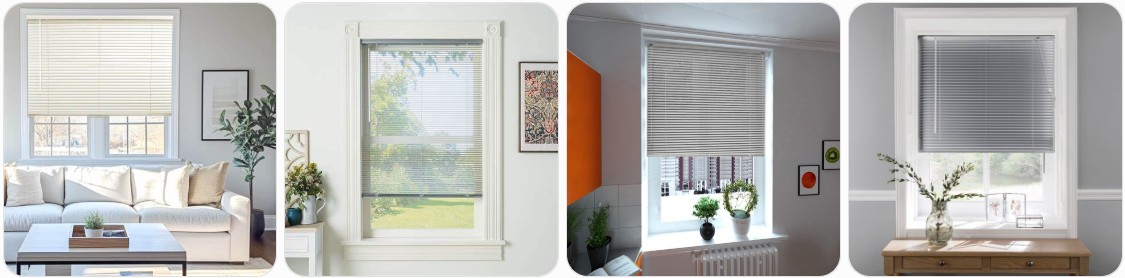
Micro blinds are a sleek, narrow-slat window covering option for people who want sharp light control, compact styling, and a cleaner look than standard mini blinds. This guide explains what micro blinds are, how they work, what they cost, where to buy them online, how to find local stores, and what to check before ordering.
- Table of Contents:
- Micro Blinds At a Glance
- What Are Micro Blinds? How Micro Blinds Work?
- Micro Blinds Pros and Cons
- Micro Blinds Cost
- Where to Buy Micro Blinds Online
- How to Find Micro Blinds Stores Near You
- What to Check Before Buying Micro Blinds
- Micro Blinds Installation Options
- FAQ About Micro Blinds
Micro Blinds At a Glance
- Best for: Small windows, narrow window frames, offices, kitchens, bathrooms, rentals, compact rooms, and modern interiors where bulky blinds may look too heavy.
- Main feature: Very narrow horizontal slats that tilt open or closed for light control and privacy.
- Common slat size: Usually smaller than standard mini blinds, often around 1/2 inch depending on the brand and product line.
- Typical materials: Aluminum, vinyl, or lightweight synthetic materials are the most common choices.
- Light control: Good for glare reduction and adjustable privacy, but not usually the best choice for full blackout unless paired with curtains or blackout liners.
- Privacy level: Good when fully closed, although small gaps may still allow some light leakage around the edges and between slats.
- Style: Slim, clean, simple, and less bulky than wider wood or faux wood blinds.
- Budget level: Usually affordable for ready-made sizes, but custom micro blinds can cost more depending on size, finish, cordless controls, and installation.
- Installation difficulty: Usually DIY-friendly for standard windows, but accurate measuring is very important because the slim look depends on a neat fit.
- Best buying tip: Measure carefully, confirm the slat width, check the headrail depth, and choose cordless if child safety or cleaner appearance matters.
What Are Micro Blinds? How Micro Blinds Work?
What Are Micro Blinds?
Micro blinds are horizontal slat blinds with very narrow slats. They are closely related to mini blinds and Venetian-style slatted blinds, but the slats are slimmer, giving the window a more compact and refined appearance. You can think of them as a smaller, sleeker version of classic horizontal blinds. Because the slats are narrow, micro blinds can look lighter on the window and may suit small windows better than thicker 1-inch, 2-inch, wood, or faux wood blinds.
Micro blinds are often used where a simple, low-profile window covering is needed. They work well in home offices, kitchens, laundry rooms, bathrooms, apartments, rental homes, narrow windows, and rooms where you want practical light control without a heavy decorative fabric treatment. If you are comparing similar slatted styles, you can also browse the related Micro Blinds category for more micro-blind-specific guides and parts information.
The main difference between micro blinds and regular mini blinds is the slat size. Standard mini blinds often use narrow slats, but micro blinds are even slimmer. That smaller slat profile creates a more detailed, closely spaced look across the window. This can be attractive in modern interiors, but it also means there are more slats to clean and more small gaps where dust can settle.
Most micro blinds are made from aluminum or vinyl because these materials keep the blind lightweight and affordable. Aluminum micro blinds usually have a crisp, thin, slightly more durable feel, while vinyl micro blinds may be cheaper and more flexible. For humid areas like bathrooms or kitchens, moisture-resistant materials are usually preferred over real wood-style products.
How Micro Blinds Work?
Micro blinds work by using a series of slim horizontal slats connected by ladder cords or tapes. The slats sit inside a headrail at the top of the blind. When the blind is lowered, the slats cover the window. When you tilt the slats, they rotate together to control how much light enters the room.
Most micro blinds have two main functions: lifting and tilting. The lifting system raises or lowers the entire blind, while the tilt system rotates the slats. Depending on the product, the blind may use a wand, cord tilt, cordless lift, or a safer child-friendly cordless mechanism. A wand tilt is common because it lets you twist the wand to angle the slats open, half-open, or closed.
When the slats are tilted open, daylight can enter while still breaking up direct glare. When the slats are tilted closed, privacy increases and sunlight is reduced. If you raise the blind completely, the slats stack tightly near the top of the window. Because micro blind slats are very narrow, the stack can look more compact than some wider-slat blinds, although the number of slats may still create a visible stack at the top.
Micro blinds are especially useful when you want fine light adjustment. Instead of only choosing open or closed, you can angle the slats slightly upward or downward depending on the sun direction, room privacy, and glare level. This makes them practical for computer rooms, street-facing windows, kitchens, and bathrooms where privacy and light control both matter.
Cordless Light Filtering Mini Blinds for Indoor, 29 x 64 in, Pearl White | Cordless Lift and Light-Filtering Control: Slat-Based Blind Construction with Adjustable Light Control.
Cordless Light Filtering Mini Blinds for Indoor, 34 x 64 in, Pearl White | Cordless Lift and Light-Filtering Control: Slat-Based Blind Construction with Adjustable Light Control.

Sumobaby 50"x60" Portable Blackout Curtains Blinds for Windows No Drill | 100% Blackout Window Shades with Hook & Loop Tapes Curtains Easy to Cut Fit for Bedroom,Baby Room and TV Room (Black)
Micro Blinds Pros and Cons
Pros of Micro Blinds
- Sleek narrow-slat look: Micro blinds look slimmer and less bulky than many standard horizontal blinds.
- Good for small windows: The smaller slats suit narrow frames, compact rooms, and smaller window openings.
- Adjustable light control: You can tilt the slats to reduce glare without fully blocking daylight.
- Affordable option: Ready-made micro blinds are often budget-friendly compared with custom fabric shades or wood blinds.
- Lightweight design: Aluminum and vinyl micro blinds are usually easy to handle and install.
- Modern appearance: The slim lines can work well in offices, apartments, kitchens, and minimalist rooms.
- Moisture-resistant choices: Vinyl and aluminum options can be suitable for kitchens, bathrooms, and laundry spaces.
- Easy to find in basic colors: White, gray, silver, black, and neutral finishes are commonly available.
- Works inside window recesses: The compact profile can fit many inside-mount windows if the headrail depth is suitable.
- Good for glare control: They are useful in rooms with screens, desks, or workstations where harsh sunlight is a problem.
Cons of Micro Blinds
- More slats to clean: The narrow slats mean more individual surfaces where dust can collect.
- Not the softest look: They can feel more functional than decorative compared with Roman blinds, curtains, or fabric shades.
- Can bend easily: Thin aluminum slats may crease or bend if handled roughly.
- Limited insulation: Micro blinds do not usually insulate as well as cellular shades or heavy curtains.
- Not true blackout: Light can leak between slats and around the sides, even when closed.
- May look busy on large windows: The many narrow slats can appear visually crowded on very wide windows.
- Cheaper versions may feel flimsy: Low-cost products may have weaker headrails, cords, or tilt mechanisms.
- Can be noisy: Lightweight slats may rattle near open windows, fans, or air vents.
- Precise measuring matters: A poor fit can make narrow-slat blinds look uneven or cheap.
- Replacement slats may be harder to match: Color, width, and finish can vary between brands.
Micro Blinds Cost: What Price Should You Expect?
Micro blinds are usually one of the more affordable window covering options, especially when buying ready-made sizes online. For a small or standard-size window, basic micro blinds may cost around $15 to $45 per blind. Better-quality cordless micro blinds, aluminum micro blinds, or larger window sizes may cost around $40 to $90 per blind. Custom-size micro blinds can cost more, often around $75 to $175+ per window, depending on the size, brand, control system, finish, and whether installation is included.
The final price depends heavily on the window size and whether you choose ready-made or made-to-measure blinds. A small bathroom or kitchen window will usually cost much less than a large living room window. Cordless systems, upgraded headrails, custom colors, professional measurement, and professional fitting can all raise the final price.
If you are budgeting for several windows, remember to include mounting hardware, tools, shipping, possible returns, and installation. DIY installation can keep the total lower, while professional installation may add around $50 to $150+ per window depending on your location, window difficulty, and installer pricing. For a quick planning estimate before buying, you can use this blind cost estimator to compare size, quantity, installation, and upgrade costs.
As a simple budget example, covering three small windows with basic ready-made micro blinds might cost around $45 to $135 before tax and shipping. Covering five windows with cordless or custom micro blinds could cost closer to $300 to $900+, especially if professional fitting is included.
Where to Buy Micro Blinds Online
Amazon is a useful place to compare micro blinds because you can quickly check different sizes, colors, cordless options, slat widths, and customer reviews. When shopping on Amazon, pay close attention to the product title and specifications because some listings use terms like micro blinds, mini blinds, aluminum blinds, vinyl blinds, and horizontal blinds interchangeably. Make sure the listing actually matches the slim slat size and window dimensions you need.
For micro blinds, the most important Amazon details to check are the exact width, length, slat size, mounting style, color, material, and whether the product is cordless. Read reviews carefully for comments about bent slats, weak tilt mechanisms, inaccurate sizing, difficult installation, and whether the blind fits inside standard window frames. If you are buying multiple blinds for the same room, order all of them at the same time when possible so the color and finish are more likely to match.
You can also browse related products such as micro blinds on Amazon, aluminum micro blinds, cordless micro blinds, and small window mini blinds if you want to compare similar narrow-slat options.
Find Micro Blinds from Amazon »
Cordless Light Filtering Mini Blinds for Indoor, 29 x 64 in, Pearl White | Cordless Lift and Light-Filtering Control: Slat-Based Blind Construction with Adjustable Light Control.
Cordless Light Filtering Mini Blinds for Indoor, 34 x 64 in, Pearl White | Cordless Lift and Light-Filtering Control: Slat-Based Blind Construction with Adjustable Light Control.
Sumobaby 50"x60" Portable Blackout Curtains Blinds for Windows No Drill | 100% Blackout Window Shades with Hook & Loop Tapes Curtains Easy to Cut Fit for Bedroom,Baby Room and TV Room (Black)
eBay can be useful if you are looking for discontinued micro blinds, replacement micro blind parts, older colors, bulk lots, or discounted open-box products. This can be especially helpful if you need to match blinds already installed in your home. However, eBay listings can vary widely, so check photos, measurements, condition notes, return policy, and seller feedback before buying.
When buying micro blinds from eBay, avoid guessing based only on the title. Ask the seller for the exact blind width, actual slat width, headrail depth, mounting hardware included, and whether any slats are bent or missing. For used micro blinds, also check if the lift cord, wand, brackets, and tilt mechanism are still working properly.
- The Home Depot – Good for comparing mini and narrow-slat blinds, cordless options, standard sizes, and in-store pickup availability.
- Lowe’s – Useful for ready-made blinds, basic aluminum or vinyl styles, and local store availability.
- Blinds.com – A helpful option for custom sizing, made-to-measure blinds, measuring help, and upgraded control choices.
- Wayfair – Good for comparing home decor styles, color options, customer photos, and budget-friendly blind alternatives.
How to Find Micro Blinds Stores Near You
The easiest way to find micro blinds stores near you is to search for local blind shops, window treatment stores, home improvement stores, and custom blind installers in your area. Because some retailers may label micro blinds as mini blinds, aluminum blinds, vinyl blinds, or narrow-slat horizontal blinds, it helps to search using several related terms. Try searches such as “micro blinds near me,” “mini blinds near me,” “aluminum blinds near me,” “custom horizontal blinds near me,” and “window blind stores near me.”
You can also use this window blinds buying guide to compare places to buy blinds and narrow down whether you should shop online, visit a local store, or contact a specialist installer.
Local stores are especially useful if you want to see the slat size in person. Micro blinds can look different online than they do on your actual window, especially because the slats are very narrow and closely spaced. Seeing a sample helps you compare the finish, color, thickness, flexibility, and overall look before ordering.
When contacting a local store, ask whether they carry true micro blinds or only standard mini blinds. Also ask if they offer custom sizing, cordless options, moisture-resistant materials, measuring service, and installation. If you are replacing existing micro blinds, bring photos, measurements, and a close-up of the headrail or slat profile so the store can help you find the closest match.
For the best local results, check:
- Home improvement stores: Useful for budget ready-made micro or mini blinds in common sizes.
- Custom blind shops: Better for exact sizing, unusual window dimensions, and professional measuring.
- Interior design showrooms: Good if you want higher-end finishes or coordinated window treatments.
- Local installers: Helpful if you need measuring, fitting, removal of old blinds, or whole-home installation.
- Hardware stores: Sometimes useful for brackets, cords, wands, and small repair parts.
What to Check Before Buying Micro Blinds
- Exact window width: Measure the inside opening at the top, middle, and bottom. Use the narrowest measurement for inside-mount blinds.
- Exact window height: Measure the drop from top to bottom in multiple places, especially for older windows that may not be perfectly square.
- Inside mount or outside mount: Inside mount gives a cleaner built-in look, while outside mount gives more coverage and can hide uneven trim.
- Headrail depth: Micro blinds still need enough frame depth for the headrail and brackets, especially for inside mounting.
- Slat width: Confirm the product is actually micro blind size and not a standard mini blind if the narrow-slat look matters to you.
- Material: Aluminum is crisp and slim, while vinyl is flexible and budget-friendly. Choose moisture-resistant materials for bathrooms and kitchens.
- Control type: Cordless is cleaner and safer for homes with children or pets, while wand tilt is simple and common.
- Color match: White, off-white, gray, silver, and black can look different between brands, so order samples if matching matters.
- Light control: Micro blinds reduce glare well, but they are not usually full blackout blinds.
- Privacy needs: For street-facing rooms, check how tightly the slats close and whether side gaps could reduce privacy.
- Cleaning effort: Narrow slats can collect dust, so consider how easy the blind will be to wipe or vacuum.
- Durability: Thin slats may bend if pulled, twisted, or handled roughly, so check reviews for quality complaints.
- Mounting hardware: Confirm brackets, screws, hold-down clips, and installation instructions are included.
- Return policy: This is especially important for custom blinds because made-to-measure products may not be returnable.
- Multiple-window consistency: If buying several blinds, use the same brand and product line to keep the color and slat style consistent.
- Room use: Choose moisture-resistant micro blinds for bathrooms, easy-clean options for kitchens, and cordless options for children’s rooms.
- Existing blind replacement: If replacing one blind, compare the old slat width, color, headrail size, and bracket style before ordering.
- Installation skill: If the window frame is uneven, tiled, very high, or difficult to drill, professional fitting may be worth the extra cost.
Micro Blinds Installation Options: DIY vs Professional Fitting

Cutelec 2pcs Box Mounting Bracket for Low Profile Horizontal Blinds with 1-3/4" x 2 1/2" Headrail - White Color

Jetec 6 Pieces Mini Blind Brackets for Window Blinds,1.18x1.18 Inch | with Screws,Metal Replacement Parts,Easy DIY Installation
Micro blinds are usually DIY-friendly if you are installing them on a standard window and have basic tools. Most ready-made micro blinds include brackets, screws, and simple installation instructions. A typical DIY installation involves marking bracket positions, drilling pilot holes, attaching the brackets, snapping the headrail into place, and testing the lift and tilt functions.
DIY installation is usually the best option if you are replacing an existing blind with a similar size, installing a standard ready-made blind, or working on a simple rectangular window. It can save money and may only require a tape measure, pencil, drill, screwdriver, level, and step stool. However, the fit matters a lot with micro blinds because the slim slats look best when the blind hangs straight and evenly.
Professional fitting may be better if you are ordering custom micro blinds, covering many windows, installing blinds on high windows, drilling into tile or masonry, or dealing with uneven frames. A professional installer can measure accurately, recommend inside or outside mount, fit the brackets securely, and make sure the blind operates smoothly.
For inside-mount micro blinds, the installer must confirm that the recess has enough depth for the headrail. For outside-mount micro blinds, the installer needs to center the blind correctly and allow enough overlap on both sides to reduce light gaps. Poor alignment can make micro blinds look uneven because the narrow slats make small mistakes easier to notice.
DIY installation is usually best when:
- You are using standard-size ready-made micro blinds.
- Your window frame is square and easy to drill into.
- You already have the correct measurements.
- You are comfortable using a drill, level, and screwdriver.
- You want to save money on labor.
Professional installation is usually best when:
- You are buying custom micro blinds for several windows.
- Your windows are unusually shaped, very wide, very tall, or hard to reach.
- You need a perfect inside-mount fit.
- You are installing into tile, concrete, metal, or difficult trim.
- You want measuring, fitting, and adjustment handled by one installer.
If you choose DIY installation, test the blind gently after mounting it. Raise and lower it several times, tilt the slats fully open and closed, and check that the bottom rail hangs level. If the blind rubs against the frame or does not tilt smoothly, stop and adjust the brackets before forcing the mechanism.
FAQ About Micro Blinds
What are micro blinds?
Micro blinds are horizontal blinds with very narrow slats. They are similar to mini blinds but usually have slimmer slats, giving them a more compact, sleek, and low-profile look on the window.
Are micro blinds the same as mini blinds?
Micro blinds and mini blinds are closely related, but micro blinds usually have smaller, narrower slats. Some retailers use the terms loosely, so always check the actual slat width before buying.
Where are micro blinds best used?
Micro blinds work well on small windows, narrow frames, kitchens, bathrooms, offices, apartments, and rooms where you want adjustable light control without a bulky window covering.
Do micro blinds block light completely?
No. Micro blinds can reduce sunlight and improve privacy, but they usually do not block light completely because light can pass between slats and around the edges.
Are micro blinds good for bathrooms?
Yes, micro blinds can work well in bathrooms if you choose moisture-resistant aluminum or vinyl. Avoid materials that may warp, stain, or absorb moisture in humid rooms.
Are micro blinds easy to clean?
Micro blinds are not difficult to clean, but they can take more time because the slats are narrow and closely spaced. A microfiber duster, vacuum brush, or damp cloth usually works well.
How much do micro blinds cost?
Basic ready-made micro blinds may cost around $15 to $45 per blind, while cordless, larger, or custom micro blinds may cost around $40 to $175+ per blind depending on size and features.
Are cordless micro blinds worth it?
Cordless micro blinds are often worth it if you want a cleaner look, easier operation, or a safer option for homes with children or pets. They may cost more than basic corded versions.
Can micro blinds be cut to size?
Some ready-made blinds can be trimmed by certain retailers, but not all micro blinds are designed for cutting. Check the product details before buying, especially for inside-mount windows.
Do micro blinds bend easily?
Thin aluminum micro blind slats can bend if pulled, crushed, or handled roughly. Higher-quality blinds may resist bending better, but narrow slats still need careful handling.
Are micro blinds good for large windows?
Micro blinds can be used on larger windows, but the many narrow slats may look busy. For very wide windows, wider Venetian blinds, vertical blinds, or panel blinds may look more balanced.
Should I choose inside mount or outside mount for micro blinds?
Inside mount gives micro blinds a cleaner built-in appearance, while outside mount provides more coverage and can hide uneven frames. Choose based on window depth, privacy needs, and measuring accuracy.
Summary
Micro blinds are a practical choice if you want slim horizontal slats, adjustable light control, and a clean low-profile look. They are especially useful for small windows, kitchens, bathrooms, offices, rental homes, and modern rooms where larger blinds may feel too heavy. Their biggest advantages are affordability, compact styling, and precise light adjustment. Their main drawbacks are dusting effort, limited insulation, possible light gaps, and the risk of thin slats bending if handled roughly.
Before buying micro blinds, measure carefully, confirm the slat width, check the headrail depth, choose the right mounting style, and decide whether corded or cordless operation is best for your space. Amazon and eBay are useful for comparing prices and availability, while local blind shops can help with samples, custom sizing, measuring, and professional installation. For the best result, choose micro blinds that match your window size, room conditions, privacy needs, and cleaning expectations.

60 PCS Vertical Blind Repair Tabs Kit Clear Fixer Verticle Blinds Snap in Replacement Slats Parts Panels

Vertical Blinds Replacement Stem and Gear Used for Headrail, Carrier Stem Vertical Blinds Curtain Accessories(12 Sets)
