
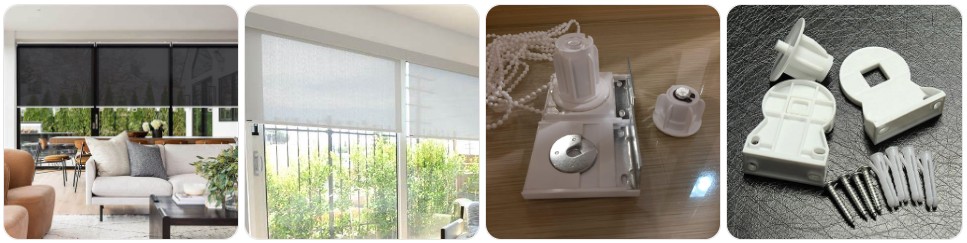
Screen Blinds are designed to filter sunlight through an open-weave mesh fabric, which means the most common failures are usually in the operating hardware rather than the fabric panel itself. If your shade no longer rolls smoothly, hangs crooked, slips while lowering, or stops at uneven positions, the issue is often a worn clutch, loose chain connector, damaged brackets, or a failing bottom bar end cap. In many cases, replacing one small component is far cheaper and faster than ordering a whole new blind.
This guide explains the most important Screen Blind replacement parts, how to identify the correct match, when a repair makes sense, and when it is smarter to replace the full unit. You will also find helpful shopping links for items such as screen blind clutch mechanisms, mounting brackets for screen blinds, and complete screen blind repair kits so you can compare common replacement options before you start dismantling the blind.
Buy Screen Blind Parts Online
The clutch is the side control that lets the blind raise and lower smoothly with the beaded chain. When it wears out, the blind may slip, jam, or refuse to stay at height. » find on amazon / find on ebay
A broken or stretched chain loop makes daily operation awkward and can prevent the fabric from moving evenly. Replacing the chain is one of the easiest Screen Blind repairs and often restores smooth control immediately. » find on amazon / find on ebay
Screen Blinds depend on correctly sized brackets to hold the tube level and secure. Bent, loose, or cracked brackets can cause rubbing, crooked rolling, and recurring alignment problems even when the rest of the blind is fine. » find on amazon / find on ebay
The idle end supports the opposite side of the roller tube and keeps the blind balanced during travel. If it bends or loosens, the shade can tilt, drag, or pop out of the bracket unexpectedly. » find on amazon / find on ebay
Tube inserts connect the control ends to the roller tube and must match the tube diameter closely. A worn insert can create wobble, slipping, poor tracking, and repeated stress on the clutch and bracket set. » find on amazon / find on ebay
End caps keep the bottom bar stable and reduce side-to-side movement as the Screen Blind travels. Missing or cracked caps can lead to noisy operation, scraping against guides or frames, and uneven hanging at rest. » find on amazon / find on ebay
Small stop parts limit travel and keep the beaded loop joined securely. When these pieces fail, the blind may overrun, the chain may separate, or the bottom rail may stop in the wrong position. » find on amazon / find on ebay
A repair kit usually includes brackets, clutch parts, chain hardware, connectors, and support pieces for common roller-style screen shades. It is ideal when several small components are worn and you want one convenient matching bundle. » find on amazon / find on ebay
Signs You Need Replacement Parts for Your Screen Blind
- The mesh fabric rolls crooked on the tube: If your Screen Blind starts tracking to one side, the problem is often a bent bracket, worn idle end pin, or a damaged tube insert rather than a problem with the screen material alone.
- The blind slips down after you stop pulling the chain: A slipping shade usually points to a failing clutch mechanism. Once the internal grip wears out, the Screen Blind may no longer hold its set height and will gradually lower on its own.
- You hear clicking, grinding, or rough resistance during movement: Screen mesh shades should move with controlled tension. Repeated noise often means the clutch gears are wearing, the chain is dragging through the control, or the brackets are out of alignment.
- The chain loop has separated or feels stretched: A broken connector or worn beaded loop can make the blind feel jerky and inconsistent. Replacing the loop with a correctly sized screen blind chain is often a quick fix.
- The bottom bar hangs unevenly: When one side of the Screen Blind stops lower than the other, check for missing bottom bar end caps, a shifting fabric wrap on the tube, or an idle-end support issue that is letting the tube tilt under load.
- The blind pops out of the bracket during use: This is a strong sign that the bracket, pin end, or clutch body is worn or mismatched. Do not keep forcing it, because repeated use can damage the screen fabric edge or distort the tube.
- The blind stops too high or overruns too low: Missing stop balls, broken connectors, or incorrectly fitted chain limiters can let the Screen Blind travel farther than intended, which adds unnecessary stress to the roller and lower rail.
- The blind works, but only with extra force: If you need to tug harder than usual, the issue is commonly mechanical. Screen Blinds with sun-control mesh should still operate smoothly, so stiff travel usually means worn hardware rather than normal aging.

Leinuosen 12 Pieces Vertical Blind Clips Stems Replacement Parts | Vertical Blind Carrier Stems, 8 mm Head, Replacement Parts for 3-1/2 or 5 Inch Vertical Blind Vanes, Headrail Accessories
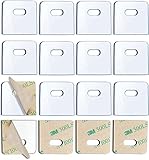
SOGEWO (16 Set/32 Pieces) Clear Vertical Blind Repair Tabs, Vertical Blinds tabs/Blind Fixers for Vertical Blinds Replacement Slats & Parts

60 PCS Vertical Blind Repair Tabs Kit Clear Fixer Verticle Blinds Snap in Replacement Slats Parts Panels
How to Identify the Right Screen Blind Replacement Part
- Start with the control side first: On most Screen Blinds, the most important match is the clutch side. Remove the blind carefully and compare the clutch shape, tooth style, and body diameter with replacement options such as screen blind clutch mechanisms before ordering.
- Measure the roller tube accurately: Screen shades often use specific tube diameters, and even a small mismatch can make inserts or clutches unusable. Measure the outside diameter of the metal or aluminum tube, not the fabric width, before buying inserts, idlers, or bracket sets.
- Check whether it is a standard roller-style screen blind: Many Screen Blinds look similar from the front, but some are chain-operated, some spring-assisted, and some motorized. The replacement part must match the actual operating system, not just the appearance of the shade.
- Inspect the bracket profile and mounting method: Inside-mount and face-mount Screen Blinds can use different bracket depths, hook shapes, and retaining tabs. Compare the old hardware closely so the new bracket will hold the tube securely and keep the blind level.
- Look at the idle end pin style: The non-control end may use a spring-loaded pin, a retractable tip, or a fixed insert. Matching that small detail matters because the wrong idle end can create wobble, poor tracking, and repeated bracket disengagement.
- Confirm chain size and loop type: Screen Blind chains vary in bead spacing, material, and loop length. If you are replacing only the loop, count the bead size and check whether you need a metal or plastic option for compatibility with the existing clutch.
- Do not ignore bottom bar hardware: If the shade hangs unevenly, the fault may be at the bottom rail rather than the top roller. End caps and lower bar inserts should match the rail profile so the blind stays balanced and does not scrape during travel.
- Choose a repair kit when several parts are unknown: If the blind is older and multiple small components are missing, a screen blind repair kit can be a practical starting point because it gives you matching hardware for the most common roller-style repairs.
Should You Repair or Replace the Whole Screen Blind?
Repairing a Screen Blind usually makes sense when the mesh fabric is still in good condition and the problem is clearly mechanical. A worn clutch, broken chain loop, bent bracket, damaged end cap, or faulty idle end is often inexpensive to replace, especially if the blind still looks good and the screen weave is not torn, frayed, or badly warped. In those cases, buying targeted parts such as a replacement clutch or a screen blind repair kit is usually the best-value option.
Replacing the whole blind becomes the better choice when the screen fabric itself has failed, the tube is bent, the lower rail is badly damaged, or the blind uses uncommon older hardware that is hard to match. It can also be smarter to replace the full unit if several parts are worn at once and the total cost of piecing together repairs starts getting close to a new Screen Blind. For modern homes with heavy sun exposure, starting fresh may also help if you want improved openness, better glare control, or updated mounting hardware.

100% Blackout Blind Magnetic Window Cover,Cuttable Black Out Curtain 118x57 | No Drill,Portable Window Shade with Strong Magnet and Hook&Loop Tape,DIY Black Out Curtains For Bedroom,RV,Nursery,Media Room

Black Out Window Cover Portable Blacout Curtains for Bedroom Guard Blinds | Window Shades Blackout Blinds No Drill Blackout Shade Adhesive Thermal Temporary Darkening Kitchen Travel Skylight RV 40x57in
BKSAI 100% Blackout Curtains for Bedroom, Magnetic Portable Blackout Shades for Travel, Black Out Window Cover No Drill Cuttable for Bedroom, Nursery, Media Room, RV, 39x57 inch
How to Prevent Parts Damage to Screen Blind
- Operate the chain in a straight downward motion: Screen Blinds wear out faster when the chain is pulled sideways or yanked sharply. Keeping the pull direction vertical and controlled reduces strain on the clutch gears, brackets, and chain connector.
- Keep the mesh and bottom bar free from obstruction: If the lower rail catches on window handles, insect screens, or trim, the blind can roll unevenly and stress the tube supports. Make sure the Screen Blind has a clear travel path every time it moves.
- Clean dust from the clutch side and bracket area: Fine dust and debris can collect around screen shade hardware, especially in bright sun-facing rooms. Light cleaning around the control side helps the blind operate smoothly and reduces premature gear and chain wear.
- Do not let the blind slam upward: Fast release can shock the clutch and shift the mesh wrap on the tube. Raise and lower the Screen Blind gradually so the fabric stays aligned and the mechanical parts are not hit with sudden tension changes.
- Check mounting screws before the blind starts wobbling: Slight bracket looseness often shows up first as side play or minor tracking issues. Tightening the brackets early prevents extra wear on the idle end pin, the clutch body, and the tube insert.
- Protect the blind from excessive heat buildup near glass: Screen Blinds are designed for sun control, but prolonged high heat at the top rail can still affect plastic hardware over time. Periodic checks are especially useful on west-facing windows and conservatory-style spaces.
- Replace small worn parts before they damage larger ones: A cheap chain connector, stop ball, or end cap can be replaced quickly, but ignoring it can eventually damage the clutch or roller tube. Small preventative fixes are usually the most cost-effective repairs.
- Use matching parts instead of forcing near-fits: Generic roller hardware that is almost right can still cause crooked rolling or bracket failure on a Screen Blind. It is better to use correctly sized screen blind parts than force a poor mechanical match.
Screen Blind Parts FAQ
What is the most commonly replaced part on a Screen Blind?
The clutch mechanism is usually the most commonly replaced part because it handles the daily lifting and lowering load. When it wears out, the blind may slip, jam, or refuse to stay at the desired height.
Can I replace the chain on a Screen Blind without replacing the whole control?
Yes, if the clutch still works properly and only the loop is damaged, you can often replace just the beaded chain. The important part is matching the bead size, loop length, and connector style to the existing control.
Why does my Screen Blind roll up unevenly?
Uneven rolling is commonly caused by a bent bracket, worn idle end, loose tube insert, or shifted fabric wrap on the roller. It is not always a fabric problem, so check the supporting hardware first before replacing the shade.
Are Screen Blind parts the same as standard roller shade parts?
Sometimes, but not always. Many Screen Blinds use roller-style hardware, yet the clutch size, tube diameter, bracket shape, and bottom rail details can differ, so it is important to compare measurements and component profiles carefully.
Should I buy a single replacement part or a repair kit?
If you know exactly which piece has failed, buying the individual part is usually cheaper. If the blind is older, several small components are worn, or you are unsure which item is faulty, a repair kit is often the more practical choice.
When should I replace the whole Screen Blind instead of repairing it?
Replace the full blind when the mesh fabric is torn, badly frayed, heat-warped, or pulling away from the tube, or when multiple hardware components have failed and the combined repair cost is too close to a new unit.
60 PCS Vertical Blind Repair Tabs Kit Clear Fixer Verticle Blinds Snap in Replacement Slats Parts Panels

joytrace RV Pleated Shade Repair Kit, RV Window Shade Restringing Kit, Repair and Maintain of Day Night Pleated Shade (White)
