
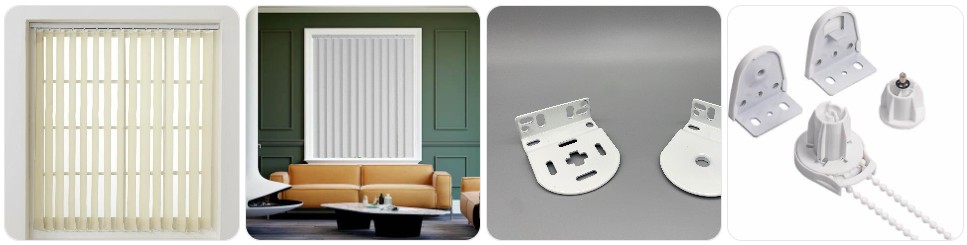
Vertical Blind replacement parts are often all you need to restore a damaged set of vanes, a misaligned headrail, or a patio-door blind that no longer rotates smoothly. In many cases, you do not need to replace the entire blind. A broken stem, cracked vane saver, missing chain, worn carrier, bent valance clip, or stripped control component can usually be swapped out quickly and affordably. This guide explains the most common Vertical Blind parts, how to identify the right replacement, when a simple repair makes sense, and where to shop for parts like vertical blind stems and gears, vane savers, and repair kits online.
Buy Vertical Blind Parts Online
These small headrail components are among the most commonly replaced Vertical Blind parts because they control how each vane hangs and rotates. If one slat will not turn, sits crooked, or falls out of the carrier, worn stems or gears are often the cause. » find on amazon / find on ebay
Vane savers reinforce the punched hole at the top of a fabric or vinyl vane. They are ideal when the vane itself is still usable but the top opening has torn. This is usually the cheapest way to stop a slat from slipping off the hook. » find on amazon / find on ebay
Carriers slide inside the headrail and hold each individual vane in place. If multiple vanes bunch together, drag, stop halfway, or do not space evenly when you traverse the blind, one or more damaged carriers may be causing the track to bind. » find on amazon / find on ebay
The control end or tilter is the mechanism that lets the vanes rotate open and closed. When the chain skips, the wand feels loose, or the vanes no longer close in unison, replacing this part can restore smooth tilt function without changing the full blind. » find on amazon / find on ebay
A cracked or missing wand makes daily use awkward and often leads to people grabbing the vanes directly, which causes more damage over time. Replacing the wand, hook, or tip is a simple fix that helps protect the rest of the headrail. » find on amazon / find on ebay
Bottom chains connect the vanes near the floor so they hang in a more uniform line and move together. If the chains snap, vanish, or tangle repeatedly, replacing them can improve alignment and reduce twisting during everyday opening and closing. » find on amazon / find on ebay
Weights fit into the bottom of each vane to help it hang straight and resist twisting near doors or moving air. Missing weights often make individual slats swing unevenly, cross over each other, or look messy even when the track still works properly. » find on amazon / find on ebay
If the decorative front valance keeps falling off the headrail, cracked clips are usually to blame. New clips are inexpensive and easy to install, making them one of the best low-cost cosmetic repairs for older Vertical Blind systems over patio doors. » find on amazon / find on ebay
Loose or missing brackets can make the entire headrail sag, shift, or pop out of place when the blind is traversed. Replacing worn brackets is especially important on wide Vertical Blind installations because the extra span puts more stress on the mount points. » find on amazon / find on ebay
A repair kit is the best starting point when you are dealing with several minor problems at once, such as torn vane holes, missing clips, damaged hooks, or worn chain connectors. Many kits include assorted pieces for quick DIY fixes on older Vertical Blind systems. » find on amazon / find on ebay
Signs You Need Replacement Parts for Your Vertical Blind
- One or more vanes will not rotate with the rest: When a single Vertical Blind slat stays open while the others close, the issue is usually a damaged stem, stripped gear, or a failed carrier connection rather than the full headrail. Checking replacement stems and gears is often the first step.
- The vanes are uneven even after you straighten them by hand: If several slats hang at different angles every day, worn carriers, missing bottom weights, or disconnected spacer chains may be letting the vanes drift out of line. Vertical Blind alignment problems are usually mechanical, not cosmetic.
- The top hole of a vane is tearing or pulling through: This is one of the clearest signs that you need a part replacement instead of a new blind. A simple vane saver can often rescue a slat that still looks good from the front.
- The blind traverses only partway across the window or patio door: If the stack stops midway, bunches up, or feels jerky, one or more carriers inside the track may be cracked or binding. This is especially common on wide Vertical Blind systems used over sliding glass doors.
- The wand spins but the vanes barely move: A loose-feeling wand usually points to a broken hook, worn wand control, or failed tilter mechanism. Replacing the wand assembly or control end can restore normal operation without replacing the vanes.
- The vanes twist near the bottom and hit each other in airflow: Missing weights or broken bottom chains allow each vane to swing independently. This is a classic Vertical Blind problem near frequently used doors, vents, and fans where air movement constantly catches the slats.
- The decorative valance keeps dropping from the headrail: If the blind still works but the front trim keeps falling, the likely fix is simply new valance clips. This is a small part issue that can make the entire blind look old even when the main mechanism still works.
- The headrail shifts, sags, or feels loose during use: On Vertical Blind systems, mounting brackets take repeated stress whenever the blind is opened, stacked, or rotated. If the rail moves during operation, check the brackets before assuming the whole blind has failed.
- Several small issues are appearing at the same time: If you have torn vane holes, missing weights, cracked hooks, and chain problems all at once, a Vertical Blind repair kit may be the easiest all-in-one solution.
Vertical Blind Cord, String Tension Pulleys (1)

Vertical Blinds Replacement Stem and Gear Used for Headrail, Carrier Stem Vertical Blinds Curtain Accessories(12 Sets)
How to Identify the Right Vertical Blind Replacement Part
- Start with the exact failed function first: If the vane will not rotate, focus on the stem, gear, tilter, or wand control. If the blind will not slide across the rail, focus on the carrier, traverse mechanism, or track alignment. Matching the symptom to the function saves time and prevents ordering the wrong part.
- Check whether the problem is at the top, middle, or bottom of the vane: Damage at the top hole usually means you need a vane saver or replacement hanger area fix. Problems in the headrail usually involve stems, gears, or carriers. Problems at the bottom usually point to missing weights or spacer chains.
- Remove one working vane and compare its connection style: Vertical Blind parts are not all universal. Look at how the vane attaches to the carrier, how wide the vane is, and whether the stem shape matches your existing hardware. This is especially important before ordering replacement carriers or stems and gears.
- Measure the vane width before buying accessories: Most Vertical Blind vanes are sold in common sizes, but the width still matters when ordering weights, chains, vane savers, and replacement slats. A quick measurement helps you avoid parts that physically fit the blind type but not your specific vane profile.
- Inspect the headrail control side closely: If your blind uses a wand, identify whether the wand connects by hook, eyelet, or built-in control tip. If your system uses a chain-and-cord style control, inspect the clutch or tilter side instead. The control end is one of the most brand-specific parts in a Vertical Blind system.
- Look for repeated damage patterns across multiple vanes: If several top holes are tearing, the issue may not be the vanes alone. A stiff or misaligned carrier track can place extra strain on the same area every time you rotate or traverse the blind. In that case, replacing only the vane may not solve the root problem.
- Use old hardware as your visual match sample: The safest way to identify a Vertical Blind part is to remove the broken piece and compare its shape, hole spacing, hook style, and overall profile against listing photos. This works especially well for valance clips, brackets, wand tips, carriers, and stems.
- Buy a repair kit when you are not fully sure which small piece failed: If the blind is older and you can see several weak points, a repair kit can be a practical first purchase because it lets you test common fixes without ordering multiple single-part packs separately.
Should You Repair or Replace the Whole Vertical Blind?
In many cases, repairing a Vertical Blind is the smarter choice, especially when the vanes still match your room, the headrail is mostly intact, and only one or two hardware points have failed. A torn vane hole can often be fixed with vane savers, and a blind that will not rotate properly may only need new stems and gears. If the problem is isolated to the wand, bottom chain, weights, or valance clips, replacing parts is usually far cheaper and much faster than installing a completely new blind.
You should lean toward full replacement when the headrail is badly bent, multiple carriers are broken across the track, the vanes are brittle or badly discolored, or the repair cost starts approaching the price of a full new Vertical Blind. For older patio-door blinds, a parts-based repair still makes sense if you can restore smooth movement and keep the existing vanes. But if the blind has widespread mechanical wear and visible cosmetic damage together, replacing the whole Vertical Blind is usually the cleaner long-term fix.

CHICOLOGY Vertical Blinds, Oxford White (Vinyl), 3.5" PVC, 78" W x 84" H | Sliding glass, patio & French doors, cordless wand tilt & traverse, reversible stack, valance included, easy wipe clean
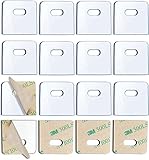
SOGEWO (16 Set/32 Pieces) Clear Vertical Blind Repair Tabs, Vertical Blinds tabs/Blind Fixers for Vertical Blinds Replacement Slats & Parts

82.5" x 3.5" White PVC Vertical Blind Replacement Slats Curved Smooth (5 Pack)
How to Prevent Parts Damage to Vertical Blind
- Use the wand instead of grabbing the vanes directly: Pulling or twisting the slats by hand puts unnecessary force on the stems, gears, and carrier hooks. Replacing a broken wand early is cheaper than replacing several top-end mechanical parts later.
- Open the vanes before traversing the blind fully: Moving a Vertical Blind sideways while the vanes are tightly closed increases drag inside the track and adds stress to the carriers and control mechanism. A quick rotate-open step can significantly reduce wear over time.
- Keep the bottom chains and weights connected: Missing bottom hardware allows vanes to swing independently, which leads to twisting, tangling, and repeated impact near patio doors. Replacing weights and spacer chains promptly helps the whole blind move in a straighter, more controlled way.
- Do not force stuck vanes during a jam: If one slat hangs up, forcing the wand or pulling the stack harder can crack the stem, strip the gear, or snap a carrier. Stop and inspect the exact vane that is binding before more parts fail around it.
- Reduce repeated door slams and strong cross-breezes: Vertical Blind vanes installed on sliding doors are exposed to more motion than standard window blinds. Constant swinging can tear top holes, loosen hooks, and break bottom chains unless the vanes are properly weighted and aligned.
- Inspect brackets and valance clips a few times each year: A loose headrail places extra strain on the entire Vertical Blind system. Tightening or replacing mounting brackets and damaged clips early helps prevent larger track and carrier problems later.
- Clean the track area so carriers can slide smoothly: Dust buildup and debris inside the headrail can make the blind feel stiff and encourage users to force the control. Gentle cleaning around the track and carrier path can reduce unnecessary wear on the traverse system.
- Fix small vane tears before they enlarge: When a vane starts pulling at the top hole, install a vane saver right away instead of waiting for the slat to fall completely. Early repair often keeps the original vane usable and prevents mismatch from partial vane replacement.
Vertical Blind Parts FAQ
What is the most commonly replaced Vertical Blind part?
The most commonly replaced Vertical Blind parts are usually stems and gears, vane savers, bottom chains, weights, and wand components. These parts handle the most repeated daily movement, so they tend to wear out long before the entire blind needs replacement.
Can I fix a Vertical Blind vane that ripped at the top?
Yes. If the vane is otherwise in good condition, a vane saver is often the easiest and cheapest fix. You can browse Vertical Blind vane savers on Amazon to find metal or plastic reinforcement options for torn top holes.
Why do my Vertical Blind vanes not turn together anymore?
That usually points to worn stems, stripped gears, or a damaged control end inside the headrail. If one vane stays out of sync while the others move normally, inspect the hardware directly above that vane first.
Are Vertical Blind replacement parts universal?
No, not always. Some small accessories are broadly compatible, but parts like carriers, stems, tilters, brackets, and wand connections can vary by headrail design. Matching the part shape and connection style is more reliable than assuming all Vertical Blind hardware is interchangeable.
Should I buy a repair kit or individual Vertical Blind parts?
If you already know the exact failed part, buying that single item is usually best. If your blind has multiple small issues or you are troubleshooting an older setup, a Vertical Blind repair kit can be a more practical first purchase.
When should I replace the whole Vertical Blind instead of repairing it?
Replace the whole blind when the headrail is bent, several carriers are broken, the vanes are heavily faded or brittle, or the total repair cost is getting too close to the price of a full new system. If the damage is limited to a few hardware points, repair is usually still worth doing.
Can missing bottom chains really affect how a Vertical Blind works?
Yes. Bottom chains help keep the vanes spaced and moving together. Without them, the slats can twist, overlap, swing unevenly, and suffer more damage near patio doors or drafty openings.
Where can I buy Vertical Blind replacement parts online?
You can find many common parts through marketplaces and hardware listings online, including Vertical Blind parts on Amazon and matching items on eBay. Comparing listing photos with your old part is usually the safest way to choose the right replacement.

60 PCS Vertical Blind Repair Tabs Kit Clear Fixer Verticle Blinds Snap in Replacement Slats Parts Panels

joytrace RV Pleated Shade Repair Kit, RV Window Shade Restringing Kit, Repair and Maintain of Day Night Pleated Shade (White)
