
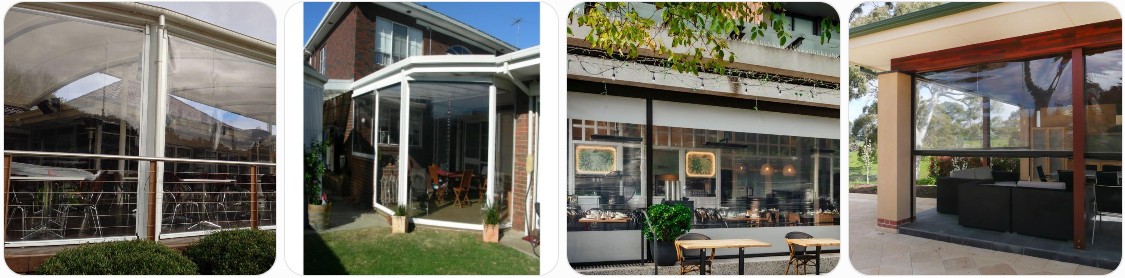
Bistro blinds are a practical outdoor blind option for patios, pergolas, verandas, balconies, decks, cafés, and alfresco dining areas. They are usually made from clear PVC, tinted PVC, or mesh-style outdoor material, helping block wind, rain, dust, and harsh sun while still keeping the outdoor view open. This buying guide explains what bistro blinds are, how they work, where to buy them, how much they cost, and what to check before ordering.
- Table of Contents:
- Bistro Blinds At a Glance
- What Are Bistro Blinds? How Bistro Blinds Work?
- Bistro Blinds Pros and Cons
- Bistro Blinds Cost
- Where to Buy Bistro Blinds Online
- How to Find Bistro Blinds Stores Near You
- What to Check Before Buying Bistro Blinds
- Bistro Blinds Installation Options
- FAQ About Bistro Blinds
Bistro Blinds At a Glance
- Best for: patios, pergolas, verandas, balconies, decks, outdoor kitchens, cafés, restaurants, and semi-covered outdoor spaces.
- Main purpose: to create a more usable outdoor area by reducing wind, rain splash, dust, insects, glare, and cold drafts.
- Common materials: clear PVC, tinted PVC, outdoor mesh, canvas-style outdoor fabric, or combinations of clear panels and solid edges.
- Typical operation: roll-up, crank-operated, strap-operated, track-guided, zip-guided, or manual clip/strap systems.
- Privacy level: clear PVC gives low privacy but keeps the view; tinted PVC and mesh provide more privacy during the day.
- Weather protection: good for wind and light-to-moderate rain, but not a substitute for permanent walls in severe storms.
- Cost range: roughly $80 to $400 per panel for many ready-made options, and about $300 to $1,200+ per opening for custom or professionally fitted systems.
- DIY difficulty: moderate; simple roll-up kits are easier, while track-guided or zip systems usually require more careful measuring and fitting.
- Most important buying detail: exact width, drop, fixing surface, wind exposure, material thickness, and whether the blind needs side channels, straps, zips, or bottom hold-downs.
What Are Bistro Blinds? How Bistro Blinds Work?
What Are Bistro Blinds?
Bistro blinds are outdoor blinds designed to enclose or partially shelter an outdoor living area without permanently closing it in. They are commonly used around patios, verandas, pergolas, cafés, restaurants, decks, balconies, outdoor kitchens, and alfresco dining areas. Unlike indoor blinds, bistro blinds are made for exterior exposure, so the material and hardware need to handle sunlight, moisture, wind, and regular outdoor use.
The most recognizable style is the clear PVC bistro blind. This type works almost like a flexible outdoor window: it helps block wind and rain while still letting you see outside. Other versions use tinted PVC, sunscreen mesh, or heavier outdoor fabric for more shade and privacy. Because bistro blinds are closely related to exterior patio coverings, you can also compare them with Bistro Blinds when looking through blind type categories and related repair guides.
Bistro blinds are especially useful when you want to keep using an outdoor space during cooler evenings, windy weather, or light rain. For example, a patio that is uncomfortable in winter can feel more protected when clear PVC blinds are lowered. A café seating area can also become more usable because guests are shielded from wind without losing the open outdoor feeling.
How Bistro Blinds Work?
Bistro blinds usually work by rolling down from a top tube or headrail and then being secured at the bottom or sides. The top tube holds the blind material, while the bottom bar adds weight and helps keep the panel straight. Depending on the product, the blind may be raised and lowered by hand, straps, a crank handle, a spring system, or a geared mechanism.
Basic roll-up bistro blinds are often secured with straps, clips, hooks, or anchor points. When the blind is lowered, the bottom bar may attach to hold-down brackets to stop the panel from moving too much in the wind. More advanced systems use side tracks, guide channels, or zip-guided edges. These systems hold the blind more firmly along the sides and can reduce gaps where wind, rain, and insects may enter.
The clear or tinted PVC panel acts as a flexible barrier. It does not insulate like a solid wall, but it can make the area feel more comfortable by reducing direct wind and weather exposure. Mesh bistro blinds work differently: they filter sunlight and improve shade while allowing more airflow. That means the best material depends on whether you care more about weather blocking, airflow, privacy, or visibility.
When shopping, you may also see products listed as clear outdoor patio blinds, outdoor roll up blinds, café blinds, patio blinds, veranda blinds, or PVC outdoor blinds. These names can overlap, so always check the material, mounting method, size, and whether the blind is designed for outdoor weather exposure.

Calyx Interiors 1“ Mini Blinds, 22.5“W x 48“H, White, Light Filtering

ARLO BLINDS 2" Faux Wood Blinds with Crown Valance 24" W x 70" H, White
ARLO BLINDS 2" Faux Wood Blinds with Crown Valance 26.5" W x 36" H, White
Bistro Blinds Pros and Cons
Pros of Bistro Blinds
- Extends outdoor use: helps make patios, decks, and verandas more comfortable in wind, light rain, and cooler weather.
- Keeps the view: clear PVC bistro blinds protect the space while still allowing visibility outside.
- More affordable than building walls: usually cheaper and less permanent than enclosing a patio with glass or solid panels.
- Flexible operation: can be rolled up when the weather is nice and lowered when protection is needed.
- Good for cafés and restaurants: helps protect outdoor dining areas without making them feel fully indoors.
- Useful for privacy: tinted PVC and mesh options can reduce visibility from neighbours or nearby streets.
- Can reduce dust and debris: helps limit leaves, dust, and wind-blown dirt entering a covered patio area.
- DIY options available: some ready-made bistro blind kits can be installed by confident DIY users.
- Custom sizing available: made-to-measure systems can fit large openings, pergolas, balconies, and unusual outdoor spaces.
- Can improve comfort around outdoor furniture: cushions, dining sets, and outdoor kitchens stay better protected from splash and wind.
Cons of Bistro Blinds
- Not storm-proof: most bistro blinds should be rolled up or secured during strong winds and severe weather.
- PVC can scratch: clear panels need careful cleaning to avoid cloudy marks, scratches, and scuffs.
- Can yellow or haze over time: cheaper PVC may discolor faster in strong sun and harsh weather.
- Needs accurate measuring: poor measuring can leave side gaps, sagging panels, or blinds that do not line up properly.
- Wind movement: basic roll-up models may flap or move unless they have strong hold-downs or side channels.
- Condensation possible: clear PVC can trap moisture when outdoor air and indoor-style warmth meet.
- Limited airflow when closed: clear PVC blocks wind well, but it can also make the space feel stuffy on warm days.
- Custom systems can be expensive: zip-track, crank-operated, or professionally installed systems cost more than basic kits.
- Maintenance needed: zips, straps, brackets, channels, and PVC panels may need cleaning, adjustment, or replacement.
- Not always suitable for exposed areas: very windy, open, or coastal locations may need heavier-duty hardware.
Bistro Blinds Cost: What Price Should You Expect?
Bistro blinds can vary widely in price because the cost depends on size, material, thickness, operating system, hardware quality, custom sizing, and installation. A small ready-made PVC roll-up blind may cost around $80 to $200, while larger ready-made panels can cost around $150 to $400 each. If you choose a custom measured system with stronger hardware, side tracks, crank operation, zip guidance, or professional fitting, the price can rise to around $300 to $1,200+ per opening.
For a basic DIY patio setup with two or three standard-size panels, a rough total may land around $250 to $900 before tools and accessories. For a professionally installed alfresco or café-style enclosure, the total can easily reach $1,500 to $5,000+ depending on how many openings need coverage. Larger spans, tall drops, exposed wind areas, and premium clear PVC will increase the price.
You can use a blind cost estimator to plan a rough budget before comparing bistro blind quotes. Even though outdoor bistro blinds may not price exactly like indoor blinds, a cost tool can still help you think through width, height, quantity, installation, and upgrade costs before you buy.
- Budget ready-made bistro blinds: about $80 to $200 per panel.
- Mid-range outdoor PVC or mesh blinds: about $150 to $400 per panel.
- Custom bistro blinds: about $300 to $800+ per opening.
- Zip-track or heavy-duty guided systems: about $500 to $1,200+ per opening.
- Professional installation: often adds about $100 to $300+ per blind, depending on size, wall material, access, and complexity.
- Replacement parts: straps, clips, hooks, brackets, crank handles, zips, and bottom bars may cost about $10 to $100+ depending on the part.
Where to Buy Bistro Blinds Online
Amazon can be a useful place to compare bistro blinds, especially if you are looking for ready-made outdoor roll-up blinds, clear PVC patio blinds, outdoor shade screens, balcony blinds, or replacement accessories. When searching on Amazon, do not only look at the product photo. Check the width, drop, PVC thickness, mounting hardware, bottom fixing method, and whether the blind is suitable for outdoor use. Some products may be better described as patio shades, outdoor roller shades, or clear tarpaulin panels rather than “bistro blinds,” so it helps to search related terms.
For most patios, you should look for a product that includes the blind panel, top fixing hardware, bottom bar, hold-downs, straps or clips, and clear installation instructions. If the blind will be exposed to wind, look for stronger side fixing options instead of a loose-hanging sheet. You can also compare PVC outdoor patio blinds, clear vinyl outdoor roll up blinds, and outdoor shade blinds for patios if you want more buying options.
Find Bistro Blinds from Amazon »
Calyx Interiors 1“ Mini Blinds, 22.5“W x 48“H, White, Light Filtering
ARLO BLINDS 2" Faux Wood Blinds with Crown Valance 24" W x 70" H, White
ARLO BLINDS 2" Faux Wood Blinds with Crown Valance 26.5" W x 36" H, White
eBay is another good option if you want to compare new, discounted, discontinued, or replacement bistro blind parts. You may find ready-made PVC blinds, café blind panels, outdoor blind brackets, crank handles, straps, bottom rails, guide channels, and spare fittings. eBay can be especially useful if you are trying to match older hardware or replace one damaged panel without buying a full new system.
When buying from eBay, check the seller’s measurements carefully and confirm whether the listing is for one blind, a pair of blinds, a replacement panel, or hardware only. Also check shipping cost, return policy, item condition, and whether the product includes installation parts. If you are replacing an existing bistro blind, compare the tube diameter, bracket shape, bottom bar, and fixing style before ordering.
Find Bistro Blinds from eBay »
- Bunnings – a popular place to compare ready-made bistro blinds, outdoor patio blinds, and DIY installation accessories.
- Spotlight – useful for comparing outdoor blinds, shade products, and patio covering options for home use.
- Mitre 10 – a practical option for outdoor blind products, DIY fittings, and home improvement supplies.
- IKEA – not always focused on bistro blinds specifically, but worth checking for outdoor shade, balcony screens, and patio privacy products.
How to Find Bistro Blinds Stores Near You
To find bistro blinds stores near you, start by searching for outdoor blind suppliers rather than only general window blind stores. Bistro blinds are usually treated as outdoor blinds, patio blinds, café blinds, alfresco blinds, veranda blinds, or PVC outdoor blinds. That means the best local supplier may be an awning company, patio enclosure specialist, shade company, outdoor blind installer, or home improvement store.
A good search phrase is “bistro blinds near me,” but you should also try “outdoor PVC blinds near me,” “café blinds near me,” “patio blinds near me,” “clear outdoor blinds near me,” and “zip track outdoor blinds near me.” If you want to compare broader buying options, you can also use this window blinds store directory to explore retailers and blind-buying options.
For local stores, ask whether they offer measuring, custom sizing, installation, repair, and replacement parts. Bistro blinds need a better fit than many indoor blinds because wind and rain can find gaps easily. If your patio is exposed, ask the store whether they recommend side channels, zip tracks, heavier-duty PVC, mesh fabric, or a professional inspection before quoting.
- Search local outdoor blind installers: these companies usually understand wind exposure, patio structures, and weather-rated hardware.
- Check home improvement stores: large hardware stores may stock ready-made bistro blind kits and replacement fittings.
- Ask patio and pergola companies: they often work with outdoor enclosures and may recommend compatible blind systems.
- Visit showrooms: seeing clear PVC, tinted PVC, and mesh in person helps you compare visibility, thickness, and finish.
- Get at least two quotes: custom bistro blinds can vary a lot in price, especially with tracks, zips, and installation.
- Ask about warranty: check coverage for PVC cracking, stitching, zips, hardware, fading, and installation issues.
What to Check Before Buying Bistro Blinds
- Exact opening width: measure the top, middle, and bottom of the opening because patios and pergolas are not always perfectly square.
- Exact drop height: measure from the fixing point down to where the bottom bar or hold-down bracket will sit.
- Mounting surface: check whether you are fixing into timber, brick, steel, concrete, aluminium, or another material.
- Wind exposure: open, coastal, balcony, and high-wind areas may need heavy-duty tracks, zips, or stronger anchors.
- Material type: choose clear PVC for visibility, tinted PVC for glare reduction, mesh for airflow, or fabric for shade and privacy.
- PVC thickness: thicker PVC usually feels stronger and more durable, but it may also cost more and roll less tightly.
- UV resistance: outdoor blinds should be suitable for sun exposure to reduce yellowing, brittleness, and early failure.
- Bottom fixing method: check whether the blind uses straps, clips, brackets, hooks, anchors, or locking points.
- Side gap control: if wind or rain is a concern, consider side channels or zip-guided systems instead of loose edges.
- Operation style: manual roll-up blinds are cheaper, while crank or guided systems are usually smoother and easier for large panels.
- Cleaning instructions: clear PVC needs gentle cleaning with soft cloths and suitable cleaners to prevent scratching.
- Warranty coverage: check what is covered for PVC panels, seams, stitching, hardware, zips, brackets, and installation.
- Return policy: custom bistro blinds may not be returnable if the measurements are wrong.
- Replacement parts: make sure straps, brackets, zips, crank handles, and bottom bars can be replaced later.
- Local building rules: for commercial cafés, apartments, balconies, or body corporate properties, check rules before installing.
Bistro Blinds Installation Options: DIY vs Professional Fitting

Cutelec 2pcs Box Mounting Bracket for Low Profile Horizontal Blinds with 1-3/4" x 2 1/2" Headrail - White Color

Jetec 6 Pieces Mini Blind Brackets for Window Blinds,1.18x1.18 Inch
Bistro blinds can be installed as a DIY project or by a professional fitter. The right choice depends on the size of the opening, the blind style, the fixing surface, and how exposed the area is to wind and weather. A simple ready-made roll-up blind on a small patio opening may be manageable for a confident DIY user. A large custom clear PVC system with side tracks, zip guidance, crank operation, or multiple joined panels is usually better handled by a professional.
DIY installation is usually cheaper because you avoid labour costs. It can work well for basic bistro blind kits that come with brackets, screws, straps, and instructions. However, DIY installation requires accurate measuring, level fixing, correct anchor choice, and careful tensioning. If the blind is not level, it may roll unevenly, sag, or leave gaps. If the bottom hold-downs are weak, the blind may flap in the wind.
Professional installation costs more but is often worth it for custom outdoor blinds. A fitter can check the structure, measure accurately, recommend the right fixing method, and install the blind so it operates smoothly. This is especially important for wide openings, high drops, brick or masonry fixing, apartment balconies, commercial café areas, and exposed locations. Professional fitting can also help protect your warranty because installation mistakes may not be covered by the manufacturer.
- Choose DIY if: the blind is small, ready-made, strap-secured, and being installed on a simple timber or easy-fix surface.
- Choose professional fitting if: the blind is large, custom-made, track-guided, zip-guided, crank-operated, or exposed to strong wind.
- DIY tools may include: tape measure, pencil, level, drill, screwdriver, masonry bit, anchors, ladder, and safety gear.
- Professional installers may provide: measuring, product recommendation, custom ordering, fitting, adjustment, and after-install support.
- Important installation tip: never force a PVC bistro blind into position; poor alignment can damage zips, stitching, brackets, and the roll tube.
FAQ About Bistro Blinds
Are bistro blinds the same as café blinds?
Bistro blinds and café blinds are very similar, and the terms are often used interchangeably. Both usually refer to outdoor blinds used around patios, verandas, cafés, and alfresco areas. Bistro blinds are often clear PVC or tinted PVC, while café blinds may also include mesh or outdoor shade fabric.
Are bistro blinds waterproof?
Clear PVC bistro blinds are water-resistant and can help block rain from entering a covered outdoor area. However, they are not always fully waterproof around the edges, especially if they do not have side channels or zip tracks. Wind-driven rain can still enter through gaps.
Can bistro blinds be used in strong wind?
Bistro blinds can handle some wind when properly secured, but most should not be left down in severe wind or storms. If your area is exposed, choose heavy-duty hardware, side channels, zip-guided systems, or ask a professional installer what wind rating is suitable.
Do clear PVC bistro blinds go yellow?
Clear PVC can yellow, haze, or become cloudy over time, especially if it is low quality, exposed to harsh sun, cleaned with harsh chemicals, or scratched. Better-quality UV-stabilized PVC and gentle cleaning can help extend its clear appearance.
How do you clean bistro blinds?
Use a soft cloth, mild soap, and clean water. Avoid abrasive pads, harsh chemicals, pressure washers, and ammonia-based cleaners because they can scratch or damage clear PVC. Always rinse dirt away gently before wiping the surface.
Can I install bistro blinds myself?
Yes, some ready-made bistro blinds can be installed DIY if you are comfortable measuring, drilling, leveling brackets, and securing bottom fittings. Large custom blinds, zip-track systems, and exposed outdoor areas are usually better installed by a professional.
Do bistro blinds keep heat in?
Bistro blinds can reduce cold drafts and make an outdoor area feel warmer by blocking wind. They do not insulate like solid walls or double glazing, but they can improve comfort in a covered patio, veranda, or alfresco area.
Are bistro blinds good for privacy?
Clear PVC bistro blinds are not ideal for privacy because people can see through them. Tinted PVC, mesh outdoor blinds, or fabric outdoor blinds are better if privacy is a main priority.
What is the best material for bistro blinds?
Clear PVC is best if you want weather protection and visibility. Tinted PVC is better for glare reduction. Mesh is better for airflow and daytime privacy. Outdoor fabric is better for shade and a more solid screened look.
How long do bistro blinds last?
Many bistro blinds last several years, but lifespan depends on PVC quality, sun exposure, wind exposure, cleaning method, hardware quality, and whether they are rolled up during severe weather. Better materials and proper care can make a big difference.
Can bistro blinds be repaired?
Yes, many bistro blind problems can be repaired. Common repairs include replacing straps, clips, brackets, zips, crank handles, bottom bars, guide channels, or damaged panels. If the clear PVC is badly cracked or cloudy, replacing the panel may be better than repairing it.
Are custom bistro blinds worth it?
Custom bistro blinds are worth it when the opening is large, uneven, exposed to weather, or needs a cleaner fitted look. Ready-made blinds are cheaper, but custom blinds usually fit better and can include stronger operation systems.
Summary
Bistro blinds are a smart choice when you want to make a patio, veranda, pergola, balcony, café, or outdoor dining area more comfortable. They help block wind, light rain, dust, glare, and cool drafts while still allowing the space to feel open. Clear PVC bistro blinds are best for visibility and weather protection, while tinted PVC, mesh, and outdoor fabric options offer more shade and privacy.
Expect basic ready-made bistro blinds to cost around $80 to $400 per panel, while custom or professionally installed systems can cost several hundred to over $1,000 per opening. Before buying, measure carefully, check wind exposure, compare PVC thickness, review the bottom and side fixing system, and decide whether DIY or professional installation makes more sense. For simple patios, a ready-made kit may be enough. For exposed, commercial, or high-use outdoor areas, a custom fitted system is usually the better long-term option.

60 PCS Vertical Blind Repair Tabs Kit Clear Fixer Verticle Blinds Snap in Replacement Slats Parts Panels
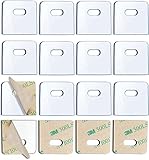
SOGEWO (16 Set/32 Pieces) Clear Vertical Blind Repair Tabs, Vertical Blinds tabs/Blind Fixers for Vertical Blinds Replacement Slats & Parts
