
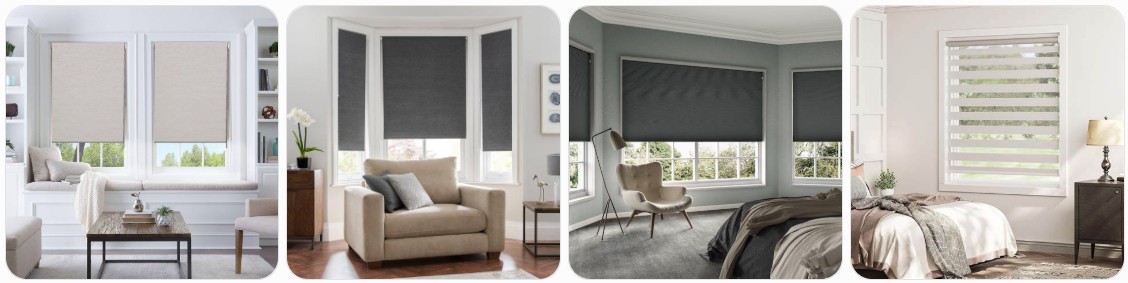
Privacy blinds are a smart choice when you want to block outside views without making your room feel completely closed off. They are useful for bedrooms, bathrooms, street-facing windows, offices, apartments, and any room where you want better comfort, light control, and everyday privacy.
- Table of Contents:
- Privacy Blinds At a Glance
- What Are Privacy Blinds? How Privacy Blinds Work?
- Privacy Blinds Pros and Cons
- Privacy Blinds Cost
- Where to Buy Privacy Blinds Online
- How to Find Privacy Blinds Stores Near You
- What to Check Before Buying Privacy Blinds
- Privacy Blinds Installation Options
- FAQ About Privacy Blinds
Privacy Blinds At a Glance
- Best for: Bedrooms, bathrooms, apartments, offices, street-facing rooms, living rooms, and windows facing neighbors.
- Main purpose: Blocks or reduces visibility from outside while still allowing practical light control inside the room.
- Common styles: Roller privacy blinds, Venetian blinds, zebra blinds, day and night blinds, cellular blinds, vertical blinds, faux wood blinds, and top-down bottom-up blinds.
- Privacy level: Depends on fabric opacity, slat angle, material thickness, color, window position, and whether lights are on indoors at night.
- Typical price range: Around $20 to $150+ per window for many ready-made privacy blinds, with custom or motorized options often costing more.
- Best budget choice: Basic cordless roller blinds, faux wood blinds, mini blinds, or room-darkening privacy blinds.
- Best premium choice: Custom cellular blinds, top-down bottom-up blinds, dual roller blinds, zebra blinds, or motorized privacy blinds.
- DIY friendly: Yes, many privacy blinds can be installed with basic measuring, brackets, screws, a drill, and a level.
- Important warning: Some light-filtering privacy blinds work well during the day but may show silhouettes at night when indoor lights are on.
What Are Privacy Blinds? How Privacy Blinds Work?
What Are Privacy Blinds?
Privacy blinds are window coverings designed to make it harder for people outside to see into your home. They are not always one single blind type. Instead, “privacy blinds” is a practical category that includes different blind styles chosen mainly for screening, coverage, and light control. You can compare this style category on the Privacy Blinds page for related guides, parts, and repair information.
The right privacy blind depends on the room and the type of privacy you need. For example, a bathroom may need a moisture-resistant blind that blocks views completely. A living room may need daytime privacy while still letting in natural light. A bedroom may need both privacy and darkness. An office may need glare reduction without making the room too dark.
Privacy blinds can be made from fabric, vinyl, PVC, aluminum, faux wood, real wood, woven material, or cellular fabric. Some provide full coverage when closed, while others use adjustable slats, layered fabrics, or sheer-and-solid stripes to balance light and privacy. If you want a quick online starting point, you can compare privacy blinds on Amazon to see common sizes, styles, materials, and price ranges.
How Privacy Blinds Work?
Privacy blinds work by blocking, diffusing, redirecting, or filtering the view through a window. A basic roller blind creates privacy by lowering a fabric panel over the glass. Venetian or faux wood blinds create privacy by tilting slats so people outside cannot easily see through the opening. Zebra and day-and-night blinds use alternating sheer and opaque fabric bands, allowing you to line up the solid sections for more privacy or open the bands for filtered light.
The privacy level also changes depending on the time of day. During daylight, many light-filtering blinds provide good privacy because the outside is brighter than the inside. At night, the effect can reverse. If your indoor lights are on and the outside is dark, thin or sheer privacy fabrics may show shadows or silhouettes. For bedrooms and bathrooms, room-darkening, blackout, faux wood, PVC, or layered privacy blinds are usually safer choices.
Mounting style matters too. Inside-mount blinds sit neatly inside the window recess, but small gaps at the side can reduce privacy. Outside-mount blinds cover beyond the window frame, which can improve privacy because they reduce side gaps. For maximum coverage, choose a blind that is wider and taller than the glass area when using an outside mount.

LazBlinds No Drill Cordless Cellular Shades, 22" W x 36" H, White
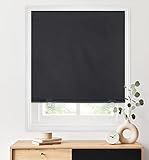
LazBlinds 100% Blackout Roller Shades, 36"x72", Black

Window Blinds Cordless No Drill Cut to Size Clip On Stick On Self Adhesive Temporary Blinds Pleated Paper Blinds for Windows Doors Shades for Home Nursery Bedroom Kitchen Bathroom
Privacy Blinds Pros and Cons
Pros of Privacy Blinds
- Improves home privacy: Helps block views from neighbors, sidewalks, roads, and nearby buildings.
- Good for street-facing rooms: Useful for living rooms, bedrooms, bathrooms, and apartments close to public areas.
- Flexible light control: Many styles let you adjust brightness without fully exposing the room.
- Available in many styles: You can choose roller, Venetian, vertical, zebra, cellular, faux wood, or blackout options.
- Budget options are easy to find: Basic privacy blinds are widely available online and in home improvement stores.
- Can reduce glare: Helps make TV screens, computers, and work areas more comfortable.
- Can improve comfort: Cellular, blackout, and thicker privacy blinds may also help with insulation and heat control.
- DIY installation is possible: Many ready-made privacy blinds include brackets and basic installation hardware.
- Works with different rooms: Choose moisture-resistant blinds for bathrooms, blackout blinds for bedrooms, and light-filtering blinds for living rooms.
Cons of Privacy Blinds
- Not all are private at night: Some sheer or light-filtering fabrics can show silhouettes when indoor lights are on.
- Side gaps can reduce privacy: Inside-mount blinds may leave small spaces where people can see in from an angle.
- Cheap materials may look plain: Budget vinyl or paper-style options may not suit every room design.
- Some styles block too much light: Blackout or room-darkening privacy blinds can make rooms feel darker during the day.
- Slatted blinds need cleaning: Venetian, mini, and faux wood privacy blinds can collect dust on each slat.
- Custom sizes cost more: Odd-sized windows, large windows, and made-to-measure blinds can increase the total price.
- Installation must be accurate: Poor measuring or uneven brackets can leave gaps, crooked blinds, or rough operation.
- Some fabrics are not moisture-friendly: Fabric privacy blinds may not be ideal for humid bathrooms unless designed for that use.
Privacy Blinds Cost: What Price Should You Expect?
Privacy blinds can cost anywhere from budget-friendly to premium depending on the material, size, brand, opacity, control type, and whether the blind is ready-made or custom. For a small standard window, basic privacy blinds may start around $20 to $40. Mid-range options often cost around $40 to $100 per window. Larger, custom, cellular, zebra, blackout, faux wood, or motorized privacy blinds can cost $100 to $300+ per window, especially when professional measuring and installation are included.
Ready-made privacy blinds are usually the cheapest option if your window matches a standard size. Custom privacy blinds cost more, but they usually fit better and reduce light gaps. This matters if privacy is the main reason you are buying the blind. For bathrooms, bedrooms, and front-facing windows, paying extra for better coverage can be worth it.
Installation can also change the total cost. DIY installation may only require basic tools, while professional fitting may add around $50 to $150+ per window depending on your area, window size, and project complexity. If you are buying blinds for several rooms, use a planning tool like the Blind Cost Estimator to compare size, quantity, blind type, installation, and upgrade costs before ordering.
- Basic ready-made privacy blinds: About $20 to $60 per window.
- Mid-range privacy blinds: About $60 to $150 per window.
- Custom privacy blinds: About $100 to $300+ per window.
- Motorized privacy blinds: About $150 to $500+ per window depending on motor, size, and smart features.
- Professional installation: Often around $50 to $150+ per window, but local pricing varies.
Where to Buy Privacy Blinds Online
Amazon is one of the easiest places to compare privacy blinds because you can quickly check standard sizes, cordless options, blackout fabrics, no-drill designs, faux wood blinds, zebra blinds, roller blinds, and temporary privacy shades. When shopping on Amazon, look closely at the product title and description. Some products are labeled “privacy” but are only light-filtering, which may not be private enough for bedrooms or bathrooms at night.
For stronger privacy, search for terms like room darkening privacy blinds, blackout privacy blinds, cordless privacy blinds, faux wood privacy blinds, top-down bottom-up blinds, and privacy roller shades. Also check customer photos because they often show how much light passes through the blind after installation.
Find Privacy Blinds from Amazon »
LazBlinds No Drill Cordless Cellular Shades, 22" W x 36" H, White
LazBlinds 100% Blackout Roller Shades, 36"x72", Black
Window Blinds Cordless No Drill Cut to Size Clip On Stick On Self Adhesive Temporary Blinds Pleated Paper Blinds for Windows Doors Shades for Home Nursery Bedroom Kitchen Bathroom
eBay can be useful if you are looking for discounted privacy blinds, replacement privacy blind parts, discontinued sizes, bulk lots, open-box blinds, or specific brands. It can also be a good place to find privacy blinds for rentals, temporary use, or low-cost rooms where you do not want to spend too much.
When buying privacy blinds on eBay, check whether the item is new, used, open-box, or custom cut. Confirm the exact width, drop, mount type, color, and included hardware before ordering. If the blind is used or open-box, make sure the brackets, screws, chain, wand, remote, or mounting clips are included, because missing parts can make installation harder.
Find Privacy Blinds from eBay »
- Blinds.com – Good for custom privacy blinds, cellular shades, faux wood blinds, roller shades, and room-by-room blind shopping.
- The Home Depot – Useful for ready-made and custom privacy blinds, including faux wood, vinyl, vertical, cordless, and blackout options.
- Lowe’s – Good for comparing privacy blinds by room, size, material, light control, and installation options.
- SelectBlinds – Good for made-to-measure privacy blinds, no-drill options, cellular shades, roller shades, and top-down bottom-up styles.
How to Find Privacy Blinds Stores Near You
The easiest way to find privacy blinds stores near you is to search for local window treatment shops, blind installers, home improvement stores, and custom blind dealers in your area. Search phrases like “privacy blinds near me,” “custom blinds near me,” “window treatment store near me,” “blackout blinds near me,” or “faux wood blinds installation near me.” You can also use a buying directory such as this guide to where to buy window blinds to compare different buying options before choosing a store.
Local stores are helpful when you want to see fabric opacity in person. This is important for privacy blinds because online photos do not always show how much visibility remains at night. A sample that looks private in daylight may not be private enough when the room lights are on. In-store shopping also helps you compare colors, slat thickness, headrail quality, and side-gap solutions.
When contacting a local store, ask whether they offer measuring, custom sizing, installation, repair, and replacement parts. If your main goal is privacy, tell them exactly where the window is located. A bathroom window, street-level bedroom, glass door, apartment balcony window, and office window may all need different privacy solutions.
- Search Google Maps for “privacy blinds near me” or “window blinds store near me.”
- Check local home improvement stores for ready-made privacy blinds in standard sizes.
- Ask custom blind shops if they offer free samples or in-home measuring.
- Look for stores that carry room-darkening, blackout, faux wood, cellular, and top-down bottom-up options.
- Read reviews that mention measuring accuracy, installation quality, and after-sales support.
- Ask whether the store can help reduce side gaps for better privacy.
- Compare at least two or three quotes if you are buying custom privacy blinds for multiple windows.
What to Check Before Buying Privacy Blinds
- Privacy level: Decide whether you need daytime privacy only, night privacy, full blackout privacy, or flexible privacy with light control.
- Room type: Bedrooms and bathrooms usually need stronger privacy than living rooms or offices.
- Fabric opacity: Check whether the blind is sheer, light-filtering, room-darkening, or blackout.
- Night visibility: Make sure the blind will not show silhouettes when indoor lights are on.
- Mount type: Outside mount usually gives better privacy because it covers more of the window frame and reduces side gaps.
- Window measurements: Measure width and height carefully in multiple places before ordering.
- Side gaps: Check how much space will remain at the sides after installation, especially for roller blinds.
- Material: Choose moisture-resistant PVC, vinyl, faux wood, or aluminum for bathrooms and kitchens.
- Light control: Slatted blinds and zebra blinds offer adjustable light, while blackout roller blinds provide stronger coverage.
- Cleaning: Faux wood and vinyl are usually easier to wipe than delicate fabrics.
- Child safety: Cordless privacy blinds are safer and cleaner-looking than exposed cord systems.
- Hardware included: Confirm that brackets, screws, clips, valance, wand, chain, or remote controls are included.
- Return policy: Custom-cut blinds may not be returnable, so double-check measurements before ordering.
- Color: Darker colors may improve room darkening, while lighter colors can keep the room brighter but may show more shadows.
- Long-term repair: Check whether replacement parts are easy to find for the blind style you choose.
Privacy Blinds Installation Options: DIY vs Professional Fitting

Privacy blinds can be installed by DIY users or by professional fitters. The best option depends on the size of the window, the type of blind, your tools, and how important perfect coverage is. If you are installing one simple ready-made roller blind in a standard window, DIY installation may be enough. If you are fitting several windows, large blinds, heavy faux wood blinds, motorized blinds, or privacy blinds in a bathroom or bedroom where gaps matter, professional fitting may be worth the extra cost.
DIY installation is usually cheaper. Most privacy blinds come with brackets, screws, and basic instructions. You will usually need a measuring tape, pencil, drill, screwdriver, level, and possibly wall plugs depending on the surface. The most important step is accurate measuring. A small mistake can leave gaps, make the blind rub against the frame, or stop the blind from operating smoothly.
Professional fitting costs more, but it can save time and reduce mistakes. A professional installer can recommend inside mount or outside mount, check for uneven frames, handle large windows, and install multiple blinds evenly. This is especially useful for custom privacy blinds because incorrect measuring can be expensive.
- DIY installation is best if: You have standard-size windows, basic tools, simple brackets, and a lightweight ready-made blind.
- Professional fitting is best if: You have large windows, awkward frames, custom blinds, motorized blinds, or need the best possible privacy coverage.
- Inside mount: Looks neat and built-in, but may leave small side gaps.
- Outside mount: Covers more of the window and is often better for privacy.
- No-drill installation: Useful for renters, but check weight limits and whether the blind fits tightly enough for privacy.
- Motorized installation: May require extra setup for charging, remotes, apps, smart-home pairing, or hardwiring.
FAQ About Privacy Blinds
Are privacy blinds the same as blackout blinds?
No. Privacy blinds are designed to block or reduce outside views, while blackout blinds are designed to block light. Some blackout blinds also work very well as privacy blinds, but not all privacy blinds are fully blackout.
Can people see through privacy blinds at night?
It depends on the material. Thin, sheer, and light-filtering blinds may show shadows or silhouettes at night when indoor lights are on. For night privacy, choose room-darkening, blackout, faux wood, PVC, or tightly closed slatted blinds.
What type of privacy blinds are best for bathrooms?
Moisture-resistant privacy blinds are best for bathrooms. PVC, vinyl, faux wood, aluminum, and some waterproof roller blinds are usually better choices than delicate fabric blinds.
What privacy blinds let light in but stop people seeing inside?
Light-filtering roller blinds, top-down bottom-up cellular blinds, zebra blinds, day and night blinds, and sheer privacy blinds can provide daytime privacy while allowing light in. For night use, choose a stronger privacy fabric or layer them with curtains.
Are top-down bottom-up blinds good for privacy?
Yes. Top-down bottom-up blinds are one of the best options for privacy because you can cover the lower part of the window while keeping the top open for daylight.
Are Venetian blinds good for privacy?
Yes, Venetian blinds can be good for privacy because the slats tilt to block views while still allowing some light control. For best privacy, tilt the slats fully closed and choose a good fit with minimal side gaps.
Are zebra blinds good for privacy?
Zebra blinds are good for flexible daytime privacy because the solid and sheer fabric bands can be adjusted. However, they may not provide full night privacy unless the opaque sections overlap well and the fabric is thick enough.
Should privacy blinds be inside mount or outside mount?
Outside mount is usually better for privacy because it covers more area around the window and reduces side gaps. Inside mount looks cleaner, but small gaps may remain around the edges.
What color privacy blinds are best?
White and light colors keep rooms brighter and suit most interiors, while darker colors can improve room darkening and reduce glare. For maximum privacy, material opacity and fit usually matter more than color alone.
How much do privacy blinds cost?
Many ready-made privacy blinds cost around $20 to $150 per window. Custom, cellular, faux wood, blackout, top-down bottom-up, or motorized privacy blinds can cost $100 to $500+ per window depending on size and features.
Can I install privacy blinds myself?
Yes, many privacy blinds are DIY-friendly if you measure carefully and follow the installation instructions. Professional installation is better for large windows, custom blinds, motorized blinds, or rooms where side gaps must be minimized.
What are the best privacy blinds for apartments?
Good apartment options include cordless roller blinds, no-drill privacy blinds, top-down bottom-up cellular blinds, zebra blinds, and faux wood blinds. Renters should check lease rules before drilling into walls or window frames.
Summary
Privacy blinds are a practical way to make your home feel more comfortable, secure, and private. The best choice depends on where the window is, how much privacy you need, and whether you want daylight, blackout coverage, moisture resistance, or flexible slat control. For budget rooms, ready-made roller, mini, faux wood, or vinyl blinds can work well. For better coverage and a cleaner fit, custom privacy blinds, top-down bottom-up blinds, cellular blinds, zebra blinds, or blackout blinds may be worth the extra cost. Before buying, always check fabric opacity, night privacy, measurements, side gaps, mounting style, installation requirements, and return policy.

60 PCS Vertical Blind Repair Tabs Kit Clear Fixer Verticle Blinds Snap in Replacement Slats Parts Panels

30 Sets (60 Pcs) Vertical Blinds Replacement Slats Panels, Vertical Blind Repair Tabs Kit, Clear Apartment Blinds Replacement Fixers, Horizontal Blinds Replacement Parts
