
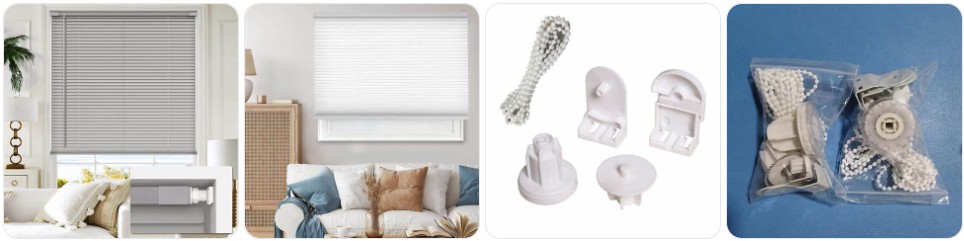
Cordless Blinds are popular because they look cleaner, feel safer around children and pets, and remove the need for visible lift cords, but that also means the internal lift system, tension mechanism, spring hardware, and bottom-rail controls do more of the work. The quick answer is that a broken cordless blind often does not need to be replaced completely if the slats or fabric are still in good condition and the problem is limited to the internal mechanism, lift strings, broken handle, mounting brackets, or a small headrail part. In many cases, a repair such as restringing the blind, replacing a damaged handle, rebalancing the lift system, or swapping out worn brackets is much cheaper than buying a whole new blind. If you want to compare likely parts while diagnosing the problem, it helps to look at cordless blind repair kits, cordless blind handle replacements, and blind replacement parts.
Fix Common Cordless Blind Problems & Repair Cost
Cordless blind will not stay up: This is one of the most common cordless blind failures and usually points to a worn internal spring system, damaged lift strings, or a headrail mechanism that is no longer holding tension properly. Because cordless blinds rely on an internal control system rather than an exposed pull cord, the blind can start drifting downward even when the slats or fabric still look fine. In many cases, restringing or repairing the headrail hardware is the main fix. Small repair parts are often in the range of about $5 to $25, while a more involved headrail repair can run closer to $15 to $40 depending on the style. Looking at cordless blind repair kits and blind string replacement kits can help you match the most likely fix. Do not keep jerking the bottom rail upward if the blind is slipping, because that can damage the internal mechanism further.
The blind raises unevenly or hangs crooked: Cordless blinds need balanced lift tension on both sides, so if one side rises faster than the other or the bottom rail sits crooked, the usual cause is a stretched or disconnected internal string, uneven routing, or a damaged lift support inside the headrail. This is often repairable by restringing, rebalancing the blind, or replacing a small part rather than the whole unit. If the blind material is still in good condition, this is usually one of the better repairs to tackle first.
The bottom rail is hard to grip or the handle is broken: Many cordless blinds use a built-in pull handle or shaped bottom rail for lifting and lowering. If that piece cracks or comes loose, daily use becomes awkward and users often start tugging the blind unevenly, which can create bigger mechanical problems. A handle or bottom-rail grip replacement is often a simple, low-cost repair. Searching cordless blind handle replacements can help if the mechanism still works but operation feels clumsy.
The blind sticks partway or feels rough when moving: This usually means the internal strings are dragging, the headrail mechanism is worn, or the blind is no longer moving evenly in its supports. On cordless cellular, pleated, or mini-blind styles, even a small internal problem can make the blind feel much rougher than normal. If the blind still works some of the time, a targeted repair may still be enough.
The mounting brackets or headrail ends are damaged: Sometimes the cordless system itself is fine, but the blind has started loosening from the window because the brackets, clips, or end caps are cracked or bent. This is often one of the simplest and cheapest repairs, especially if the blind body still looks good. Comparing blind mounting brackets can help you identify a replacement before reinstalling the same blind.
Cordless Blind Repair Kit
A cordless blind repair kit is most useful when the problem is in the internal lift system, headrail hardware, or small operating parts rather than in the full blind body. Because cordless blinds hide most of their working parts inside the headrail and bottom-rail system, the actual failed part is often much smaller than the visible problem suggests. A good cordless blind repair kit may include restringing supplies, replacement strings, small internal hardware, handles, support clips, mounting parts, and other components that help restore lifting and lowering without changing the full blind.
It is worth checking kit photos carefully because many products are sold under broader terms like cordless mini blind, cordless cellular shade, or cordless shade repair kit rather than under one universal cordless-blind label. If your blind has only one obvious issue, buying that exact part may be cheaper. But if the blind is slipping, lifting unevenly, and already has worn hardware at the bracket or handle, a broader cordless blind repair kit can make the job easier and more consistent. For cordless blinds, matching the internal lift style is just as important as matching the visible blind type.

joytrace RV Pleated Shade Repair Kit, RV Window Shade Restringing Kit, Repair and Maintain of Day Night Pleated Shade (White)

Windyun 110 Yards 1.8mm Blind Cord with 12 Wood Knobs, White | Braided Lift Shade String for Roman Blind, Wood Pull Knobs for Curtain Repair, Durable for Window Shade DIY Projects

60 PCS Vertical Blind Repair Tabs Kit Clear Fixer Verticle Blinds Snap in Replacement Slats Parts Panels
Signs Your Cordless Blind Need Repair
- The blind slips back down after you raise it: This usually means the internal tension system or lift hardware is worn. Checking cordless blind repair kits is a smart first step if the blind will not hold its position.
- One side hangs lower than the other: On a cordless blind, that often points to uneven internal strings, a disconnected support point, or a lift mechanism that is no longer balanced correctly.
- The blind feels rough or jerky when moving: Cordless blinds should move smoothly. If the motion has become rough, the headrail hardware or string path may be wearing out.
- The bottom rail handle is cracked or loose: A damaged handle may seem minor, but it often leads to uneven pulling that puts extra strain on the whole cordless system. Looking at cordless blind handle replacements can help prevent bigger issues.
- The blind stops halfway or catches at the same point: This usually means an internal part is dragging or one side of the blind is no longer moving in sync with the other.
- The headrail still looks fine, but the blind no longer lifts properly: This is a common cordless-blind problem because most of the working parts are hidden. The issue is often mechanical rather than cosmetic.
- The brackets or end fittings are loose or broken: If the blind is pulling away from the window, the fault may be in the mounting hardware rather than the lift system itself.
- The blind body still looks good, but operation keeps getting worse: This is often the best time to repair a cordless blind before the strain spreads to more internal parts.
Tools You May Need to Repair Cordless Blind
- Small screwdriver set: A precision screwdriver set is useful for opening the headrail, removing end caps, and adjusting compact cordless-blind hardware.
- Needle-nose pliers: A pair of needle-nose pliers helps with handling small lift strings, clips, and headrail parts without damaging them.
- Replacement lift string or restringing cord: If the blind hangs unevenly or will not stay balanced, matching blind string replacement kits are often among the most important repair items to have ready.
- Replacement handle or bottom-rail grip: If the blind still works but is hard to operate, a new cordless blind handle may be enough to restore easier everyday use.
- Mounting brackets or end caps: Broken brackets are a common reason cordless blinds feel unstable. Looking at blind mounting brackets can help if the blind is loose at the window.
- Stringing needle or threading tool: A beading needle or similar threading tool makes it easier to route replacement strings through the blind body and bottom rail.
- Measuring tape: A measuring tape helps you check bracket spacing, blind width, and replacement string length before you order parts.
- Soft cloth or work surface protection: Cordless blinds often need to be laid flat during repair, so protecting the slats, fabric, or headrail while you work is a good idea.
Should You Repair or Replace Your Broken Cordless Blind?
Repairing a broken cordless blind usually makes sense when the slats or fabric still look good and the main problem is clearly limited to the internal lift strings, headrail mechanism, handle, or mounting hardware. Because cordless blinds often fail in small hidden parts rather than in the visible blind body, a relatively minor repair can make the entire blind feel new again. In that situation, replacing the failed part is usually much cheaper than replacing the whole blind, especially if you only need a new handle, restringing kit, or bracket set. Comparing a cordless blind repair kit with the cost of a new blind often shows that repair is the better value.
Replacement becomes the better option when the blind has several problems at once, the slats or fabric are badly damaged, the headrail is bent, or the internal mechanism is so worn that matching the parts would take too much trial and error. It can also make sense to replace the blind if it was a low-cost ready-made model and the repair would approach the price of a new unit. A quick comparison between cordless blind options and the parts you need can make the decision easier. In many cases, though, cordless blinds are very repairable when the issue is concentrated in the hidden operating hardware rather than in the full blind body.
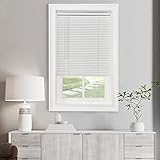
Cordless Light Filtering Mini Blinds for Indoor, 34 x 64 in, Pearl White | Cordless Lift and Light-Filtering Control: Slat-Based Blind Construction with Adjustable Light Control.
Cordless Light Filtering Mini Blinds for Indoor, 29 x 64 in, Pearl White | Cordless Lift and Light-Filtering Control: Slat-Based Blind Construction with Adjustable Light Control.
Tips to Make Your Cordless Blind Last Longer
- Raise and lower the blind gently: Cordless systems rely on balanced internal parts, so sudden pulling puts more strain on the lift hardware than smooth, even movement.
- Use the handle or bottom rail evenly: Pulling only one corner can throw off the internal balance and cause the blind to hang crooked over time.
- Do not force a stuck blind: If the blind catches or stops halfway, inspect the mechanism before pulling harder. Forcing it can damage hidden parts that are harder to replace.
- Check brackets and end fittings regularly: A loose mounting point can make the whole blind feel faulty even when the internal lift system is still fine.
- Keep the headrail reasonably clean: Dust buildup around the moving parts can add friction over time, especially on frequently used cordless blinds.
- Replace small worn parts early: A cracked handle or tired bracket is much cheaper to fix than a blind that has been strained by repeated uneven use.
- Support the blind properly during removal or cleaning: Letting a cordless blind twist or drop unevenly can create internal string and headrail problems that did not exist before.
- Inspect operation before minor issues become major ones: When a cordless blind starts slipping, hanging unevenly, or feeling rough, early repair is usually the most affordable option.
Cordless Blind Repairs FAQ
What usually breaks on a cordless blind?
The parts that fail most often are the internal lift strings, spring or tension hardware, handles, brackets, and small headrail components. On cordless blinds, the hidden operating parts usually wear out before the visible blind body does.
Can I fix a cordless blind that will not stay up?
Yes, in many cases. The most common cause is a worn internal tension system or damaged lift string. If the slats or fabric are still in good condition, replacing or repairing those parts is often enough to restore normal use.
Is a cordless blind repair kit worth buying?
It can be, especially when the blind has more than one small hardware issue. A cordless blind repair kit is often easier than sourcing strings, handles, and small hardware one part at a time.
Why does my cordless blind hang crooked?
This usually means the internal lift strings are uneven, one side has slipped, or the headrail mechanism is no longer lifting both sides at the same rate. Because cordless blinds depend on balanced internal tension, even a small difference can show up clearly.
Can I replace just the handle or bottom-rail grip?
Yes, if the rest of the blind still works properly. Replacing a broken handle can be a worthwhile repair when the problem is mainly ease of use rather than the full lift system.
How much does it usually cost to repair a cordless blind?
Minor repairs such as brackets, handles, or restringing supplies are often relatively inexpensive, usually around $5 to $25 in parts. Larger repairs involving the internal headrail system can cost more, but they may still be cheaper than a full replacement.
Should I repair or replace a cordless blind with several issues?
If the blind body is still in good condition and the parts are easy to match, repair can still make sense. If the blind has a worn mechanism, damaged slats or fabric, and loose hardware all at the same time, replacement is often the better choice.
Can cordless blind parts be hard to match?
Sometimes, yes. Cordless systems vary by brand and blind style, so it helps to inspect the headrail, measure carefully, and compare the failed part before ordering replacements.
60 PCS Vertical Blind Repair Tabs Kit Clear Fixer Verticle Blinds Snap in Replacement Slats Parts Panels

Vertical Blinds Replacement Stem and Gear Used for Headrail, Carrier Stem Vertical Blinds Curtain Accessories(12 Sets)
