
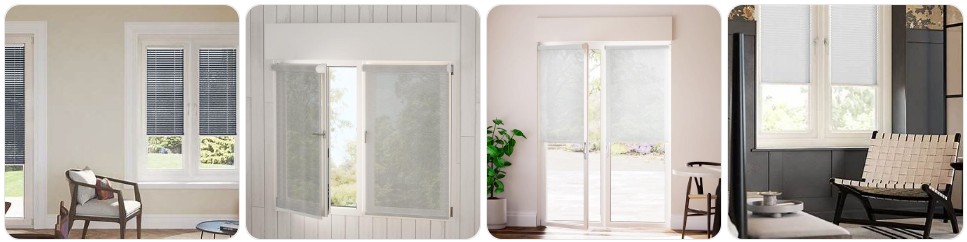
If you need to remove clip-fit blinds without damaging the no-drill fittings, frame clips, or blind body, the safest approach is to release the blind evenly, support the frame or headrail with one hand, and avoid prying the clips too aggressively against the window frame. Clip-fit blinds are designed for easy installation without drilling, but that also means the fitting points can be more sensitive if the blind is twisted or pulled out at the wrong angle during removal. This guide walks through how to take down clip-fit blinds step by step while protecting the clip system, mounting brackets, side fittings, and blind fabric or slats. If you think you may need replacement hardware afterward, it also helps to review Clip-Fit blind parts before you begin.
What You Need Before Removing Clip-Fit Blind
- A stable step stool or ladder: Even though clip-fit blinds are easier to remove than many drilled-in systems, you still need steady access so you can release the fittings without pulling the blind sideways.
- A small flat-head screwdriver: Some clip-fit systems have tight clip tabs or retaining sections that are easier to lift carefully with a precision screwdriver set.
- Needle-nose pliers: A pair of needle-nose pliers can help if a clip is tight or if a small retaining piece is awkward to grip by hand.
- A soft cloth or towel: Once the blind is down, place it on a clean surface so the blind frame, slats, or fabric panel does not get scratched or marked.
- A small container for clips and covers: Clip-fit systems can include small covers, brackets, tension pieces, or clip inserts that are easy to lose during removal.
- A soft tie or strap: If the blind uses fabric or a movable lower rail, a soft tie helps keep everything together after removal without crushing the material.
- Optional replacement parts on hand: If the blind already feels loose or one fitting looks worn, it may help to compare Clip-Fit blind parts, no-drill blind brackets, or blind mounting clips before you start.
Clip-Fit Blind Removal Guide
Clip-fit blind removal is usually easier than removing a drilled-in blind, but the clips still need to be handled carefully because they are designed to grip tightly around the frame or fitting point. The safest method is to identify where each clip locks into place, release the pressure gradually, and support the blind evenly so it does not twist or snap one side free before the other. Avoid forcing the blind outward too early, because that is the quickest way to crack a plastic clip or bend a lightweight frame-mounted fitting.
- Lower or secure the blind first: If the blind has a movable fabric section, slatted body, or lower rail, set it in a stable position so it does not swing or drop while you work on the clips.
- Inspect how the blind is attached: Clip-fit blinds can use top clips, side clips, frame tabs, or integrated no-drill brackets. Look carefully at the top and sides before pulling on anything.
- Remove any front cover or decorative cap: Some clip-fit systems hide the fitting point behind a small trim piece or snap-on cover. Remove that first so you can see the actual release point.
- Support the blind with one hand: Before releasing the first clip, hold the blind frame, headrail, or upper body firmly so it does not shift suddenly when the clip loosens.
- Release the first clip gently: Use your fingers or a small screwdriver to lift the tab or disengage the clip. Work slowly so you do not crack the fitting or mark the window frame.
- Loosen one side without fully dropping the blind: Once the first clip is free, keep the rest of the blind supported. Do not let one side hang by the remaining clips, because that can strain the other fittings.
- Release the remaining clips one at a time: Move across the top or sides evenly, freeing each clip while keeping the blind level. Wider clip-fit blinds may have more than two main fixing points.
- Lift or pull the blind away in the correct direction: Some clip-fit blinds lift upward and away, while others pull forward after the clips release. Follow the natural movement of the fitting instead of twisting the blind free.
- Set the blind down on a clean surface: Once removed, place it flat or upright in a protected area so the frame, slats, or fabric does not bend or snag.
- Inspect the clips and fittings immediately: Check whether any clip is cracked, loose, or misshapen. If needed, compare blind mounting clips, no-drill blind brackets, and Clip-Fit blind repair kits before reinstalling the same blind.

Leinuosen 12 Pieces Vertical Blind Clips Stems Replacement Parts | Vertical Blind Carrier Stems, 8 mm Head, Replacement Parts for 3-1/2 or 5 Inch Vertical Blind Vanes, Headrail Accessories
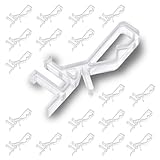
20 PCS Hidden Channel Valance Clips, 1-7/8 Inch Blind Clips for Valance with a Groove in The Back

2" Blinds Valance Clips for Graber/Bali/Springs Wood and Fauxwood Blinds | 6 Sets Clear Window Blind Clip for 2" Horizontal Blinds,Graber Bali Blinds Replacement Parts, Hidden Invisible Design.
Common Problems When Taking Down Clip-Fit Blind
- The clip will not release: Many clip-fit blinds use tight snap-in fittings that can feel stuck. Check for a hidden locking tab before trying to force the clip open.
- One side comes loose before the other: This often happens when the blind is not supported evenly. Keep the blind level so the remaining clips are not put under extra strain.
- A plastic clip bends or cracks: Older no-drill fittings can become brittle over time. If that happens, it may help to compare replacement mounting clips before reinstalling the blind.
- The frame or trim catches on the window bead: Some clip-fit systems sit very tightly against the window frame, so the blind may need to lift or angle out in a specific direction rather than pulling straight forward.
- The blind shifts suddenly when the first clip releases: This is common if the blind is wider than expected or if one side is supporting too much weight. Supporting the blind before release makes removal safer.
- Small fitting covers fall off and get lost: Decorative covers and clip inserts are easy to misplace during removal, which is why it helps to keep a small container nearby from the start.
- The blind is down, but the clips already look worn: This is actually useful to discover now because it tells you whether the problem was just removal difficulty or whether the hardware really needs replacing.
What to Do After Removing Clip-Fit Blind
- Lay the blind on a clean surface: Whether the blind uses slats, fabric, or a slim frame-mounted insert, keep it on a protected surface so it does not get scratched or bent.
- Check every clip and bracket carefully: This is the best time to see whether the fittings still grip properly or whether one has become loose or distorted. If needed, compare no-drill blind brackets and mounting clips.
- Clean the blind and the fitting area: Dust and debris around the frame or clip points can make installation and removal harder than necessary, so this is a good time to wipe both the blind and the window fitting points.
- Store the blind and fittings together: Keep the covers, inserts, and clips with the blind so nothing goes missing before reinstallation.
- Protect fabric or slats during storage: If the blind uses delicate fabric or narrow slats, avoid leaning heavy objects against it after removal.
- Decide whether to repair or replace: If the clips are worn, the blind frame is loose, or the blind no longer sits securely, compare Clip-Fit blind options with the cost of replacement fittings before reinstalling.
- Label the parts if you removed more than one blind: Clip-fit systems can look similar, so keeping each blind with its own fittings will make reinstallation much easier later.
20 PCS Hidden Channel Valance Clips, 1-7/8 Inch Blind Clips for Valance with a Groove in The Back
Leinuosen 12 Pieces Vertical Blind Clips Stems Replacement Parts | Vertical Blind Carrier Stems, 8 mm Head, Replacement Parts for 3-1/2 or 5 Inch Vertical Blind Vanes, Headrail Accessories

10 PCS 1-7/8 Inches Plastic Valance Clips - Replacement Clips for Window Blinds, Fits Wooden Valances
Clip-Fit Blind Removal FAQ
Do I need tools to remove a Clip-Fit blind?
Sometimes you can remove one by hand, but a small screwdriver often makes it easier to release tight clip tabs cleanly without damaging the fitting.
Are Clip-Fit blinds easier to remove than drilled blinds?
Usually, yes. Clip-fit systems are designed for simpler fitting and removal, but the clips still need to be released carefully so they do not crack or bend.
Why will my Clip-Fit blind not come off the frame?
The most common reasons are a hidden locking tab, a tight snap-fit bracket, or removing the blind in the wrong direction. Checking how the clip actually releases is usually the key.
Can I reuse the same clips after removing the blind?
Yes, as long as the clips are still secure and not cracked, bent, or loose. If they look worn, replacement is often the safer option before reinstalling the blind.
What if one clip breaks during removal?
That can happen with older plastic fittings. In most cases, the best fix is to replace the damaged clip before putting the blind back up rather than trying to reuse broken hardware.
Can I reinstall the same Clip-Fit blind after taking it down?
Yes, if the blind body and fittings are still in good condition. Removing the blind is also a useful chance to inspect the clips and clean the fitting points before reinstalling.
Do Clip-Fit blinds damage window frames when removed?
Not usually, if they are removed carefully. The main risk comes from prying too hard with a tool or twisting the blind against the frame instead of releasing the clips properly.
Is it worth replacing worn Clip-Fit hardware?
Yes, especially if the blind still looks good and the only issue is in the fittings. Replacing clips or no-drill brackets is often much cheaper than replacing the full blind.
Summary
Removing clip-fit blinds safely is mostly about identifying how the no-drill clips release, supporting the blind evenly, and avoiding the temptation to force one side free too early. Once the blind is down, you can inspect the clips, covers, and fitting points, clean the hardware, and decide whether the same blind is ready to go back up or needs replacement fittings first. If the removal turns into a repair project, it also helps to review repair Clip-Fit blinds before reinstalling the blind.

60 PCS Vertical Blind Repair Tabs Kit Clear Fixer Verticle Blinds Snap in Replacement Slats Parts Panels

joytrace RV Pleated Shade Repair Kit, RV Window Shade Restringing Kit, Repair and Maintain of Day Night Pleated Shade (White)
