

Window blinds are widely available in the Philippines through specialist manufacturers, local installers, home-improvement retailers, online marketplaces, and made-to-measure suppliers. Roller, combi, Venetian, vertical, faux-wood, blackout, and motorized blinds are among the most common options. Prices can start below ₱1,000 for simple ready-made blinds, while custom blinds for an entire condo, house, or office can cost tens of thousands of pesos. This guide explains the main types, expected prices, where to buy them, and how to arrange installation or repairs. You can also review these places to buy window blinds when comparing Philippine stores with online sellers.
Types of Window Blinds Available in Philippines & Average Cost
Philippine buyers can choose from inexpensive ready-made blinds and fully customized systems measured and installed by a local supplier. The final price normally depends on the width and height of each window, fabric grade, control system, frame material, blackout performance, installation difficulty, and project location.
The estimates below are practical shopping ranges rather than fixed quotations. Metro Manila suppliers commonly quote custom blinds after an ocular visit or after receiving exact window measurements and photos. Provincial delivery, difficult installations, unusually high windows, motorization, and premium imported fabrics can increase the price.
- Roller blinds: Roller blinds are one of the most common choices for Philippine condos, offices, clinics, schools, and houses because they are simple, modern, and easy to wipe clean. Sunscreen fabric works well where daytime glare is the main concern, while blackout fabric is better for bedrooms and media rooms. Expect approximately ₱900 to ₱3,500 per standard window, with large custom or premium blackout blinds commonly costing more.
- Blackout roller blinds: These use thicker room-darkening fabric and are popular in bedrooms, nurseries, hotels, call centers, and west-facing rooms exposed to strong afternoon sun. Basic ready-made products may cost about ₱1,000 to ₱2,500, while custom fitted blackout blinds may cost around ₱2,000 to ₱6,000+ per window.
- Combi or zebra blinds: Combi blinds use alternating sheer and opaque fabric bands that can be aligned for daylight or privacy. They are especially popular in contemporary Philippine condos and offices. Typical custom prices can fall around ₱1,800 to ₱5,500 per window, depending on fabric, window size, cassette design, and supplier.
- Venetian Blind: Venetian blinds use horizontal aluminum, PVC, faux-wood, or wood slats that tilt for adjustable privacy and light control. Aluminum mini blinds may start at around ₱700 to ₱2,500, while larger faux-wood or real-wood Venetian blinds can cost approximately ₱2,500 to ₱10,000+ per window.
- Vertical blinds: Vertical blinds remain common for office windows, clinics, conference rooms, sliding doors, and wide glass panels. PVC vertical blinds are practical and easy to clean, while fabric vanes provide a softer finish. Expect approximately ₱1,500 to ₱5,500 per opening, with large commercial glass walls costing more.
- Faux-wood blinds: Faux-wood blinds provide the appearance of wood while handling Philippine humidity better than many natural-wood products. They are suitable for living rooms, bedrooms, kitchens, and air-conditioned offices. Prices often range from around ₱2,500 to ₱8,000+ per window.
- Real-wood blinds: Real-wood blinds offer a premium finish for dry, air-conditioned interiors, executive offices, dining rooms, and upscale residences. They are usually more expensive and should be protected from persistent moisture. Prices may range from approximately ₱4,000 to ₱15,000+ per window.
- Roman shades: Roman shades use fabric that folds into soft horizontal sections when raised. They suit bedrooms, dining rooms, boutique hotels, and homes that need a more decorative appearance. Custom Roman shades commonly cost around ₱2,500 to ₱8,000+ per window.
- Pleated and cellular blinds: Pleated blinds use folded fabric, while cellular blinds have insulating honeycomb pockets. They are less common than roller blinds but can be useful for heat control and compact window coverage. Prices may range from around ₱2,000 to ₱7,500+ per window.
- Bamboo and woven blinds: Bamboo blinds are popular for tropical interiors, balconies, patios, cafés, resorts, native-inspired rooms, and covered outdoor areas. Basic roll-up bamboo blinds can cost around ₱500 to ₱2,500, while customized woven shades may cost ₱2,000 to ₱6,000+.
- Motorized blinds: Motorized roller, zebra, or curtain systems are used in premium homes, boardrooms, high windows, hotels, and smart-home projects. Depending on the motor, remote, wiring, fabric, and size, expect approximately ₱8,000 to ₱30,000+ per blind.
- Temporary or adhesive blinds: Temporary pleated and stick-on blinds are inexpensive options for renters, dormitories, newly occupied condos, or rooms awaiting custom blinds. These may cost around ₱300 to ₱1,500 per panel, but they generally offer less durability than permanently fitted blinds.
For small ready-made products and replacement accessories, you can compare window blinds on Amazon, blackout roller blinds, window blind replacement parts, and motorized window blinds. Check whether the seller ships to the Philippines and calculate import charges before ordering.
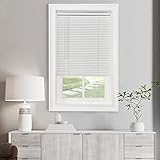
Cordless Light Filtering Mini Blinds for Indoor, 34 x 64 in, Pearl White | Cordless Lift and Light-Filtering Control: Slat-Based Blind Construction with Adjustable Light Control.

LOTUS & WINDOWARE Cordless Faux Wood Blinds, 35" Wide x 60" Long, Smooth, Snow White, 2 Inch Horizontal Blinds – for Living Room, Bedroom, Interior Door Windows
Where to Buy Window Blinds in Philippines (Online Stores and Local Shops)
For ready-made blinds, shoppers can use large home-furnishing stores and online marketplaces. For custom blinds, a Philippine specialist is often the better choice because measurement, fabrication, delivery, and fitting can be included in one quotation. Always ask whether the quoted price includes brackets, accessories, VAT, delivery, installation, and warranty service.
- DS Windows & Walls Interior Supply
- Main office: 303 M.G. Building, 150 Amorsolo Street, Legaspi Village, Makati City. Additional listed branches include Waltermart Makati, Robinsons Metro East in Pasig, and Pacific Mall in Lucena. Visit the DS Windows website.
- Contact: (02) 8403-3262, (02) 8668-9668, telefax (02) 8893-1373, or
- Hours: Store and office hours are not clearly published on the main contact page; call before visiting.
- Blinds & Decors Philippines
- 2403 Pioneer Highland Tower 3, Pioneer Street, Barangka Ilaya, Mandaluyong City 1550. Visit the Blinds & Decors Philippines website.
- Contact: 0928 552 5443 for window coverings; older published contact information also lists (02) 955-6181 and
- Hours: Contact the company to arrange a consultation, showroom visit, measurement, or installation schedule.
- Blue Star Interiors Inc.
- Unit E 1502B, Philippine Stock Exchange Centre, Exchange Road, Ortigas Center, Pasig City. Visit the Blue Star Interiors website.
- Contact: 0917 807 5543
- Hours: Call or message first to confirm office hours and arrange measurement or product consultation.
- IKEA Pasay City
- Marina Way, Mall of Asia Complex, Pasay City, Metro Manila 1300. Browse the IKEA Philippines blinds selection.
- Contact: IKEA Philippines customer service is available through its official WhatsApp and online contact channels.
- Hours: Monday-Friday, 10:00 AM-10:00 PM; Saturday-Sunday, 9:30 AM-10:00 PM.
- RMB Blinds & Curtains
- Molino Road, Bacoor, Cavite, Philippines. Visit the RMB Blinds & Curtains website.
- Contact: 0905 313 8943 or
- Hours: Monday-Saturday, 8:00 AM-5:00 PM.
- Lazada Philippines
- Online marketplace: search for window blinds on Lazada Philippines.
- Contact: Use the individual seller’s chat and Lazada customer-support system.
- Hours: Online ordering is available at any time; seller-response times vary.
- Shopee Philippines
- Online marketplace: search for window blinds on Shopee Philippines.
- Contact: Contact each seller through Shopee chat before ordering custom sizes.
- Hours: Online ordering is available at any time; shop operating and dispatch schedules vary.
Window Blinds Installation & Repair Services in Philippines
Many Philippine blind suppliers provide free or discounted installation when the blinds are purchased directly from them and the order reaches a minimum amount. Repair-only service is less standardized, so ask whether the company repairs products purchased elsewhere and whether it can supply replacement chains, brackets, carriers, cords, motors, slats, or fabric.
- DS Windows & Walls Interior Supply
- 303 M.G. Building, 150 Amorsolo Street, Legaspi Village, Makati City
- Contact: (02) 8403-3262, (02) 8668-9668, telefax (02) 8893-1373, or
- Hours: Call for an appointment. The company advertises measurement, custom manufacturing, delivery, installation, and post-sales support. Its website states that installation may be free for qualifying blind orders within Metro Manila.
- Blinds & Decors Philippines
- 2403 Pioneer Highland Tower 3, Pioneer Street, Barangka Ilaya, Mandaluyong City 1550
- Contact: 0928 552 5443; published telephone number (02) 955-6181
- Hours: Consultation and project visits are generally arranged by appointment. Services include supply and installation of roller, combi, vertical, Venetian, faux-wood, aluminum, and motorized blinds.
- Blue Star Interiors Inc.
- Unit E 1502B, Philippine Stock Exchange Centre, Exchange Road, Ortigas Center, Pasig City
- Contact: 0917 807 5543
- Hours: Call before visiting. The company advertises measurement, manufacturing, assembly, installation, motorized blinds, and warranty support.
- RMB Blinds & Curtains
- Molino Road, Bacoor, Cavite, Philippines
- Contact: 0905 313 8943 or
- Hours: Monday-Saturday, 8:00 AM-5:00 PM. Listed services include on-site measurement, professional installation, motorization setup, and curtain and blind maintenance.
- Local independent blind technicians
- Available throughout Metro Manila, Cebu, Davao, Cavite, Laguna, Bulacan, Rizal, Pampanga, and other major areas; addresses vary by technician.
- Contact: Search Google Maps, Facebook Marketplace, local Facebook home-improvement groups, or service platforms using terms such as “blind repair,” “roller blind repair,” or “vertical blind repair” plus your city.
- Hours: Usually appointment-based. Ask for a written estimate before authorizing a home visit or repair.
For small DIY repairs, common items include roller-blind replacement chains, vertical-blind repair kits, window-blind brackets, and blind cord replacement kits. Verify dimensions and compatibility before importing parts.
Window Blinds in Philippines Near Me Finder
Use the map below to search for nearby window blind stores, installers, and repair services throughout the Philippines. Zoom in to your city or municipality and look for businesses with recent reviews, project photos, complete contact details, and a physical address.
In Metro Manila, useful searches include “window blinds Makati,” “roller blinds Quezon City,” “blind installer Pasig,” “window blinds Mandaluyong,” “blinds BGC,” and “blind repair Manila.” Outside Metro Manila, add your province or city, such as Cebu City, Davao City, Bacoor, Imus, Santa Rosa, Calamba, Antipolo, Cainta, Malolos, Angeles, Iloilo City, Cagayan de Oro, or General Santos.
Do not rely only on the nearest map result. Confirm that the supplier serves your barangay, ask whether it charges an ocular or transportation fee, and request photos of recent installations. Philippine installers may advertise broad service coverage but add delivery or mobilization charges for projects outside their normal area.
Philippines Buying Guide & Installation/Repair Tips
- Choose materials for tropical heat and humidity: Philippine rooms can experience strong sunlight, high humidity, and sudden temperature changes. Polyester roller fabrics, aluminum blinds, PVC vertical blinds, and quality faux-wood materials are generally easier to maintain than untreated natural materials in damp rooms.
- Use sunscreen fabric for bright daytime spaces: Sunscreen roller blinds can reduce glare while preserving some outside visibility during the day. They are useful for offices, condos with skyline views, and living rooms exposed to intense sun. They do not provide full nighttime privacy when interior lights are on.
- Choose blackout fabric for bedrooms: Blackout roller blinds are better for bedrooms, nurseries, night-shift workers, and media rooms. Ask whether the quoted system includes side channels or overlapping coverage because ordinary roller blinds can still allow light around the edges.
- Expect west-facing windows to need stronger protection: Windows facing the afternoon sun can make Philippine rooms extremely warm. Consider reflective sunscreen fabric, blackout blinds, cellular shades, window film, or layered curtains rather than a thin decorative fabric alone.
- Measure in millimeters: Custom suppliers often work with precise measurements. Measure each window separately because condo and house openings that look identical may differ slightly. Record width and height at the top, middle, and bottom.
- Clarify whether the measurement is recess or finished blind size: A recess measurement is not always the same as the manufactured blind width. Tell the supplier whether you want an inside mount or outside mount and let it apply the correct manufacturing deduction.
- Send photos with your quotation request: Include a full view of the window, close-ups of the frame, ceiling, handles, nearby cabinets, electrical outlets, and obstructions. This helps the installer identify concrete walls, recessed ceilings, limited bracket space, and difficult access.
- Ask whether installation is included: Some Philippine suppliers advertise free installation only above a minimum order amount or within a specified service area. Confirm delivery, installation, ocular, parking, toll, and provincial travel charges in writing.
- Check the wall and ceiling material: Many Philippine condos use concrete walls and ceilings that require proper masonry bits, anchors, and drilling rules. Condominium management may restrict drilling hours and require work permits, contractor IDs, or deposits.
- Coordinate with condominium administration: Before installation, check the building’s contractor schedule, service-elevator rules, visitor registration, drilling restrictions, and permitted working hours. Delays can occur when installers arrive without the required documents.
- Confirm whether VAT is included: Business and commercial quotations may be presented before VAT. Ask whether the final amount includes VAT, delivery, installation, hardware, and official receipts.
- Compare fabric samples in your actual room: Colors can look different under warm LED lights, daylight, and tinted condo glass. Request physical samples and hold them against the window during the brightest part of the day.
- Check nighttime privacy: Sheer, sunscreen, and light-filtering blinds may provide daytime privacy but become transparent from outside at night. Test a sample after dark or choose blackout fabric for street-facing bedrooms and bathrooms.
- Use moisture-resistant blinds in bathrooms and kitchens: Avoid untreated real wood or absorbent fabrics near sinks, showers, cooking steam, and poorly ventilated rooms. Aluminum, PVC, vinyl, and moisture-resistant faux wood are usually safer choices.
- Ask about mold-resistant fabric: In humid or coastal locations, ask whether the fabric is suitable for high humidity and how it should be cleaned. Keep blinds dry, improve ventilation, and avoid rolling damp fabric tightly into the headrail.
- Check child-safety features: Long loop chains and loose cords can be hazardous. Ask for cordless systems, chain tensioners, cleats, or motorized controls when blinds are installed in children’s rooms, schools, clinics, or family areas.
- Inspect the quotation by window: A good quotation should list each room, window dimensions, blind type, fabric code, control side, quantity, price, and installation details. This makes it easier to identify mistakes before fabrication begins.
- Confirm the control side: Decide whether each chain or wand should be on the left or right. Consider door openings, cabinets, desks, beds, and window handles so the control remains easy to reach.
- Do not place controls behind furniture: In small Philippine condos, a blind chain can become trapped behind a refrigerator, wardrobe, headboard, or sofa. Plan furniture placement before approving the control position.
- Ask for separate prices for manual and motorized systems: Motorization can be useful for high windows and large office projects, but motors, remotes, wiring, smart hubs, and future servicing increase the total cost.
- Confirm the power arrangement for motorized blinds: Ask whether the blind uses mains power, rechargeable batteries, replaceable batteries, solar charging, or an electrician-installed outlet. Include wiring work in the renovation plan before ceilings and walls are finished.
- Check lead time before paying a deposit: Custom blinds may require several working days or longer, especially for large projects, imported fabrics, provincial deliveries, or motorized systems. Get the expected measurement, fabrication, and installation dates in writing.
- Ask about deposit and balance terms: Custom Philippine suppliers may request a deposit before fabrication and the remaining balance before or upon installation. Use traceable payment methods and keep the official quotation and receipt.
- Inspect blinds before the installer leaves: Raise and lower every blind, rotate every set of slats, check chain tension, inspect fabric alignment, and look for scratches, stains, loose brackets, uneven bottom rails, or frayed cords.
- Test doors and windows after installation: Open every casement window, sliding door, and tilt mechanism. Make sure the blind does not hit handles, air-conditioning units, cabinets, or door leaves.
- Request care instructions: Ask how to dust, spot-clean, and remove the fabric or slats. Using strong bleach, abrasive cleaners, or soaking unsuitable fabric can damage coatings and void warranties.
- Document warranty coverage: Confirm the warranty period for fabric, mechanisms, chains, brackets, motors, and workmanship. Ask whether transportation and labor for a warranty visit are included.
- Repair inexpensive components first: A broken chain, chain connector, bracket, carrier, hook, wand, or bottom weight may be replaceable without buying a full new blind. Send clear photos and measurements to a repair provider before scheduling a visit.
- Replace badly damaged fabric or mechanisms: Replacement may be more economical when roller fabric is badly moldy, vertical vanes are brittle, the tube is bent, a headrail has multiple failed carriers, or repair parts are no longer available.
- Be cautious with marketplace measurements: Shopee and Lazada listings may use centimeters, inches, finished product width, fabric width, or bracket-to-bracket width. Read the measurement diagram rather than relying only on the product title.
- Calculate imported-product costs carefully: Amazon products may require international shipping, taxes, voltage checks for motors, and longer replacement-part lead times. A locally supported system may be easier to service later.
- Get at least two or three quotations: Compare fabric grade, tube diameter, mechanism quality, warranty, delivery, installation, and after-sales service—not only the lowest price per square meter.
FAQ About Window Blinds in Philippines
How much do window blinds cost in the Philippines?
Simple ready-made blinds can cost below ₱1,000, while common custom roller or combi blinds may cost around ₱1,500 to ₱5,500 per standard window. Large, real-wood, premium blackout, or motorized blinds can cost considerably more.
What is the most popular type of window blind in the Philippines?
Roller blinds and combi or zebra blinds are among the most popular choices for Philippine homes, condos, and offices. Roller blinds are simple and practical, while combi blinds provide more flexible light and privacy control.
What blinds are best for the hot Philippine climate?
Sunscreen roller blinds, blackout roller blinds, cellular shades, aluminum blinds, and quality faux-wood blinds can work well. The best option depends on sun direction, ventilation, room use, and whether you want daylight, insulation, or full room darkening.
What blinds are best for west-facing windows in the Philippines?
West-facing windows usually need stronger glare and heat control. Consider blackout roller blinds, reflective sunscreen fabric, cellular shades, exterior shading, or blinds combined with thermal curtains.
Are blackout blinds completely dark?
Blackout fabric blocks light through the material, but standard roller blinds can still allow light around the top and sides. Ask about outside mounting, wider overlap, cassette systems, or side channels if near-total darkness is required.
Where can I buy cheap window blinds in the Philippines?
Budget blinds are available from Shopee, Lazada, IKEA Philippines, department stores, home-improvement retailers, and local blind fabricators. Compare dimensions, fabric quality, hardware, shipping, installation, and warranty before choosing the lowest-priced listing.
Can I order custom window blinds online in the Philippines?
Yes. Many Philippine suppliers accept measurements, photos, fabric selections, and payments online. However, an on-site measurement is safer for large orders, unusual windows, concrete mounting surfaces, and expensive motorized systems.
Do Philippine blind companies provide free measurement?
Some companies provide free measurement within selected Metro Manila service areas or for qualifying orders. Others charge an ocular fee that may be deducted from the order. Confirm the policy and coverage area before booking.
Is window blind installation free in the Philippines?
It depends on the supplier and order value. Some companies include installation above a minimum purchase amount and within their normal service area. Provincial travel, difficult access, high windows, or concrete drilling may involve additional charges.
How long does custom blind installation take?
A single straightforward blind may take less than an hour to install, while several rooms or a commercial office may require half a day or longer. Fabrication commonly takes several working days after final measurement and deposit.
What blinds are best for Philippine condominiums?
Roller, combi, and blackout blinds are popular for condos because they have a clean appearance and take up little space. Check condominium drilling rules, working-hour restrictions, and contractor requirements before installation.
What blinds are best for Philippine offices?
Sunscreen roller blinds are useful for glare control, blackout rollers work for presentation rooms, and vertical blinds work well on wide glass panels. Motorized systems may be practical for high or difficult-to-reach windows.
Are wooden blinds suitable for the Philippines?
Real-wood blinds can work in dry, air-conditioned rooms but may react to persistent humidity and moisture. Faux-wood blinds are often easier to maintain in kitchens, humid rooms, and locations near the coast.
What blinds are best for bathrooms in the Philippines?
Use moisture-resistant aluminum, PVC, vinyl, or faux-wood blinds. Avoid untreated natural wood and fabrics that absorb water easily, especially in bathrooms with limited ventilation.
Can window blinds develop mold in the Philippines?
Yes. High humidity, condensation, poor ventilation, and rolling fabric while damp can encourage mold. Keep blinds dry, ventilate the room, wipe condensation, and follow the manufacturer’s cleaning instructions.
How do I find window blind installers near me in the Philippines?
Search Google Maps using “window blinds installer” followed by your city, municipality, or province. You can also contact local blind retailers, ask condominium administration for accredited contractors, or check recent customer reviews and installation photos.
Can broken roller blinds be repaired?
Yes. Common repairable problems include broken chains, chain connectors, brackets, clutch mechanisms, uneven rolling, and loose fabric. Severely damaged tubes, moldy fabric, or obsolete mechanisms may make replacement more practical.
Can vertical blinds be repaired?
Yes. Individual vanes, hooks, carriers, bottom weights, chains, and control parts may be replaceable. Ask whether the technician can match the existing vane width, color, and headrail system.
How much does blind repair cost in the Philippines?
Minor part replacement may cost a few hundred pesos plus labor and transportation. Headrail repairs, motor replacement, new fabric, high-access work, or multiple damaged blinds can cost substantially more. Request a photo-based estimate first.
Should I repair or replace old window blinds?
Repair is sensible when the fabric and main structure are still good and only a chain, bracket, carrier, wand, or cord has failed. Replacement is usually better when several parts are broken, the fabric is badly stained or moldy, or replacement components are unavailable.
Can I install window blinds myself?
Yes, particularly for small ready-made blinds. However, concrete walls, large windows, motorized blinds, high installations, and condominium work rules can make professional installation safer and more reliable.
Do I need permission to install blinds in a Philippine condo?
Many condominiums require a work permit, contractor identification, approved drilling hours, and service-elevator booking. Ask the property-management office before scheduling the installer.
Can Amazon ship window blinds to the Philippines?
Some Amazon sellers ship eligible blinds and replacement parts to the Philippines. Availability depends on the seller, product size, and delivery address. Review shipping fees, import charges, motor voltage, warranty coverage, and return costs before ordering.
Are Shopee and Lazada blinds reliable?
Quality varies by seller. Check recent photo reviews, material specifications, exact measurement diagrams, seller ratings, return policies, and whether brackets and screws are included. Message the seller before ordering a custom size.
What should be included in a custom blinds quotation?
The quotation should identify each window, dimensions, blind type, fabric code, color, control side, quantity, hardware, installation, delivery, VAT, warranty, payment schedule, and estimated completion date.
How do I clean window blinds in the Philippines?
Dust regularly with a microfiber cloth or vacuum brush. Spot-clean roller fabric according to the manufacturer’s instructions, wipe PVC and aluminum with a lightly damp cloth, and avoid soaking motors, headrails, natural wood, or unsuitable fabrics.
Are motorized blinds worth buying in the Philippines?
Motorized blinds can be worthwhile for high windows, wide glass panels, smart homes, elderly users, conference rooms, and premium projects. Consider motor warranty, local repair support, power source, battery replacement, and manual override before buying.
Which Philippine cities have the most window blind suppliers?
Metro Manila has the largest concentration, particularly Makati, Quezon City, Manila, Mandaluyong, Pasig, Taguig, and Parañaque. Suppliers are also available in Cebu, Davao, Cavite, Laguna, Rizal, Bulacan, Pampanga, Iloilo, and other major urban areas.
What is the best place to buy window blinds in the Philippines?
The best place depends on the project. IKEA and marketplaces are convenient for ready-made blinds, while specialist suppliers such as DS Windows, Blinds & Decors, Blue Star Interiors, and local fabricators are more suitable for measurement, custom manufacturing, installation, and after-sales support.
Summary
Window blinds are easy to find in the Philippines, with options ranging from inexpensive ready-made products to fully customized and motorized systems. Roller and combi blinds are popular for condos, houses, and offices, while Venetian, vertical, faux-wood, blackout, cellular, bamboo, and Roman blinds serve more specific needs.
Ready-made blinds may cost below ₱1,000, while custom blinds usually cost more depending on the measurements, fabric, mechanism, and installation requirements. For larger projects, request at least two or three written quotations and compare material quality, installation, delivery, warranty, and after-sales service.
Philippine buyers should pay particular attention to tropical heat, humidity, mold resistance, west-facing sunlight, concrete mounting surfaces, and condominium work rules. Accurate measurements and the right material are more important than choosing the cheapest listing. For installation or repairs, use an established supplier or a technician with recent project photos, verifiable contact details, clear pricing, and suitable replacement parts.

60 PCS Vertical Blind Repair Tabs Kit Clear Fixer Verticle Blinds Snap in Replacement Slats Parts Panels

Vertical Blind Repair Vane Savers, 16PCS Metal Vertical Blind Repair Tabs, Vertical Blinds Repair Kit for Vertical Blinds Replacement Slats
