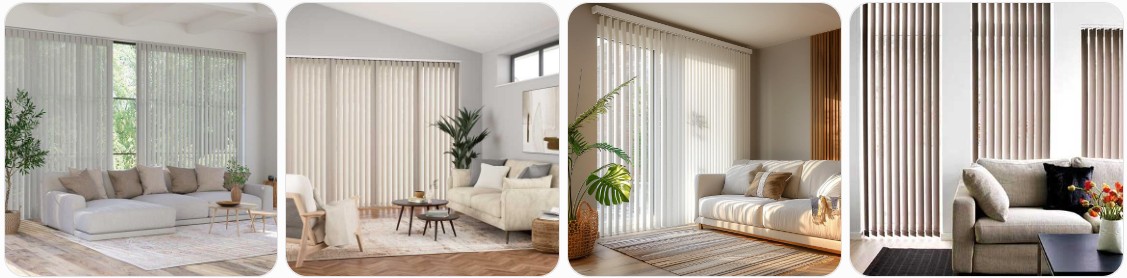
Vertical blinds are one of the most practical window covering choices for patio doors, sliding glass doors, wide windows, rental homes, offices, and rooms where you want simple light control without spending too much. This guide explains what vertical blinds are, how they work, where to buy them online or locally, how much they usually cost, what to check before buying, and whether DIY or professional installation makes more sense.
- Table of Contents:
- Vertical Blinds At a Glance
- What Are Vertical Blinds? How Vertical Blinds Work?
- Vertical Blinds Pros and Cons
- Vertical Blinds Cost
- Where to Buy Vertical Blinds Online
- How to Find Vertical Blinds Stores Near You
- What to Check Before Buying Vertical Blinds
- Vertical Blinds Installation Options
- FAQ About Vertical Blinds
Vertical Blinds At a Glance
- Best for: Sliding patio doors, wide windows, balcony doors, French doors, offices, rental homes, and large glass openings.
- Main design: Long vertical vanes hang from a top headrail and slide side-to-side.
- Light control: Vanes can tilt open, tilt closed, or stack to one side for a wider view.
- Common materials: Vinyl/PVC, fabric, faux wood, aluminum, and textured synthetic materials.
- Typical price range: Around $30–$150 for many ready-made vertical blind sets, while custom vertical blinds can cost $150–$500+ depending on size, material, and options.
- Installation difficulty: Moderate for DIY if the opening is standard and you can mount the headrail level; professional fitting is better for oversized doors or custom tracks.
- Big advantage: They cover large openings more affordably than many other blind or shade styles.
- Big drawback: They can look dated in some interiors and may make noise if the vanes move in a breeze.
- Best buying approach: Measure carefully, compare ready-made vs custom sizes, check vane material, confirm track width, and buy replacement parts if repairing an existing set is cheaper.
What Are Vertical Blinds? How Vertical Blinds Work?
What Are Vertical Blinds?
Vertical blinds are window coverings made from long hanging slats, usually called vanes, that run from the top headrail down toward the floor or window sill. Unlike horizontal blinds, which lift up and down, vertical blinds move side-to-side along a track. This makes them especially useful for wide windows and sliding glass doors because the blind can open in the same direction as the door.
A typical vertical blind set includes a headrail, carriers, carrier stems, vanes, a control wand or cord-and-chain system, mounting brackets, and sometimes a valance to hide the track. The vanes may be made from vinyl, fabric, faux wood, aluminum, or other synthetic materials. Vinyl vertical blinds are usually the most common because they are affordable, easy to clean, and widely available in standard sizes.
If you are comparing blind types, Vertical Blinds are usually the most practical choice when the window or door is too wide for standard mini blinds, Venetian blinds, or roller shades. They are not always the most decorative option, but they are very functional for large openings where privacy, glare control, and easy access are the main priorities.
Vertical blinds are commonly used in living rooms, rental apartments, condos, sunrooms, offices, patio doors, balcony doors, and commercial spaces. They are also popular because individual vanes can often be replaced without replacing the whole blind. If one slat cracks, stains, bends, or breaks, you may be able to buy replacement vertical blind vanes or clips instead of buying a full new set.
How Vertical Blinds Work?
Vertical blinds work by using a top-mounted track system. Each vane hangs from a small carrier inside the headrail. When you use the wand, chain, or cord, the carriers rotate the vanes open or closed. When the vanes are open, light passes through the gaps. When the vanes are closed, they overlap slightly to improve privacy and block more light.
Most vertical blinds have two main movements. First, the vanes rotate. This allows you to adjust privacy and sunlight without fully opening the blind. Second, the whole group of vanes slides along the track. This lets you move the blinds to one side, split them from the middle, or stack them according to the track style. Patio door vertical blinds usually stack on the side where the door does not open, so the walkway stays clear.
The control system depends on the blind. Wand-controlled vertical blinds are common because they are simple and reduce loose cords. Cord-and-chain vertical blinds may be found on older sets or larger blinds. Some custom vertical blinds also offer cordless or motorized operation, but basic manual systems are still the most affordable and easiest to repair.
Before buying, it helps to understand the stack direction. A right-stack vertical blind opens to the right. A left-stack blind opens to the left. A split-stack blind opens from the center and moves to both sides. Choosing the wrong stack direction can make a sliding door less convenient, so always match the blind operation to how you actually use the door or window.
If you are replacing an older vertical blind set, you may not need a complete new blind. Sometimes the problem is only broken carrier stems, missing vane weights, damaged valance clips, or cracked replacement slats. For simple repairs, browsing vertical blind replacement slats, vertical blind repair parts, or vertical blind carrier stems can be cheaper than replacing the whole window treatment.

CHICOLOGY Vertical Blinds, Oxford White (Vinyl), 3.5" PVC, 78" W x 84" H

BrylaneHome Embossed Vertical Privacy Slat Blinds

Calyx Interiors Vertical Blinds, 78" W x 84, White, Light-Filtering, Vinyl
Vertical Blinds Pros and Cons
Pros of Vertical Blinds
- Great for large openings: Vertical blinds are one of the easiest and most affordable ways to cover patio doors, sliding doors, and wide windows.
- Easy side access: Because they slide sideways, they work naturally with sliding glass doors and balcony doors.
- Adjustable light control: You can tilt the vanes slightly for filtered daylight or close them fully for more privacy.
- Affordable compared with many custom treatments: Ready-made vertical blinds are often cheaper than large curtains, panel track blinds, shutters, or custom drapes.
- Replaceable vanes: If a few slats are damaged, you can often replace only those vanes instead of the entire blind.
- Easy to clean: Vinyl vertical blinds can usually be wiped with a damp cloth, which makes them practical for busy homes and rentals.
- Good for rentals: They are functional, budget-friendly, and widely available in common patio door sizes.
- Many material options: You can choose vinyl, fabric, textured PVC, faux wood, or more decorative custom finishes.
- Useful for privacy: Closed vanes provide good privacy for ground-floor rooms, apartments, and street-facing windows.
- Repair parts are common: Replacement slats, weights, chains, clips, stems, and valance parts are widely available online.
Cons of Vertical Blinds
- Can look dated: Basic white vinyl vertical blinds may not feel as modern as roller shades, cellular shades, curtains, or panel track blinds.
- Can be noisy: Vanes may clatter when touched, moved quickly, or exposed to wind from an open door or window.
- Lower insulation than cellular shades: Vertical blinds help with light and privacy but are not usually the best choice for energy efficiency.
- Tracks can wear out: Carriers, stems, and tilt mechanisms can become stiff or break over time.
- Not ideal for small windows: They can look bulky on narrow windows where horizontal blinds or roller blinds may look cleaner.
- Gaps may show light: Even when closed, small gaps between vanes can let in light, especially around the edges.
- Fabric versions need more care: Fabric vanes can collect dust, absorb odors, and be harder to wipe clean than vinyl.
- Pets and children can damage them: Hanging vanes are easy to pull, bend, or knock out of the carrier clips.
- Cheap sets may feel flimsy: Budget tracks and thin vinyl vanes may not operate as smoothly as better-quality custom systems.
Vertical Blinds Cost: What Price Should You Expect?
Vertical blinds are usually considered a budget-to-mid-range window treatment, especially when compared with shutters, custom drapery, or motorized shades. For a standard patio door or wide window, ready-made vinyl vertical blinds often cost around $30 to $150. Larger sizes, heavier vanes, textured finishes, fabric vanes, decorative valances, and custom measurements can raise the price.
For custom vertical blinds, a more realistic price range is often around $150 to $500+ per opening. The final cost depends on width, height, material, track quality, control type, installation, and whether the blinds are made to measure. Large sliding doors, wall-to-wall glass, commercial windows, or premium fabric vanes can cost more.
Here is a simple cost breakdown:
- Budget ready-made vinyl vertical blinds: Around $30–$80 for many standard sizes.
- Mid-range vertical blinds: Around $80–$200 for better materials, wider sizes, or nicer finishes.
- Custom vertical blinds: Around $150–$500+ depending on size, material, and supplier.
- Replacement vertical blind vanes: Around $10–$60+ depending on quantity, size, and material.
- Replacement parts: Around $5–$30+ for clips, chains, stems, weights, brackets, and small repair parts.
- Professional installation: Often around $50–$150+ per opening, but pricing varies by location, size, and job complexity.
If you are still planning your budget, use a blind cost estimator to compare size, blind type, quantity, material level, and installation options before ordering. This is especially helpful if you are buying vertical blinds for several rooms or replacing every patio door blind in a home, rental unit, or office.
To keep the total cost lower, compare ready-made sets first, especially if your door or window is a standard size. If the opening is unusual, custom vertical blinds may be worth the extra cost because they fit better, operate smoother, and usually look more finished. If your current track is still working, you may be able to save money by buying vertical blind replacement vanes instead of replacing the headrail.
Where to Buy Vertical Blinds Online
Amazon is one of the easiest places to start if you want ready-made vertical blinds, replacement vanes, repair parts, valance clips, carrier stems, weights, chains, and installation accessories. It is especially useful if you are replacing a common patio door blind or repairing a few broken slats instead of buying a fully custom set.
When buying vertical blinds from Amazon, pay close attention to the exact width and height, vane length, mount type, track style, stack direction, and whether the listing includes the full headrail or only replacement slats. Some listings are complete vertical blind kits, while others are only replacement vanes or repair parts. For patio doors, make sure the blind is wide enough to cover the full glass area and tall enough to reach the desired drop without dragging on the floor.
Amazon is also useful for smaller add-on purchases such as vertical blind valance clips, vertical blind weights and chains, and vertical blind repair kits. These small parts can make an older vertical blind look and work better without the cost of a full replacement.
Find Vertical Blinds from Amazon »
CHICOLOGY Vertical Blinds, Oxford White (Vinyl), 3.5" PVC, 78" W x 84" H
BrylaneHome Embossed Vertical Privacy Slat Blinds
Calyx Interiors Vertical Blinds, 78" W x 84, White, Light-Filtering, Vinyl
eBay can be useful for finding discounted vertical blinds, replacement slats, discontinued colors, older blind parts, bulk vane packs, and hardware that may be harder to find in local stores. It can be a good option when you are trying to match an existing vertical blind set or repair an older track system.
When buying vertical blinds from eBay, check the seller photos carefully. Make sure the item is new or in the condition you expect, confirm the measurements, and read whether the listing includes the track, vanes, brackets, chains, bottom weights, and valance. If you are buying replacement parts, compare the shape and size with your existing blind parts before ordering.
Find Vertical Blinds from eBay »
- Blinds.com – Good for custom vertical blinds, patio door blinds, fabric options, PVC styles, and made-to-measure ordering.
- The Home Depot – Useful for ready-made vertical blinds, custom order options, installation services, and in-store pickup in many areas.
- Lowe’s – Good for standard vertical blinds, replacement options, patio door blinds, and home improvement installation support.
- SelectBlinds – Good for custom vertical blinds, fabric verticals, vinyl verticals, and online measuring/order guides.
How to Find Vertical Blinds Stores Near You
Finding vertical blinds near you is usually easier than finding more specialized blind types because vertical blinds are commonly sold at home improvement stores, blind showrooms, department stores, and local window treatment companies. The best place to shop depends on whether you want a quick ready-made blind, custom sizing, repair parts, or professional measurement and installation.
Start by checking local home improvement chains if you need basic vinyl vertical blinds for a patio door or rental property. These stores often carry common sizes, brackets, replacement parts, and installation tools. They are also convenient if you want to see the vane material in person before buying.
If your opening is unusually wide, your ceiling height is tall, or you want a more decorative finish, a local blind showroom or custom window treatment company may be a better choice. These stores can measure your space, recommend stack direction, help you choose vane material, and install the track correctly. This matters because vertical blinds need a level headrail to slide smoothly.
For a faster starting point, use a window blinds store directory to compare retailers by region, price level, and shopping style. This can help you decide whether to visit a budget retailer, a home improvement store, a specialist blind company, or a premium showroom.
When searching locally, try search terms like:
- vertical blinds near me
- patio door blinds near me
- vertical blind repair near me
- custom vertical blinds near me
- window blinds store near me
- blind installation service near me
- vertical blind replacement slats near me
Before visiting a store, measure your window or door opening, take photos of the current blinds, and note whether you need inside mount, outside mount, ceiling mount, or wall mount. If you are repairing existing vertical blinds, bring one broken vane, carrier stem, clip, or photo of the headrail so the store can help match the part.
What to Check Before Buying Vertical Blinds
- Window or door width: Measure the full opening carefully. For sliding doors, make sure the blind covers the glass and frame area properly.
- Drop/height: Measure from the headrail position to where you want the vanes to end. Vanes should not drag on the floor.
- Inside mount vs outside mount: Inside mount fits within the frame for a cleaner look, while outside mount covers more area and can improve privacy.
- Stack direction: Choose left stack, right stack, or split stack based on how your door opens and where you want the vanes to sit when open.
- Vane material: Vinyl is affordable and easy to clean; fabric looks softer but needs more care; faux wood or textured vanes can look more decorative.
- Vane width: Many vertical blinds use 3.5-inch vanes, but always confirm before buying replacement slats.
- Control type: Wand controls are simple and often safer than loose cords; cord-and-chain systems may be found on older or larger blinds.
- Headrail quality: A better track usually slides smoother and lasts longer, especially on wide patio doors.
- Privacy level: Check how well the vanes overlap when closed. Thin or warped vanes may leave more gaps.
- Light blocking: Standard vertical blinds reduce light but usually do not create full blackout. Choose room-darkening vanes if you need more light control.
- Cleaning needs: Choose wipeable PVC or vinyl for kitchens, rentals, kids’ rooms, and high-traffic spaces.
- Color and finish: White and off-white are common, but textured, gray, beige, wood-look, and fabric finishes may blend better with modern interiors.
- Replacement parts availability: Check whether the brand or style has easy-to-find vanes, clips, carriers, and valance parts.
- Pet and child safety: Avoid loose cords where possible and choose sturdier materials if pets or children may pull on the vanes.
- Return policy: Custom vertical blinds may not be returnable, so double-check every measurement before ordering.
- Shipping length: Long headrails and vanes can be bulky to ship, so check delivery cost and packaging details.
- Installation hardware: Confirm whether brackets, screws, valance clips, and instructions are included.
- Repair vs replacement: If only a few vanes are broken, replacement slats may be cheaper than a complete new blind.
Vertical Blinds Installation Options: DIY vs Professional Fitting

Cutelec 2pcs Box Mounting Bracket for Low Profile Horizontal Blinds with 1-3/4" x 2 1/2" Headrail - White Color

Jetec 6 Pieces Mini Blind Brackets for Window Blinds,1.18x1.18 Inch
Vertical blinds can be installed as a DIY project if you are comfortable measuring, drilling, leveling a headrail, and securing brackets. The most important part is making sure the headrail is straight and firmly mounted. If the track is crooked, the vanes may slide poorly, bunch unevenly, or fail to rotate correctly.
DIY installation is usually best for standard ready-made vertical blinds, smaller patio doors, rental replacements, and simple outside-mount installations. You will usually need a tape measure, pencil, drill, screwdriver, level, step ladder, and the mounting hardware that comes with the blind. For concrete, brick, or metal surfaces, you may need special anchors or drill bits.
Professional fitting is usually better for very wide openings, heavy custom tracks, ceiling-mounted vertical blinds, commercial spaces, wall-to-wall glass doors, uneven frames, or homes where accurate fit and appearance matter more. A professional installer can also help choose stack direction, mount position, and clearance so the blinds do not interfere with door handles, baseboards, trim, or flooring.
Here is a simple comparison:
- DIY installation: Lower cost, faster if you already have tools, good for standard sizes, but mistakes can cause poor operation.
- Professional installation: Higher cost, better for custom blinds, more accurate measuring, cleaner finish, and less risk of damaging walls or trim.
- DIY is best when: The blind is ready-made, the opening is simple, the surface is easy to drill, and the headrail is not extremely long.
- Professional fitting is best when: The blind is expensive, custom-sized, oversized, ceiling-mounted, or installed over a difficult patio door opening.
If you install vertical blinds yourself, test the track before attaching all vanes. Make sure the carriers rotate and slide smoothly. After hanging the vanes, open and close the blinds several times to check for rubbing, twisting, or uneven stacking. If the vanes drag on the floor, the headrail may be mounted too low or the vane length may be wrong.
FAQ About Vertical Blinds
Are vertical blinds still worth buying?
Yes, vertical blinds are still worth buying for sliding doors, patio doors, wide windows, rentals, and budget-friendly privacy. They may not be the trendiest option, but they are practical, affordable, easy to operate, and easy to repair.
Are vertical blinds good for sliding glass doors?
Yes, vertical blinds are one of the best budget options for sliding glass doors because they move side-to-side like the door. They also let you tilt the vanes for privacy without fully blocking daylight.
How much do vertical blinds usually cost?
Ready-made vertical blinds commonly cost around $30 to $150 for standard sizes. Custom vertical blinds can cost around $150 to $500+ depending on width, height, material, track quality, and installation.
Can I replace only the slats on vertical blinds?
Yes, in many cases you can replace only the vertical blind slats or vanes if the headrail still works. Make sure you match the vane width, length, material, and hole style before ordering replacements.
What is the most common vertical blind vane size?
Many vertical blinds use 3.5-inch wide vanes, but sizes can vary. Always measure your existing vane width and length before buying replacement vertical blind slats.
Are fabric or vinyl vertical blinds better?
Vinyl vertical blinds are usually cheaper and easier to wipe clean, making them good for rentals and busy homes. Fabric vertical blinds look softer and more decorative, but they may collect dust and require more careful cleaning.
Do vertical blinds block light completely?
Most vertical blinds reduce light but do not block it completely because small gaps can remain between vanes and around the edges. For better light blocking, choose room-darkening or blackout-style vertical blind vanes.
Can vertical blinds be installed inside the window frame?
Yes, vertical blinds can be installed inside the frame if there is enough depth for the headrail and the vanes can move freely. If there is not enough depth, outside mount is usually the better option.
Why do my vertical blinds not rotate properly?
Vertical blinds may stop rotating because of misaligned carriers, broken carrier stems, a damaged tilt mechanism, tangled vanes, or worn track parts. Sometimes a replacement stem or carrier repair part can fix the issue.
Are vertical blinds easy to clean?
Vinyl vertical blinds are usually easy to clean with a damp cloth or duster. Fabric vanes need more careful cleaning because they can hold dust, stains, and odors more than PVC or vinyl vanes.
Can vertical blinds be shortened?
Some vertical blind vanes can be shortened, especially vinyl vanes, but it must be done evenly and carefully. If you are unsure, it is usually safer to order the correct vane length or buy custom replacements.
What are the best alternatives to vertical blinds?
Good alternatives include panel track blinds, curtains, sliding door shades, cellular vertical shades, roller shades, and shutters. However, vertical blinds are often cheaper and easier to repair than many of these options.
Summary
Vertical blinds are a practical, affordable, and easy-to-find solution for patio doors, sliding glass doors, wide windows, offices, and rental properties. They work by hanging long vanes from a top track, allowing you to tilt the slats for light control or slide the whole blind open for access. Their biggest strengths are price, coverage, simple operation, and repairability. Their main drawbacks are that basic vinyl styles can look dated, make noise, and offer less insulation than some modern shade options.
Before buying vertical blinds, measure carefully, choose the right stack direction, compare vane materials, check the headrail quality, and decide whether ready-made or custom sizing is better for your opening. Amazon and eBay are useful for affordable sets, replacement vanes, and repair parts, while specialist blind websites and local stores are better for made-to-measure vertical blinds. If the opening is standard, DIY installation can save money. For oversized, custom, or difficult installations, professional fitting is usually worth considering.

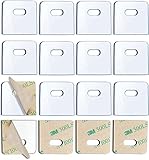
60 PCS Vertical Blind Repair Tabs Kit Clear Fixer Verticle Blinds Snap in Replacement Slats Parts Panels

Vertical Blind Repair Vane Savers, Metal Vertical Blind Repair Tabs for Vertical Blinds Replacement Slats, White (12)