
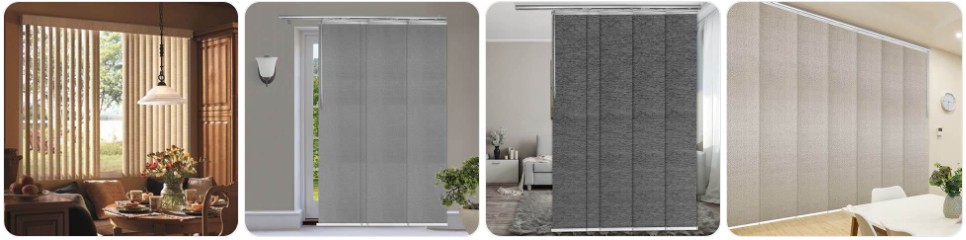
If you need to remove vertical blinds without cracking the vanes, damaging the headrail carriers, or tangling the control chain and cord, the safest approach is to rotate the vanes open, unhook the slats carefully, and then release the headrail only after the hanging weight has been removed. Vertical blinds are designed around a track, carrier stems, and hanging vanes, so they need a slightly different removal process than horizontal or roller styles. This guide walks through how to take down vertical blinds step by step while protecting the vanes, carrier stems, headrail, spacer chain, and control hardware. If you think you may need replacement hardware after removal, it also helps to review Vertical blind parts before you begin.
What You Need Before Removing Vertical Blind
- A stable step stool or ladder: Vertical blind tracks are usually mounted high above patio doors or wide windows, so steady overhead access makes it much easier to release the headrail without twisting it.
- A small screwdriver: Many vertical blind brackets have clip tabs, retaining flaps, or screw-fastened brackets that are easier to open with a precision screwdriver set, especially on older headrail fittings.
- Needle-nose pliers: A pair of needle-nose pliers can help if a bracket clip is stiff or if you need to handle a small retaining tab or vane hanger carefully.
- A clean flat surface for the vanes: Once you remove the slats, lay them on a clean surface so the fabric, vinyl, or PVC vanes do not crease, bend, or get dirty.
- A small container for weights, chains, and screws: Vertical blinds have more loose pieces than many people expect, especially bottom weights and spacer chains. Keeping them together makes reinstallation much easier.
- A soft tie or storage strap: If you keep the full headrail and vanes together temporarily, use a soft tie so the blind stays organized without damaging the hanging slats.
- Optional replacement parts nearby: If the blind already shows wear, you may want to compare vertical blind parts, replacement stems, vertical blind repair tabs, or vertical blind weights and chains before removal.
Vertical Blind Removal Guide
Vertical blind removal is easiest when you treat it as a two-stage job: first remove the hanging vanes, then take down the headrail. That method reduces strain on the carrier stems and makes the track much easier to support. The safest approach is to rotate the vanes into the open position, remove any bottom chains and weights if needed, and then detach each vane carefully so you are not trying to lower the full blind with all of the hanging weight still attached. If something feels stuck, stop and inspect the clip or stem closely before forcing it, because vertical blind stems and vane holes can crack if twisted the wrong way.
- Rotate the vanes to the open position: Turn the wand or use the control so the vertical slats sit open rather than edge-on. This makes each vane easier to access and helps prevent twisting while you unhook them.
- Pull the blind fully to one side if possible: Stacking the vanes together makes the removal process more organized and gives you clearer access to each hanger point.
- Remove the bottom spacer chain first: If your vertical blind uses a connecting chain along the bottom, unclip it gently from each vane weight and set it aside in your parts container.
- Remove the bottom weights if needed: Some vanes come off more easily when the weights are removed first. This also keeps them from swinging and stressing the fabric or vane holes during removal.
- Unhook each vane one at a time: Support the top of the vane near the hole or clip point, then twist or lift it gently depending on the hanger style. Do not yank the vane downward, because that can break the carrier stem or tear the vane hole.
- Lay the vanes flat as you remove them: Place each vane on a clean surface so it stays straight and does not pick up dirt or bend at the edges.
- Remove any valance before taking down the headrail: If the blind has a decorative valance clipped to the front, unclip or unscrew it first so you can reach the mounting brackets clearly.
- Inspect the headrail brackets carefully: Look for top clips, front-release brackets, or screw-fixed brackets at each end and along the center. Wider vertical blinds often have multiple supports.
- Support the headrail with one hand: Before opening any bracket, hold the track firmly so it does not drop or twist. Vertical blind headrails can be awkward because of their length, even when the vanes are already removed.
- Release the first bracket gently: Use your fingers or a small screwdriver to open the retaining flap or push back the release clip.
- Free the remaining brackets one at a time: Keep supporting the rail as you release each mounting point. On longer tracks, always check for a center bracket before trying to lower the rail completely.
- Lower the headrail evenly: Once all clips are free, bring the headrail down in a level motion. Avoid letting one side hang sharply lower than the other, because that can bend the track or stress the carrier mechanism.
- Inspect the hardware while the blind is down: This is the best time to check the stems, carriers, tilt mechanism, weights, chains, and brackets. If something looks damaged, compare replacement stems, repair tabs, carrier replacements, and weights and chains.

Vertical Blinds Replacement Stem and Gear Used for Headrail, Carrier Stem Vertical Blinds Curtain Accessories(12 Sets)
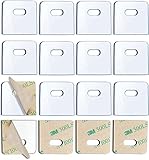
SOGEWO (16 Set/32 Pieces) Clear Vertical Blind Repair Tabs, Vertical Blinds tabs/Blind Fixers for Vertical Blinds Replacement Slats & Parts
Common Problems When Taking Down Vertical Blind
- The vane will not unhook from the stem: Vertical blind vanes often need a specific twist or lift motion to release. If it resists, check the clip style carefully instead of pulling harder and tearing the vane hole.
- A carrier stem snaps: Older plastic stems can become brittle over time, especially in sunny rooms. If that happens, it may help to compare vertical blind replacement stems before reinstalling the blind.
- The bottom chain tangles: Spacer chains are easy to knot if dropped loosely into a box or onto the floor. Remove them methodically and store them with the weights.
- The vanes crease while being removed: This usually happens when the vane is bent near the top hole instead of being supported close to the hanger point. Vertical blind fabric and PVC vanes can both crease if handled roughly.
- The headrail feels stuck in the middle: Wider vertical blinds usually have more than two mounting points. Always check for center brackets before trying to force the rail down.
- The control chain or wand already feels worn: This is a common thing to notice once the blind is down, and it can be a good time to compare vertical blind parts or wand replacements before reinstalling.
- The track twists during removal: Long vertical blind headrails are awkward to handle. Supporting both ends evenly helps prevent the rail from bending or the carriers from shifting out of line.
What to Do After Removing Vertical Blind
- Lay the vanes flat and keep them in order: If the blind uses patterned, textured, or slightly faded slats, keeping them in order makes reinstallation neater and helps preserve the original look.
- Store the weights and spacer chain together: These parts are easy to lose, so place them in one labeled container before anything gets separated.
- Inspect the headrail, stems, and brackets: Look for cracked stems, misaligned carriers, worn control hardware, or damaged brackets. If needed, compare vertical blind parts, carrier replacements, and repair tabs.
- Clean the vanes and headrail while the blind is down: It is much easier to wipe each vane and clean dust from the track when the blind is already off the window.
- Keep the headrail straight during storage: Rest it on a flat, supported surface so the track does not bow or twist before reinstallation.
- Decide whether to repair or replace: If removal exposed cracked stems, torn vane holes, or a worn track mechanism, compare vertical blind options with repair-part costs before putting the same blind back up.
- Label the blind if several came down at once: If you removed multiple vertical blinds, keeping each rail, vane set, and hardware pack together avoids confusion later.

CHICOLOGY Vertical Blinds, Oxford White (Vinyl), 3.5" PVC, 78" W x 84" H

82.5" x 3.5" White PVC Vertical Blind Replacement Slats Curved Smooth (5 Pack)

Calyx Interiors Vertical Blinds, 78" W x 84, White, Light-Filtering, Vinyl
Vertical Blind Removal FAQ
Should I remove the vanes before taking down the headrail?
Yes, in most cases. Removing the hanging vanes first makes the headrail much lighter and reduces the chance of cracking stems or bending the track during removal.
Do I need to take off the bottom chain and weights first?
It is usually a good idea, especially if you want to remove the vanes cleanly without extra pulling on the fabric or PVC slats. It also makes the blind easier to organize during storage.
Why will my vertical blind vane not unclip?
The vane may need a specific twist or lift direction depending on the hanger style. If it resists, inspect the clip carefully instead of pulling downward and risking a torn vane hole or broken stem.
Can vertical blind stems break during removal?
Yes. Older plastic stems can snap if the vane is twisted too hard or pulled the wrong way. Supporting the vane close to the top clip helps reduce that risk.
Do I have to remove the brackets from the wall or ceiling too?
Not always. If you plan to reinstall the same blind and the brackets are still secure and undamaged, they can often stay in place.
Can I reinstall the same vertical blind after taking it down?
Yes, as long as the vanes, stems, track, and brackets are still in good condition. Removal is also a good time to clean the blind and replace small worn parts first.
Is it better to repair vertical blinds while they are off the window?
Usually, yes. It is much easier to replace stems, repair vane holes, clean the track, and inspect the control hardware while the blind is down and accessible.
Are vertical blind parts universal?
Not always. Stems, carriers, brackets, and vane fittings can vary by brand and track style, so it is a good idea to compare the old part carefully before ordering replacements.
Summary
Removing vertical blinds safely is mostly about taking the hanging vanes off first, supporting the headrail properly, and keeping the track, stems, and bottom hardware organized as the blind comes down. Once the blind is off the window, you can inspect the vanes, carriers, brackets, and control system more easily, clean everything thoroughly, and decide whether the blind is ready to reinstall or needs replacement parts first. If your removal project turns into a repair job, it also helps to review repair Vertical blinds before putting the blind back up.

60 PCS Vertical Blind Repair Tabs Kit Clear Fixer Verticle Blinds Snap in Replacement Slats Parts Panels

30 Sets (60 Pcs) Vertical Blinds Replacement Slats Panels, Vertical Blind Repair Tabs Kit, Clear Apartment Blinds Replacement Fixers, Horizontal Blinds Replacement Parts
