If you are looking for Zebra Blind replacement parts, the good news is that many common failures can be fixed without replacing the whole shade. Most zebra blind problems come from worn clutches, broken chains, loose brackets, damaged idle ends, or missing bottom rail pieces. This guide covers the most common zebra blind replacement parts, how to identify the right one, when repair makes sense, and where to shop for compatible hardware like zebra blind clutch replacements, replacement control chains, and full zebra blind repair kits.
Buy Zebra Blind Parts Online
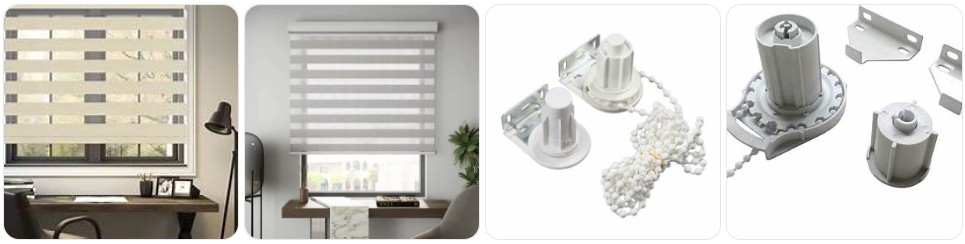
The clutch is the main control unit that raises, lowers, and aligns the alternating sheer and solid bands. If operation feels rough, slips, or stops evenly positioning the fabric, a replacement clutch is often the correct fix. » find on amazon / find on ebay
Zebra blinds use a looped beaded chain to move the roller and shift the striped fabric between open and closed positions. If the chain snaps, binds, or loses connectors, replacing it restores smooth daily control quickly. » find on amazon / find on ebay
The idle end supports the opposite side of the tube and helps keep the blind level during operation. When it cracks, bends, or pops out, zebra bands can track unevenly and the roller may wobble. » find on amazon / find on ebay
Mounting brackets hold the zebra blind securely inside or outside the window frame. Bent, missing, or incompatible brackets can make the shade sag, shift, or fall out of place, especially on wider blinds. » find on amazon / find on ebay
This part connects the clutch to the roller tube so the zebra fabric moves evenly as you pull the chain. If the insert rounds off or cracks, the blind may spin poorly or stop adjusting altogether. » find on amazon / find on ebay
Bottom rail end caps protect the lower bar and help the zebra fabric hang straight. Missing or damaged caps can leave the rail uneven, cause fabric drift, and make the blind look twisted when bands align. » find on amazon / find on ebay
Small but important, the chain connector or stop joins the loop and limits travel where needed. If it breaks, the chain can separate or overrun, making the zebra blind harder to control consistently. » find on amazon / find on ebay
A repair kit is useful when you are not sure whether the failure is the clutch, chain, bracket, or end plug. Kits often bundle several compatible hardware pieces together, making first-time zebra blind repairs simpler and cheaper. » find on amazon / find on ebay
Signs You Need Replacement Parts for Your Zebra Blind
- The alternating bands no longer align evenly: If the sheer and solid stripes stop matching up correctly while opening or closing, the fault is often a worn clutch, slipping tube insert, or damaged idle end rather than the fabric panel itself.
- The blind rolls but will not switch cleanly between sheer and privacy positions: Zebra blinds depend on precise roller movement. When the chain skips or the clutch teeth wear down, the bands can drift and never settle into the correct overlap point.
- The control chain feels tight, jerky, or keeps jumping: A stretched or broken beaded loop, worn connector, or cracked clutch can create resistance. Replacing the control chain is often the easiest first fix.
- The tube wobbles from one side: If one end of the zebra blind drops lower or rattles during use, inspect the idle end plug and brackets. A loose support side can throw off tracking and make the striped fabric move unevenly.
- The blind will not stay level across the window: Zebra shades are especially noticeable when crooked because the alternating bands highlight even small alignment problems. A bent bracket or damaged end support can create a visible slant immediately.
- The bottom rail twists or hangs unevenly: Missing end caps, internal weight issues, or poor tube alignment can cause the bottom bar to sit unevenly, which then affects how the zebra bands stack and line up across the shade.
- The chain loop has separated at the connector: A failed connector or stop can make the loop open up and stop the shade from operating. In many cases, replacing the connector is cheaper than replacing the entire chain assembly.
- The blind came out of the brackets during removal or cleaning: Zebra blinds use specific bracket shapes and side hardware. If the original pieces bent during takedown, replacing the mounting brackets can restore a secure fit.
- You hear clicking but the fabric barely moves: That sound usually points to internal clutch wear or a stripped drive insert. The chain may still turn, but the roller no longer transfers motion properly to the layered zebra fabric.
- The blind looks fine but operates worse every week: Zebra blinds often fail gradually. If operation becomes more inconsistent over time, it is smart to inspect the hardware and keep a repair kit on hand before the mechanism stops completely.

MYshade Cordless Zebra Shades with Aluminium Valance Cassette Accessories Replacement Fittings Window Treatment Repair Kit

FAPBADRI Zebra Blind Component Includes Channel Brackets, Control Unit with Beaded Chain & Holder, end Cap of Bottom Rod with Connector, Screws & Wallplugs Included, Heavy Quality - 38mm
How to Identify the Right Zebra Blind Replacement Part
- Start with the control side first: On a zebra blind, the most important identification point is the chain-operated clutch side. Remove the blind carefully and compare the clutch shape, gear diameter, and mounting style before ordering any replacement clutch.
- Check whether your blind uses a cassette or open roller: Some zebra blinds hide the tube inside a fascia or cassette, while others leave the roller exposed. That matters because brackets, end covers, and side hardware often differ even when the fabric looks similar.
- Measure the roller tube outside diameter: Many zebra blind parts are tube-specific. Measure the metal or aluminum tube carefully because the drive insert, idle end, and clutch fit depend on that tube size, not just the overall blind width.
- Inspect how the striped fabric wraps and drops: Zebra blinds use a dual-layer fabric path. If you order a generic roller part without checking the blind’s front-drop or back-drop configuration, the replacement hardware may fit physically but still operate the bands incorrectly.
- Match the bracket entry style: Some brackets are top-in, some are side-locking, and others snap into a cassette housing. The right replacement part must match the way the clutch and idle end lock into the bracket, not just the bracket’s width.
- Look at the chain bead size and loop length: Zebra blind chains are not always interchangeable. Count bead spacing or compare the old loop to a replacement chain so the clutch engages properly and the finished drop length feels normal in daily use.
- Check the idle end pin shape: The support side may use a spring-loaded pin, a star shape, or a simple rounded end. If the idle end does not match your original hardware exactly, the blind can sit crooked and the zebra bands may stop aligning cleanly.
- Identify whether the bottom rail uses clip-in end caps: Zebra blinds often rely on small rail caps to keep the lower bar neat and balanced. Bring the old cap dimensions with you because even minor size differences can leave the rail loose or visibly uneven.
- Use a repair kit when several pieces are worn together: If the chain, clutch, and side support all show wear, buying a single zebra blind repair kit is often easier than mixing parts from multiple listings and hoping they work together.
- Do not identify parts by fabric pattern alone: Two zebra blinds can have nearly identical striped fabric but completely different hardware. Always buy according to the mechanism, tube, bracket, and control layout, not the color or room style.
Should You Repair or Replace the Whole Zebra Blind?
In many cases, it makes more sense to repair a zebra blind than replace it outright, especially when the striped fabric is still clean, flat, and free from fraying. If the problem is limited to the chain, clutch, brackets, idle end, or bottom rail caps, the fix is usually affordable and straightforward compared with buying a whole new zebra blind. This is particularly true when the blind still matches the room and you only need to restore smooth operation and proper band alignment.
You should consider replacing the full zebra blind when the fabric has stretched, the sheer sections are badly wrinkled, the bottom rail is bent, or multiple hardware points have failed after years of use. Zebra blinds depend on precise tracking between alternating bands, so once both the fabric and mechanism are worn, piecemeal repair can become frustrating. As a general rule, repair the blind when the issue is clearly mechanical and localized; replace it when both the fabric alignment and the operating hardware are deteriorating together.

Persilux Cordless Zebra Blinds for Windows Free-Stop Window Blinds (34" W X 64" H, White) Dual Layer Light Control for Day and Night, Light Filtering Sheer Shades for Home, Bedroom, Easy to Install
Persilux Cordless Zebra Blinds for Windows Free-Stop Roller Windows Shades (24" W X 72" H, White) Dual Layer Light Control for Day and Night, Light Filtering Sheer Shades for Home, Easy to Install

AOSKY Cordless Zebra Blinds for Indoor Windows, 34" W x 72" H, White
How to Prevent Parts Damage to Zebra Blind
- Operate the chain with steady pressure: Zebra blinds work best when the chain is pulled smoothly instead of yanked. Sudden force puts extra stress on the clutch gears, connector, and drive insert, which are the parts most likely to wear first.
- Stop when the bands reach alignment: Once the sheer and solid stripes line up in the desired position, avoid continuing to pull. Overrunning the mechanism can wear the clutch and stretch the beaded control loop faster than normal.
- Keep the blind level in its brackets: If one side sits lower than the other, the striped fabric has to track unevenly every time it moves. Periodically check the mounting brackets and idle end so the roller stays straight across the window.
- Do not twist the bottom rail by hand: People sometimes try to force the bands into alignment by rotating the lower bar manually. That can damage the internal wrap, distort the fabric path, and loosen the bottom rail end caps.
- Clean dust off the chain and hardware regularly: Fine dust can collect around the clutch opening and chain path, making operation feel gritty. A light cleaning helps reduce unnecessary wear on the control side mechanism.
- Lower and raise the blind in a straight path: If furniture, window handles, or decor catch the fabric, the dual-layer zebra material can shift unevenly. Keeping the path clear reduces strain on the roller tube and side supports.
- Check the connector before it fails completely: A worn chain connector is easy to ignore until the loop separates. Replacing a small connector early is cheaper than waiting until it damages the chain or clutch assembly.
- Use the correct replacement parts instead of forcing close fits: Generic hardware that is “almost right” can create long-term wear because zebra blinds rely on precise alignment. Matching the tube size, bracket type, and clutch profile helps the blind last longer.
- Support wider zebra blinds during removal: On wider shades, taking the blind down without supporting both ends can bend brackets or crack the idle end. Always hold the roller evenly so the side hardware is not twisted during maintenance.
- Keep a spare repair kit for high-use rooms: Zebra blinds in kitchens, living rooms, and patio-adjacent areas get used more often. Keeping a spare repair kit nearby can prevent downtime when a small part finally gives out.
Zebra Blind Parts FAQ
What is the most common replacement part on a zebra blind?
The most commonly replaced part is usually the clutch mechanism or the beaded control chain. Those pieces take the most day-to-day stress because they control how the zebra blind raises, lowers, and shifts between sheer and privacy bands.
Can I replace the chain on a zebra blind without replacing the whole mechanism?
Yes, in many cases you can replace just the chain if the clutch still grips and turns correctly. A new zebra blind chain is often enough when the old loop has snapped or the connector has broken.
Why are my zebra blind stripes no longer lining up evenly?
Misaligned stripes usually point to a worn clutch, slipping drive insert, crooked bracket setup, or damaged idle end. Because zebra blinds rely on precise band tracking, even a small hardware problem can make the fabric look obviously uneven.
Are zebra blind parts universal?
No, many zebra blind parts are only semi-universal at best. Tube diameter, clutch shape, cassette style, bracket design, and chain size can vary, so it is important to compare the original hardware before ordering replacements.
Should I buy a single part or a zebra blind repair kit?
Buy a single part when you know exactly what failed, such as one broken bracket or a snapped chain. Choose a zebra blind repair kit when several pieces are worn or when you want a better chance of getting compatible hardware in one purchase.
Can a damaged idle end really affect how a zebra blind looks?
Yes. If the idle end is cracked or loose, the roller can tilt slightly, which changes how the alternating sheer and solid bands travel. That often leads to visible misalignment across the full width of the shade.
When is it better to replace the whole zebra blind instead of fixing parts?
It is usually better to replace the full blind when the fabric is stretched, frayed, badly wrinkled, or no longer tracks cleanly even after hardware fixes. When both the fabric and mechanism are worn, full replacement is often the more practical option.
Where can I buy zebra blind replacement parts online?
You can usually find common hardware through online marketplaces by searching for the exact part name, such as clutch, chain, bracket, idle end, or repair kit. Start with Amazon zebra blind parts listings and compare them against your original hardware carefully.

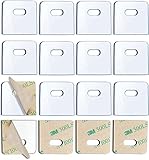
60 PCS Vertical Blind Repair Tabs Kit Clear Fixer Verticle Blinds Snap in Replacement Slats Parts Panels

Vertical Blind Repair Vane Savers, Metal Vertical Blind Repair Tabs for Vertical Blinds Replacement Slats, White (12)