
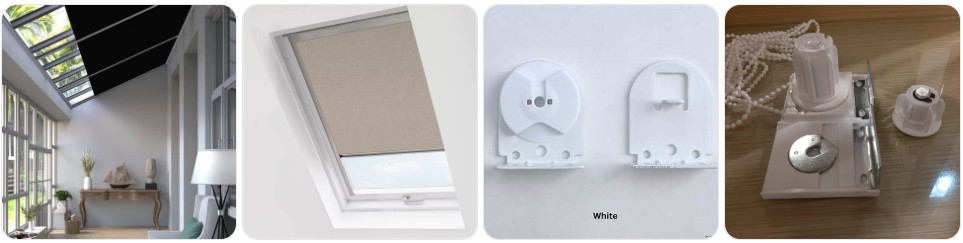
Roof Blinds are designed for skylights, loft windows, and angled roof glazing, so repairs usually involve side channels, spring tension, guide wires, cassette fittings, handle bars, blackout fabric, or model-specific roof-window hardware rather than the standard brackets and controls used on ordinary wall windows. The quick answer is that a broken roof blind can often be repaired for much less than a full replacement if the blind fabric is still in good condition and the problem is limited to the moving hardware, side guides, handle bar, or fitting set. In many cases, the fix comes down to replacing worn side-channel parts, re-tensioning the blind, changing damaged brackets, fitting new guide components, or replacing a small roof-window blind mechanism before the blind starts sagging, sticking, or losing tension. If you want to compare useful products while troubleshooting, it helps to browse Roof Blind repair kits, skylight blind parts, and roof window blind replacement parts.
Fix Common Roof Blind Problems & Repair Cost
The Roof Blind will not stay in position or keeps sliding back: This is one of the most common roof blind problems and usually points to weak spring tension, worn guide channels, damaged side cords, or a handle bar that is no longer holding properly in its set positions. Because Roof Blinds are often installed on angled windows, even a small loss of tension can make the blind feel unreliable very quickly. In many cases, the repair involves replacing a tension-related part, guide wire, side fitting, or cassette component rather than replacing the full blind. Minor repairs are often in the range of about $10 to $35 in parts, while a broader hardware refresh can run around $25 to $70 depending on the blind system. It helps to compare Roof Blind repair kits and roof window blind replacement parts. Do not keep forcing a Roof Blind that will not hold position, because that can put extra strain on the side channels and fabric edges.
The blind sticks in the side channels or moves unevenly: On a Roof Blind, this often means the side rails are dirty, slightly bent, misaligned, or carrying worn plastic guides. Because the blind runs in guided tracks rather than hanging freely, even a small alignment issue can make the blind jam or drag. Depending on the cause, the repair may be as simple as cleaning the channels, reseating the blind correctly, or replacing worn guide pieces. If the side rails are bent or damaged, the repair can be more involved than a typical roller or Venetian blind fix.
The handle bar is broken or hard to grip: Many Roof Blinds rely on a lower handle bar so the user can pull the blind down or push it back up along the roof window. If that handle bar cracks, loosens, or detaches, the blind becomes much harder to operate without straining the fabric. This is usually one of the simpler repairs, and replacement handle parts or compatible pull bars are often far cheaper than replacing the full blind.
The blackout or light-filtering fabric has come loose at the edge: Roof Blinds depend on balanced movement inside side channels, so loose fabric edges can catch, rub, or fail to stay square. If the fabric is only starting to detach or curl near the guide area, catching the problem early can prevent a bigger failure.
The blind no longer closes fully or leaves gaps at the edges: This can happen when the blind has lost tension, the side guides are worn, or the blind is no longer sitting correctly in its fitted rails. Because Roof Blinds are often chosen for blackout or glare control, even a small edge gap can make the blind feel much less effective.
Roof Blind Repair Kit
A Roof Blind repair kit is most useful when the problem is in the operating hardware, side guides, tensioning system, or mounting set rather than in the main blind fabric itself. Because Roof Blinds are designed for angled windows and often run within guide rails or side channels, the parts that fail are usually different from the ones that fail on a standard window blind. A good repair kit may include guide fittings, side pieces, tensioning parts, replacement brackets, handle-bar parts, mounting clips, or other small components that help restore smooth guided movement without replacing the full blind.
It is worth checking kit photos and compatibility carefully because Roof Blinds are often designed around specific roof-window systems and sizes. Some parts are sold more broadly under skylight blind, roof window blind, or blackout roof blind terminology rather than simply Roof Blind. If the problem is limited to one obvious failed part, buying that exact piece may be the cheaper route. But if the blind is already sticking in the rails, losing tension, and showing wear around the handle or cassette, a broader Roof Blind repair kit or a set of roof window blind replacement parts can make the repair more consistent. For Roof Blinds, matching the fittings to the roof-window style matters just as much as matching the blind size.
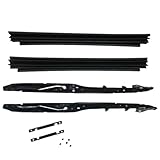
ZrAutomch LH/RH Sunroof Moon Roof Guide Track Repair Pair Kit with Blinds Fit for Ford F150 Expedition 2015-2022 Replace#FL34 16502F86-BD,FL34 16502F86-BA,FL3Z1651071B,FL3Z1651070B

Sunroof Blind Repair Kit 7P0898870 Compatible with VW Touareg

Stormsure Car Roof Repair Kit in Black - Durable, Waterproof Fix for Leaks and Tears, Ideal for All Vehicle Types
Signs Your Roof Blind Need Repair
- The blind no longer stays in the position you set: This usually points to weak tension, worn side fittings, or guide components that are no longer holding properly. Checking Roof Blind repair kits is often a good first step.
- The blind catches or drags in the side channels: On a Roof Blind, smooth guided movement is essential, so sticking usually means the rails, guides, or tension system need attention.
- The handle bar feels loose or damaged: If the lower operating bar is cracked or no longer secure, the blind becomes harder to control and the fabric may start taking strain instead.
- The blind no longer closes fully against the roof window: Roof Blinds are often chosen for privacy, glare reduction, or blackout performance, so incomplete closure is a strong sign that something in the fitted system is wearing out.
- The fabric edges are rubbing, fraying, or curling inside the channels: This usually means the blind is no longer tracking correctly and may already be starting to wear unevenly.
- The blind looks skewed or lower on one side: A Roof Blind needs even support inside its side rails, so a tilted or skewed look often means one guide or fitting has already shifted or failed.
- The blind still looks good, but the fitted hardware feels unreliable: This is often the ideal moment to repair a Roof Blind, because the issue is still mainly mechanical rather than requiring a full new blind.
- The side channels or brackets move when the blind is operated: Small hardware movement can quickly turn into bigger alignment problems on Roof Blinds because the whole system depends on stable fitted guidance.
Tools You May Need to Repair Roof Blind
- Measuring tape: A measuring tape helps you check blind size, guide-rail spacing, handle-bar length, and replacement part dimensions before ordering anything.
- Precision screwdriver set: A precision screwdriver set is useful for side fittings, channel covers, bracket screws, and compact roof-window blind hardware.
- Needle-nose pliers: A pair of needle-nose pliers helps with guide clips, small springs, tension components, and other tight parts without damaging them.
- Replacement guide fittings or side parts: If the blind drags or no longer sits correctly, comparing roof window blind replacement parts may be one of the most important steps.
- Replacement handle bar or grip: If the operating bar has cracked or come loose, matching a replacement handle is often the simplest way to restore smooth everyday use.
- Soft cloth and clean work surface: If the blind has to come down for repair, it helps to protect the fabric, side rails, and fitted hardware while you inspect everything properly.
- Small spirit level: A small spirit level helps you check whether the guide rails and brackets are still properly aligned, which matters a lot on Roof Blinds because uneven fitting quickly affects movement.
- Cleaning brush or compressed-air duster: A soft cleaning brush or light duster helps clear debris from side channels before you assume a part actually needs replacing.
Should You Repair or Replace Your Broken Roof Blind?
Repairing a broken Roof Blind usually makes sense when the fabric is still clean, square, and not badly damaged, and the problem is clearly limited to the guide system, brackets, side channels, tension hardware, or handle bar. Because Roof Blinds rely on fitted guidance and controlled movement rather than just hanging freely, a small mechanical issue can make the blind feel completely unusable even when the fabric is still in very good condition. In that situation, replacing the failed side fitting, rail component, or handle part is usually far cheaper than replacing the full blind, especially if all you need is a Roof Blind repair kit or a few compatible roof-window parts.
Replacement becomes the better option when the blind fabric is badly creased, the fitted channels are damaged beyond simple repair, the blind no longer tracks correctly even after hardware fixes, or the full system has several issues at once. It may also make sense to replace the whole blind if the original model-specific parts are difficult to find or if the blind was a low-cost system that is not worth rebuilding. A quick comparison between Roof Blind options and the parts you need can help you decide. In many cases, though, Roof Blinds are worth repairing when the problem is in the fitted hardware rather than the main blind fabric.
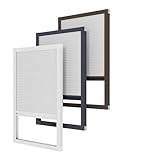
Hoeflife Cellular Shades Cordless Blackout, Skylight Blinds for Windows Roof Window Shades for Home, Room Darkening Honeycomb Blinds for Doors - Custom Cut to Size(Blackout, White)

SEKKVY Tiki Hut Grass Roof, Mexican Style Palm Thatch Rolls, Artificial Palapa Thatch Roofing for Tiki Bar, Duck Blind Grass for Garden Umbrella Luau Party Decoration (Yellow, 16" x 197")

Hoeflife Cellular Shades Cordless Blackout, Skylight Blinds for Windows Roof Window Shades for Home, Room Darkening Honeycomb Blinds for Doors - Custom Cut to Size(Blackout, Black)
Tips to Make Your Roof Blind Last Longer
- Do not force the blind if it starts sticking: Repeated force can wear out the side guides, handle bar, and fitted hardware much faster.
- Operate the blind smoothly and evenly: Sudden jerks put more strain on the guide system than steady controlled movement.
- Keep the side channels clean: Dust and grit in the rails can make the blind drag and wear unevenly over time.
- Check the handle bar when it first starts feeling loose: Fixing a small handle issue early is much easier than dealing with fabric strain caused by using the blind incorrectly.
- Do not ignore slight misalignment: On a Roof Blind, a small tracking issue can turn into rubbing, sticking, and greater guide wear if left alone.
- Inspect the brackets and side fittings regularly: Sometimes the real problem is not the fabric at all, but a fitting or rail component that has shifted out of line.
- Clean the blind gently: Roof-window blinds often sit in bright, warm areas, so heavy scrubbing can damage the fabric or edge finish more quickly than necessary.
- Store removed Roof Blinds carefully: If you take the blind down temporarily, protect the guide rails, fabric, and handle bar so the blind can be reinstalled without new damage.
Roof Blind Repairs FAQ
What usually breaks on a Roof Blind?
The parts that fail most often are side guide fittings, tension components, handle bars, brackets, rail-related parts, and other small fitted hardware. On Roof Blinds, the guided operating system usually wears out before the full fabric panel does.
Can I fix a Roof Blind that keeps sliding back or will not stay in place?
Yes, in many cases. The most common causes are weak tension, worn guide parts, or side fittings that no longer hold properly. Replacing those parts is often enough to solve the problem.
Is a Roof Blind repair kit worth buying?
It can be, especially when the blind has more than one small hardware issue. A Roof Blind repair kit is often easier than sourcing guide parts, fittings, and brackets separately.
Why is my Roof Blind sticking in the side channels?
This usually means the guide rails are dirty, worn, slightly bent, or no longer aligned properly. Because Roof Blinds depend on fitted side guidance, even small rail issues become very noticeable during use.
Can I replace just the handle bar on a Roof Blind?
Yes, if the handle bar is the only clearly damaged part and the rest of the system still works properly. Replacing the handle early can also prevent extra strain on the blind fabric.
How much does it usually cost to repair a Roof Blind?
Minor repairs such as a guide fitting, handle part, or small tension component are often relatively inexpensive, usually around $10 to $35 in parts. Larger repairs involving several fitted components may cost more, but they are still often cheaper than replacing the full blind.
Should I repair or replace a Roof Blind with repeated alignment problems?
If the fabric is still in good condition and the tracking problem is clearly coming from the hardware, repair still makes sense. If the blind keeps sticking even after hardware fixes or the fabric has also started to wear badly, replacement may be the better long-term choice.
Can Roof Blind parts be hard to match?
Sometimes, yes. Some compatible parts are sold under skylight blind or roof window blind terminology rather than simple Roof Blind wording, and model-specific fittings can vary depending on the window system, so it helps to compare measurements and product photos before ordering.

60 PCS Vertical Blind Repair Tabs Kit Clear Fixer Verticle Blinds Snap in Replacement Slats Parts Panels

joytrace RV Pleated Shade Repair Kit, RV Window Shade Restringing Kit, Repair and Maintain of Day Night Pleated Shade (White)
