
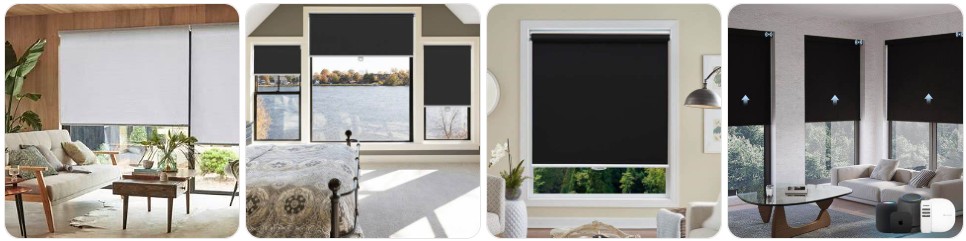
If you need to remove blackout blinds without creasing the fabric or damaging the roller mechanism, the safest approach is to lower the blind into a relaxed position, support the tube evenly, and release the brackets without twisting the fabric or pulling on the control chain. Blackout blinds are designed to block more light than standard rollers, so the fabric is often thicker, heavier, and a little less forgiving during removal. That means careful handling matters, especially if you plan to reinstall the same blind later. This guide walks through how to take down blackout blinds step by step while protecting the clutch, idle end, chain loop, and blackout fabric. If you think you may need replacement hardware afterward, it also helps to review Blackout blind parts before you begin.
What You Need Before Removing Blackout Blind
- A stable step stool or ladder: Blackout blinds are often mounted high above the window recess, and the fabric can make the whole blind feel heavier than expected. Safe overhead access helps you support the tube properly while releasing the brackets.
- A small screwdriver: Many blackout blind brackets use a retaining tab, hinged clip, or spring release, so a precision screwdriver set can make removal much easier without damaging the bracket.
- Needle-nose pliers: A pair of needle-nose pliers can help if the idle-end pin is tight or if a bracket tab is difficult to grip safely.
- A soft cloth or clean flat surface: Once the blind is down, you need somewhere clean to place it so the blackout coating or fabric face does not get scuffed, marked, or creased.
- A soft tie or fabric strap: Use this to keep the blind rolled after removal. Do not tie the blind too tightly, because pressure can flatten the fabric wrap or leave marks in blackout-coated material.
- A small container for screws and covers: Bracket covers, screws, end caps, and chain safety fittings are easy to lose once the blind is off the wall or frame.
- Optional replacement parts on hand: If the blind already feels rough, noisy, or loose in the brackets, it may help to compare blackout blind parts, roller shade clutch replacements, or roller shade mounting brackets before you begin.
Blackout Blind Removal Guide
Removing a blackout blind is usually straightforward once you identify which side holds the clutch and which side uses the idle-end pin, but blackout fabric needs a little more care than standard light-filtering material because it is often heavier and more prone to creasing if the blind twists during removal. The safest method is to support the roller tube, release the control side carefully, then free the opposite end without letting the blind drop suddenly. Always handle the blind by the roller tube or cassette instead of pulling on the blackout fabric itself.
- Lower the blackout blind to a relaxed position: Bring the blind down far enough that the fabric is not wound tightly around the tube. This reduces tension and makes the roller easier to control during removal.
- Check that the fabric is wrapping evenly: Before taking the blind down, make sure the blackout material is sitting straight on the tube. If the wrap already looks skewed, straighten it gently before you release the brackets.
- Inspect the bracket type first: Look at both ends of the blind and identify the control side with the chain and the opposite idle-end side. Most blackout blinds use roller-style hardware, but the exact bracket clip can vary by brand.
- Remove any fascia, cassette cover, or bracket caps: If your blackout blind has a front cover hiding the hardware, remove it first so you can reach the bracket tabs and release points clearly.
- Support the roller tube with one hand: Before releasing any bracket, hold the roller tube or cassette firmly. Do not hold the weight of the blind by the fabric alone, because that can stretch the material, distort the wrap, or crease the blackout backing.
- Release the control-side bracket carefully: Use your fingers or a small screwdriver to press the retaining tab or open the bracket clip on the chain side. This is usually the tighter side and the one that needs the most control.
- Ease the clutch end out slightly: Once the tab releases, pull the clutch side forward just enough to disengage it. Keep the blind level so the opposite side remains supported.
- Free the idle-end side: Compress, lift, or slide the idle-end pin out of its bracket depending on the fitting style. If it feels stuck, avoid twisting the roller hard to force it free.
- Remove the blind evenly: Bring the blind away from the wall or frame in a smooth, level motion. Wider blackout blinds can feel heavier than they look because of the denser fabric and roller tube.
- Lay the blind down and secure it loosely: Place it on a clean surface and use a soft tie to keep the blind rolled without crushing the fabric or leaving pressure marks.
- Inspect the hardware while the blind is down: Check the clutch, chain, idle end, and brackets for wear. If something looks damaged, compare roller shade clutch replacements, bead chain replacements, and blackout blind repair kits before reinstalling.

ChrisDowa Cordless Roller Blinds Replacement Parts Kit, with Metal Bracket

uxcell Bungee Kit for Roller Shade Parts Replacement Black 12Set | Universal Bungee Receiver Brackets Kit Parts for Indoor Outdoor Sunshade Blackout Roller Up Blinds Tie Down

Roller Shade Clutch Repair Kit for 38 mm/1.5" Tube, Replacement Parts Set with Metal Brackets, Plastic Bead Chain and End Caps, Fits Roller Window Shades and Blackout Blinds, Easy Install
Common Problems When Taking Down Blackout Blind
- The control-side bracket will not release: This is one of the most common issues. Many blackout blind brackets have a hidden spring clip or tight retaining tab, so check the bracket carefully before forcing the blind forward.
- The fabric starts unwinding as the blind comes down: This usually happens when the tube is not supported evenly. Hold the blind by the roller tube and keep the fabric wrap aligned as you remove it.
- The idle-end pin feels stuck: Some non-control ends need to be compressed slightly inward before they lift free. Avoid twisting the roller aggressively, because that can disturb the fabric alignment or damage the end fitting.
- The blackout fabric shows pressure marks after removal: This can happen if the blind is tied too tightly or placed on a rough surface. Blackout materials are often thicker, but they can still crease if stored carelessly.
- The chain or clutch already looks worn: This is often easier to spot once the blind is down. If needed, compare replacement bead chains and clutch replacements before reinstalling the same blind.
- The fascia or cassette cover is difficult to remove: Some covers pull forward first, while others clip upward or downward. Forcing them can crack the tabs and make reinstallation harder later.
- The blind feels heavier than expected: Wider blackout blinds combine a roller tube with denser fabric, so they can be awkward to handle. Support both ends evenly during removal, especially on larger windows.
What to Do After Removing Blackout Blind
- Lay the blind on a clean, flat surface: The fabric should not be left on a dusty floor or rough surface. Keeping it flat helps prevent scuffs, edge damage, and creases in the blackout material.
- Straighten the fabric wrap before storing: If the blackout material has shifted sideways, adjust it gently now so the blind does not develop an uneven roll while stored.
- Inspect the clutch, chain, and idle end: This is the best time to check for wear. If needed, compare clutch replacements, replacement chains, and mounting brackets.
- Clean dust from the brackets and chain path: If you plan to reinstall the same blind, cleaning the hardware now can help the mechanism run more smoothly later.
- Store the blind loosely rolled and protected: Avoid placing heavy items on top of it. Blackout blind fabric can crease or flatten if it is stored badly, especially if the blind has a coated backing.
- Bundle the chain safely: Wrap the bead chain loosely so it does not knot, snag, or pull against the control mechanism during storage.
- Decide whether to repair or replace: If removal exposed worn hardware, damaged brackets, or badly creased blackout fabric, compare blackout blind options with parts costs before reinstalling the same blind.
LazBlinds 100% Blackout Roller Shades, 36"x72", Black | No tools No Drill Cordless Blinds for Windows, Thermal Insulated UV Protection Privacy Window Shades

Petaholic 100% Blackout Curtains for Bedroom, Portable DIY Window Blinds, No Drill Window Shades & Blackout Blinds with Stickers & Tabs for Travel, Dorm Room, Media Room (118" x 57")

Window Blinds Cordless No Drill Cut to Size Stick On Temporary Paper Shades | Non-Woven, Blackout, Easy Install, Self Adhesive, Pleated Window Cover for Indoor Windows Doors Bedroom Kitchen Bathroom
Blackout Blind Removal FAQ
Do I need to lower blackout blinds before removing them?
Yes. Lowering the blind into a more relaxed position reduces tension on the fabric wrap and makes the roller easier to support while you release the brackets.
Which side should I release first on a blackout blind?
In most cases, release the control-side clutch bracket first while supporting the roller tube, then free the idle-end side second. That usually keeps the blind more level and easier to control.
Can the fabric get damaged during removal?
Yes. If the blind is pulled by the fabric, dropped unevenly, or stored too tightly afterward, the material can crease, flatten, or shift out of alignment. Always support the roller tube instead of the fabric.
Why will my blackout blind not come out of the bracket?
The most common reasons are a hidden retaining tab on the control side, a tight spring clip, or an idle-end pin that still needs to be compressed slightly before lifting free.
Should I remove the chain before taking the blind down?
Not usually. In most cases, the chain can stay attached unless you are also replacing the clutch, chain loop, or safety device at the same time.
What if the clutch looks worn after I remove the blind?
That is actually the best time to replace it, because the blind is already down and the hardware is easier to inspect. Matching the clutch to the tube size and control side is the important part.
Can I reinstall the same blackout blind after taking it down?
Yes, as long as the brackets, clutch, idle end, and fabric are still in good condition. Removal is a useful chance to inspect the hardware and clean the blind before putting it back up.
Are blackout blinds removed the same way as standard roller blinds?
In many cases, yes, because blackout blinds usually use a roller-style bracket system. The difference is that blackout fabric is often heavier and less forgiving, so it needs a little more care during handling and storage.
Summary
Removing blackout blinds safely is mostly about supporting the roller tube correctly, releasing the control-side bracket with care, and protecting the heavier blackout fabric from twisting, creasing, or flattening while the blind comes down. Once the blind is off the window, you can inspect the clutch, chain, idle end, and brackets, clean the hardware, and decide whether it is ready to go back up or needs replacement parts first. If the removal turns into a repair project, it also helps to review repair Blackout blinds before reinstalling the blind.

60 PCS Vertical Blind Repair Tabs Kit Clear Fixer Verticle Blinds Snap in Replacement Slats Parts Panels

Vertical Blinds Replacement Stem and Gear Used for Headrail, Carrier Stem Vertical Blinds Curtain Accessories(12 Sets)
