
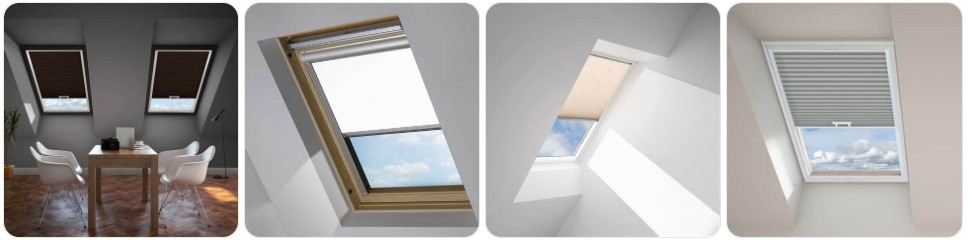
Removing skylight blinds takes a little more care than taking down standard window blinds because you are working overhead or on an angled roof window where the blind may be held in place by side channels, tension cords, guide wires, brackets, or a cassette system. The quick answer is that the safest method is to fully support the blind, release the operating bar or side fixings gradually, and avoid pulling the fabric or forcing one side loose before the rest of the blind is free. Before you begin, it also helps to look at Skylight blind parts so you know which handles, guide rails, brackets, cords, or end caps may need attention after removal.
What You Need Before Removing Skylight Blind
- A stable step ladder: Skylight blinds are mounted overhead or on steeply angled windows, so safe access matters more here than with regular blinds. You need a ladder tall enough to let you support the blind comfortably instead of overreaching.
- A second person for larger skylight blinds: Wide roof-window blinds, blackout cassette blinds, and heavier skylight systems are easier to control with two people. One person can steady the blind while the other releases brackets or side channels.
- A small screwdriver set: Many skylight blinds use brackets, side-channel screws, cassette fixings, or end caps that need to be loosened before the blind comes down. A precision screwdriver set is helpful for working around roof-window hardware without stripping small screws.
- A plastic pry tool: Some skylight blinds have tight end caps, clip-in trims, or side-channel covers that need gentle lifting. A plastic pry tool set can help you lift trim pieces without scratching the frame or cracking plastic covers.
- A parts tray or small container: Skylight blind screws, end caps, brackets, and side-channel covers are small and easy to lose, especially when working from a ladder. Keeping everything together makes reinstallation much easier.
- A microfiber cloth: Once the blind is removed, you may want to wipe dust from the guide rails, cassette, and roof-window frame. A microfiber cloth is useful because it will not scratch painted trim or skylight glazing.
- Replacement hardware if the old fittings look worn: If the blind already sags, sticks in the channels, or has damaged handles or brackets, it can help to compare skylight blind replacement parts before removal so you are ready if clips, cords, or end fittings need to be replaced.
- Painter’s tape for labeling parts: If you are removing more than one skylight blind or taking apart both side channels and the headbox, labeling left and right parts can save a lot of time during reinstallation.
Skylight Blind Removal Guide
Before taking down a skylight blind, inspect whether it is a cassette blind, a tensioned pleated blind, a blackout roof-window blind, or another guided system that sits inside side rails or brackets. The main risk is trying to pull the blind away from the skylight before the operating bar, side channels, or mounting points have been released in the right order. To remove a skylight blind without damaging it, support the blind first, release any covers or end caps carefully, detach the blind evenly from both sides, and never tug on the fabric panel or pull bar alone.
- Open the skylight area safely and position your ladder properly: Set the ladder on a stable surface so you can reach the blind squarely. Because skylight blinds are overhead, you want both hands free to support the blind rather than stretching awkwardly from one side.
- Inspect how the blind is mounted: Look for side channels, cassette covers, visible screws, clip-in brackets, pull bars, or end caps. Skylight blinds often use a more guided fitting system than standard blinds, so understanding the mounting style first prevents unnecessary force.
- Close or stabilize the blind before removal: In many cases, it is easier to remove a skylight blind when the fabric is in a controlled position rather than hanging loosely. A compact blind is easier to support and less likely to crease or twist while you work.
- Remove any trim covers or end caps first: If the blind has snap-on covers hiding the screws or channel ends, lift them gently with a plastic pry tool. Do not force brittle plastic parts because skylight blind trim can crack after years of heat exposure.
- Loosen the side channels or guide fittings if the blind uses them: Many skylight blinds travel inside guide rails to stay close to the angled window. If the channels are screwed on, remove or loosen them evenly rather than fully freeing one side while the other remains tight.
- Support the cassette or headrail with one hand while releasing brackets: Once screws or clips begin to come free, keep the blind supported so it does not drop, twist, or pull against the remaining fixings. This is especially important with heavier blackout skylight blinds.
- Release the blind evenly from both sides: Work left and right in stages so tension stays balanced. Taking one side fully down before the other can bend the headrail, stress the guide wires, or pull the fabric out of alignment.
- Lower the blind slowly and keep the fabric clear: As the last fittings release, lower the blind carefully instead of letting it hang by the operating bar or fabric. The fabric panel should never be used as a handle because it can crease, tear, or pull away from the bar.
- Place the blind on a flat surface immediately: Lay it on a bed, padded table, or clean floor area so the cassette, pull bar, and channels stay straight. Skylight blind parts can warp if leaned against a wall at an angle.
- Check the removed hardware before putting anything away: Inspect the brackets, screws, end caps, side channels, handles, and tension parts. If anything is cracked or worn, compare roof window blind parts or skylight blind repair kits before reinstalling the blind.

pqkfygf End Caps Compatible with VELUX 948474 Screen Roller Blind

Rail Clips Replacement Parts for Skylight Blind Guide Rail, Compatible with Velux Skylight System, Firm Plastic Window Blind Rail Fixing Clips, Anti-Slip Alignment Mount Replacement Parts

Vertical Blinds Replacement Stem and Gear Used for Headrail, Carrier Stem Vertical Blinds Curtain Accessories(12 Sets)
Common Problems When Taking Down Skylight Blind
- The blind feels stuck inside the skylight frame: This often means the blind is still engaged in side channels, guide wires, or hidden brackets. Skylight blinds rarely just pull straight off the way some simple wall-mounted blinds do.
- The side channels will not release evenly: One channel may be under more tension than the other, or a cover may still be hiding a screw. Check both sides carefully before forcing anything.
- The cassette starts to drop as soon as one bracket is released: This is common with heavier blackout skylight blinds. Support the blind fully before undoing the last fixing so the weight does not twist the headrail.
- Plastic end caps crack during removal: Skylight blinds sit in strong sunlight and heat, which can make trims and end caps brittle over time. A plastic opening tool is much safer than using a metal screwdriver to lever covers off.
- The fabric creases or pulls sideways: This usually happens when the blind is lowered by the pull bar alone or removed with one side still attached. Balanced support matters much more on skylight blinds because gravity is already working against the fabric.
- Screws or brackets go missing: Roof-window blind fittings are often small and specialized. Keeping everything in a tray right away helps you avoid hunting for exact replacement pieces later.
- The blind was already sagging before removal: In that case, worn guide wires, side channels, spring parts, or handles may be the real issue. It helps to look at replacement parts for skylight blinds before you put the blind back.
- The blind no longer sits square after removal: This can happen if the headrail was twisted during removal or if one side channel was forced more than the other. Always lay the blind flat immediately after taking it down.
What to Do After Removing Skylight Blind
- Lay the blind flat and keep it supported: Skylight blinds often have side-guided or cassette-based structures that can warp if stored leaning on edge for too long.
- Clean the skylight frame and guide channels: Dust and fine debris can build up in roof-window rails and side channels, which often causes skylight blinds to drag or jam. Wiping the area now makes reinstallation easier.
- Inspect the blind for wear: Check the pull bar, side rails, brackets, end caps, cords, guide wires, and any spring-loaded parts. These are the areas most likely to wear on skylight blinds because they operate against gravity and direct heat.
- Sort and label all removed hardware: Store left and right brackets, screws, end caps, and rail pieces together so nothing gets mixed up if you reinstall the blind later.
- Decide whether the blind needs replacement parts or a repair kit: If the blind has sticking channels, weak tension, or broken fittings, compare skylight blind repair kits and roof window blind parts before reinstalling it.
- Check whether the skylight itself needs cleaning or maintenance: Removing the blind gives you better access to the glazing, frame, and corners around the roof window, making it a good time to clean the area thoroughly.
- Plan reinstallation carefully if the blind was difficult to remove: If the blind came down unevenly or the channels were tight, take photos of the hardware layout before moving parts around so you can reverse the process more easily later.

MiLin Blackout White Skylight Blinds Cordless Cellular Shades for Windows

MiLin Skylight Shades & Blinds Blackout Cordless Cellular Blinds for Window Shades Suitable for Roof Inclined Plane Room Windows - Custom Cut to Size (100% Blackout White)

Petaholic 100% Blackout Curtains for Bedroom, Portable DIY Window Blinds, No Drill Window Shades & Blackout Blinds with Stickers & Tabs for Travel, Dorm Room, Media Room (118" x 57")
Skylight Blind Removal FAQ
How do you remove skylight blinds without damaging them?
The safest way is to support the blind first, remove any end caps or trim covers carefully, release side channels or brackets evenly, and lower the blind slowly without pulling on the fabric panel itself.
Do skylight blinds just unclip from the window?
Some do use clip-in brackets, but many skylight blinds also rely on side channels, guide rails, screws, or cassette fittings. That is why it is important to inspect the mounting system before trying to pull the blind free.
Should the skylight blind be open or closed before removal?
In many cases, a more closed or controlled position is easier because the blind is more compact and easier to support. The best position depends on the blind design, but you generally do not want the fabric hanging loose while you remove it.
Why is my skylight blind stuck in the side channels?
This usually means the guide rails are still fixed in place, the blind is under tension, or a hidden screw or end cap is still holding the channel. Forcing it can bend the rail or damage the blind fabric.
Can I remove a skylight blind by myself?
Yes, smaller skylight blinds can often be removed by one person, but larger or heavier cassette blinds are safer with two people so the blind stays supported as the final brackets are released.
What tools do I need to take down a skylight blind?
A stable step ladder, a small screwdriver set, a plastic pry tool, a parts tray, and a microfiber cloth are the most useful items for removing and inspecting a skylight blind safely.
What if the end caps or covers are brittle?
Work slowly and lift them gently with a plastic tool instead of a metal blade. Skylight blind trims often become brittle from heat and sunlight, so sudden force can crack them.
What should I check after removing a skylight blind?
Inspect the brackets, side channels, screws, pull bar, guide wires, tension parts, and any spring or cassette fittings. If the blind was sagging, sticking, or moving unevenly before removal, those parts are the most likely trouble spots.
Summary
Taking down skylight blinds is mainly about working in the right order and keeping the blind supported from start to finish. Because skylight blinds are mounted overhead or on angled roof windows, they often use side channels, brackets, cassettes, and tensioned hardware that need to be released carefully rather than pulled loose all at once. After removal, lay the blind flat, inspect all fittings, clean the frame and guide areas, and replace any worn parts before reinstalling. If the blind needs more than basic maintenance, it may also help to see how to repair Skylight blinds before deciding whether to replace the whole unit.

60 PCS Vertical Blind Repair Tabs Kit Clear Fixer Verticle Blinds Snap in Replacement Slats Parts Panels
Vertical Blinds Replacement Stem and Gear Used for Headrail, Carrier Stem Vertical Blinds Curtain Accessories(12 Sets)
