
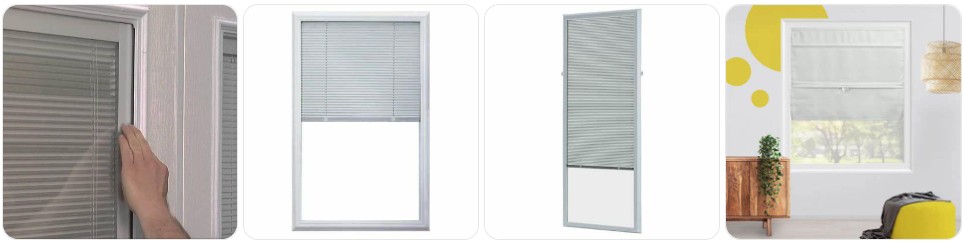
Taking down magnetic blinds is usually easier than removing screw-mounted blinds, but you still need to work carefully so you do not bend the headrail, crack the magnetic frame pieces, or pull too hard on the window attachment points. In most cases, the safest method is to support the blind with one hand, separate the magnetic connection gradually instead of yanking it off in one motion, and inspect the frame or mounting strip as each section comes free. If you want to check hardware before you start, it helps to look at Magnetic blind parts so you know what clips, strips, or frame pieces may need attention afterward.
What You Need Before Removing Magnetic Blind
- A clear work area around the window or door: Magnetic blinds are often used on metal doors, steel-framed windows, and compact spaces where the blind sits close to the glass. Clear the sill, nearby furniture, and any items that could catch the blind as you pull it away.
- A step stool if the blind is mounted high: Some magnetic blinds are fitted on tall entry doors, patio doors, or upper window sections. Stable footing helps you pull the blind away evenly instead of peeling one side off too aggressively.
- A soft microfiber cloth: Once the blind is removed, you may want to wipe down the blind frame, magnetic strip, and the metal surface it was attached to. A microfiber cloth for window cleaning is useful because it will not scratch the blind frame or glass.
- A plastic pry tool for stubborn corners: Most magnetic blinds should come off by hand, but older adhesive-backed magnetic strips or tight corner pieces can sometimes stick more than expected. A plastic pry tool set for blinds can help lift a corner without gouging the frame.
- A container for loose clips, magnets, or corner connectors: Some magnetic blind designs include removable frame segments, clip-on valance pieces, or small corner connectors that can fall out once the blind is handled. Keeping a tray nearby makes reinstallation easier.
- Replacement strips or magnetic hardware as backup: If the magnetic strip is weak, peeling, or cracked, it can help to compare replacement magnetic blind strips and parts before removal so you are ready if a section no longer holds properly.
- Painter’s tape for labeling multiple blinds: If you are taking down more than one magnetic blind from different doors or windows, label each one. Magnetic blinds may look similar, but width, frame depth, and magnet placement can vary enough that mixing them up slows reinstallation.
Magnetic Blind Removal Guide
Before removing a magnetic blind, look closely at how it is attached. Some models snap directly onto a metal door or frame, while others use magnetic strips paired with adhesive backing, slim brackets, or framed inserts that hold the blind in position. The biggest mistake is trying to rip the whole unit off in one pull. To remove a magnetic blind without damaging it, start at one corner, separate the magnetic hold gradually, support the blind as more of the frame releases, and stop immediately if any part feels stuck for a reason other than normal magnetic resistance.
- Inspect how the magnetic blind is mounted: Check whether the blind is attached directly to a metal surface, connected to a magnetic frame insert, or held by a combination of magnet and adhesive-backed strip. This matters because some blinds lift away cleanly, while others need the frame separated in sections.
- Close or stabilize the blind first: If the blind slats are loose or partially open, close them so the blind stays compact while you remove it. This reduces twisting and makes the frame easier to support.
- Start from the least-loaded corner: In most magnetic blind setups, a top corner or side corner is the safest place to begin. Pulling from the center can flex the frame too much and put unnecessary stress on the magnetic strip.
- Use your fingers to break the magnetic hold gradually: Gently pull one corner outward just enough to separate the first section of magnet from the frame or door. Do not jerk the blind forward. A slow peel is much safer than a hard pull because it keeps the magnetic strip from tearing loose unevenly.
- Support the blind with your other hand as more of it releases: Once one corner is free, keep a hand under the blind or along the side of the frame so it does not swing down, twist, or hit the glass.
- Work around the edge section by section: Move along the top, then down the side, separating the magnetic connection gradually. If your blind uses a framed insert, release each side in a balanced order rather than stripping off one whole side first.
- Use a plastic tool only if a corner is stuck: If a section will not lift cleanly because adhesive residue or a tight frame piece is holding it, slide a plastic pry tool under the edge and lift gently. Avoid metal tools because they can scratch painted door surfaces or crack plastic frame trim.
- Check for hidden connectors or corner locks: Some magnetic blind systems include corner joiners, sleeve pieces, or clip-in frame sections that make the blind feel stuck even after the magnetic hold is released. If something does not move naturally, inspect the edge before forcing it.
- Lift the blind away fully and place it on a flat surface: Once all magnetic points are free, carry the blind to a table, floor mat, or bed and lay it flat. This is especially important if the blind has a lightweight frame that could warp if left leaning at an angle.
- Inspect the frame, magnets, and mounting area: Look for weak magnets, peeling adhesive strips, bent frame pieces, dust buildup, or worn corners. If any section looks damaged, compare replacement magnetic blind parts before reinstalling the blind.

YYST 1″ Magnetic Door Blind Brackets Mini Window Box Mounting Head Rail with Magnets (Type A X 2)

YYST 1″ Magnetic Door Blind Brackets Mini Window Box Mounting Head Rail for Blind with Magnets (Type B X 2)

YYST 1″Magnetic Door Blind Brackets Mini Window Box Mounting Head Rail with Magnets (Type A X 4)
Common Problems When Taking Down Magnetic Blind
- The blind feels stuck even though it should be magnetic: This often means the blind also uses adhesive-backed strips, a framed insert, or clip-on corner sections in addition to the magnets. Check the edges before pulling harder.
- The frame bends while you are removing it: This usually happens when one side is pulled free too quickly while the opposite side is still attached. Magnetic blinds should be released gradually so the frame stays supported.
- The magnetic strip starts peeling off the blind or door: Older adhesive-backed magnetic strips can weaken over time, especially in sunny doors and windows. In that case, you may need replacement magnetic strips before putting the blind back up.
- Corner connectors pop loose: Some framed magnetic blinds use small plastic corner pieces that can shift or fall out during removal. Keep these parts together immediately so the frame goes back together square.
- The blind hits the glass as it comes down: This is common when the blind is removed one-handed or released too quickly from a high position. Supporting the frame with both hands helps prevent impact damage.
- The blind no longer sits flat after removal: A lightweight magnetic frame can twist if it is bent during removal or leaned against a wall for too long. Laying it flat right away helps preserve its shape.
- Magnets feel weak after taking the blind down: The issue may not be the magnet itself but dust, grime, paint buildup, or a warped frame preventing full contact. Clean the contact surfaces before assuming the blind needs complete replacement.
What to Do After Removing Magnetic Blind
- Lay the blind flat in a safe place: Magnetic blinds often use light frames that can bend if left leaning sideways. A flat storage position helps protect both the blind and the magnetic edges.
- Clean the magnetic surfaces: Wipe the blind frame, magnetic strip, and metal mounting area with a dry or slightly damp microfiber cloth. Dust and residue can reduce the strength of the magnetic hold over time.
- Inspect for weak or peeling adhesive sections: If your magnetic blind uses adhesive-backed strips, check whether any sections are lifting. Replacing worn pieces with adhesive-backed replacement strips can restore a more secure fit.
- Check the frame for bends or gaps: A magnetic blind needs even contact around the edges to sit properly. If the frame is warped, the magnets may not align well when you reinstall it.
- Keep all loose parts together: Store any corner connectors, sleeves, trim pieces, or clips in one small labeled bag so nothing goes missing before reinstallation.
- Decide whether the blind needs parts, repair, or full replacement: If the magnets are weak, the frame is cracked, or the slats no longer hang correctly, compare magnetic blind replacement options before reinstalling a worn-out unit.
- Clean the glass or door while the blind is off: Removal gives you full access to the surface behind the blind, making it a good time to clean the glass, metal door, or window frame thoroughly before putting everything back.

DEZ FURNISHINGS Cordless No Tools 1" Magnet Mini Blinds for Metal Doors, Room Darkening, 25" W x 42" H, White
DEZ FURNISHINGS Cordless No Tools 1" Magnet Mini Blinds for Metal Doors, Room Darkening, 25" W x 72" H, White

REGAL estate Strong Hold Magnetic Door Mini Blinds, White, 25 x 72 in
Magnetic Blind Removal FAQ
How do you remove magnetic blinds without damaging them?
The safest method is to start at one corner, separate the magnetic hold gradually, support the blind as it comes free, and avoid pulling the entire unit off in one fast motion.
Do magnetic blinds just pull off?
Some do, but not all. Many magnetic blinds lift away easily by hand, while others also use adhesive strips, frame inserts, or corner connectors that need a more careful removal approach.
Can magnetic blinds damage the door or window frame when removed?
They usually do not if removed slowly, but adhesive-backed magnetic strips can sometimes leave residue or lift weak paint if the surface is already compromised.
What should I do if my magnetic blind will not come off?
Check whether the blind has hidden connectors, an adhesive-backed strip, or a framed insert system. Do not force it. Release one corner first and inspect the edge before continuing.
Can I remove and reinstall the same magnetic blind?
Yes, in many cases you can, especially if the magnets and frame are still in good condition. Clean the contact surfaces and inspect the edges before putting it back up.
Why is my magnetic blind weak after I take it down?
Dust, adhesive wear, a bent frame, or dirty contact surfaces can all reduce holding strength. Cleaning and replacing worn strips often helps restore a better fit.
Do I need tools to take down magnetic blinds?
Usually you can remove them by hand, but a plastic pry tool and microfiber cloth are helpful for stubborn corners, cleanup, and protecting the frame.
What should I do if the magnetic strip peels during removal?
Stop pulling, lift the area slowly, and plan to replace the worn strip before reinstalling the blind. A fresh strip usually provides a more secure hold than trying to reuse a damaged one.
Summary
Removing magnetic blinds is usually a simple job when you work slowly, release the magnetic hold a little at a time, and support the frame so it does not twist or strike the glass. The key is to check whether the blind uses only magnets or a combination of magnets, adhesive strips, and frame connectors before you start. After removal, clean the contact surfaces, inspect the frame and magnets, and replace any worn pieces before reinstalling. If the blind needs more than basic maintenance, it may also help to see how to repair Magnetic blinds before deciding whether to replace the whole unit.

60 PCS Vertical Blind Repair Tabs Kit Clear Fixer Verticle Blinds Snap in Replacement Slats Parts Panels

Vertical Blinds Replacement Stem and Gear Used for Headrail, Carrier Stem Vertical Blinds Curtain Accessories(12 Sets)
