
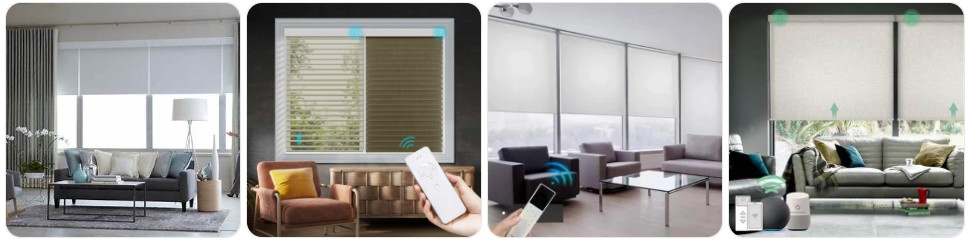
Removing motorized blinds safely is mostly about cutting power first, supporting the headrail before releasing the brackets, and protecting the motor, battery wand, and wiring from sudden drops or twists. This guide walks you through the full process step by step so you can take down motorized blinds without damaging the fabric, cassette, brackets, charger port, or smart-control components. Before you begin, it helps to identify your hardware and check compatible Motorized blind parts in case you discover a broken clip, missing bracket screw, damaged battery tube, or worn mounting tab during removal.
What You Need Before Removing Motorized Blind
- The correct power setup information: Check whether your motorized blind uses a rechargeable battery wand, disposable battery tube, plug-in transformer, or hardwired low-voltage power supply. This matters because the first step is always to disconnect power safely before you touch the headrail.
- A sturdy step ladder: Motorized blinds usually have a heavier headrail than manual blinds because the motor and power components add weight. A stable ladder helps you support the blind properly while releasing mounting clips.
- A manual screwdriver set: Many motorized blind brackets use small mounting screws or retaining tabs. A compact precision screwdriver set and a multi-bit screwdriver are often more useful than a power drill for careful removal.
- Needle-nose pliers for battery clips or tight connectors: Some battery trays and charging leads sit tightly inside the headrail area, so a needle-nose pliers set can help you disconnect them gently without pulling on the wire itself.
- A small container for screws, clips, and end caps: Motorized blind hardware can include bracket screws, spacer blocks, valance clips, battery cradle screws, and charger covers. Keeping them together prevents reinstallation problems later.
- Painter’s tape or labels: This is especially useful if you are taking down multiple smart blinds at once. Label the blind location, remote channel, charger, and bracket position so you do not mix up paired components.
- A soft blanket or large towel: Once removed, place the blind on a padded surface so the motor side, roller tube, or cassette fascia does not get scratched.
- Another person for wide or oversized blinds: This is especially important for large motorized roller blinds, zebra blinds, and dual shades because the weight is concentrated inside the motor end and can twist the tube if one side drops first.
Motorized Blind Removal Guide
Motorized blinds are removed a little differently from standard blinds because you have to think about power, control components, and extra headrail weight. The safest approach is to lower the blind fully or to a stable service position, disconnect its power source, support the headrail with one hand, and only then release the bracket tabs or mounting clips. Never yank the blind downward to “pop” it free because that can crack the bracket housing, bend the roller pin, damage the motor coupling, or pull a charging wire loose inside the cassette.
- Move the blind to a safe position before removal: If the blind still works, use the remote or wall control to lower it to its fully down position or the manufacturer’s recommended service position. This helps reduce spring tension on some systems and keeps the fabric wrapped evenly around the tube.
- Disconnect the power source completely: Remove the battery wand, unplug the transformer, switch off the outlet adapter, or isolate the low-voltage feed if the blind is professionally wired. For rechargeable systems, disconnect the charging lead from the blind rather than leaving it attached while you work.
- Take off the valance, fascia, or cassette cover if present: Many motorized blinds hide their brackets behind a snap-on fascia or decorative valance. Release it carefully by hand so you can see the mounting hardware clearly. If you need replacement trim or clips later, browsing motorized blind brackets or valance clips can help you compare shapes.
- Inspect both ends before releasing anything: One side usually holds the motor, while the other may use an idle pin, spring-loaded pin, or locking cradle. Look closely so you know which end lifts out first. Do not assume both brackets release the same way:
- Remove or detach external battery hardware: If your blind has a separate battery wand clipped to the wall or headrail, unclip it first and label it. This makes the blind lighter and reduces the chance of the battery tube swinging into the window during removal.
- Support the headrail or roller tube firmly: Place one hand near the motor end and the other near the idle end, or have a second person support the opposite side. This matters because motorized blinds are often heavier on one side and can drop unevenly.
- Release the retaining tab or bracket clip on the non-motor side first: Many systems allow the idle end to pop out once you press a small metal or plastic tab with a flat screwdriver. Use gentle pressure only. If it does not move, stop and recheck the bracket style instead of forcing it.
- Lift or angle the motor side out of its bracket: Once the first side is free, carefully slide or tilt the motor end out of its mounting cradle. Keep the blind level while doing this so the roller pin or drive cog does not bind.
- Lower the blind straight down and away from the window: Avoid twisting the tube, crushing the fabric, or letting the motor side strike the frame. Set the blind immediately on a soft surface.
- Disconnect any remaining wires or smart modules: Some high-end motorized blinds use a separate receiver, hub lead, or inline power connector near the bracket. Disconnect by holding the connector body, not the cable.
- Remove the mounting brackets only if needed: If you are replacing the blind entirely, unscrew the brackets and store the screws. A magnetic parts tray is handy for keeping small screws and clips together.
- Label everything for reinstallation or repair: Mark the motor side, room location, remote channel, charger, bracket orientation, and any spacer blocks. This saves a huge amount of time when reinstalling the same unit later.

#560 Universal Roller Shade Replacement Parts, Roller Blind Fitting Repair Kit for 1.5"(38mm) Tube with R16 Clutches, Metal Bracket, and End Plug

Rollerhouses RHSA38-A 38mm Metal Roller Blind Fittings Repair Parts Kit Brackets Heavy Duty 1.5 Inch/Rollease Skyline Roller Shade Mounting Brackets
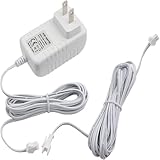
XZGm 13.3V 650mA Charger for Somfy Sonesse Wirefree ST30 R28 Motor Shades | 198in Extra Long Cable 8Hr Full Charge Battery 9020672 9020673 Motorized Blinds Curtains Awnings 100-240V 2-Pin Li-ion
Common Problems When Taking Down Motorized Blind
- The blind will not respond to the remote before removal: This often leads people to force the blind out while it is in an awkward position. First check whether the battery is dead, the charger is loose, or the remote channel is wrong before you begin taking anything apart.
- The fascia hides the real bracket tabs: On many motorized blinds, the decorative front cover makes it look like the blind should pull straight forward, but the actual release point is behind the cassette. Pulling from the front can crack the fascia clips.
- The motor end is heavier than expected: This is one of the most common surprises. If you let the motor side drop, you can bend the roller pin, crease the fabric edge, or damage the drive insert.
- Battery wands or charging leads snag during removal: If a cable is routed behind the bracket or along the top of the headrail, forgetting to disconnect it can tear the lead from the motor housing. A replacement rechargeable battery pack for motorized blinds or motorized blinds charger may be needed if the original gets damaged.
- Hardwired blinds create uncertainty: If your blind is connected to in-wall low-voltage wiring and you are not sure how it was installed, do not tug on the cable or cut anything. Disconnect power at the correct source first, and treat the wire path carefully.
- The bracket style is misidentified: Some motorized roller blinds use spring-loaded pins, while others use locking tabs, set screws, or snap-in cassette brackets. If the blind does not release with light pressure, stop and inspect rather than forcing the wrong side.
- Fabric telescoping or edge damage happens during handling: Twisting the blind while lowering it can shift the fabric wrap on the tube, especially on zebra, sheer, and layered motorized shades.
- Small plastic clips crack during removal: Older or sun-exposed brackets become brittle over time. If you notice stress marks, remove them slowly and consider replacing worn clips or brackets before reinstalling.
What to Do After Removing Motorized Blind
- Inspect the brackets and motor side immediately: Look for cracked housings, bent pins, loose charging ports, worn plastic inserts, or missing bracket tabs before storing or reinstalling the blind.
- Clean dust from the headrail, motor area, and battery compartment: Use a dry microfiber cloth or a light electronics-safe dusting method. Avoid spraying cleaner directly into the motor or charging port.
- Store the blind horizontally when possible: A padded shelf, workbench, or clean floor area is better than leaning the blind upright where the motor side could bear too much weight.
- Keep the fabric wrapped neatly: If it is a motorized roller or layered shade, avoid unrolling it loosely while it is off the wall because the edges can crease or collect dirt.
- Bundle the accessories together: Tape the remote label to the blind, place screws in a bag, and keep the charger or battery wand with the same unit. A small set of zipper parts bags works well for this.
- Recharge or test the battery before reinstalling: It is easier to deal with charging issues while the blind is off the window than after it goes back up. If the original power accessories are missing, you can compare motorized blind remotes, chargers, and battery packs on Amazon.
- Take photos of the bracket orientation and wiring route: This is one of the best ways to avoid confusion later, especially for smart blinds paired to hubs or grouped scenes.
- Decide whether the blind needs repair, replacement parts, or full replacement: A blind that came down because of a broken bracket, dead battery pack, stripped mount, or damaged motor may be repairable without replacing the entire unit.

Motorized Blinds No Drill Automatic Blinds for Windows Cordless Roller Shades Electric Blinds with Remote Control Smart Blinds (White, 34.5 x 72)
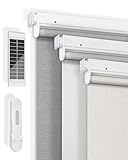
LICHTDIM24 No-Drill Motorized Blinds with Remote, Blackout Roller Shades | Rechargeable Shades for Windows, Electric Automatic Wireless Cordless Blinds for Bedroom and Living room (White,34.25"W*72"H)

Motorized Blinds with Remote: Canisteo Battery Powered Control Electric Smart Roller Blinds Shades with Remote for Windows Cordless 100% Blackout, White, 43" W X 72" H
Motorized Blind Removal FAQ
Do I need to disconnect power before removing motorized blinds?
Yes. You should disconnect the battery wand, charger, transformer, or low-voltage feed before releasing the blind from its brackets. This reduces the risk of damaging the motor, pulling out a charging lead, or shorting a connector during removal.
Which side of a motorized blind should come out first?
In many systems, the non-motor or idle side releases first, and the motor side comes out second. However, bracket designs vary, so always inspect both ends before applying pressure. The wrong approach can crack the bracket or bend the drive pin.
Can I remove motorized blinds by myself?
You can usually remove a small motorized blind alone, but wide, heavy, or cassette-style blinds are much safer with two people. The extra weight of the motor and battery components makes uneven drops more likely than with manual blinds.
Can removing the blind erase its remote pairing or smart settings?
Usually no. Taking the blind off the brackets does not normally erase programming, but disconnecting batteries for a long period or pressing reset buttons by accident can affect pairing on some models. Labeling the remote channel and accessories before removal is a smart precaution.
What if the motorized blind is hardwired?
Hardwired blinds need extra care. Turn off the correct power source first and avoid pulling on hidden wiring. If the cable route disappears into the wall or frame and you are unsure how it disconnects, treat it as a wiring task rather than a simple blind removal job.
Why is my motorized blind stuck in the bracket?
The most common reasons are a hidden fascia clip, a locked retaining tab, a spring-loaded pin still under tension, or a bracket style that releases from a different angle than expected. Do not force it. Remove the cover, inspect the bracket carefully, and support the blind before trying again.
Should I remove the battery wand before taking the blind down?
Yes, if the battery wand is external or easily detachable. Removing it makes the blind lighter, reduces swinging weight, and lowers the chance of breaking the battery clip or lead during removal.
What parts are most likely to need replacement after removal?
The most common problem parts are mounting brackets, fascia clips, battery wands, charger leads, idle-end pins, motor-side drive inserts, and small retaining tabs. If any of those look cracked or loose once the blind is off the window, replace them before reinstalling.
Summary
Taking down motorized blinds safely comes down to three priorities: disconnect the power source, support the heavier headrail correctly, and release the brackets in the right order without twisting the motor side. That approach helps prevent broken clips, damaged charging wires, bent roller pins, and fabric edge damage. After removal, inspect the blind carefully, keep all labeled hardware together, and decide whether you only need replacement parts or a full repair. For the next step after removal, you can also check this guide on how to repair Motorized blinds.

60 PCS Vertical Blind Repair Tabs Kit Clear Fixer Verticle Blinds Snap in Replacement Slats Parts Panels

joytrace RV Pleated Shade Repair Kit, RV Window Shade Restringing Kit, Repair and Maintain of Day Night Pleated Shade (White)
