

Removing privacy blinds is usually straightforward once you identify how the headrail is locked into the mounting brackets, but the safest method is to support the blind fully, release the brackets in the right order, and avoid twisting the rail or pulling on any privacy-control fabric or slats while the blind is still hanging. Before you start, it also helps to review Privacy blind parts so you know which brackets, clips, headrails, bottom rails, handles, vanes, or fabric-related pieces may need inspection or replacement once the blind is off the window.
What You Need Before Removing Privacy Blind
- A stable step stool or short ladder: Privacy blinds are often installed high enough that you need safe, steady access to the headrail and bracket release tabs without overreaching.
- A second person for wide privacy blinds: If the blind is wide or uses a heavier privacy fabric, dual-layer material, or full-width headrail, having someone support the opposite side can help prevent twisting during removal.
- A plastic pry tool: Some privacy blinds have tight bracket covers, trim pieces, or snap-on valance clips that are easier to remove with a plastic pry tool instead of a metal blade that might mark the rail or window frame.
- A small flathead screwdriver: Many privacy blind brackets use spring clips or locking tabs that release more easily with a small flathead screwdriver.
- A microfiber cloth or soft towel: Once the blind is down, a microfiber cloth is useful for wiping dust from the headrail, mounting area, privacy fabric, and any side hardware before storage or reinstallation.
- A small container for hardware: Privacy blind bracket covers, screws, side clips, spacer blocks, and end caps are easy to lose as soon as the blind comes down.
- Painter’s tape for labeling parts: If your privacy blind uses more than one bracket or different left and right mounting pieces, labeling them now makes reinstallation much easier.
- Replacement brackets or clips if the blind was loose: If the privacy blind was already leaning, rattling, or not locking in tightly, it can help to compare privacy blind brackets, mounting clips, and privacy blind replacement parts before removal.
Privacy Blind Removal Guide
Privacy blinds should be removed slowly because many of them rely on a headrail-and-bracket system that can release suddenly if one side is freed before the other. The safest approach is to move the blind into a controlled position, support the headrail with one hand, and release each bracket without pulling on the privacy fabric, slats, or bottom rail. That is especially important if your privacy blind uses fabric vanes, layered material, a blackout/privacy liner, or a cordless system, because uneven handling can crease the material, bend the rail, or stress the internal lift mechanism.
- Inspect the privacy blind mounting style first: Look at the headrail and brackets to see whether the blind uses snap-in brackets, hidden clips, box brackets, or front-loading mounts. Many privacy blinds release from the back edge or underside of the headrail rather than the front face.
- Move the privacy blind into a stable position: Before removal, raise or compact the blind into the most controlled position possible. If the blind has soft fabric or layered privacy material, keeping it gathered neatly makes it much easier to handle without creasing or stretching it.
- Support the headrail fully before touching the brackets: Keep one hand firmly under or around the headrail. Do not pull down on the fabric, bottom rail, privacy slats, or operating handle, because those are not the parts designed to support the blind during removal.
- Remove any valance, cover, or trim pieces: If the privacy blind has a decorative front cover or bracket clips, remove them carefully using your fingers or a plastic pry tool. Thin covers can crack if bent too sharply.
- Locate the release tab on the bracket: Most privacy blind brackets lock the headrail behind a lip or spring tab. Use gentle pressure with your fingers or a small flathead screwdriver to press the tab while carefully rolling the headrail forward.
- Loosen the first side only slightly: Once one side begins to release, keep the headrail level and supported. Do not let one end hang while the other remains locked in place, especially on wide privacy blinds where the rail can twist.
- Release the opposite side and any center support brackets: Move to the other bracket and repeat the same motion. If the blind has a center support, lower the headrail evenly so it clears the support without snagging.
- Lower the privacy blind in one controlled motion: As soon as the headrail is free, bring the blind down gently and place it on a clean, flat surface. That helps keep the fabric, slats, and rails aligned.
- Inspect the blind and hardware immediately: Look at the headrail, bottom rail, brackets, side clips, end caps, handles, and any privacy layers or vanes. If something looks worn, compare privacy blind replacement parts and privacy blind repair kits before reinstalling.
- Store all mounting hardware together: Put screws, bracket covers, spacer blocks, and support clips into one container so the complete set stays organized for reinstallation.
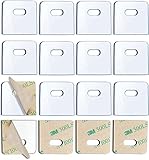
SOGEWO (16 Set/32 Pieces) Clear Vertical Blind Repair Tabs, Vertical Blinds tabs/Blind Fixers for Vertical Blinds Replacement Slats & Parts

60 PCS Vertical Blind Repair Tabs Kit Clear Fixer Verticle Blinds Snap in Replacement Slats Parts Panels

Leinuosen 12 Pieces Vertical Blind Clips Stems Replacement Parts | Vertical Blind Carrier Stems, 8 mm Head, Replacement Parts for 3-1/2 or 5 Inch Vertical Blind Vanes, Headrail Accessories
Common Problems When Taking Down Privacy Blind
- The headrail will not release from the brackets: This usually means the spring tab is still engaged or the rail needs to tilt forward before it can clear the bracket lip.
- One side comes loose but the other side is stuck: This is common with older privacy blind mounts. Keep the headrail supported and avoid twisting the blind sideways while you free the other side.
- The privacy fabric bunches or shifts during removal: This often happens when the blind was left too open before taking it down. Privacy blinds are easier to remove when the fabric or slats are compact and controlled.
- The blind feels heavier than expected: Some privacy blinds have layered materials, blackout/privacy liners, or wider headrails that add weight compared with simpler blinds.
- Bracket covers or trim pieces crack: Decorative pieces on privacy blinds can become brittle over time, especially in sunny windows. A plastic pry tool is usually safer than forcing them off with a metal blade.
- The blind was already crooked before removal: That can point to worn clips, bent brackets, or a headrail that was not seated correctly. It may help to compare replacement mounting clips before reinstalling the blind.
- The operating handle or bottom rail feels loose: That often means the blind has additional wear beyond the mounting hardware, so removal is a good time to inspect those parts more closely.
- Small hardware pieces fall off after the blind comes down: End caps, side clips, bracket covers, and spacers can loosen during removal, so place them in a parts tray immediately.
What to Do After Removing Privacy Blind
- Lay the blind flat on a clean surface: Privacy blinds with fabric layers, slats, or specialty privacy panels stay in better shape when the rails are evenly supported instead of leaning against a wall.
- Inspect the window opening and mounting points: Check for dust buildup, stripped screw holes, uneven bracket spacing, or frame damage that may have affected how the privacy blind sat in the window.
- Clean the headrail and mounting area: Use a soft cleaning cloth to wipe the rail, brackets, and surrounding frame before reinstalling or storing the blind.
- Check for worn or damaged hardware: Look closely at the brackets, clips, end caps, handles, and any privacy-control components. These are often the parts that cause poor alignment or loose fit once the blind goes back up.
- Replace damaged parts before rehanging the blind: If a bracket or clip is cracked, or if the blind never sat securely in the window, it is better to replace those items now instead of putting the blind back up the same way.
- Store the blind where the rails stay straight: Keep the privacy blind flat or evenly supported so the headrail and bottom rail do not bend in storage.
- Keep hardware grouped by position: Left, center, and right brackets often wear into place over time, so keeping them organized can make reinstallation smoother.
- Decide whether the blind needs repair before reinstallation: If the blind was difficult to operate, sat unevenly, or no longer gave proper privacy coverage, it is usually better to fix those issues before hanging it again.

Persilux Cordless Zebra Blinds for Windows Free-Stop Window Blinds (34" W X 64" H, White) Dual Layer Light Control for Day and Night, Light Filtering Sheer Shades for Home, Bedroom, Easy to Install
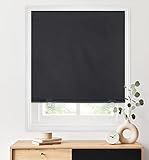
LazBlinds 100% Blackout Roller Shades, 36"x72", Black | No tools No Drill Cordless Blinds for Windows, Thermal Insulated UV Protection Privacy Window Shades

AOSKY Blackout Cordless Roller Shade for Indoor Windows, 23"W x 72"H, Black | Black Out Window Shade with Spring System, Thermal Insulated UV-blocking Fabric, Room Darkening Pull Down Blind for Home Door
Privacy Blind Removal FAQ
How do you remove privacy blinds without damaging them?
The safest method is to support the headrail, keep the blind in a controlled position, and release the mounting brackets carefully without pulling on the privacy fabric, slats, or bottom rail.
Should privacy blinds be fully closed before taking them down?
They should be moved into the most compact and stable position possible before removal so the material and rails are easier to control while the brackets are being released.
Why is my privacy blind stuck in the bracket?
That usually means the release tab is still engaged or the headrail needs to roll forward slightly before it can come free from the bracket lip.
Can I remove a privacy blind by myself?
Yes, smaller privacy blinds are often manageable alone, but wider blinds are safer to remove with a second person supporting the opposite side.
What tools are best for taking down privacy blinds?
A step stool, plastic pry tool, small flathead screwdriver, microfiber cloth, and a small container for hardware are the most useful items for most privacy blind removal jobs.
Can removing privacy blinds damage the fabric or rails?
Yes. Pulling on the bottom rail, letting one side hang, or forcing the headrail out too quickly can bend the rail, crease the privacy material, or strain the operating system.
What should I inspect once the privacy blind is off the window?
Check the headrail, bottom rail, brackets, end caps, clips, handles, privacy fabric or slats, and any mounting supports. Those are the parts most likely to affect reinstallation and performance.
Do privacy blinds use special brackets?
Many do. Some look similar to standard blind brackets, but privacy blinds can use model-specific clips, covers, and headrail connections that should be matched carefully before replacing parts.
Summary
Taking down privacy blinds safely comes down to keeping the blind stable, supporting the headrail correctly, and releasing each bracket in a controlled order so the rail, fabric, and mounting parts are not damaged. After removal, inspect the brackets, clips, rails, handles, end caps, and any privacy-control material before storing or reinstalling the blind. If the blind was already uneven, difficult to operate, or showing worn hardware, it may also help to see how to repair Privacy blinds before putting it back up.
60 PCS Vertical Blind Repair Tabs Kit Clear Fixer Verticle Blinds Snap in Replacement Slats Parts Panels

joytrace RV Pleated Shade Repair Kit, RV Window Shade Restringing Kit, Repair and Maintain of Day Night Pleated Shade (White)
