
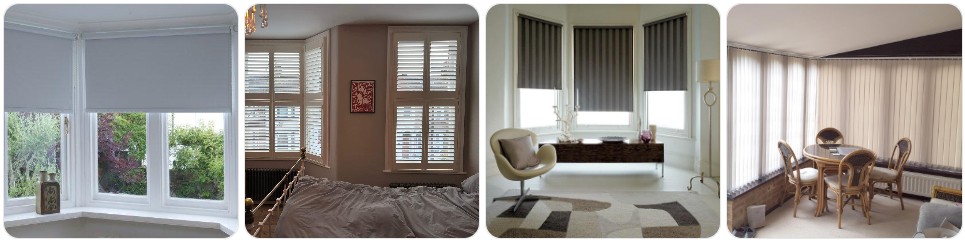
If you need to remove London blinds without crushing the soft folds, tangling the lift cords, or damaging the headrail and mounting hardware, the safest approach is to lower the blind into a relaxed position, support the top rail evenly, and detach it carefully without pulling on the fabric itself. London blinds combine a tailored Roman-style look with softer side folds, so they need a little more care during removal than a simple flat fabric blind because the shape depends on evenly hanging fabric, lift cords, stitched sections, and a properly aligned headrail. This guide explains how to take down London blinds step by step while protecting the folds, lift cords, rings, bottom edge, and mounting system. If you think you may need hardware afterward, it also helps to review London blind parts before you begin.
What You Need Before Removing London Blind
- A stable step stool or ladder: London blinds are usually mounted high enough that you need safe access to the headrail, especially if the blind is fitted above a wider window or has hidden fixings behind the fabric.
- A small screwdriver: Many London blinds use bracketed headrails, face-fix brackets, top-fix brackets, or small retaining clips that are easier to release with a precision screwdriver set.
- Needle-nose pliers: A pair of needle-nose pliers can help if a bracket tab is tight or if a cord guide or ring area needs careful handling during removal.
- A clean flat surface: Once the blind is down, London blind fabric should be laid somewhere clean so the soft folds do not pick up dust, snag, or develop awkward creases.
- A soft tie or fabric strap: This is useful for loosely holding the blind together after removal. Do not cinch the fabric tightly, because London blind folds can lose their shape if compressed too hard.
- A storage bag or small container for hardware: Keep all screws, brackets, side cleats, and clip covers together if you plan to reinstall the same blind later.
- Optional replacement parts on hand: If the blind already has worn hardware, it may help to compare roman blind cord locks, shade ring repair parts, or roman blind mounting brackets before you start.
London Blind Removal Guide
London blind removal needs a little more care than taking down a plain roller or Venetian blind because the fabric styling can become misshapen if the blind is handled roughly or allowed to drop unevenly. The safest method is to support the headrail, keep the fabric relaxed, and release the brackets or fastening system slowly so the folds, rings, and cords stay aligned. If the blind feels stuck, stop and inspect the fixing style rather than pulling harder, because some London blinds use hidden hook-and-loop fastening, while others use screws, clips, or bracketed headrails that need to be released in a specific order.
- Lower the London blind into a relaxed position: Bring the blind down far enough that the fabric is not tightly stacked at the top. This reduces strain on the lift cords and helps the folds hang naturally during removal.
- Check how the blind is fixed: London blinds may be attached with a bracketed headrail, top-fix screws, face-fix brackets, or a hook-and-loop strip across the top. Identify the fixing method before touching the fabric.
- Remove any side cleat tension from the cords: If the lift cords are wrapped around a side cleat, unwrap them carefully so there is no unnecessary pulling on the blind as it comes down.
- Support the headrail or top board with one hand: Before releasing any bracket or pull-away fastening strip, hold the upper part of the blind firmly. Do not use the fabric folds as the lifting point, because the styled sections can distort.
- Release the first fixing point slowly: If the blind uses brackets, open or loosen the first one with a small screwdriver. If it uses hook-and-loop fastening, peel one end away slowly rather than ripping the whole width free at once.
- Move across the blind evenly: Continue releasing the remaining fixing points while keeping the headrail or top board supported. On wider London blinds, one side can drop suddenly if you remove the last support too early.
- Lower the blind in a smooth, even motion: Once the mounting points are free, bring the blind down without twisting the headrail or dragging the fabric across the wall or frame.
- Lay the blind flat and straighten the folds: Set it on a clean surface and gently arrange the shaped sections so the London blind styling is not crushed or twisted during storage.
- Secure the cords and fabric loosely: Loosely gather the cords and tie the blind softly for storage. Avoid knotting the cords tightly, because that makes later reinstallation and adjustment harder.
- Inspect the blind while it is down: This is the best time to check the rings, cord lock, mounting board or headrail, side cleat, and stitched fold areas. If anything looks worn, compare cord lock replacements, shade ring repair parts, and mounting brackets.
Maitys 12 Pieces Blinds Wand Replacement Hardware Repair | Window Wand Tip for Broken Horizontal Vertical Blinds Replacement Parts for Interior Windows

ZZLZX 12PCS Bottom Rail Cord Cover Button White Color Tape Lock Plug, Blind Bottom Rail Lock Button Repair Parts for Horizontal Blinds(OD 15.5mm/0.6in)

Jetec 6 Pieces Blind Wand Horizontal Wand Replacement Parts Vertical Blinds | Replacement Clear Slats Exterior Window Shutters for Interior Windows
Common Problems When Taking Down London Blind
- The blind feels stuck at one end: This often means one bracket, screw, or section of hook-and-loop fastening is still holding the top of the blind in place. Check the full width before pulling harder.
- The fabric starts twisting as the blind comes down: London blinds can lose their tailored shape if one side drops before the other. Support the headrail evenly and straighten the folds as soon as the blind comes down.
- The cords tangle during removal: This is common if the cords were still wrapped or left hanging loosely while the blind was taken down. Keep them gathered and untwisted as soon as the blind is free.
- The top fastening strip pulls away too fast: If the blind uses hook-and-loop tape, peeling it off too quickly can jerk the fabric and distort the fold shape. Work from one end slowly instead.
- A ring or stitched section looks loose once the blind is down: That is actually useful to spot during removal because it gives you a chance to repair a small problem before the next reinstall.
- The headrail or board feels heavier than expected: Some London blinds use a timber board or solid top rail, so support both ends properly, especially on wider windows.
- The folds look flattened after removal: London blind fabric needs to be stored gently. If it is folded sharply or compressed under weight, the shaped lower section can lose definition.
What to Do After Removing London Blind
- Lay the blind flat and smooth the folds: London blinds should be stored in a way that protects their soft shaped appearance, so take a moment to reshape the fabric before putting it away.
- Check the lift cords, rings, and stitching: Removal gives you a good chance to spot frayed cords, loose rings, or worn stitched fold areas that are harder to see when the blind is hanging.
- Inspect the headrail or mounting board: Check for loose screws, worn brackets, or damaged hook-and-loop fastening. If needed, compare mounting brackets and cord lock replacements.
- Clean the blind while it is down: A London blind is much easier to dust or gently vacuum off the window. Be careful around the fold areas so you do not pull on the rings or stitched channels.
- Store the cords neatly: Keep the lift cords loose and untangled so they do not knot or pull against the fabric while the blind is in storage.
- Keep all hardware together: Store brackets, screws, cleats, and top-fixing pieces in one bag or box so reinstalling the blind is much easier later.
- Decide whether to repair or replace: If removal revealed worn cords, loose rings, or distorted fabric, compare London blind options with the cost of repair parts before putting the same blind back up.

LivTee Blind Spot Mirror, 2" Round HD Glass Frameless Convex Rear View Mirrors Exterior Accessories with Wide Angle Adjustable Stick for Car SUV and Trucks, Pack of 2
LivTee Blind Spot Car Mirror, HD Glass Frameless Convex Side Mirror Blindspot, Wide Angle Rear View Mirrors for SUVs, Trucks and RVs - Car Accessories

Her Blind Heart: The Power of Love
London Blind Removal FAQ
Should I lower a London blind before removing it?
Yes. Lowering it into a more relaxed position helps reduce strain on the lift cords and makes it easier to handle the fabric without distorting the shape.
Can I remove a London blind without damaging the fabric?
Yes, as long as you support the blind by the headrail or top fixing board, release the mounting points evenly, and avoid pulling on the shaped fabric sections themselves.
Why does my London blind seem stuck when I try to take it down?
The most common reasons are a hidden bracket, a section of hook-and-loop fastening that is still attached, or one end still being held by a screw or retaining clip.
Do I need tools to remove a London blind?
Sometimes no, but many London blinds are easier to remove with a small screwdriver, especially if they use brackets, fixing screws, or a mounted top board.
What if the cords tangle after I take the blind down?
Untangle them gently right away and store them loosely. London blind cords are easier to manage when they are kept straight rather than tied in tight knots.
Can I reinstall the same London blind after removing it?
Yes, if the fabric, rings, cords, and mounting hardware are still in good condition. Removal is also a good opportunity to clean the blind and replace worn parts first.
Is it better to repair a London blind while it is off the window?
Usually, yes. Cord issues, loose rings, worn brackets, and small stitched repairs are generally easier to inspect when the blind is already down.
Are London blind brackets universal?
Not always. Some London blinds use brackets, some use top boards, and others use hook-and-loop-fixed headrails, so it is always worth checking the exact fitting style before buying new hardware.
Summary
Removing London blinds safely is mostly about supporting the top of the blind properly, releasing the fixings evenly, and protecting the soft folds from twisting, flattening, or tangling while the blind comes down. Once the blind is off the window, you can inspect the cords, rings, brackets, and top fittings, clean the fabric more easily, and decide whether the blind is ready to go back up or needs repair work first. If your removal project turns into a repair job, it also helps to review repair London blinds before reinstalling the blind.

60 PCS Vertical Blind Repair Tabs Kit Clear Fixer Verticle Blinds Snap in Replacement Slats Parts Panels

joytrace RV Pleated Shade Repair Kit, RV Window Shade Restringing Kit, Repair and Maintain of Day Night Pleated Shade (White)
