

Removing conservatory blinds takes a little more care than taking down standard window blinds because they are often fitted to angled glazing bars, roof panels, or narrow conservatory frames with specialist brackets, side channels, support wires, or tensioned components. In most cases, the safest method is to support the blind first, release any tension gradually, and remove the fixing clips or screws in the correct order so the blind does not twist, drop suddenly, or damage the glazing area. If you want to inspect or replace hardware during the job, it also helps to look at Conservatory blind parts before you start.
What You Need Before Removing Conservatory Blind
- A stable step ladder or platform: Conservatory blinds are often mounted overhead or high on sloping roof sections, so safe access matters much more than it does with a standard wall-mounted blind. You need to reach both ends evenly so you do not strain the blind or pull one side down first.
- A screwdriver set that fits small blind brackets and retaining screws: Many conservatory blind systems use compact screws, end caps, and bracket covers that are easy to strip with the wrong tool. A precision screwdriver set for blind brackets is often more useful than a large household screwdriver.
- A container for screws, clips, and end caps: Conservatory blind hardware is usually small and easy to lose, especially when you are working above head height. A simple magnetic tray or parts container makes reinstallation much easier later.
- Needle-nose pliers for tensioned parts or support wires: Some conservatory pleated, cellular, or roof blinds use small tension wires, guide wires, or spring-loaded fittings. A pair of needle-nose pliers for small blind hardware can help you release these carefully without bending fittings.
- A soft cloth or towel to protect the blind fabric: Conservatory blinds are often exposed to heat, dust, and condensation over time. Once removed, laying the blind on a clean soft surface helps prevent creasing, snagging, or marking the fabric.
- A labeling method for left and right parts: If you are taking down several conservatory blinds at once, masking tape labels can save a lot of confusion. Roof blinds and shaped conservatory blinds can look similar but may not be interchangeable from one panel to another.
- A replacement-hardware backup plan: Older conservatory blind brackets or clips can become brittle from sun exposure. It can be helpful to compare conservatory blind brackets and clips before removal in case a fixing breaks during the job.
Conservatory Blind Removal Guide
Before taking down a conservatory blind, look closely at how it is mounted because not all systems release the same way. Some are clipped into brackets, some use side tension wires, and others are screwed into slim roof-frame fittings with very little room to work. The biggest mistake is trying to pull the blind free before the tension or support points have been released properly. To remove a conservatory blind without damaging it, support the blind with one hand, work from the least-loaded fixing point, and release brackets or wires gradually rather than forcing the blind out of place.
- Identify the exact blind setup before touching any fittings: Check whether your conservatory blind is fitted as a roof blind, side blind, pleated blind, Perfect Fit-style system, or a tensioned conservatory panel blind. Look for retaining clips, side wires, bottom catches, and bracket covers so you know what must be released first.
- Open or position the blind to reduce strain: In many conservatory blind systems, it helps to move the blind into a position where the fabric is not tightly stretched. For some pleated roof blinds that means partially closing the blind so the fabric stack is supported, while for other systems it may mean fully retracting it before removal.
- Set up safe access on both sides if needed: Because conservatory blinds are often fitted over angled glazing, you may need to reach both ends evenly. Never hang off one side and pull the blind across the roof bar, because that can twist the headrail or crack a brittle bracket.
- Remove any decorative covers or end caps first: Use your screwdriver or fingers to lift off bracket covers, screw caps, or trim pieces. Place each part in your container immediately so nothing rolls away.
- Release support wires or tensioned fittings carefully: If the blind uses guide wires or tension cords, ease the tension off slowly rather than unhooking them abruptly. A pair of needle-nose pliers can help with small hooks or wire retainers. Do not let spring-loaded parts snap back freely, especially near glass or polycarbonate panels.
- Support the blind body before undoing the first bracket: Conservatory blinds can drop awkwardly once one side is released, particularly overhead models. Keep one hand under the rail or have someone help support the other side while you work.
- Undo the retaining screws or unclip the blind from its brackets: Some conservatory blind rails slide out of brackets, while others need a retaining tab pressed before the rail can pivot free. Use the correct screwdriver size and avoid over-twisting small screws, since sun-aged hardware can be brittle.
- Work from one end to the other in a controlled order: Once the first fixing point is free, move to the second while still supporting the rail. If the blind feels stuck, stop and look for a hidden center clip, side retainer, or wire anchor rather than pulling harder.
- Lower the blind slowly and keep the fabric stack aligned: After the final bracket releases, bring the blind down gently and place it on a soft clean surface. This is especially important with pleated conservatory blinds because the fabric can crease if one end hangs lower than the other.
- Inspect all removed parts before storing or reinstalling: Check brackets, clips, side wires, screws, and end caps for bending, cracking, or UV damage. If any pieces look weak, compare replacement conservatory blind parts before putting the blind back up.

Vertical Blinds Replacement Stem and Gear Used for Headrail, Carrier Stem Vertical Blinds Curtain Accessories(12 Sets)
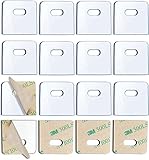
SOGEWO (16 Set/32 Pieces) Clear Vertical Blind Repair Tabs, Vertical Blinds tabs/Blind Fixers for Vertical Blinds Replacement Slats & Parts
Common Problems When Taking Down Conservatory Blind
- The blind will not unclip from the bracket: Many conservatory blinds use compact retaining tabs that are easy to miss. If the rail refuses to move, look for a locking tab, center clip, or cover still holding it in place instead of forcing the rail downward.
- Support wires snap loose suddenly: Tension wires on conservatory blinds can release fast if they are unhooked without support. This can bend fittings or mark nearby glazing, so they should always be released slowly and under control.
- Small brackets or clips crack during removal: Heat and sunlight can make conservatory blind hardware brittle over time. It is smart to have access to replacement brackets or clips in case an older fitting breaks.
- The fabric creases or twists as the blind comes down: This often happens when one end is released before the other is supported. Conservatory pleated blinds are especially prone to this because the fabric stack can shift out of line very easily.
- Screws are hard to reach near roof frames: Conservatory blind fixings are often mounted in narrow spaces near glazing bars or sloped panels. A stubby screwdriver set for tight spaces can make removal much easier.
- You cannot tell which blind belongs to which panel afterward: This is common when several conservatory blinds are removed at once. Labeling each blind and its hardware by panel position prevents a lot of frustration during reinstallation.
- The blind seems stuck even after the screws are out: Some conservatory blinds also sit in locating pins, side channels, or friction-fit brackets, so the rail may need to slide sideways or tilt free rather than pull straight down.
What to Do After Removing Conservatory Blind
- Lay the blind flat or store it in a protected upright position: Conservatory blind fabrics and slim rails can warp or crease if they are left twisted after removal, especially if the blind is pleated or shaped to fit a specific roof panel.
- Keep each blind with its own screws and brackets: Conservatory blinds are often panel-specific, so mixing hardware between blinds can make reinstallation slower and less accurate.
- Clean the blind and surrounding frame before reinstalling anything: Removing built-up dust from the rail, glazing bars, and bracket area makes it easier to inspect wear and helps the blind sit correctly when reinstalled.
- Inspect for worn cords, frayed wires, or cracked end caps: Removal is the best time to check the parts that are usually hidden while the blind is installed. If anything looks weak, compare replacement conservatory blind hardware before rehanging the blind.
- Check whether the blind still operates smoothly off the window: Slide or tension the blind gently by hand and look for resistance, uneven stacking, or rail misalignment. This can reveal a problem before you put it back overhead.
- Clean the glazing area if the blind is staying down for a while: Once conservatory blinds are removed, it is much easier to clean roof panels, window frames, and glazing bars thoroughly before reinstalling them or fitting new blinds.
- Decide whether repair or replacement makes more sense: If the blind fabric is sagging, the wires are worn, or several clips are damaged, it may be more practical to switch to a new conservatory blind replacement instead of reinstalling a failing system.

GhostBlind Runner 26" 6-Panel Ground Hunting Blind and Accessories, Ideal for Turkey and Deer Hunting

Window Opener Blinds Adjustable Opening Stick | Adjustable Window Opener Rod for Kitchen Bedroom School Apartment Dormitory Living Room Attic Commercial

Blackout Roller Blinds No Drill Thermal Insulation & Privacy Suction Cup Portable Shades for Bedroom & Conservatory, Easy Install Retractable Design, Light Blocking, Energy Efficient
Conservatory Blind Removal FAQ
How do you remove conservatory blinds without damaging them?
The safest method is to support the blind first, release any tension wires or retaining clips gradually, and remove the brackets in the correct order rather than pulling the blind free by force.
Do conservatory blinds need to be removed differently from standard blinds?
Yes. Conservatory blinds are often fitted to roof panels, angled frames, or narrow glazing bars with specialist brackets and tensioned parts, so they usually need a more careful removal sequence than ordinary window blinds.
Can I take down conservatory blinds by myself?
Sometimes, but it depends on the size and location of the blind. Smaller side blinds may be manageable alone, while overhead or wide conservatory blinds are safer to remove with a second person supporting the other end.
What tools do I need to remove conservatory blinds?
Most jobs require a stable ladder, the correct screwdriver, a small container for screws and clips, and sometimes needle-nose pliers for guide wires or tensioned fittings.
Why is my conservatory blind not coming out of the bracket?
Many conservatory blinds have hidden retaining tabs, center clips, or locating points. If the rail still feels stuck, check for a locking tab or a side-slide release before applying more force.
Can conservatory blind brackets break during removal?
Yes. Older brackets and clips can become brittle from heat and sunlight, especially in roof sections, so careful removal and replacement parts are sometimes necessary.
Should I label conservatory blinds when taking down multiple panels?
Yes. Labeling each blind and its hardware by panel position makes reinstallation much easier because conservatory blind sizes and bracket placements are often specific to each section.
What should I do if my conservatory blind is damaged after removal?
Inspect the rail, fabric, wires, and brackets to see whether the problem is limited to a few replaceable parts. If the damage is more extensive, repair or replacement may be the better option before reinstalling it.
Summary
Taking down conservatory blinds safely is mostly about understanding the mounting system first, supporting the blind during removal, and releasing any tensioned fittings or brackets in the right order. If you work slowly, keep the fabric aligned, and store the blind and hardware carefully afterward, you can usually remove conservatory blinds without damaging the rail, brackets, or glazing area. If the blind needs attention before it goes back up, it is also worth checking how to repair Conservatory blinds before deciding on a full replacement.

60 PCS Vertical Blind Repair Tabs Kit Clear Fixer Verticle Blinds Snap in Replacement Slats Parts Panels
Vertical Blinds Replacement Stem and Gear Used for Headrail, Carrier Stem Vertical Blinds Curtain Accessories(12 Sets)
