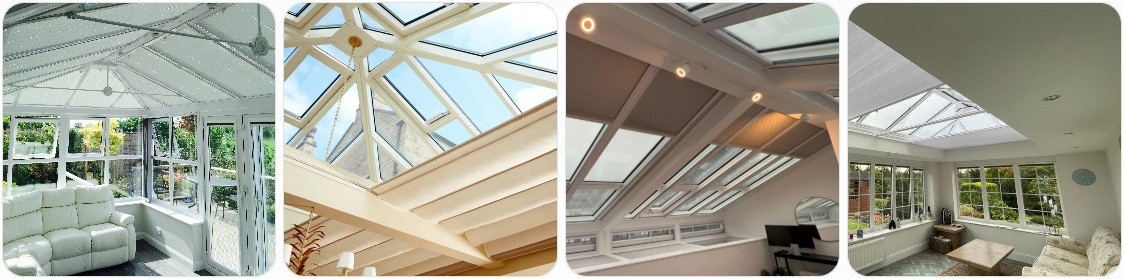
Roof blinds are made for skylights, roof windows, attic rooms, loft conversions, sunrooms, and angled glazing where regular window blinds usually do not fit or operate properly. This guide explains how roof blinds work, what they cost, where to buy them online, their pros and cons, and what to check before choosing the right style for your roof window.
Roof Blinds At a Glance
- Best for: Roof windows, skylights, loft rooms, attic bedrooms, sunrooms, conservatories, extensions, and angled glazing.
- Main purpose: Reducing glare, controlling heat, blocking light, adding privacy, and making bright overhead windows more comfortable.
- Common styles: Blackout roof blinds, light-filtering roof blinds, pleated roof blinds, cellular roof blinds, roller roof blinds, solar roof blinds, manual roof blinds, and motorized roof blinds.
- Typical price range: About $40 to $250 per roof blind for many standard manual options, while custom, branded, solar, or motorized roof blinds may cost $200 to $600+ per window.
- Installation difficulty: Easy to moderate for model-specific DIY roof blinds; harder for high, angled, oversized, or non-standard roof windows.
- Best buying tip: Match the blind to your roof window brand, model code, frame size, and glazing type before ordering.
- Most important feature: Side channels or guide rails, because roof blinds need to stay tight against an angled or overhead window instead of hanging loose.
- Good upgrade: Blackout fabric for bedrooms, cellular fabric for insulation, or motorized controls for high skylights that are hard to reach.
What Are Roof Blinds? How Roof Blinds Work?
What Are Roof Blinds?
Roof blinds are window coverings designed specifically for roof windows, skylights, dormer windows, attic windows, loft windows, and sloped glazing. Unlike normal blinds that hang vertically on a wall window, roof blinds must work on an angle. That means they usually need side rails, guide wires, tension systems, cassettes, or frame-mounted tracks to keep the fabric close to the glass.
A regular roller blind may sag, flap, or hang away from the glass when fitted to a slanted roof window. A proper Roof Blinds system is built to stay in position even when the window is angled. This makes roof blinds much better for blocking direct sunlight, reducing summer heat, improving privacy, and darkening bright loft bedrooms.
Roof blinds are often used in rooms where sunlight enters from above. This can include converted attics, home offices in loft spaces, upstairs bedrooms, bathrooms with skylights, garden rooms, conservatories, and modern extensions with roof glazing. Depending on the fabric and design, roof blinds can lightly filter daylight, fully block light, reduce glare on screens, help with insulation, or make a room easier to sleep in.
Some roof blinds are sold for specific roof-window brands and model codes. Others are universal or made-to-measure. Before buying, it is very important to check whether your roof window has a visible brand plate, model number, frame size, or product code. Roof blinds usually need a more accurate fit than standard blinds because the rails, brackets, and operating bar must line up correctly with the window frame.
How Roof Blinds Work?
Roof blinds usually work by moving a fabric panel up and down inside side channels or along guide wires. The blind is held under tension so it does not droop away from the glass. When closed, the fabric covers the roof window. When opened, the fabric retracts into a cassette, top rail, or roller tube at the top of the frame.
Manual roof blinds often use a handle bar at the bottom of the fabric. You pull the bar down to cover the window and push it up to open it. Some designs allow the blind to stop at different positions, while others use notches, side rails, or friction systems to hold the blind in place. For tall or hard-to-reach windows, you may need an extension pole or control rod.
Motorized roof blinds use a small motor inside the headrail or cassette. They may be powered by batteries, plug-in power, solar charging, or a wired electrical connection. These are useful when the roof window is too high to reach comfortably. Many motorized roof blinds can be controlled by remote, wall switch, app, timer, or smart-home automation. If you are comparing powered options, you can browse motorized roof window blinds to see common styles and control types.
The most common roof blind fabrics include blackout, light-filtering, thermal, pleated, cellular, and solar screen materials. Blackout roof blinds are best for bedrooms and nurseries. Light-filtering roof blinds soften harsh daylight without making the room fully dark. Cellular roof blinds add insulation by trapping air inside honeycomb pockets. Solar roof blinds are designed to reduce glare and heat while keeping a brighter daytime feel.
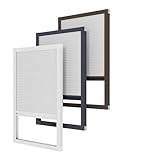
Hoeflife Cellular Shades Cordless Blackout, Skylight Blinds for Windows Roof Window Shades for Home, Room Darkening Honeycomb Blinds for Doors - Custom Cut to Size(Blackout, White)

Hoeflife Cellular Shades Cordless Blackout, Skylight Blinds for Windows Roof Window Shades for Home, Room Darkening Honeycomb Blinds for Doors - Custom Cut to Size(Blackout, Black)

MiLin Skylight Shades & Blinds Blackout Cordless Cellular Blinds for Window Shades Suitable for Roof Inclined Plane Room Windows - Custom Cut to Size (100% Blackout White)
Roof Blinds Pros and Cons
Pros of Roof Blinds
- Made for angled windows: Roof blinds stay close to the glass instead of hanging loose like standard blinds.
- Better light control: They help reduce strong overhead sunlight, glare, and brightness in loft rooms.
- Great for bedrooms: Blackout roof blinds can make attic bedrooms much darker and easier to sleep in.
- Helps control heat: Thermal, cellular, solar, and blackout fabrics can reduce heat build-up from roof glazing.
- Improves privacy: Useful for overlooked roof windows, bathroom skylights, and urban loft conversions.
- Cleaner fit: Model-specific roof blinds usually look neat because they fit inside the window frame.
- Many control options: You can choose manual, pole-operated, remote-control, solar-powered, or smart roof blinds.
- Useful year-round: They can reduce summer glare and help improve comfort during colder months.
- Good for screen use: Helpful in loft offices where sunlight reflects on laptops, TVs, or monitors.
- Available in custom sizes: Made-to-measure options can fit unusual roof windows and skylights.
Cons of Roof Blinds
- More expensive than basic blinds: Roof blinds often cost more because they need rails, tension, and special fittings.
- Fit must be accurate: A small measuring mistake can cause gaps, poor movement, or installation problems.
- Not always universal: Some roof blinds only fit certain window brands, sizes, or model codes.
- DIY can be awkward: Installing blinds above your head or on a sloped ceiling is harder than fitting standard window blinds.
- High windows may need accessories: You may need an extension pole, remote control, motor, or professional fitting.
- Cheaper options may sag: Low-quality universal roof blinds may not hold tension well over time.
- Motorized versions cost more: Remote-control and solar-powered roof blinds can become expensive quickly.
- Cleaning can be harder: Dust, insects, and condensation marks may be harder to reach on high roof windows.
- Some reduce the view: Blackout and opaque fabrics block the sky view when closed.
- Replacement parts can be specific: Handles, side rails, clips, cords, and cassettes may need to match the exact blind system.
Roof Blinds Cost: What Price Should You Expect?
Roof blinds usually cost more than simple standard window blinds because they need a secure frame, side channels, tension, and hardware that can work on a sloped or overhead window. A basic manual roof blind for a smaller skylight may cost around $40 to $100, while better-quality blackout or light-filtering roof blinds often fall between $80 and $200 per window.
Custom roof blinds, branded roof-window blinds, cellular roof blinds, solar roof blinds, and motorized roof blinds can cost much more. For many homes, you should expect around $150 to $350 per window for a good-quality custom or branded roof blind. Premium motorized, solar-powered, or smart roof blinds may cost around $300 to $600+ per window, especially if the window is large, high, or difficult to access.
Installation can also affect the final price. DIY installation may cost nothing beyond the blind itself and basic tools. Professional installation may add around $75 to $200+ per window depending on height, access, window size, location, and whether electrical work is needed for powered blinds. If you are pricing several roof windows at once, use a blind cost estimator to compare blind size, quantity, style, installation, and upgrades before ordering.
- Budget manual roof blinds: Around $40 to $100 each.
- Mid-range blackout roof blinds: Around $80 to $200 each.
- Custom or branded roof blinds: Around $150 to $350 each.
- Cellular or thermal roof blinds: Around $120 to $350 each.
- Motorized or solar roof blinds: Around $250 to $600+ each.
- Professional fitting: Around $75 to $200+ per window, depending on access and complexity.
The cheapest option is not always the best value for roof windows. A poor-fitting blind may leave light gaps, slide unevenly, or fail to stay tight against the glass. For roof windows, fit, rails, brackets, and smooth operation matter just as much as fabric price.
Where to Buy Roof Blinds Online
Amazon can be a useful place to compare roof blinds, skylight blinds, blackout roof-window shades, thermal roof blinds, and installation accessories. It is especially helpful if you want to see different price levels, fabric styles, control types, and customer reviews in one place. When searching Amazon, use specific terms like roof window blackout blinds, skylight blinds, cellular skylight shades, and roof blind replacement parts instead of only searching for “blinds.”
Before buying roof blinds from Amazon, check the exact dimensions, mounting style, rail system, return policy, and whether the blind is designed for angled windows. Some products listed under skylight or roof blinds may be temporary shades, adhesive covers, or standard window shades that are not ideal for sloped glass. Look closely at product photos to confirm that the blind includes side rails, guide wires, a tension system, or frame hardware suitable for roof windows.
Find Roof Blinds from Amazon »
Hoeflife Cellular Shades Cordless Blackout, Skylight Blinds for Windows Roof Window Shades for Home, Room Darkening Honeycomb Blinds for Doors - Custom Cut to Size(Blackout, White)
Hoeflife Cellular Shades Cordless Blackout, Skylight Blinds for Windows Roof Window Shades for Home, Room Darkening Honeycomb Blinds for Doors - Custom Cut to Size(Blackout, Black)
MiLin Skylight Shades & Blinds Blackout Cordless Cellular Blinds for Window Shades Suitable for Roof Inclined Plane Room Windows - Custom Cut to Size (100% Blackout White)
eBay is another good place to look for roof blinds, especially if you need replacement parts, discontinued blind models, second-hand roof-window blinds, branded skylight blind accessories, or older control components. It can be useful when you already know the roof window brand, model code, or blind part number. For example, if you have an older roof blind with a broken handle, side rail, clip, or cord system, eBay may have parts that are no longer easy to find from regular retailers.
When buying roof blinds from eBay, check whether the item is new, used, open-box, or replacement-only. Always compare the listing measurements with your roof window frame, not just the glass size. If the blind is made for a specific brand or model, confirm that your roof window code matches before ordering. For used roof blinds, inspect photos for bent rails, missing clips, damaged fabric, broken tension cords, or incomplete mounting hardware.
- Blinds.com – Good for comparing custom blinds, skylight shades, cellular shades, and made-to-measure window treatment options.
- VELUX – Best for brand-specific roof window blinds, skylight blinds, blackout blinds, solar blinds, and accessories for VELUX roof windows.
- The Home Depot – Useful for skylight shades, blackout window treatments, installation tools, and home-improvement support.
- Lowe’s – Good for checking roof-window shade options, cellular shades, blackout products, measuring tools, and installation supplies.
How to Find Roof Blinds Stores Near You
Finding roof blinds locally can be a little different from shopping for standard blinds because not every blinds store carries roof-window systems. The best place to start is with local blind shops, custom window treatment stores, skylight dealers, roof-window installers, home improvement stores, and interior shading specialists. You can also use a window blinds buying guide to compare common places to shop before contacting local stores.
Search for terms like “roof blinds near me,” “skylight blinds near me,” “roof window blinds installer,” “VELUX blinds installer,” “custom skylight shades,” or “loft window blinds.” If you have a branded roof window, include the brand name in your search. This helps you avoid stores that only sell standard blinds and cannot supply the correct brackets, rails, or roof-window fittings.
When calling a local store, ask whether they measure roof windows, supply made-to-measure roof blinds, install blinds on angled windows, and work with high skylights. If the window is hard to reach, ask whether they have ladders, extension equipment, or experience working around sloped ceilings. For motorized roof blinds, also ask whether they handle battery, solar, plug-in, or hardwired installation.
It is also worth checking local skylight installers and roofing companies. Some roof-window specialists sell blinds as accessories, especially for skylights and loft windows. If your roof window is older, they may also help identify the window model code so you can order a compatible blind online.
What to Check Before Buying Roof Blinds
- Roof window brand: Check whether your window is from VELUX, Fakro, Keylite, RoofLITE, Roto, or another roof-window brand.
- Model code: Look for a data plate, frame label, or model number on the roof window. This can help you find a direct-fit blind.
- Window size: Measure carefully and confirm whether the seller wants glass size, frame size, recess size, or visible opening size.
- Mounting style: Check whether the blind fits inside the frame, onto the sash, within side channels, or over the opening.
- Angle compatibility: Make sure the blind is actually suitable for sloped or overhead windows, not only vertical wall windows.
- Side rails or guides: Roof blinds usually work best with rails, guide wires, or tension systems to stop fabric sagging.
- Light control level: Choose blackout for bedrooms, light-filtering for living spaces, solar fabric for glare, or cellular fabric for insulation.
- Heat control: South-facing, west-facing, or very sunny roof windows may need thermal, reflective, solar, or cellular materials.
- Privacy needs: Bathrooms, bedrooms, and overlooked roof windows may need opaque or blackout fabrics.
- Reach and access: High roof windows may need a pole-operated, remote-control, solar-powered, or motorized blind.
- Child safety: Cordless, tensioned, or motorized designs are usually safer and cleaner than loose cord systems.
- Room moisture: Bathrooms and kitchens may need moisture-resistant fabrics and hardware.
- Frame color: Match the side rails and cassette to the window frame for a cleaner built-in look.
- Return policy: Made-to-measure roof blinds may not be returnable if you order the wrong size.
- Replacement parts: Check whether handles, clips, rails, motors, batteries, and brackets are available separately.
- Warranty: Look for warranty coverage on fabric, rails, motor, remote, and mounting hardware.
Roof Blinds Installation Options: DIY vs Professional Fitting

Cutelec 2pcs Box Mounting Bracket for Low Profile Horizontal Blinds with 1-3/4" x 2 1/2" Headrail - White Color

Jetec 6 Pieces Mini Blind Brackets for Window Blinds,1.18x1.18 Inch | with Screws,Metal Replacement Parts,Easy DIY Installation
Roof blinds can be installed DIY if the window is easy to reach, the blind is made for your exact roof-window model, and the instructions are clear. Many model-specific roof blinds are designed to clip or screw into pre-set points on the window frame. In that case, installation may only require a screwdriver, measuring tape, pencil, and basic care when aligning the side rails.
DIY installation is usually best for standard-size roof windows in loft rooms, bedrooms, or offices where you can safely stand and reach the frame. It can save money and may be simple if you are installing a manual blind from the same brand as the roof window. However, you should not rush the process. The side rails must be straight, the cassette must sit level, and the bottom bar must move smoothly without catching.
Professional fitting is better when the roof window is high, oversized, difficult to access, unusually shaped, or part of a larger skylight system. It is also the better option for motorized roof blinds, hardwired blinds, large custom blinds, or installations where you are not sure about the window model. A professional installer can measure accurately, check the frame, fit the blind safely, and reduce the risk of ordering the wrong product.
If you are installing multiple roof blinds, professional measuring may also be worth it. Roof windows can look similar but have different model codes, frame sizes, or glazing depths. One wrong measurement can become expensive if the blinds are custom-made and non-returnable.
- Choose DIY installation if: The window is easy to reach, the blind is model-specific, you have the right size, and no electrical work is needed.
- Choose professional fitting if: The window is high, the blind is custom, the product is motorized, or the roof glazing is difficult to access.
- DIY cost: Usually $0 beyond tools and supplies, unless you need a ladder, extension pole, or drill accessories.
- Professional cost: Often around $75 to $200+ per window depending on height, complexity, and location.
- Best approach: DIY for simple manual roof blinds; professional fitting for expensive, high, custom, or powered roof blinds.
FAQ About Roof Blinds
Are roof blinds the same as skylight blinds?
Roof blinds and skylight blinds are very similar, and the terms are often used together. Roof blinds usually refer to blinds made for roof windows or sloped glazing, while skylight blinds may refer to blinds for overhead skylight openings. In both cases, the blind must stay close to the angled or overhead glass.
Can I use normal blinds on a roof window?
Normal blinds are usually not ideal for roof windows because they can sag, hang away from the glass, or fail to stay in position on an angle. A proper roof blind uses side rails, guide wires, or tension to keep the fabric controlled.
What type of roof blind is best for bedrooms?
Blackout roof blinds are usually best for bedrooms because they block the most light. They are especially useful in loft bedrooms, attic rooms, nurseries, and any room where early morning sunlight enters through the roof window.
Do roof blinds help keep a room cooler?
Yes, roof blinds can help reduce heat build-up, especially when they use blackout, thermal, solar, reflective, or cellular fabric. They work best when fitted close to the glass and used before the room becomes too hot.
Do roof blinds help with insulation?
Some roof blinds can help with insulation, especially cellular or honeycomb roof blinds. These have air pockets that can reduce heat transfer and make the room feel more comfortable in both warm and cool weather.
How do I measure for roof blinds?
First check whether your roof window has a brand and model code. If buying a direct-fit blind, the model code may be more important than manual measuring. If buying made-to-measure, follow the seller’s measuring guide carefully and confirm whether they need frame size, glass size, or recess size.
Are roof blinds hard to install?
Some roof blinds are easy to install if they are designed for your exact roof window model. Universal or custom roof blinds can be harder because the side rails, brackets, and tension system must line up correctly. High windows may require professional fitting.
Are motorized roof blinds worth it?
Motorized roof blinds are worth considering if the window is high, difficult to reach, used often, or part of a bedroom or office where light control matters daily. They cost more, but they are much more convenient than using a pole every time.
Can roof blinds be fitted without drilling?
Some roof blinds are clip-fit or designed to attach to existing roof-window mounting points, but many still require screws, brackets, or side rails. Always check the product instructions before buying if you need a no-drill option.
What is the cheapest roof blind option?
The cheapest roof blind option is usually a basic manual light-filtering or blackout blind for a standard roof window size. Temporary skylight shades may cost less, but they usually do not look as neat or operate as smoothly as a proper roof blind system.
Why are roof blinds more expensive than regular blinds?
Roof blinds are more expensive because they need special rails, tension, brackets, cassettes, and hardware to work on angled or overhead windows. They also often require more precise sizing than standard wall-window blinds.
Can I buy replacement parts for roof blinds?
Yes, many roof blind parts can be replaced, including handles, clips, cords, brackets, side channels, guide wires, and sometimes motors or batteries. The hard part is matching the part to the exact blind model and roof window system.
Summary
Roof blinds are the best choice for skylights, roof windows, loft rooms, and angled glazing because they are designed to stay tight against sloped glass. They can reduce glare, block light, improve privacy, help control heat, and make attic rooms more comfortable. Basic manual roof blinds may start around $40 to $100, while custom, branded, cellular, solar, or motorized roof blinds can cost several hundred dollars per window.
Before buying, check your roof window brand, model code, size, mounting style, and access height. Choose blackout roof blinds for bedrooms, solar or light-filtering roof blinds for bright living areas, cellular roof blinds for insulation, and motorized roof blinds for hard-to-reach windows. Amazon and eBay are useful for comparing products and parts, while specialist roof-window brands and local blind installers may be better for exact-fit or professional installations.

60 PCS Vertical Blind Repair Tabs Kit Clear Fixer Verticle Blinds Snap in Replacement Slats Parts Panels

joytrace RV Pleated Shade Repair Kit, RV Window Shade Restringing Kit, Repair and Maintain of Day Night Pleated Shade (White)
