

If you need to remove honeycomb blinds without crushing the pleated cells, bending the headrail, or damaging the mounting brackets, the safest approach is to fully raise or neatly stack the shade first, support the headrail evenly, and release the brackets one at a time without pulling on the fabric. Honeycomb blinds are lighter than many slatted blinds, but their structured air-pocket fabric can crease, flatten, or tear if the shade is handled roughly during removal. This guide walks through how to take down honeycomb blinds step by step while protecting the fabric cells, lift cords or cordless mechanism, bottom rail, and headrail hardware. If you think you may need replacement hardware afterward, it also helps to review Honeycomb blind parts before you begin.
What You Need Before Removing Honeycomb Blind
- A stable step stool or ladder: Honeycomb blinds are usually removed from clips or brackets mounted at the top of the window, so safe overhead access makes the job much easier and helps prevent the headrail from twisting as it comes loose.
- A small screwdriver: Some honeycomb blind brackets release by hand, but others have a small retaining tab that is easier to open with a precision screwdriver set.
- Needle-nose pliers: A pair of needle-nose pliers can help if a bracket clip is stiff or if a small metal tab needs to be pulled back carefully.
- A clean flat surface or towel: Once the blind is down, lay it somewhere clean so the honeycomb fabric does not get dusty, snagged, or crushed.
- A soft tie or storage strap: This helps keep the shade neatly folded after removal. Do not wrap it too tightly, because the honeycomb pockets can lose shape if compressed hard.
- A container for screws, bracket covers, and clips: Small mounting pieces are easy to lose, especially if you plan to reinstall the same blind later.
- Optional replacement parts on hand: If the shade already has worn hardware, you may want to compare honeycomb blind parts, honeycomb shade mounting brackets, or cordless shade handle replacements before you start.
Honeycomb Blind Removal Guide
Honeycomb blind removal is usually fairly simple once you identify the bracket style, but the fabric should never be used as the lifting point. The safest method is to keep the shade neatly stacked, support the headrail with one hand, and release the mounting brackets carefully so the blind comes down level. If the blind seems stuck, stop and inspect the bracket tabs rather than prying harder, because many honeycomb shade brackets use small spring clips that can bend or snap if forced in the wrong direction.
- Raise or compress the honeycomb blind fully: Stack the shade as neatly as possible near the headrail before removal. This keeps the fabric cells compact and reduces the chance of creasing them while you work.
- Remove any valance or bracket cover if present: Some honeycomb blinds have a front cover or decorative valance that hides the mounting clips. Take that off first so you can clearly see how the headrail is attached.
- Inspect the bracket type carefully: Many honeycomb blinds use snap-in brackets with a small front lip or metal tab. Others may have a hinged bracket door or a spring clip that releases from the back.
- Support the headrail with one hand: Before releasing anything, hold the headrail firmly so the blind does not fall suddenly and twist. Do not grab the blind by the pleated fabric, because the cells can flatten or tear.
- Release the first bracket slowly: Use your fingers or a small screwdriver to press the tab or open the clip. Ease the headrail forward slightly, but do not let the other side hang loose yet.
- Move to the second bracket while keeping the blind level: Once the first side is partly free, keep supporting the headrail and release the second bracket carefully. On wider shades, check for a center support bracket before pulling the blind away.
- Lower the blind evenly out of the mounting points: Once all brackets are released, bring the headrail down in a smooth motion. Keep the stack of honeycomb fabric upright and supported.
- Lay the blind on a clean flat surface: Set the shade down gently so the fabric cells stay neat and the bottom rail does not bend or scrape.
- Secure the stacked shade loosely for storage: Use a soft tie or strap to hold the honeycomb shade together. Avoid tight pressure that could crush the air-pocket cells.
- Inspect the hardware while the blind is down: Check the headrail, bracket clips, cordless handle, internal cords, and bottom rail end caps. If anything looks worn, compare honeycomb blind parts, mounting brackets, and cordless shade handle replacements.
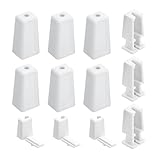
3 Pack Blind Cord Stop Replacement Kit for Hunter Douglas Honeycomb Shades

YXYYXY 3 Pack 3/8 Inch Duette Honeycomb Shade Mounting Brackets | Fits for Hunter Douglas Pull Cord Duette Honeycomb Shades, Repair Brackets for Broken Worn Window Blind Mount Hardware

YXYYXY Cord Stop Housing and Knob Compatible with Hunter Douglas, Blinds Replacement Parts Fits Classic Duette Honeycomb Shades & Applause Window Treatments (1 Piece Set,White)
Common Problems When Taking Down Honeycomb Blind
- The brackets will not release: Many honeycomb blind brackets use small spring tabs that are easy to miss. Use a screwdriver carefully instead of forcing the headrail forward.
- The fabric starts crumpling during removal: This usually happens when the blind is pulled by the shade material instead of supported by the headrail. Always hold the top rail, not the cells.
- The blind seems stuck in the middle: Wider honeycomb shades often have a center support bracket in addition to the end brackets. Check the full width before pulling harder.
- A bracket tab bends or snaps: This can happen on older plastic or thin spring clips. If a bracket breaks, compare honeycomb shade mounting brackets before reinstalling the same blind.
- The headrail drops unevenly: This usually means one side was released before the other side was properly supported. Stop and steady the blind before continuing so the rail does not twist.
- The cordless handle or bottom rail looks loose once the blind is down: That is a useful thing to spot during removal, because it gives you a chance to replace small parts before putting the same blind back up.
- The pleats lose shape after storage: Honeycomb fabrics can flatten if the blind is tied too tightly or left under heavy objects. Store it gently and keep the cells from being crushed.
What to Do After Removing Honeycomb Blind
- Lay the blind flat or store it upright safely: Keep the fabric off rough surfaces and away from pressure that could crush the honeycomb cells.
- Dust or clean the shade while it is down: Honeycomb blinds are easier to clean when removed from the window. Use a soft cloth or gentle duster rather than pressing hard on the pleats.
- Inspect the brackets and headrail closely: Check for bent clips, worn tabs, or loose end caps. If needed, compare mounting brackets and honeycomb blind parts.
- Check the lift system or cordless mechanism: If the blind was hard to raise before removal, this is the best time to inspect the internal cords, handle, or tensioned mechanism while everything is accessible.
- Keep all screws and clips together: Store the brackets, screws, covers, and any small hardware in one container so reinstalling the blind is easier later.
- Store the blind in a dry, protected place: Even lightweight fabric shades can pick up damage in storage if they are crushed, damp, or left leaning badly.
- Decide whether to repair or replace: If removal exposed damaged pleats, broken brackets, or a worn cordless system, compare honeycomb blind options with the cost of replacement parts before reinstalling.

BlindsAvenue Cordless Cellular Shade, White, 27" W x 72" H | Light Filtering Pull Down Blinds for Indoor Windows, Thermal Insulation, Noise Reduction Honeycomb Shades for Home Privacy

LazBlinds No Drill Cordless Cellular Shades, 22" W x 36" H, White | Blackout Fabric Protects Privacy, With Thermal Insulation & Noise Reduction, Safe Cordless Design for Kids & Pets
BlindsAvenue Cordless Cellular Shade, White, 35" W x 48" H | Light Filtering Pull Down Blinds for Indoor Windows, Thermal Insulation, Noise Reduction Honeycomb Shades for Home Privacy
Honeycomb Blind Removal FAQ
Should I raise a honeycomb blind before removing it?
Yes. Stacking the shade fully helps protect the fabric cells and makes the blind easier to support by the headrail during removal.
Why will my honeycomb blind not come out of the brackets?
The most common reasons are a hidden spring tab, a bracket clip that has not been opened fully, or a center support bracket that is still holding the headrail.
Can I remove honeycomb blinds without damaging the fabric?
Yes, as long as you support the blind by the headrail, keep the shade neatly stacked, and avoid pulling on the pleated cells.
Do I need tools to take down honeycomb blinds?
Sometimes no, but a small screwdriver is often helpful because many mounting brackets use a small release tab or spring clip.
What if a bracket breaks during removal?
If a bracket cracks or a tab snaps, it is usually better to replace that hardware before reinstalling the blind rather than trying to force the old bracket to work again.
Can I reinstall the same honeycomb blind after taking it down?
Yes, if the fabric, headrail, and brackets are still in good condition. Removal is also a good chance to clean the shade and replace worn hardware first.
Is it better to repair a honeycomb blind while it is off the window?
Usually, yes. Bracket issues, cordless handles, end caps, and some lift-related problems are easier to inspect and address when the blind is already down.
Are honeycomb blind brackets universal?
Not always. Many bracket styles look similar, but the clip shape, headrail size, and mounting profile can vary by brand and blind design.
Summary
Removing honeycomb blinds safely is mostly about stacking the shade neatly, supporting the headrail correctly, and releasing the mounting brackets without pulling on the pleated fabric. Once the blind is down, you can clean it, inspect the brackets and cordless or corded hardware, and decide whether it is ready to go back up or needs replacement parts first. If your removal project turns into a repair job, it also helps to review repair Honeycomb blinds before reinstalling the shade.

60 PCS Vertical Blind Repair Tabs Kit Clear Fixer Verticle Blinds Snap in Replacement Slats Parts Panels

joytrace RV Pleated Shade Repair Kit, RV Window Shade Restringing Kit, Repair and Maintain of Day Night Pleated Shade (White)
